
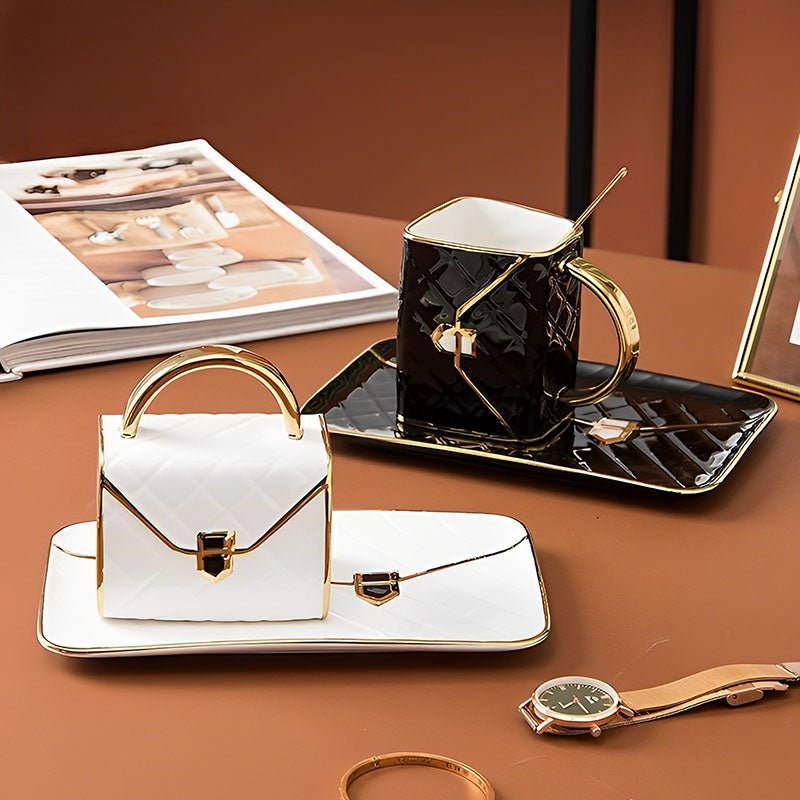
Best Tea Mug: What to Buy for Daily Tea, Desk Use, and Gifts
Reading time: about 9 minutes
A mug can feel perfect in the cupboard and wrong the first time you pour a full cup of tea into it. The handle is too small, the rim feels awkward, or the wall gets hot before you finish the drink. We see those complaints often enough that we treat the best tea mug as a fit problem, not just a style choice.
At our store, we look at the same things shoppers do at the kitchen counter, at the office desk, and during gift unboxings: how the mug feels in the hand, how long it keeps tea comfortable to drink, and how easy it is to clean after repeated dishwasher cycles. If you want a practical starting point, our collection of mugs is the simplest place to compare shapes and sizes side by side.
What makes the best tea mug for daily use?
The best tea mug is the one that fits your routine without asking for much attention. For everyday tea, that usually means a comfortable handle, a rim that does not feel sharp against the lip, and a size that matches the amount you actually pour.
In our experience, a mug for tea should do three things well:
- Hold enough liquid for a standard cup without forcing you to refill constantly.
- Stay comfortable to hold when the tea is hot, especially if you like black tea or herbal blends straight off the kettle.
- Clean up without lingering stains or odors after chamomile, chai, or strong breakfast tea.
A tea mug is not the same as a travel tumbler, and it is not the same as a large novelty mug meant for soup or oversized coffee servings. If you want a mug that lives on a desk, sits beside a kettle, or gets used several times a day, choose something balanced rather than oversized.
For readers comparing cup shapes more broadly, our earlier post on Mug and Tea: How to Choose the Right Cup for Everyday Use covers the use-case side in more detail.
Which material is best for tea: ceramic, porcelain, glass, or stoneware?
Material changes the way tea feels before you even take the first sip. It also changes how the mug wears over time, especially if you use the dishwasher often.
| Material | What it feels like | Best for | Trade-off |
|---|---|---|---|
| Ceramic | Solid, familiar, usually comfortable to hold | Daily use, gifting, general kitchen use | Can chip on the rim or handle if handled roughly |
| Porcelain | Smoother and lighter in the hand | People who like a refined feel and thinner walls | Often less forgiving if dropped |
| Stoneware | Heavier, sturdy, more substantial | Home use and mugs that stay on the counter | Can feel bulky for small hands |
| Glass | Light, visually clean, shows the tea color | Tea drinkers who care about appearance and steeping visibility | Usually less insulating and easier to spot fingerprints |
Ceramic and stoneware are usually the most forgiving options for a best tea mug pick because they balance comfort, durability, and price expectations without feeling delicate. Porcelain is a strong choice if you want a lighter mug with a cleaner silhouette. Glass works well for seeing the tea color or loose-leaf steeping, but it is not the best choice if you want the warmest feel during a long, slow drink.
One detail buyers miss: thicker walls usually keep the outer surface cooler to the touch, but they can also make the mug feel heavier. A very thin mug can feel elegant, yet it may cool faster and show wear sooner around the rim. That is not a defect by itself. It is a trade-off.
If you want a deeper material comparison before buying, our Tea Mug Buying Guide: Best Materials, Sizes, and Everyday Use breaks down how material affects daily comfort.
What size should a tea mug be?
Size matters more than shoppers expect. A tea mug that is too small feels fussy. One that is too large can make a normal pour look stingy and cool down before you finish it.
For most buyers, the best tea mug falls into a comfortable middle range rather than an oversized format. A mug around 10 to 12 oz often works well for standard tea drinkers. If you like a larger pour, want room for milk, or often make a second serving in the same mug, a 15 oz or 16 oz option can make sense.
Here is how we think about it in real use:
- 10 oz: good for a smaller serving, quick tea breaks, or people who dislike a heavy mug in the hand.
- 11 oz to 12 oz: the safest everyday range for most tea drinkers.
- 15 oz to 16 oz: better for long desk sessions, milk tea, or people who want fewer refills.
Do not choose size by number alone. Check the opening diameter and the handle clearance. A 12 oz mug with a wide body may feel bulkier than a taller 15 oz mug with a narrow profile. We see that mismatch often in gift orders.
If you are comparing practical sizing notes, the articles on 10 oz Coffee Mug: Size, Fit, and What to Check Before You Buy and 12 oz Coffee Mug: Size, Fit, and What to Check Before Buying are useful because the same fit logic applies to tea mugs too.
Which features matter most for comfort, heat, and cleanup?
The best tea mug is often decided by small details that are easy to overlook in product photos. Those details show up after a week of real use.
- Handle size: A handle should give enough room for at least two fingers without pinching. If you have larger hands, shallow handles become annoying fast.
- Rim shape: A smoother, slightly rounded rim is easier to drink from than a sharp edge. That matters when you use the mug several times a day.
- Base stability: A wider, flatter base is less likely to wobble on crowded desks or kitchen counters.
- Glaze finish: A smooth glaze is easier to rinse and less likely to hold tea stains than a matte surface with more texture.
- Dishwasher fit: Check whether the mug stack clears upper racks and whether the handle catches on prongs. That is a real annoyance in small kitchens.
Common defect modes are straightforward: a handle that arrives slightly uneven, glaze pinholes near the foot, hairline cracks from impact, or staining on lighter interiors after strong tea. None of those are universal problems, but they are the things we inspect for because they affect long-term satisfaction more than decorative details do.
If you want a mug for an office desk, prioritize stability and heat comfort. If you want a gift, prioritize a neutral shape, balanced weight, and a finish that looks good out of the box. If you want a mug for loose-leaf tea, a wider opening can be useful, but a built-in infuser is a separate decision and not always necessary.
What should you avoid in a tea mug?
Some mugs are fine for display and less good for daily tea. We are direct about that because the wrong mug can frustrate you faster than a minor style mismatch.
Avoid these if you want the best tea mug for actual use:
- Very large novelty mugs if you only drink a standard cup and dislike cooling tea.
- Handles that look decorative but leave little room for your fingers.
- Ultra-thin walls if you want better heat retention and a more substantial feel.
- Highly textured interiors if you drink strong tea and want easier cleanup.
- Shapes that are too tall and narrow if you plan to stir sugar or milk often.
Also be realistic about what tea mugs are not best for. A ceramic mug is not ideal if you need insulation for a two-hour commute. A delicate porcelain mug is not the right pick for rough office handling. A glass mug is not always the best choice for people who want warmth to linger longer.
That trade-off is why we encourage shoppers to look at use case first and style second. If you want more buyer-side detail on daily tea choices, our Tea Mug Buying Guide: How to Choose the Right Cup for Daily Tea goes into the practical differences that matter after the first pour.
How do we choose tea mugs in our store?
We look at the mug in the same way a customer does after delivery. We check the feel of the handle, the balance when filled, the lip comfort, and whether the mug still looks clean after repeated washes. That is the standard we use because a mug is only useful if it survives ordinary life.
Our store assortment is built around simple needs: a reliable everyday mug, a more polished giftable option, and larger sizes for buyers who want less refilling. If you are browsing, the easiest place to compare what is available is our product page, where you can review the current options without chasing through unrelated categories.
We also think about the unboxing moment. A good tea mug should look tidy in the box, feel solid in the hand, and not arrive with a finish that hides imperfections only until the first wash. That does not mean every mug should be heavy or formal. It means the construction should match the promise.
Our practical rule is simple: choose the mug you would still want to use after the novelty wears off. That usually means a balanced size, a comfortable handle, a durable glaze, and a shape that works at breakfast, at the desk, and after dinner.
Frequently asked questions
What is the best tea mug size for everyday use?
For most people, 11 oz to 12 oz is the safest everyday range. It holds a standard pour without feeling oversized, and it usually stays comfortable to hold. If you prefer larger servings or add milk, 15 oz or 16 oz can be a better fit.
Is ceramic or porcelain better for tea mugs?
Ceramic is usually the more forgiving choice for everyday use because it feels sturdy and handles routine washing well. Porcelain is lighter and can feel more refined, but it is generally less forgiving if dropped. If you want a mug that sees daily kitchen use, ceramic is often the practical pick.
Are glass tea mugs good for hot tea?
Yes, but they are best for people who value seeing the tea color or steeping process. Glass usually feels less insulating than ceramic or stoneware, so the tea may cool faster and the mug can feel hotter to the touch depending on the design. It is a better fit for visual tea drinkers than for slow, all-morning sipping.
What mug features matter most if I drink tea at my desk?
Look for a stable base, a handle that does not crowd your fingers, and a size that matches your usual refill pattern. A smoother glaze also helps if you want easy cleanup between work sessions. For desk use, balance matters more than decoration.
How do I keep a tea mug from staining?
Rinse it soon after use, especially after strong black tea, chai, or herbal blends with spices. A smooth interior glaze helps, but no mug is completely stain-proof if it sits with tea residue for long periods. Regular washing matters more than any finish claim.
If you want the quickest next step, compare the mug sizes you actually use at home, then check our current options in the collection and match the shape to your routine before you buy.
More from our blog
Read more
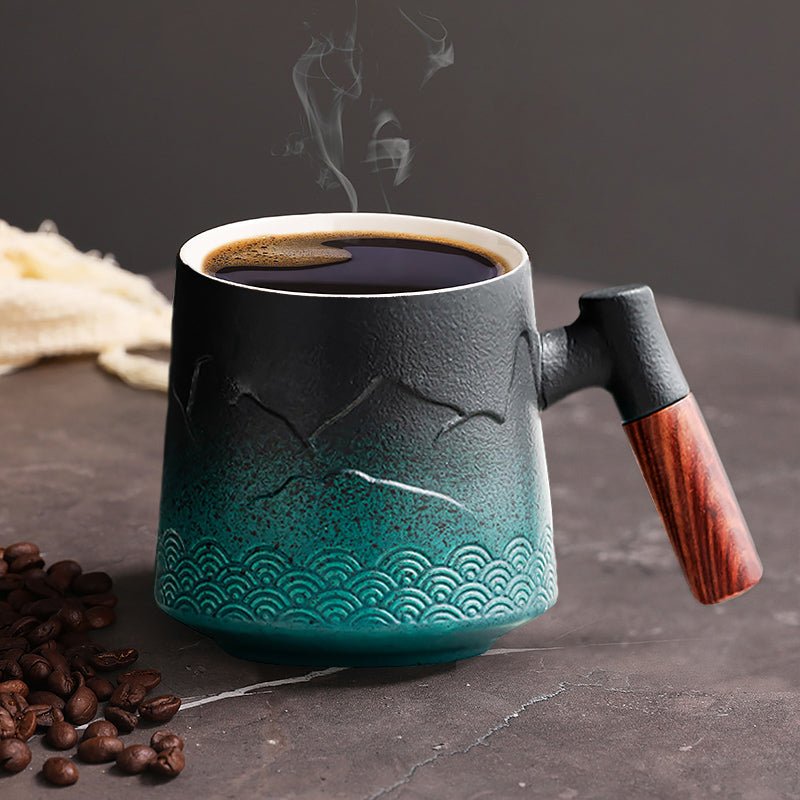
Coffee Mug with Handle: What to Check Before You Buy
A coffee mug with handle should feel steady on a desk, comfortable in the hand, and easy to clean after repeated use. We cover the material, handle fit, and care details that separate a mug you kee...
Leer más
Cool Coffee Mug Buyer’s Guide: Materials, Sizes, and Features
A practical guide to choosing a cool coffee mug that looks good on the desk and still holds up in daily use. We cover material, size, care, and the details that separate a giftable mug from a regre...
Leer más
Dejar un comentario
Este sitio está protegido por hCaptcha y se aplican la Política de privacidad de hCaptcha y los Términos del servicio.