
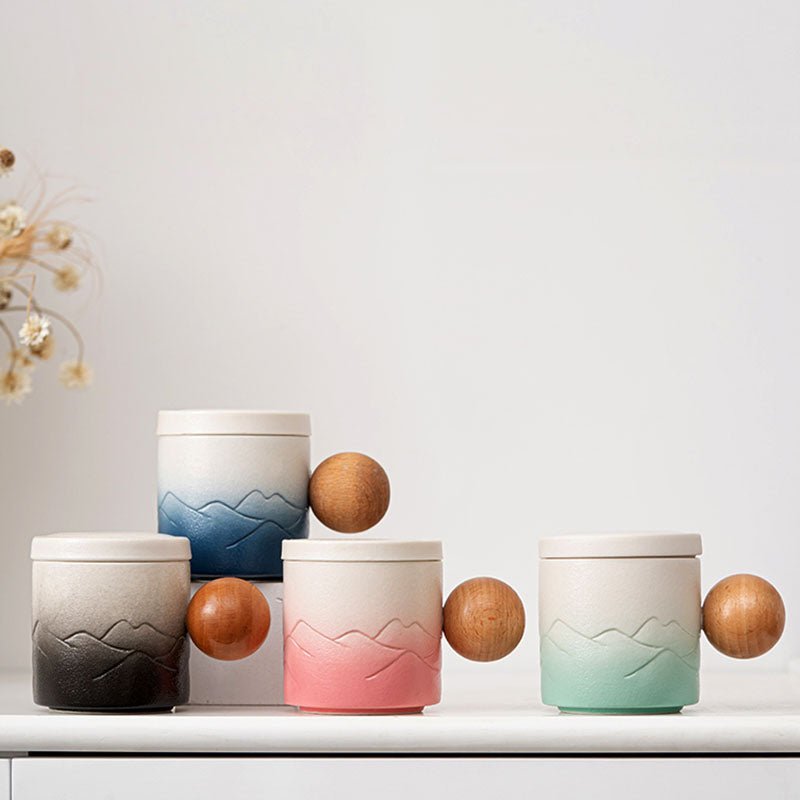
Best Mugs for Coffee: How to Choose the Right Mug for Daily Use
Reading time: about 10 minutes
A mug can look perfect in a product photo and still feel wrong at 7 a.m. If the handle is cramped, the base wobbles on the counter, or the coffee cools too fast, that mug stops being a favorite quickly. That is the real test for the best mugs for coffee.
In our store, we pay attention to the details buyers actually live with: how the mug sits on a desk, how the rim feels on the lips, and whether the shape makes a second cup easy or awkward. The right choice depends on how you drink coffee, not just how the mug photographs.
What makes a mug good for coffee every day?
The best daily coffee mug usually does four things well: it keeps heat reasonably stable, feels secure in the hand, pours cleanly at the lip, and survives routine washing without becoming annoying to use. That sounds basic, but those are the points that separate a mug you reach for every morning from one that gets pushed to the back of the cabinet.
We look for a few concrete details before we recommend a mug for daily use:
- Wall thickness: thicker walls generally hold heat better, but they also make the mug heavier.
- Handle clearance: your fingers should fit without scraping the body of the mug, especially if you have larger hands.
- Flat base: a mug that sits flat is safer on a kitchen counter, office desk, or tray.
- Rim finish: a smooth, even rim matters more than people expect. Rough spots show up fast in daily use.
- Interior glaze: a well-finished interior is easier to rinse and less likely to hold coffee residue.
For most shoppers, the real trade-off is heat versus comfort. A heavier stoneware mug can feel substantial and hold warmth better, but a lighter mug is easier to lift and less tiring if you sip slowly while working. If you want a more size-focused comparison, our guides on 12 oz Coffee Mugs: How to Choose the Right Mug for Daily Use and 16 oz Coffee Mugs: How to Choose the Right Mug for Daily Use break down what fits typical home brewing patterns.
Which mug shape works best for coffee?
Shape changes how a mug feels before the coffee ever reaches your lips. A wider opening cools faster and can feel better for milk drinks. A narrower opening tends to hold aroma a little more closely and keeps heat in longer. Sculpted sides can improve grip, but they may not stack as neatly as simpler cylinders.
| Shape | Best for | Trade-off |
|---|---|---|
| Straight-sided | Simple daily coffee, easy storage, familiar feel | Can feel plain and may lose heat a little faster if the walls are thin |
| Tapered | Holding aroma a bit longer, a more refined hand feel | Sometimes less stable if the base is narrow |
| Wide-mouth | Milk drinks, quicker cooling, latte-style drinks | Not ideal if you want coffee to stay hot for a long sit at the desk |
| Sculpted or ribbed | Better grip, more visual character, giftable presentation | Can be less stackable and may show glaze variation more clearly |
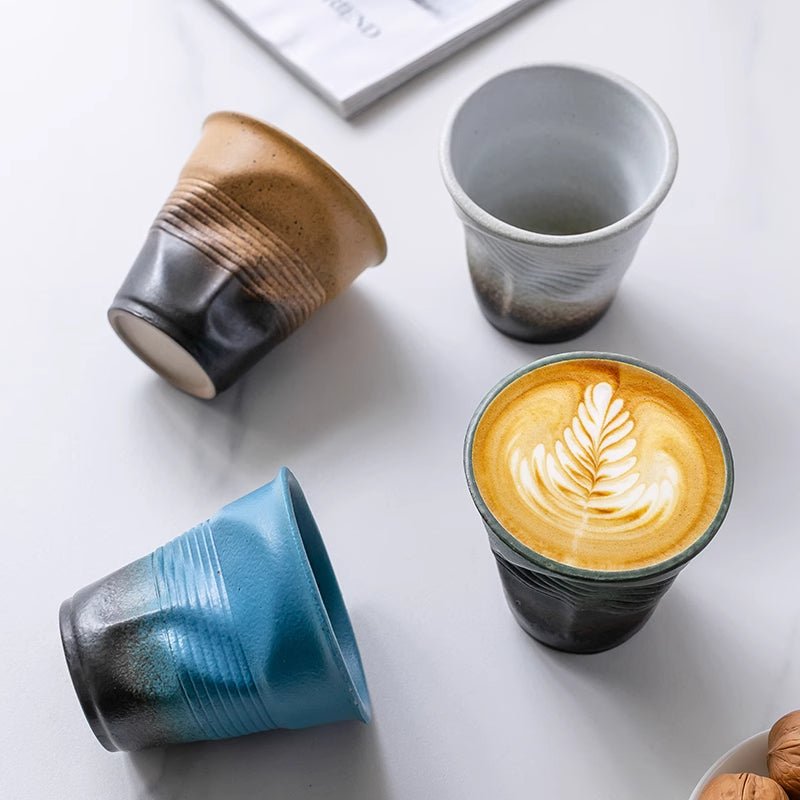
If you like a mug that gives your hand a little texture, our Pleated Coffee Tea Cup has a ribbed body that feels more secure to hold than a smooth cylinder. If you want something softer and more gift-ready, the Golden Waves Kio Coffee Tea Mug brings a more sculptural profile. For a relaxed, organic look that still feels at home on a kitchen counter or office desk, the The Flow Coffee Tea Mug is the kind of shape people keep reaching for.
None of those shapes is perfect for every buyer. The ribbed cup is not the best choice if you want a fully minimal, stackable set. The more decorative mugs are not the first pick if you need a rugged workhorse for a shared break room. That is normal. Good coffee mugs solve a specific use case, not every use case.
If you want to compare the full mix of current styles before deciding, browse our all mugs collection.
What size should you buy for your coffee routine?
Size is where many buyers overbuy. A mug that is too large can make a standard pour look small and cool more slowly than you want to drink it. A mug that is too small pushes people into constant refills. The sweet spot depends on whether you drink black coffee, add milk, or pour a larger home brew into one cup.
For a lot of households, these are the practical size buckets:
- 12 oz: a classic daily size for drip coffee or a straightforward pour from a home brewer.
- 14 oz: a little more room for milk, cream, or a slightly bigger morning pour without feeling oversized.
- 16 oz: good for longer desk sessions, larger home servings, or people who dislike refilling.
- 20 oz: best for big pours, but it can feel heavy and is usually more mug than many espresso or cappuccino drinkers need.
If you are still deciding between those sizes, our related guides on 12 oz Coffee Mugs: What to Check Before You Buy, 14 Ounce Coffee Mugs: Size, Fit, and Buying Guide, and 20 Ounce Coffee Mugs: Fit, Shape, and Buying Guide are useful next reads. They help separate what sounds convenient from what actually fits on a real shelf, under a cabinet, or beside a laptop.
Our practical view: buy the smallest size that comfortably covers your usual pour. That keeps the mug easier to hold, easier to store, and more versatile if you switch between black coffee and milk drinks. Oversized mugs are not bad. They are just not always the best choice for a daily routine.
Which materials and finishes are easiest to live with?
Most buyers end up choosing ceramic, stoneware, or porcelain because those materials balance cost, weight, and everyday durability well. The best one depends on the way the mug will actually be used.
- Ceramic and stoneware: usually feel substantial, tolerate daily table use well, and suit home kitchens and office desks.
- Porcelain: tends to feel a little lighter and more refined, but it can be less forgiving if it knocks against a sink or another mug.
- Glossy glaze: usually wipes clean more easily and is a safer choice if you want low-maintenance cleanup.
- Matte finish: can look elegant, but it may show coffee oils, utensil marks, or surface wear more readily over time.
There is no finish that wins every category. A matte exterior may photograph beautifully and feel great in hand, yet it can ask for a little more care. A glossy mug is easier to keep looking clean, but some buyers find it less tactile. In our experience, the mug that lives longest in a kitchen is the one that matches the user’s habits, not the one that looks the most dramatic online.
Two common mistakes show up again and again. First, a mug with a thin wall can cool quickly on a cold morning, especially if you sip slowly. Second, a decorative mug with a narrow foot can wobble on a slightly uneven counter. Those are small problems that become daily annoyances.
How do you check a mug before buying online?
We look for the same failure points every time we review a mug for our store. The details are small, but they tell you a lot about how the mug will feel after a week of real use.
- Check the handle from the side. It should look open enough for an adult hand, not just from the front photo.
- Look at the base. A clean, flat foot ring helps the mug sit securely on a desk or counter.
- Inspect the rim. The drinking edge should look smooth and even, without visible roughness or chips.
- Read the care notes. If a mug needs hand washing, make sure that fits your routine before you buy.
- Study the interior glaze. Uneven coating inside a mug can make staining and cleaning harder over time.
The defect modes we watch for are predictable: hairline cracks near the handle join, an uneven glaze line around the foot, a tiny wobble caused by an off-center base, or a rough lip that you notice every sip. These are not dramatic flaws, but they are the ones that create returns and disappointment.
In our store, we prefer a mug that feels slightly boring in the right places and interesting in the right places: stable base, smooth rim, comfortable handle, and enough character to enjoy seeing it every morning.
If a mug will live on a shared office shelf or next to a keyboard, durability and ease of cleaning matter more than decorative flair. If it is meant as a gift, presentation matters too, but the mug still has to function well after the wrapping paper is gone.
Which mugs are better for gifts, and which are better for daily use?
Gift mugs and workhorse mugs overlap, but they are not identical. A gift mug can afford to be more distinctive. A daily mug needs to disappear into the routine in a good way.
- Best for gifts: sculptural profiles, visible texture, and a more finished look on a shelf or in an unboxing.
- Best for daily use: comfortable handles, stable bases, and a shape that still feels easy at 6 a.m.
- Best for office desks: shapes that are easy to set down quickly without tipping and are simple to rinse out.
- Not ideal for daily use: overly large mugs that feel heavy when full or novelty shapes that are awkward to hold with one hand.
That is why a mug like the Golden Waves Kio Coffee Tea Mug can make sense as a gift: it has a more considered profile and feels intentional on display. On the other hand, if your buyer wants a mug that disappears into the morning routine, the more tactile Pleated Coffee Tea Cup or the smoother The Flow Coffee Tea Mug may be the better fit.
The key limitation is simple: a beautiful mug is not automatically the best coffee mug. If the handle does not fit well or the mug feels awkward after repeated use, the novelty wears off fast.
Frequently asked questions
What size mug is best for coffee at home?
For most home coffee drinkers, 12 oz to 16 oz is the most practical range. A 12 oz mug works well for a standard cup of drip coffee, while 16 oz gives you more room for milk or a larger pour. If you usually refill often, smaller can actually feel better than oversized.
Are thicker mugs better for hot coffee?
Thicker mugs usually hold heat longer and feel more substantial in the hand. The trade-off is weight, so they can feel heavy if you sip slowly or carry the mug from room to room. For desk use, thicker often works well; for casual one-handed use, balance matters more.
What should I check before buying a mug online?
Check the handle clearance, base stability, rim finish, interior glaze, and care instructions. Those details tell you more about day-to-day usability than the styling alone. If the product photos do not show the mug from the side, that is a sign to look closer.
Are decorative mugs good for everyday coffee?
Sometimes, yes, but only if the handle, rim, and base are practical. Decorative mugs can be a good choice if you want something that feels more personal on a kitchen shelf or office desk. They are not ideal if the shape makes the mug awkward to hold or clean.
What type of mug is not good for coffee on a desk?
Very large mugs, narrow-bottom mugs that wobble, and mugs with rough rims are usually poor desk choices. A desk mug should sit flat, be easy to lift with one hand, and not crowd your workspace. If you drink while typing, comfort and stability matter more than capacity.
If you are deciding right now, use a simple checklist: pick the size that matches your usual pour, choose a shape that feels secure in your hand, and make sure the mug sits flat and cleans easily. Then compare the current styles in our all mugs collection against the size guides for 12 oz and 16 oz mugs before you choose.
Read more
Big Tea Cup Buying Guide: What Size and Shape Work Best
A practical guide to choosing a big tea cup that fits real daily use: capacity, material, comfort, and the trade-offs we see in store.
Leer más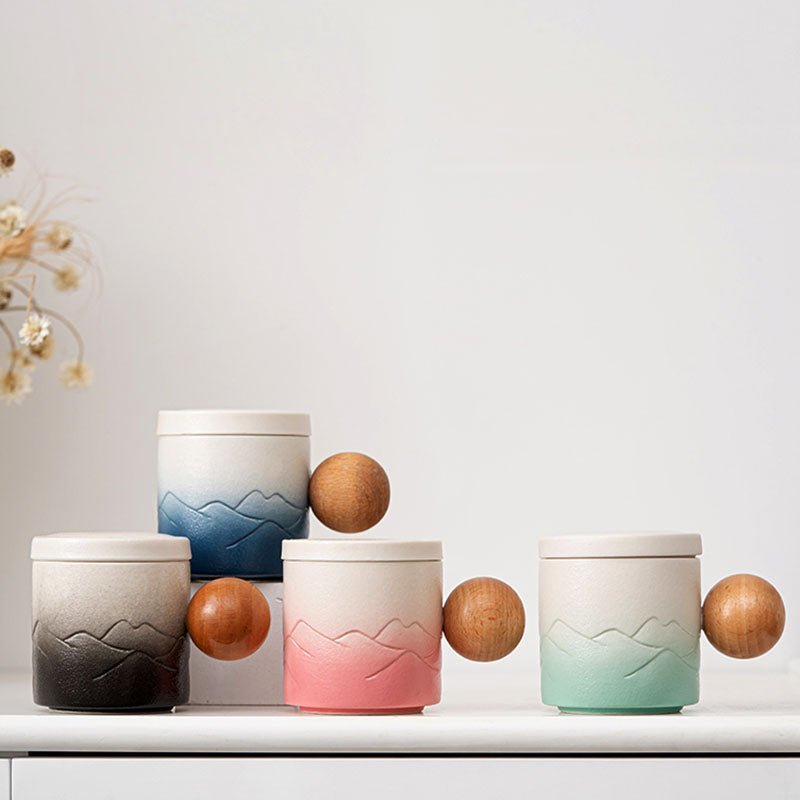
Mug Wood Buying Guide for Daily Use and Better Fit
A mug wood setup changes grip, heat, and care in ways a plain ceramic cup does not. We compare what works for daily coffee, what to avoid, and which CoffeifyMug options make sense.
Leer más
Dejar un comentario
Este sitio está protegido por hCaptcha y se aplican la Política de privacidad de hCaptcha y los Términos del servicio.