
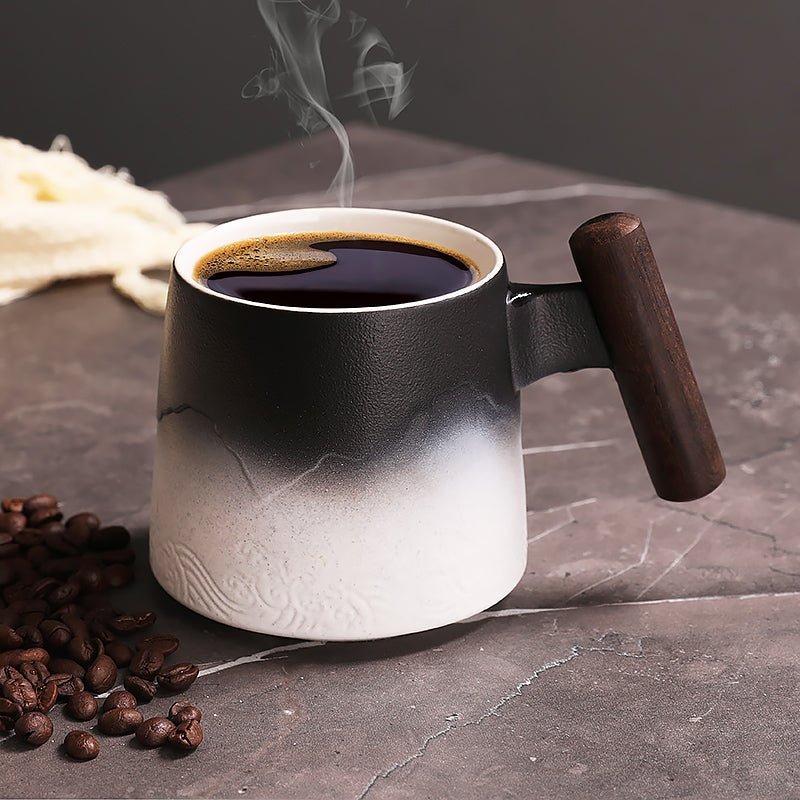
Best Mugs for Coffee: How to Choose Size, Material, and Fit
Reading time: about 9 minutes
A mug that looks right on a shelf can still fail at 7 a.m. if the handle pinches your fingers, the cup is too tall for your machine, or the last sip goes cold before you finish it. We see those trade-offs often in our store, and the best mugs for coffee are the ones that fit the way you actually drink.
The right choice usually comes down to five things: size, material, handle comfort, rim feel, and how you plan to clean it. A great everyday mug on a kitchen counter is not always the best pick for an office desk, a gift box, or a brew that needs to stay hot longer. That is why we treat mug shopping as a use-case decision, not just a style decision.
What actually makes a mug good for coffee?
A good coffee mug does more than hold liquid. It should pour comfortably to the lip, sit flat on a counter, and feel balanced once full. In practice, that means the base should be stable, the handle should leave enough room for two fingers, and the wall thickness should match the drinking experience you want.
Three details matter more than most shoppers expect:
- Rim shape: A smooth, even rim makes black coffee and milk drinks easier to sip without drips.
- Base stability: A mug that rocks slightly on a desk becomes annoying fast, especially near a laptop or notebook.
- Wall thickness: Thicker walls usually hold heat longer, but they also add weight and can make the mug feel bulkier in the hand.
There is no single perfect mug. A compact mug can be ideal for espresso-based drinks, while a wider cup is better for pour-over or a larger filter coffee. If you want the broader category first, start with our collection of mugs and narrow from there.
Which size fits your coffee routine?
Size is the fastest way to narrow the field. If you overbuy here, you usually end up with a mug that feels too empty for your pour or too large to fit under a brewer. If you want a deeper breakdown on specific capacities, our guides to 8 ounce coffee mugs, 12 oz coffee mugs, 16 ounce coffee mugs, and 20 oz coffee mugs go into fit and use cases in more detail. If you are comparing large options specifically, our buyer’s guide to large capacity coffee mugs is worth reading before you order.
| Size | Best for | Main trade-off |
|---|---|---|
| 8 oz | Espresso drinks, small pours, compact cabinets | Too small for milk-heavy drinks or large drip coffee |
| 12 oz | Everyday coffee, most drip brews, balanced hand feel | Can feel limited if you routinely drink large lattes |
| 16 oz | Big home pours, long office sessions, generous iced coffee | Heavier when full and may crowd smaller mug racks |
| 20 oz | Long drinks, extra milk, people who sip slowly | Can be bulky and is not ideal for smaller brewers or short pours |
Our practical rule is simple. If you drink a standard cup at home, 12 oz is usually the most flexible. If you regularly top off with milk or want one mug for a larger morning brew, 16 oz makes sense. If you prefer a lighter, more concentrated cup, 8 oz is often the better fit. A 20 oz mug is useful, but it is not the right answer for every counter or every hand.
Which material should you choose?
Material changes the way the mug feels, how it holds heat, and how it behaves in daily use. We see shoppers focus on style first, then notice the practical difference once they start using the mug on a real kitchen counter or desk.
- Ceramic: Common, familiar, and usually comfortable for everyday coffee. It tends to feel substantial without being overly fancy. The downside is that ceramic can chip at the rim or base if it is knocked against a sink or stacked carelessly.
- Stoneware: Heavier and often more durable-feeling than lighter ceramic. It is a good match for a kitchen mug that stays put, but the extra weight can be noticeable if you carry it around the office all day.
- Porcelain: Often thinner and lighter, with a cleaner drinking feel. It suits people who like a refined cup, but it can be less forgiving if you are rough on dishes or have crowded shelves.
- Stainless steel: Strong temperature retention and good durability. It is useful for a desk, patio, or travel-adjacent setup, but it does not give the same classic coffee feel as ceramic and is not microwave-safe.
Material also affects cleanup. A glossy ceramic glaze is usually easy to wipe down after a dishwasher cycle, while matte finishes can show coffee marks faster. If a mug has metallic decoration or mixed materials, check care instructions before putting it in the microwave or dishwasher. That single step prevents a lot of buyer regret.
What details should you inspect before ordering online?
Photos can hide the parts that matter most. In our experience, the difference between a mug you use every day and one that sits in the cabinet usually comes down to small physical details.
- Handle opening: Make sure the opening is wide enough for your fingers without forcing your grip. A handle that looks elegant in photos can feel cramped in the hand.
- Foot and base: A flat, well-finished base helps the mug sit steady on a desk or tray. A slightly uneven base is one of the easiest quality issues to miss online.
- Rim finish: The lip should feel smooth. A rough rim or a tiny glaze bump can be surprisingly annoying when you use the mug every morning.
- Interior shape: A narrower interior can help retain heat, while a wider opening makes it easier to add milk or foam.
- Care notes: Dishwasher-safe and microwave-safe are useful, but only if the whole mug is designed for that use. Decorative accents can change the answer.
Common defect modes to watch for are simple: a wobbly base, a sharp spot on the rim, a handle that flexes oddly, or hairline cracks near the join between handle and body. Those issues matter more than a pretty pattern. A mug should feel solid the first time you pick it up.
Which mug works best for home, office, or gifting?
Different buying situations call for different priorities. A mug for your own kitchen can be more personal. A mug for an office desk or a gift box needs broader appeal.
| Use case | Best mug style | Why it works |
|---|---|---|
| Home brewing | 12 oz or 16 oz ceramic or stoneware | Comfortable in the hand, easy to wash, good for drip coffee and milk drinks |
| Office desk | Stable 12 oz or 16 oz mug with a strong handle | Less likely to tip, easier to sip between tasks, better for daily use |
| Gifting | Clean, neutral design in a mid-range size | Safer choice for unknown drink preferences and kitchen space |
| Long sipping sessions | 16 oz or 20 oz mug | Better for people who want fewer refills and a larger pour |
For gifts, we usually recommend avoiding anything too oversized or too novelty-driven unless you know the person well. A practical mug that feels comfortable in hand usually gets used more than a statement piece. That matters in real life, not just in photos.
For home brewing, the best mug is often the one that matches your brewer and counter space. If your drip machine sits under a low cabinet, a tall mug can be frustrating. If you pour from a kettle by hand, a wider opening can make cleanup and refills easier.
What are the most common buying mistakes?
A lot of mug dissatisfaction comes from mismatched expectations, not bad design. These are the mistakes we see most often:
- Buying a 20 oz mug for every drink, then realizing it feels too heavy for quick coffee breaks.
- Choosing a very small mug for milk drinks and ending up with a cup that overfills easily.
- Picking a mug with a narrow handle that works on a product page but feels awkward with larger hands.
- Expecting stainless steel to deliver the same sipping experience as ceramic.
- Ignoring height and shelf clearance, then finding the mug does not fit under a machine or in a cabinet stack.
The right mug is not just the biggest one or the prettiest one. A 12 oz ceramic mug can be a better daily tool than a huge 20 oz cup if your coffee routine is short and simple. On the other hand, if you spend the morning at a desk and refill often, a larger mug may be the practical choice even if it feels less refined.
Trade-off to keep in mind: a mug that keeps coffee hot longer is often heavier, and a mug with a thinner, more elegant rim can be a little more delicate. Decide which side matters more to you before you buy.
Frequently asked questions
What size mug is best for coffee?
For most people, 12 oz is the safest everyday choice. It fits standard drip coffee well and does not feel oversized on a kitchen counter. If you prefer larger pours or milk-heavy drinks, 16 oz is often a better fit.
Are ceramic mugs better than stainless steel for coffee?
Ceramic is usually better if you want a classic coffee feel, easy cleanup, and a mug that works well on a table or desk. Stainless steel is better for durability and heat retention, but it is not microwave-safe and it changes the drinking experience.
Is a 16 oz mug too big for daily coffee?
Not if you regularly drink larger pours, iced coffee, or lattes. It can feel oversized for a small black coffee, though, and it may take up more cabinet space. If your routine is simple, 12 oz may feel more natural.
What should I check before buying a coffee mug online?
Check the size, material, care instructions, and handle shape first. If the product photos include dimensions, compare them to your brewer, cabinet, and hand size. That saves you from buying a mug that looks right but does not fit your routine.
Are bigger mugs always better for coffee?
No. Bigger mugs are useful if you want fewer refills, but they can be heavier, harder to store, and less comfortable for smaller servings. A well-sized mug is usually the better buy than the largest one available.
If you are comparing options now, start with the size that matches your daily pour, then check the material and handle next. From there, browse our full mug collection or review the current selection on our products page so you can narrow to the mug that actually fits your coffee routine.
More from our blog
Read more
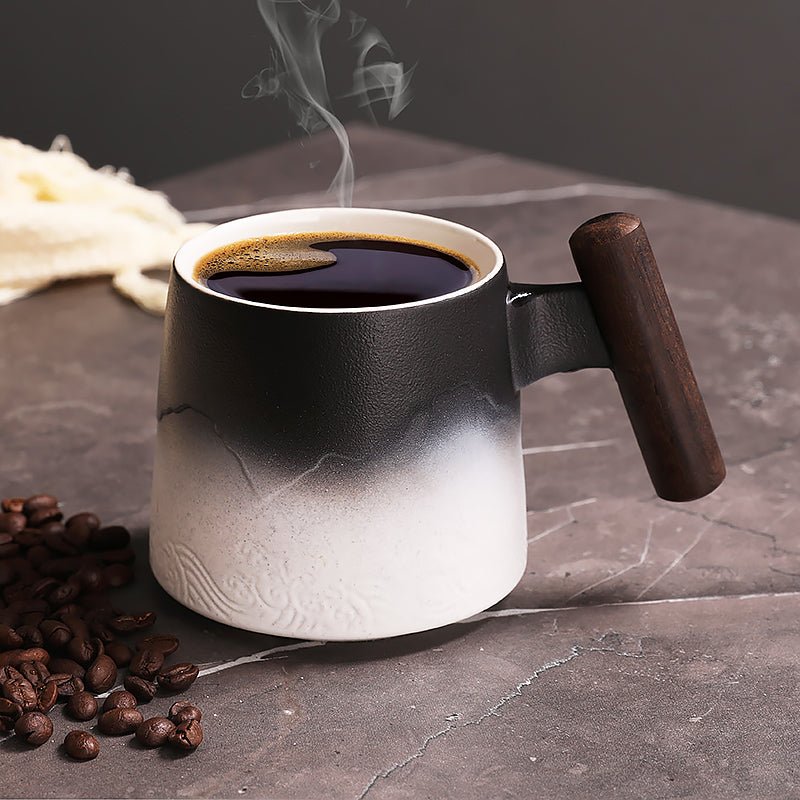
Yeti Rambler Coffee Mug: What Buyers Should Check Before Ordering
A practical look at the yeti rambler coffee mug, including size fit, lid style, cleaning, and the trade-offs that matter before you buy.
Leer más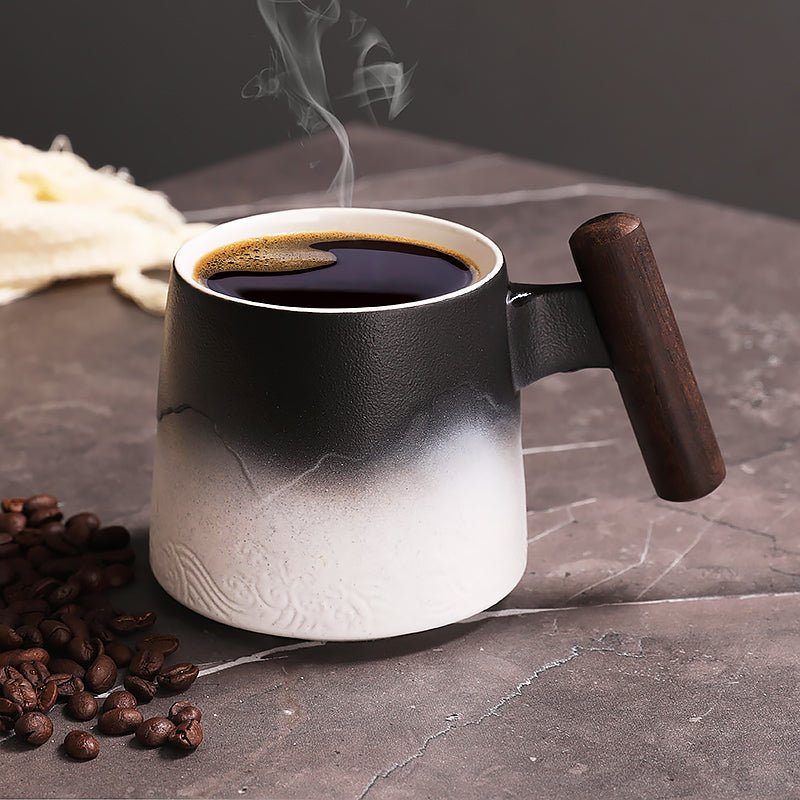
Coffee Mug Heater Buyer's Guide: Fit, Features, and What to Avoid
A coffee mug heater only works well when the mug base, material, and warmer surface match. We cover the setups that keep coffee drinkable longer, plus the cases where a mug warmer is the wrong buy.
Leer más
Dejar un comentario
Este sitio está protegido por hCaptcha y se aplican la Política de privacidad de hCaptcha y los Términos del servicio.