
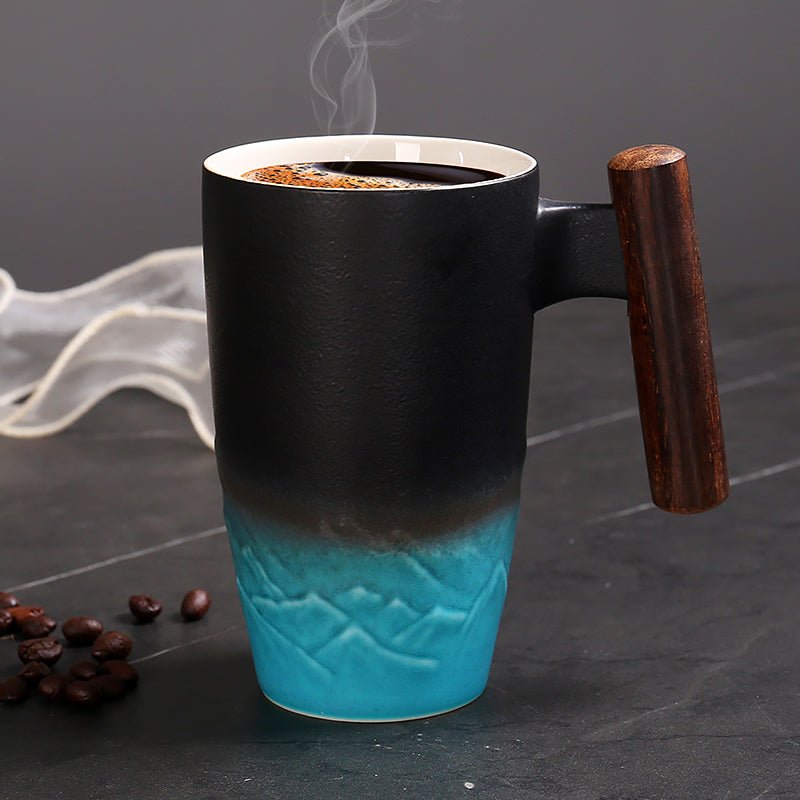
A buyer's guide to large capacity coffee mugs
Reading time: about 8 minutes
Large capacity coffee mugs sound simple until you live with one. A mug that feels perfect in a product photo can become awkward once it is full, too wide for the shelf, or less comfortable than a slightly smaller shape. The right pick usually depends less on the headline ounce count and more on how the mug behaves in a real kitchen, at a desk, and through repeated daily use.
Best next step if you want a large capacity mug now
If you are here because you want a bigger mug you can actually use every day, these are the fastest routes from this page:
- Pick a Mug Fast if you want the shortest compare before choosing.
- Start with the Landscape Tall Mug if you want a taller 350 ml option for desks, shelves, and longer coffee sessions.
- Try the 2-Mug Starter Set if you are deciding between a broader everyday mug and a taller profile.
- Open the Product Image Gallery if you want a clean visual check before using a cart route.
What counts as large capacity for daily use?
For most shoppers, “large capacity” usually starts once a mug feels meaningfully bigger than a standard daily cup. In practical terms, that often means the mug needs to hold enough coffee for a longer morning, enough room for milk, or enough tea for a slower desk session without feeling like a novelty bowl.
The mistake buyers make is chasing the biggest number instead of the best balance. A larger mug gives you fewer refills, but it also brings more weight, more surface area for heat loss, and more demand on handle comfort. That is why the best large-capacity mug is usually the one that still feels easy on an ordinary weekday, not just the one that looks biggest online.
What details change the experience most?
Capacity matters, but comfort matters more once the mug is full. When we compare larger mugs, these are the details that usually decide whether a mug becomes a favorite or ends up unused:
- Handle clearance: enough room for a natural grip without your knuckles pressing into the body.
- Body height and width: the shape affects shelf fit, drink cooling, and how stable the mug feels at a desk.
- Wall thickness: thicker walls can feel steadier, while thinner walls may feel lighter but less substantial.
- Base stability: a larger mug should still sit flat and calm on a countertop or keyboard-side desk.
- Cleaning reality: the mug should be easy to rinse, wipe, and live with, not just nice in a styled photo.
Which type of large mug fits which buyer?
Different “large mug” shoppers usually want different things, even if they start from the same search phrase.
- Desk and shelf buyers: usually do best with a taller mug that keeps a cleaner footprint and reads well beside a laptop or shelf edge.
- All-purpose daily-use buyers: often want the safest shape that still feels roomy without getting awkward when full.
- Gift buyers: need a mug that looks substantial but still feels broadly usable, not overly specialized.
- Visual-first buyers: often need product photos before they trust the shape and scale enough to add it to cart.
If you are still narrowing that down, Pick a Mug Fast is usually a better next move than jumping straight into a generic collection.
What should you check before ordering?
| Check | Why it matters | What to look for |
|---|---|---|
| Real use case | Prevents buying by size label alone | Desk use, shelf use, gifting, or longer at-home coffee sessions |
| Grip comfort | Decides whether the mug feels good once full | Enough handle room and a balanced lift |
| Footprint | Affects shelf and counter fit | A shape that still works where you actually keep mugs |
| Visual confidence | Reduces guesswork before buying | Clear product images and angle views |
| Comparison path | Makes the final choice easier | A direct compare route instead of a broad catalog dump |
Best follow-up routes from this guide
- Landscape Tall Coffee & Tea Mug if you want the taller large-mug route first.
- Round Ceramic Coffee Mug if you want the safest broad-use shape first.
- Product Image Gallery if you want a cleaner visual decision route.
- Coffee Mug Size Guide if the main question is still capacity fit.
Frequently asked questions
Is a large capacity mug always better for daily coffee?
No. It is better only if the larger size actually matches how you drink. Some buyers want fewer refills, while others end up with a mug that feels too heavy or lets coffee cool too fast.
What matters more than the ounce count?
Handle comfort, base stability, shape, and how the mug fits on a shelf or desk usually matter more than the number alone.
What is the fastest route if I want a big mug now?
Pick a Mug Fast is the shortest compare route. If you already know you want the taller option, start directly with the Landscape Tall Mug cart route.
What if I want to compare two shapes instead of guessing?
The 2-Mug Starter Set is the cleanest way to compare a broader everyday mug with a taller profile.
Read more
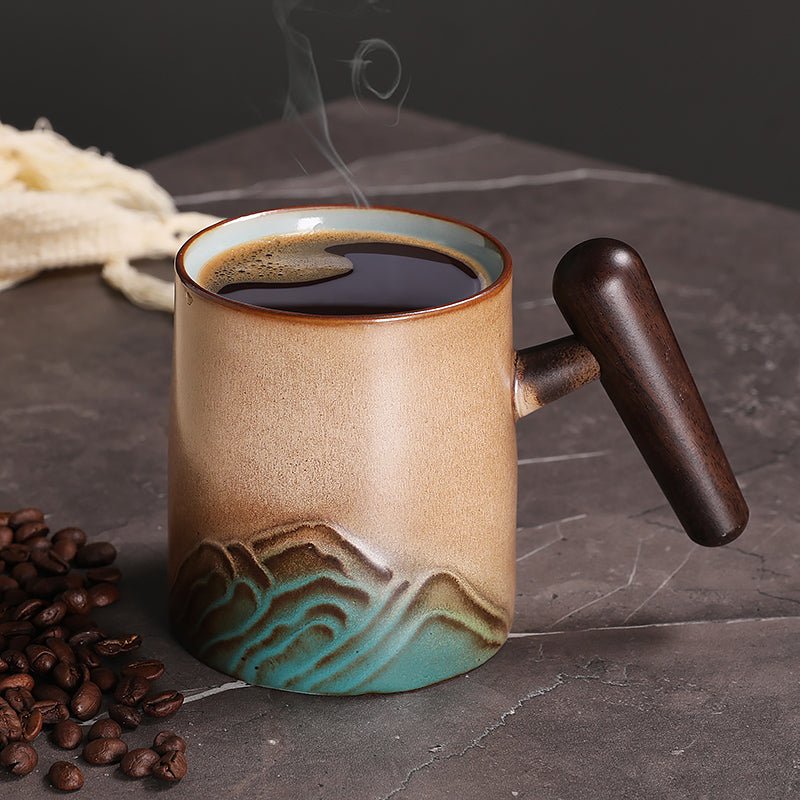
20 oz Coffee Mug: What to Check Before You Buy
A 20 oz coffee mug fits the way many people actually drink coffee: a larger first pour, room for milk, and less refilling at a desk. We break down what matters before you buy, including materials, ...
Leer más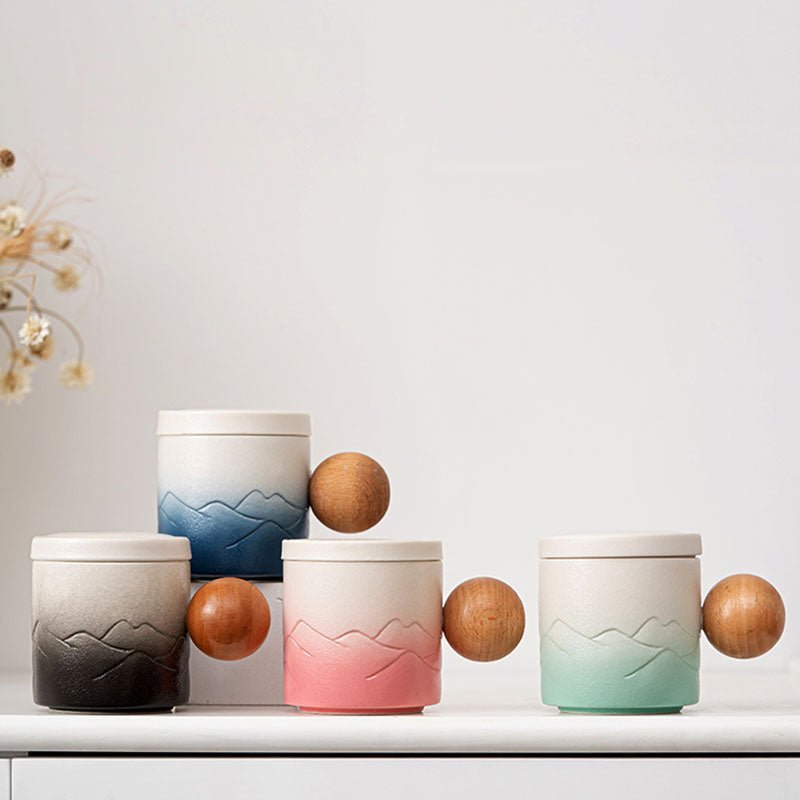
Christmas Coffee Mugs: How to Choose Gifts, Sets, and Everyday Favorites
A practical guide to christmas coffee mugs with real buying trade-offs, gift ideas, and the details that matter on kitchen counters and office desks. We break down materials, sizes, care, and which...
Leer más
Dejar un comentario
Este sitio está protegido por hCaptcha y se aplican la Política de privacidad de hCaptcha y los Términos del servicio.