
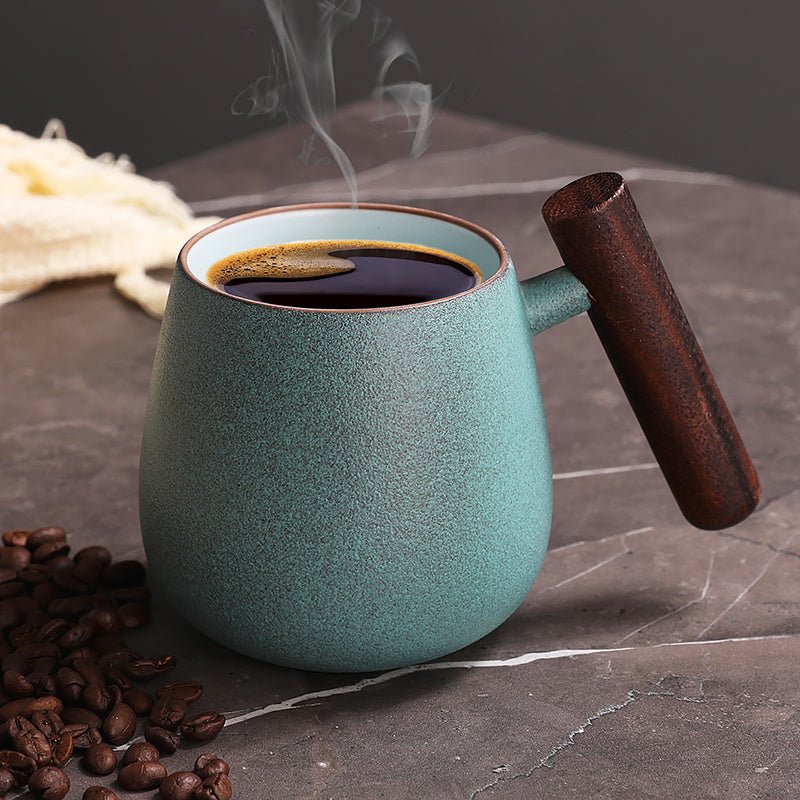
8 oz Coffee Mug: What to Check Before You Buy
Reading time: about 9 minutes
An 8 oz coffee mug feels right the moment you set it next to a full-size desk mug. It sits lower on the counter, takes less space in the cabinet, and keeps a smaller pour from looking lost in a giant cup. For a lot of shoppers, that is the whole point.
We see this size picked most often by people who want a smaller daily cup, a neat office mug, or a gift that does not feel oversized. Our team handles these mugs in real kitchen and shelf setups, so we pay attention to the things shoppers actually notice: balance in the hand, lip shape, handle room, glaze finish, and how easily a mug fits under a drip machine or beside an espresso setup.
If you are comparing compact options, this guide will help you decide if an 8 oz coffee mug is the right size for your routine, and which details matter more than the product photos.
What does an 8 oz coffee mug actually hold?
An 8 oz mug is meant for a smaller serving. In practical use, that usually means a short coffee pour, a tea serving, or a smaller hot chocolate portion. It is not built for the same fill level as an 11 oz or 12 oz mug, and that difference matters more than people expect.
In our experience, shoppers often overestimate how much coffee they drink in one sitting. If you usually refill once, a smaller mug can feel satisfying without getting cold halfway through. If you tend to sip for a long time at a desk, though, a bigger mug may be the better match. If you are still comparing sizes, our related guides on 10 oz Coffee Mug: Size, Fit, and What to Check Before You Buy and 12 oz Coffee Mugs: How to Choose the Right Mug for Daily Use show where that extra capacity starts to matter.
Who is an 8 oz coffee mug best for?
This size works well for a few common buyers:
- Small coffee drinkers who want a modest pour instead of a large cup.
- Tea drinkers who prefer a mug that feels balanced with a single serving.
- Gift buyers who want a compact mug that is easy to wrap, ship, and store.
- Desk users who want less clutter and a cup that does not dominate a work surface.
- People with smaller hands who prefer a lighter, easier-to-hold mug.
It is not the best choice for someone who fills a mug to the top and takes it through a long morning. It also may not be ideal if you add a lot of milk, foam, or mix-ins, because the usable space disappears quickly. That is one of the biggest trade-offs with any compact mug: it feels tidy, but it leaves less room for customization.
What details matter most before you buy?
Size is only the starting point. We look at the mug like it will actually be used: on a kitchen counter, at an office desk, in the dishwasher, and in a cupboard that gets opened every day.
Here are the details that deserve attention:
| What to check | Why it matters | What we look for |
|---|---|---|
| Material | Changes heat retention, weight, and feel | Ceramic or porcelain for a solid daily mug feel |
| Rim shape | Affects drinking comfort | A smooth rim that does not feel sharp or bulky |
| Handle size | Determines whether two fingers fit comfortably | A handle with enough opening for easy grip |
| Glaze finish | Impacts appearance and cleaning | A consistent finish without rough spots or pinholes |
| Base stability | Reduces tipping on desks and trays | A flat, steady base that sits securely |
We also check for common defect modes that shoppers do not always notice in photos: uneven glaze pooling, tiny bumps at the rim, warped bases that rock slightly, and handles that look good but feel tight in the hand. Those small flaws are the difference between a mug you keep reaching for and one that gets pushed to the back of the cabinet.
How does an 8 oz mug compare with 10 oz, 11 oz, and 12 oz sizes?
The jump from 8 oz to 10 oz is small on paper, but it changes everyday use more than people expect. A 10 oz mug gives you a little breathing room for coffee plus milk, while 11 oz and 12 oz sizes are better if you want a standard all-purpose cup.
If you are deciding between sizes, our other articles can help: 11 oz Coffee Mug: Size, Fit, and What to Check Before You Buy and 12 oz Coffee Mug: Size, Fit, and What to Check Before Buying. Those sizes are better if your habit is a fuller pour, especially for drip coffee or drinks with cream and foam.
- Choose 8 oz if you want compact, lighter, and less visually bulky.
- Choose 10 oz if you want a little extra room without moving into a large mug.
- Choose 11 oz or 12 oz if you drink coffee over a longer stretch or prefer standard household sizing.
For buyers who want the smaller profile but still care about everyday usability, the key question is not just capacity. It is how the mug feels when full. Some 8 oz mugs feel pleasantly dense and stable. Others feel too small for an average hand, especially if the handle opening is tight.
Which styles in our store make sense for this size?
At CoffeifyMug, we see certain design styles work especially well in smaller mugs because the mug keeps its shape without feeling heavy or crowded on the table. If you want something that looks composed on a shelf and still works for everyday coffee or tea, these are worth a look.
The Golden Waves Kio Coffee Tea Mug is a good pick if you want a more decorative look with a warm, giftable feel. The The Flow Coffee Tea Mug leans cleaner and more modern, which makes it easy to pair with an office setup or a minimalist kitchen. For shoppers who like a more scenic, grounded design, the Mountain Sea Coffee Tea Mug gives the mug a more story-driven look without feeling overly busy.
These styles are especially useful if the mug is going to be seen on a desk or chosen as a gift. A compact mug with a thoughtful design often feels more intentional than a larger mug that is just filling space.
If you want to compare everything we carry in one place, our all collection is the easiest starting point.
What should you know about care, cleaning, and daily use?
For most shoppers, the real test starts after the unboxing. A mug can look great on a product page and still be annoying to use if it is awkward to wash, stains easily, or feels fragile during a normal dishwasher cycle.
With compact ceramic mugs, we usually recommend checking these everyday habits:
- Rinse soon after use if you drink coffee or tea daily, especially with darker brews.
- Do not slam the mug into a sink or dish rack; smaller mugs can chip at the rim or base if handled roughly.
- Dry it fully before storing to avoid water spots on the glaze.
- Use a gentle sponge on decorated surfaces if the finish is printed or detailed.
- If the mug is dishwasher-safe, place it where it will not get knocked by heavier dishes.
That last point matters. Even a well-made mug can pick up tiny nicks if it is stored tightly packed with plates and bowls. A compact mug is usually easier to store, but that also means it can get lost in a crowded cabinet unless you keep your mugs grouped by size.
What are the trade-offs of buying an 8 oz coffee mug?
The biggest advantage is the scale. It is neat, easier to grip for many people, and a better visual match for smaller servings. The trade-off is that you simply have less room. That becomes obvious if you like lattes, cappuccinos, or coffee with enough milk to push the drink line higher.
We also find that some buyers underestimate how quickly a smaller mug cools if the drink is not sipped right away. That does not make the mug bad. It just means the 8 oz format fits a more specific routine.
If your coffee habit is “pour, sit, and finish,” an 8 oz mug makes sense. If your habit is “pour, answer emails, refill later,” a 12 oz mug is usually the safer buy.
One more limitation: if you want a mug for soups, oatmeal, or oversized lattes, this is not the size to pick. A larger mug or a bowl-style cup will serve you better.
Frequently asked questions
Is an 8 oz coffee mug too small for everyday use?
Not if you usually drink a smaller serving or refill later. For tea, espresso-based drinks, or a modest cup of coffee, it works well. If you want one mug for long sessions at a desk, a 10 oz to 12 oz size is usually more practical.
Can I use an 8 oz coffee mug for tea and hot chocolate?
Yes. It is a comfortable size for tea and for smaller hot chocolate portions. Just keep in mind that drinks with foam, whipped cream, or extra mix-ins can fill the mug quickly.
What material is best for a small coffee mug?
Ceramic and porcelain are the most common choices for this size because they feel sturdy and familiar in daily use. Ceramic usually has a slightly heavier feel, while porcelain often looks a bit finer. If the mug will be used often, check for a smooth rim and a base that sits flat.
Is an 8 oz mug a good gift?
Yes, especially if you know the person likes compact mugs or smaller servings. It is easier to wrap, fits nicely in a kitchen shelf, and usually feels more curated than a large novelty mug. A gift mug with a clean glaze and balanced handle tends to be the safest choice.
How do I know if the handle will feel comfortable?
Look for a handle with enough opening for at least two fingers if that is how you usually hold a mug. A handle can look fine in photos and still feel tight in person, especially on a smaller mug body. If the product photos show the handle shape clearly, compare it to mugs you already use.
What should you check before you place the order?
Before buying an 8 oz coffee mug, we recommend checking five things:
- Capacity: Make sure 8 oz matches your real pour size, not just the label.
- Handle comfort: Confirm the handle looks easy to grip.
- Finish: Decide whether you want a simple everyday glaze or a more decorative look.
- Care: Review cleaning expectations for dishwasher and hand-wash routines.
- Use case: Be honest about whether this is for coffee, tea, a desk, or gifting.
If you want to compare a few styles side by side, start with our all collection, then open the product pages for the designs that fit your kitchen or office setup. If you are still debating size, our guide on 8 oz Coffee Mug: What to Check Before You Buy pairs well with the 10 oz and 12 oz comparison guides above.
From there, pick the mug that matches the way you actually drink, not the way it looks in a photo. That is usually the difference between a mug you use every day and one that just takes up shelf space.
Read more
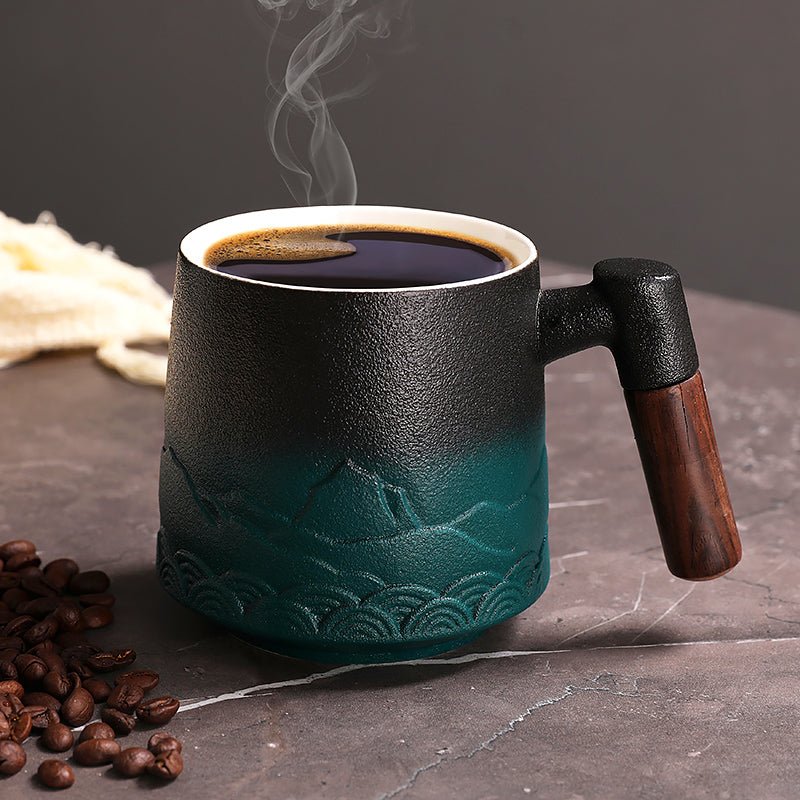
Fiestaware Coffee Mugs: What to Check Before You Buy
A practical buyer’s guide to fiestaware coffee mugs, with the details that matter at the table: size, shape, glaze finish, durability, and what works better if you want a different everyday mug.
Leer más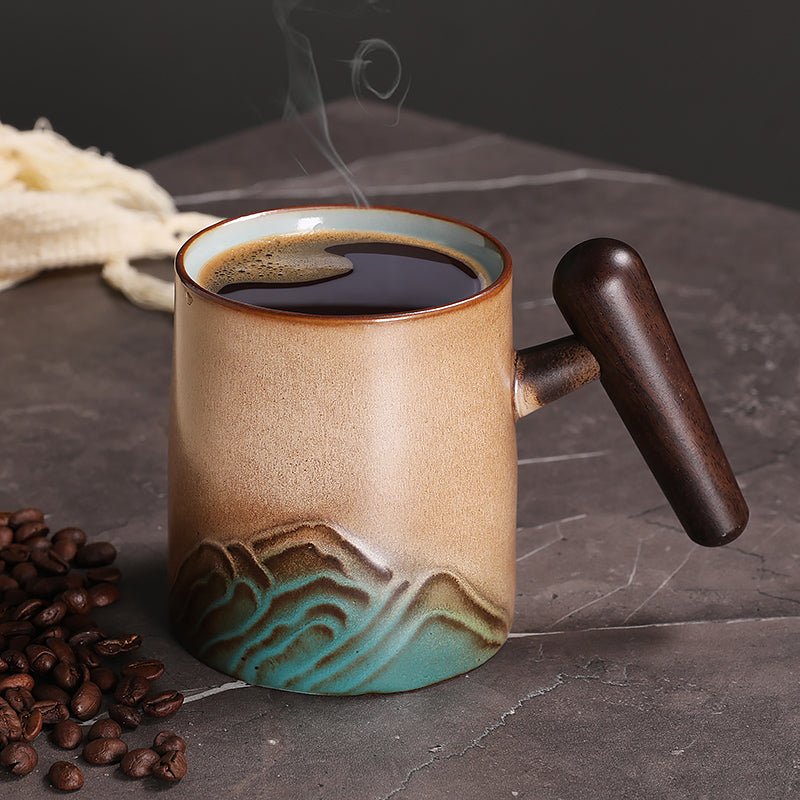
Amusing Coffee Mugs That Get Used at the Desk and in the Kitchen
We see the same pattern over and over: the funniest mug is not always the one that gets used. This guide compares practical sizes, gift use, and three options from our store so you can pick one tha...
Leer más
Dejar un comentario
Este sitio está protegido por hCaptcha y se aplican la Política de privacidad de hCaptcha y los Términos del servicio.