
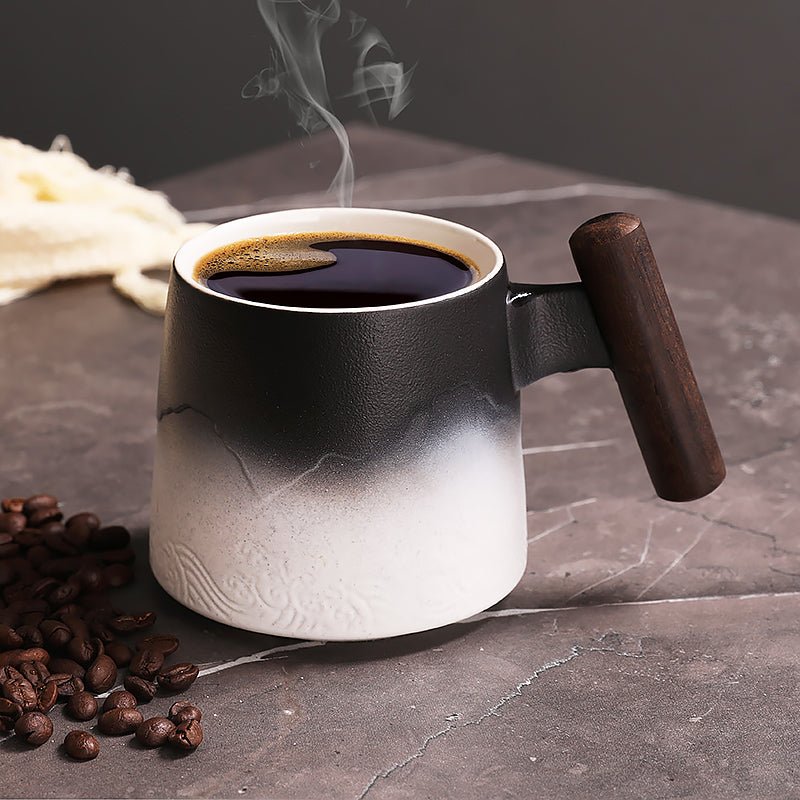
8 oz Coffee Mug: What to Check Before You Buy
Reading time: about 8 minutes
An 8 oz coffee mug looks simple on paper. On a kitchen counter, though, that size changes the whole drinking experience: less headroom for foam, less room for cream, and a faster route to the bottom of the cup. We see buyers choose this size for espresso drinks, smaller drip servings, and desk setups where a big mug feels clumsy.
Best next step if you want an 8 oz mug now
If you are done comparing compact mug size and just want the shortest next route, choose the shopper path, buyer sample path, or forwardable packet now instead of opening more tabs.
- Pick a Mug Fast if you want the shortest compare before choosing a live product or starter set.
- Add the Pleated Cup to cart if you want the easiest smaller-format first order without more reading.
- Open the Museum Shop Mug Sample Set if this visit is really about buyer review, sample review, or retail forwarding.
- Open the Editor & Buyer Asset Packet if you need one forwardable page with live links, product images, and buyer contact details.
If you want the measurement side first, 10 oz coffee mug guide, and 12 oz coffee mug guide can help you compare nearby sizes before using a cart route.
Our team looks at these mugs the same way a real shopper should: how they feel in the hand, how they fit under a machine, how they clean up after repeated dishwasher cycles, and whether the size actually matches the drink you make every day. If you want to compare broader options while you read, our guide to Best Coffee Mug: What Actually Matters for Daily Use is a good companion.
What does an 8 oz coffee mug really hold?
Eight ounces is a modest serving. That is the point. In practical use, an 8 oz mug suits a shorter coffee pour, a cappuccino with room for foam, a flat white, a small tea service, or an americano that you do not want sprawling into a large cup. It is not a good match for someone who fills a mug to the brim and keeps sipping for an hour.
That smaller capacity also changes the geometry of the cup. The liquid sits higher in the mug, so the rim matters more. A thin, comfortable lip makes the drink feel cleaner and more intentional. A thick or uneven rim makes a small mug feel clunky fast.
One thing shoppers often miss: an 8 oz mug can look tiny next to a standard drip brewer, but that does not mean it is impractical. It just means you should buy for the drink, not the display.
Is an 8 oz mug the right size for your daily drink?
For many buyers, yes. For others, no. The right call depends on how you actually drink coffee, not on the label on the box. We usually think about it in these use cases:
- Best fit: espresso drinks, cappuccinos, short drip pours, tasting cups, and small office coffee setups.
- Maybe too small: large milk drinks, people who add a lot of cream, and anyone who wants one mug to cover every pour.
- Not ideal: all-day desk use, long meetings, or oversized mugs that stay warm for a long stretch.
If you are torn between sizes, compare this category with 12 oz Coffee Mugs: What to Check Before You Buy and 16 oz Coffee Mugs: What to Check Before You Buy. That side-by-side thinking matters. Twelve ounces gives you more room for milk and a little less precision. Sixteen ounces is better for a longer sit-down drink, but it is easier to overfill and harder to store neatly.
In our experience, buyers who want a tidy kitchen shelf, a smaller hand feel, and a deliberate pour often prefer 8 oz. Buyers who want flexibility usually step up to 12 oz.
Which material works best for an 8 oz coffee mug?
The material changes both feel and care. We do not treat all mug materials as interchangeable, because they are not.
| Material | What it feels like | What to check |
|---|---|---|
| Ceramic | Common, sturdy, familiar in the hand | Even glaze, smooth rim, no pinholes near the handle |
| Porcelain | Lighter and often more refined | Chip resistance at the rim and base, especially after washing |
| Stoneware | Heavier, with a more substantial feel | Weight balance, glaze consistency, and whether the base sits flat |
For a small mug, the material matters because the cup itself is a bigger part of the experience. A heavy stoneware body can feel reassuring, but it may be too bulky if you want a compact desk cup. A lighter porcelain mug can feel elegant, but thin pieces are more likely to show wear if they are knocked into the sink or stacked tightly.
We also look for glaze quality. Tiny pinholes, rough seams, or a slightly uneven rim are not just cosmetic issues. Those are the spots that can catch on a lip, collect stains, or show wear earlier than the rest of the mug.
What details should you check before buying?
Small mugs can hide big differences. These are the details we check before we list or recommend one:
- Handle clearance: You should be able to fit at least two fingers comfortably without your knuckles rubbing the cup body.
- Base stability: A flat, centered base matters on a crowded office desk or a narrow kitchen tray.
- Rim finish: The edge should feel smooth all the way around, with no rough spot where the glaze thins out.
- Wall thickness: Thicker walls usually feel more durable, but they can make a small mug feel heavier than expected.
- Care instructions: Confirm dishwasher and microwave suitability if you plan to use the mug every day.
Two common defect modes show up in this category more often than shoppers expect: a handle that looks roomy but pinches at the top, and a base that is slightly uneven so the mug rocks on a hard surface. Neither issue sounds dramatic, but both become annoying after a week of use.
For a mug this size, comfort matters more than capacity math. If the handle is awkward or the rim is rough, the cup feels wrong every time you use it.
If you want to see how we think about everyday usability beyond size alone, our article on Awesome Coffee Mugs: How to Choose a Mug You’ll Actually Use covers the practical side of mug shopping in more depth.
How do you care for an 8 oz mug so it lasts?
Care is straightforward, but the details matter if you want the finish to hold up. For daily use, we recommend checking three things right away:
- Dishwasher safety: Not all decorative finishes handle repeated cycles equally well, especially with metallic accents or applied decals.
- Microwave safety: Some mugs get very hot at the handle or have trim that is not meant for microwave use.
- Stacking behavior: If you keep several mugs in a cabinet, make sure the rim and handle do not chip when nested together.
In real kitchens, mugs usually fail from repeated bumps, not one dramatic accident. The rim gets nicked against the sink. The handle takes a hit on the drying rack. The glaze starts to craze after too many hot-and-cold cycles. A good 8 oz mug should handle ordinary life without asking you to baby it.
If you mainly want a mug for office coffee, a sturdy ceramic or stoneware version is usually the safer buy. If you want a lighter mug for a more refined table setting, porcelain can be the better fit, as long as you accept that it may feel less rugged.
Is an 8 oz mug better than a 12 oz or 16 oz mug?
Better is the wrong word. More useful is the right one. The best size depends on the drink you pour and the setting where you use it.
- 8 oz: Best for small pours, espresso drinks, and compact storage. Least forgiving if you want extra room for milk or foam.
- 12 oz: The middle ground. Better for drip coffee and mixed drinks, but less compact.
- 16 oz: Best for large servings and long sessions. Not ideal if you prefer a smaller, more controlled cup.
That is why the right comparison is not just size. It is use case. A buyer choosing between 8 oz and 12 oz should ask how often they fill the mug to the top, whether they add milk, and whether the cup lives in a cabinet, on a desk, or next to an espresso machine.
For shoppers who already know they want more room, the 12 oz option is often the practical next step. For shoppers who value a compact footprint and a tighter serving size, 8 oz makes more sense. If you want to compare the larger end of the range as well, see 20 oz Coffee Mug: What to Check Before You Buy for the trade-offs that come with bigger capacity.
Frequently asked questions
Is an 8 oz coffee mug too small for drip coffee?
Not necessarily. It is a solid choice if you pour smaller servings or want a cleaner, more concentrated cup. If you usually drink a large mug and keep refilling it, 8 oz will feel too limited.
What drinks fit best in an 8 oz coffee mug?
Espresso-based drinks, cappuccinos, flat whites, small drip pours, and tea all fit naturally in this size. It is less suitable for oversized milk drinks or anyone who wants a mug that doubles as a big desk cup.
Should I choose ceramic, porcelain, or stoneware?
Ceramic is the safest all-around pick for everyday use. Porcelain feels lighter and more refined, while stoneware feels heavier and more substantial. The better choice depends on whether you care more about durability, weight, or a more polished look.
Can an 8 oz mug go in the dishwasher and microwave?
Often yes, but you should check the specific care notes for the mug. Decorative finishes, metallic details, and some specialty glazes can change that. We always recommend confirming both before you buy if the mug will be used daily.
What should I check before buying an 8 oz coffee mug online?
Look at the material, handle size, rim finish, base stability, and care instructions. Product photos can hide small issues like a narrow handle opening or a base that looks flatter than it actually is, so the written details matter.
Where should you start if you want to compare options?
If you want a practical short list, start with these checks: capacity, handle comfort, material, and care instructions. Then decide whether you need a compact everyday mug or a larger all-purpose cup. That will tell you more than any product name.
From there, browse our current products to see what is available now, or move through the full collection if you want to compare styles side by side. If you are still deciding on size, keep the 12 oz and 16 oz guides open as a reference while you shop.
More from our blog
Read more
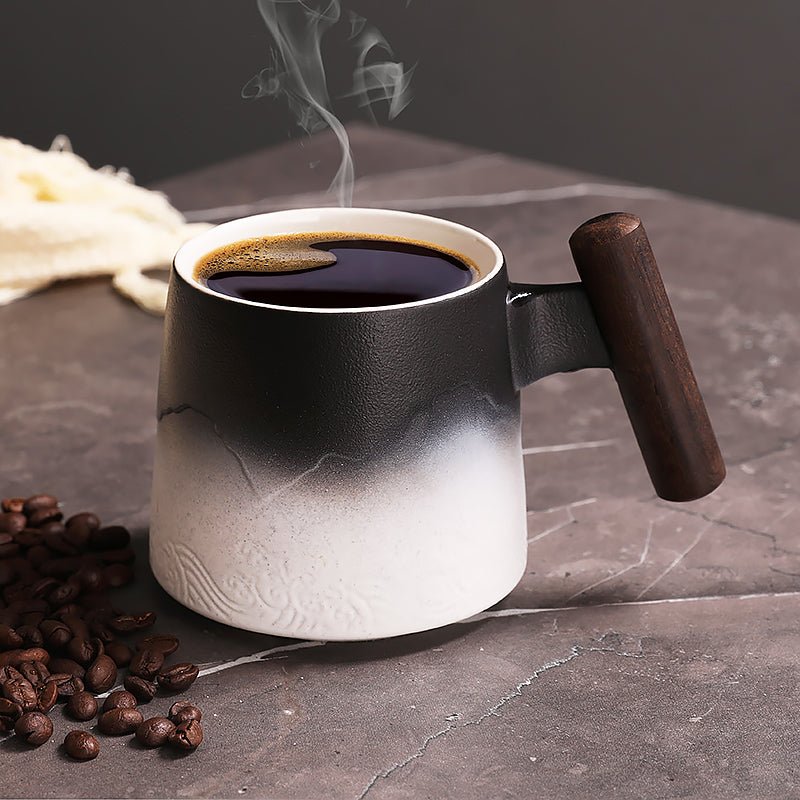
Fiestaware Coffee Mugs: What Buyers Should Check Before Ordering
A practical buyer's guide to Fiestaware coffee mugs covering size, weight, glaze quality, care, and the trade-offs that matter on a real kitchen counter.
Leer más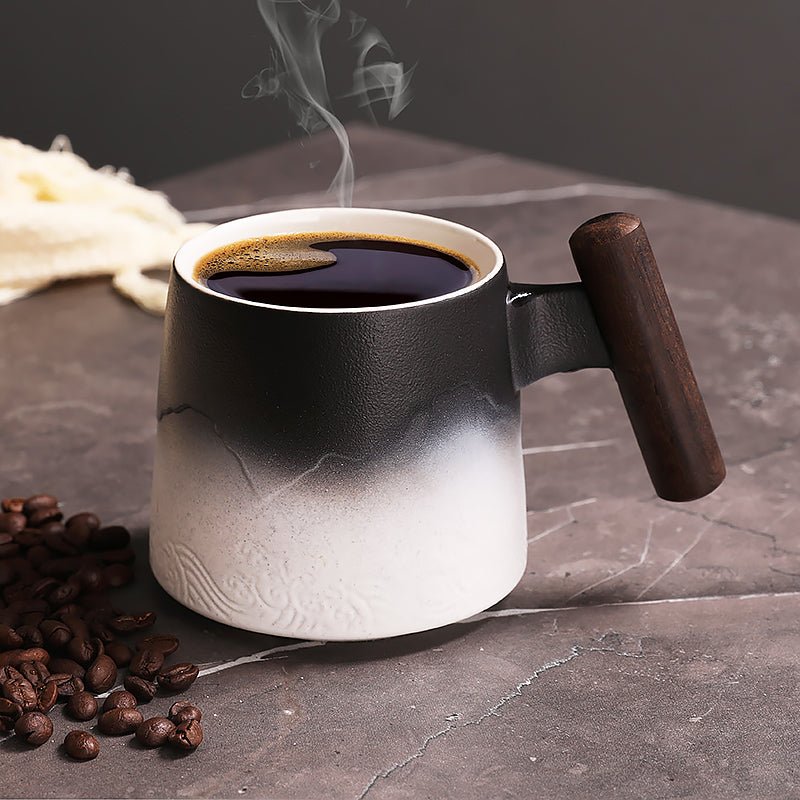
Amusing Coffee Mugs: How to Choose One That Gets Used
Amusing coffee mugs should be funny enough to make someone smile and practical enough to survive the kitchen sink, the office dishwasher, and daily refills. Here’s how we help shoppers compare size...
Leer más
Dejar un comentario
Este sitio está protegido por hCaptcha y se aplican la Política de privacidad de hCaptcha y los Términos del servicio.