
8 Ounce Coffee Mugs: How to Choose the Right Small Mug
Reading time: about 10 minutes
We see the same problem over and over: someone wants a smaller mug for a real cup of coffee, but the shelves are full of oversized 12-, 14-, and 16-ounce options. An 8 ounce mug feels modest on paper, yet in the hand it can be exactly right for a short pour, a strong breakfast coffee, or an office desk that never has room for a giant cup.
If you are comparing 8 ounce coffee mugs, the useful question is not just “is it small?” It is “does this size match the way I drink?” That means checking the internal fill line, the handle clearance, the shape of the lip, and how the mug behaves after repeated dishwasher cycles. We handle this category in our store, and the details matter more than most shoppers expect.
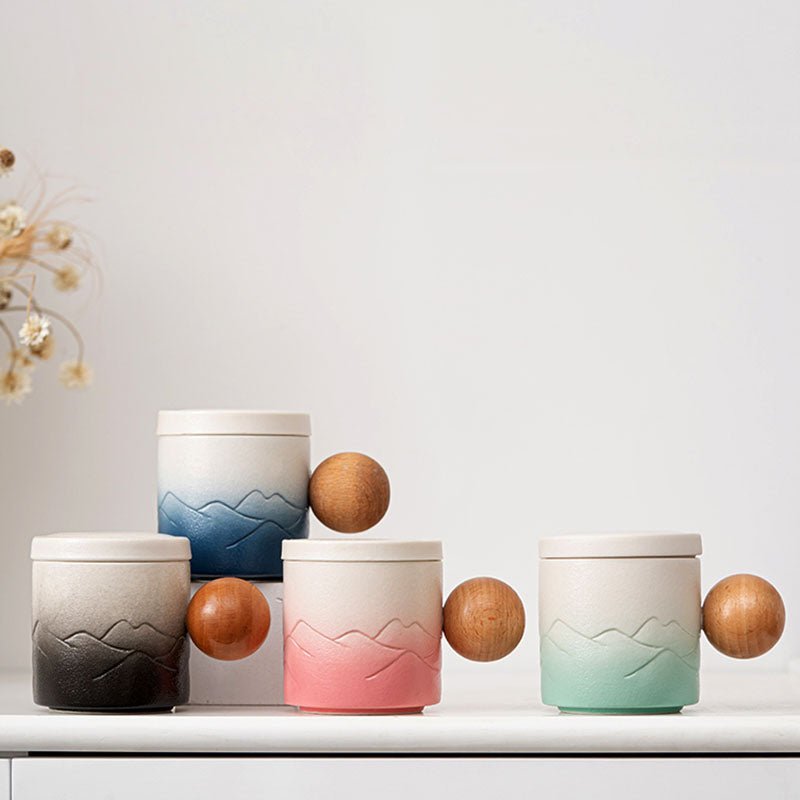
Start with our own small-mug options here: The Rock Coffee Tea Mug, Morning Night Coffee Tea Mug, and Mountain Coffee Tea Mug. If you want to compare the full range before deciding, browse all CoffeifyMug products.
What does an 8 ounce mug actually hold?
An 8 ounce coffee mug usually holds a standard small serving, but the real capacity depends on the mug’s shape. A straight-sided mug and a tapered mug can both be labeled similarly and still feel different in use. One may sit closer to 8 ounces at a comfortable pour line, while another leaves a little less room at the top because of a thicker wall or a wider mouth.
For shoppers, that matters in a few everyday situations:
- Morning drip coffee: good for a smaller mug of black coffee or a concentrated pour that you do not want to sit and cool in a large vessel.
- Tea and herbal blends: works well for a short steep where you want warmth without excess volume.
- Espresso drinks: can suit a cappuccino or a shorter latte-style drink, depending on foam height and mug opening.
It is not the right size for people who routinely fill a mug to the brim and expect several long sipping sessions. If that sounds like your habit, our 12 Ounce Coffee Mug Buying Guide: Size, Fit, and Best Uses is the better comparison point.
Who is an 8 ounce mug best for?
In our experience, 8 ounce mugs work best for buyers who like a controlled serving size. They are common on kitchen counters where the coffee maker brews smaller batches, on office desks where space is tight, and in gift boxes where a compact mug feels neat rather than bulky.
They are also a smart choice if you already know you tend to overfill larger mugs and end up with lukewarm coffee halfway through. A smaller mug can fix that. The trade-off is obvious: less room for milk, foam, whipped toppings, or oversized pour-overs.
These mugs are usually not the best fit for:
- People who want one mug that handles every drink, from coffee to soups.
- Readers who prefer a large hand feel and heavier wall profile.
- Anyone who regularly drinks 14- to 16-ounce portions and wants one fill to last.
If you are still comparing across sizes, our related guides on 8 Ounce Coffee Mugs: What Buyers Should Check Before Ordering and 14 Ounce Coffee Mugs: Size, Fit, and Buying Guide can help you see where the smaller and larger formats separate in real use.
Which material and finish should you choose?
Most shoppers shopping this category are looking at ceramic first, and that is usually the easiest place to start. Ceramic gives a stable hand feel, tends to hold heat well enough for everyday use, and usually looks at home on a kitchen shelf or office break room. The main trade-off is weight: a denser mug feels solid, but it is not ideal if you want ultra-light drinkware.
Here is how we think about common material choices:
| Material | What it does well | Trade-off |
|---|---|---|
| Ceramic | Good heat retention, familiar feel, broad style range | Can chip if knocked against a sink or another mug |
| Stoneware | Heavier feel, often a sturdy everyday option | Can be bulkier in a small size |
| Porcelain | Cleaner, lighter look and a refined rim feel | Often less forgiving if you are rough on dishes |
We always tell buyers to pay attention to the rim and the handle as much as the body. A mug can look great in photos and still feel awkward if the handle opening is too tight for your fingers or the rim is too thick for comfortable sipping. That is the sort of detail we look for before adding a mug to our own store.
What size and shape details should you check before buying?
The safest way to shop for 8 ounce coffee mugs is to compare the dimensions, not just the capacity label. A mug that is technically 8 ounces can still feel too small or too shallow depending on its proportions.
Check these details before you buy:
- Overall height: lower mugs are easier to tuck under cabinets and fit in compact dish racks.
- Mouth diameter: a wider opening cools faster but makes latte foam or whipped toppings easier to manage.
- Handle gap: if you have larger hands, this is one of the first fit issues you will notice at the table.
- Wall thickness: thicker walls usually feel sturdier, but they can make the mug seem smaller inside than you expected.
- Base stability: a heavier base is helpful on a desk, especially around laptops and papers.
Small defects are easier to spot at this size too. Watch for uneven rims, glaze pooling near the base, and handles that are slightly off-center. Those are not dramatic issues, but they can affect the day-to-day feel. If you want a broader size comparison before committing, our 16 Ounce Coffee Mugs: Size, Materials, and Fit Guide shows how the proportions shift as mugs get larger.
Which of our 8 ounce-style mugs fits different buyers?
We offer a few designs that work well if you want a smaller mug with a distinct look. The right one depends on the setting more than the drink.
- The Rock Coffee Tea Mug works well for someone who wants a grounded, sturdy-looking mug that feels at home on a kitchen counter.
- Morning Night Coffee Tea Mug is a good pick for buyers who like a mug that can move from early coffee to evening tea without feeling too casual or too formal.
- Mountain Coffee Tea Mug suits shoppers who want a more visual, giftable option that still reads as practical drinkware, not decorative clutter.
If you are choosing for a gift, we have found the presentation matters almost as much as the cup itself. A compact mug unboxes cleanly, fits more easily into a small gift bag, and is less likely to feel overwhelming than a large novelty mug. That is one reason some shoppers prefer this size for birthdays, thank-you gifts, or office exchanges.
See the current options in one place on our all-products collection.
How should you care for an 8 ounce coffee mug?
For everyday use, the safest routine is simple: rinse soon after use, wash with mild dish soap, and avoid stacking it where the rim rubs against heavier mugs. If your mug is dishwasher-safe, the dishwasher is convenient, but the way you load it still matters. We see more rim chips from crowded dish racks than from normal handwashing.
Three care habits help a small mug last longer:
- Do not slam it into a sink or faucet. Small mugs often have thinner lips than oversized mugs, and the edge can take the hit first.
- Keep it away from sudden temperature shock. Pouring boiling water into a very cold ceramic mug can stress the material, especially if it has micro-crazing or hairline wear.
- Dry the base before stacking. Moisture trapped under stacked mugs can leave marks or feel sticky on glazed surfaces.
That said, no mug is indestructible. If you need something for rough jobsite use, backpack travel, or frequent car cup holder transfers, a standard ceramic 8 ounce mug is usually the wrong category. A travel mug or insulated tumbler will suit that use better.
How does an 8 ounce mug compare with 12, 14, and 16 ounce options?
Smaller mugs are not automatically better. They just solve a different problem. Here is the practical difference we see most often:
- 8 ounce: best for short pours, stronger coffee, tea, and compact shelf storage.
- 12 ounce: more flexible for daily use if you want room for milk or a slightly larger pour.
- 14 ounce: better for longer drinks and anyone who hates refilling.
- 16 ounce: better for large servings, but often too big for a focused coffee drink.
If your current mug cools too slowly because it holds too much volume, smaller can actually improve the drink. If you habitually add cream, syrup, or foam, though, 8 ounces may feel cramped. That is the trade-off. It is also why shoppers comparing sizes should read the 12-ounce and 16-ounce guides before choosing a final mug.
What should you check before placing the order?
Before you buy, do a quick reality check against your routine. We suggest this short list because it prevents most sizing regrets.
- Measure the space under your cabinet or on your shelf.
- Decide whether you want a mug for black coffee, tea, or milk-based drinks.
- Check the handle opening if you have larger fingers or prefer a two-finger grip.
- Look at the mouth width if you use foam, whipped cream, or a spoon.
- Confirm whether you want a sturdier feel or a lighter, more refined mug.
That is the same approach we use when we curate mugs for our own store. It is practical, not flashy. And it keeps a small mug from becoming an annoying one after the first week of use.
Our best advice: choose the mug based on your usual pour, not the largest drink you make once in a while. An 8 ounce mug works beautifully when it matches the habit you actually have.
Frequently asked questions
Are 8 ounce coffee mugs too small for everyday use?
Not if you usually drink a smaller cup of coffee or tea. They are a strong fit for people who want a quicker drink that stays warm without filling a large vessel. They can feel too small if you like lots of milk, foam, or a mug that carries you through a long work session.
Can I use 8 ounce coffee mugs for cappuccinos?
Yes, many buyers use this size for cappuccinos because it leaves room for foam without creating an oversized drink. The exact fit depends on the mug’s mouth width and shape, so a wider opening usually works better than a narrow one. If you prefer larger milk drinks, a 12 ounce mug may be more comfortable.
Do small ceramic mugs chip more easily?
They can, especially if they are knocked against a sink, stacked tightly, or loaded into a crowded dishwasher. The mug’s thickness, glaze quality, and how you store it all affect wear. We recommend leaving a little space between mugs so the rims are not rubbing.
What is the best use for an 8 ounce coffee mug?
Black coffee, tea, and smaller espresso-based drinks are the best matches. They are also handy on office desks or in kitchens where space is limited. If you regularly pour larger drinks, a 12-ounce or 14-ounce mug will usually feel more comfortable.
Should I buy an 8 ounce mug or a 12 ounce mug?
Choose 8 ounces if you want a smaller, tighter serving and prefer a mug that cools at a manageable pace. Choose 12 ounces if you want more flexibility for milk, cream, or a longer drink. If you are unsure, our 12 oz Coffee Mugs: How to Choose the Right Mug for Daily Use is a useful comparison.
If you want to keep shopping, start with the three mugs above, then compare them against the rest of our collection. A simple checklist helps: confirm the drink size you pour most often, check handle comfort, and decide whether you want a compact everyday mug or a slightly larger alternative.
Read more
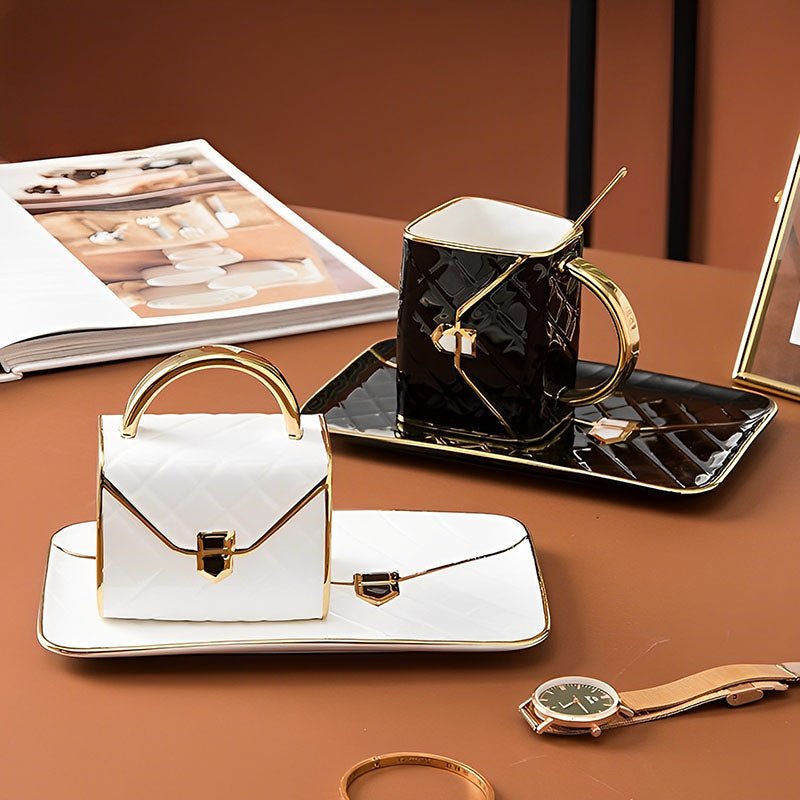
Coffee Mug With Teddy Bear: Size, Materials, and Gift Checks
A coffee mug with teddy bear usually gets bought as a gift, but the useful details are practical: handle comfort, surface finish, and how the mug will hold up after unboxing. We compare what to che...
Leer más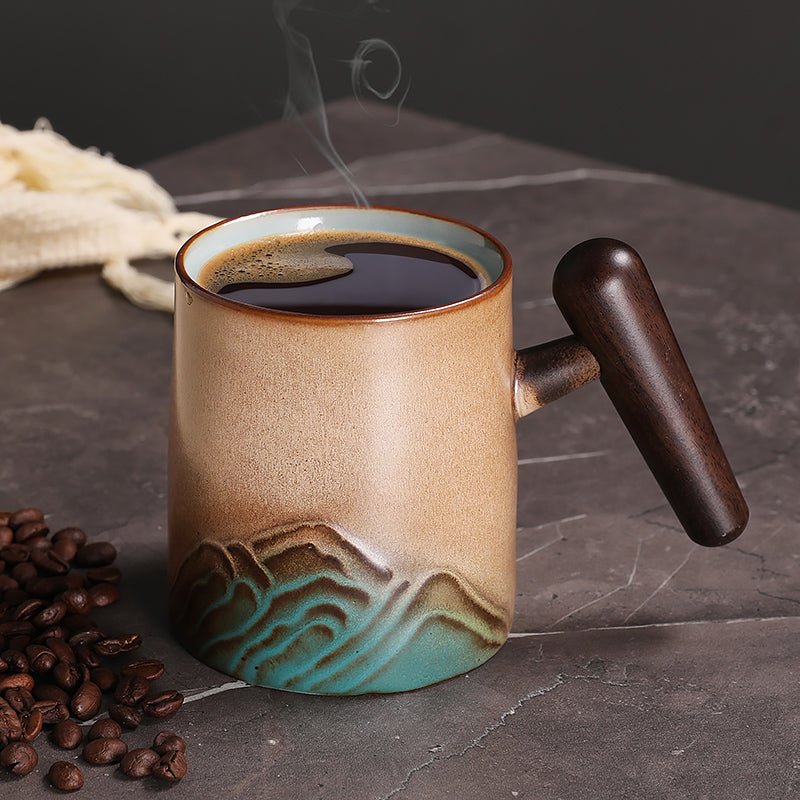
Mexican Coffee Mugs: How to Choose Style, Size, and Everyday Use
Practical buying guide for mexican coffee mugs, with material trade-offs, size checks, and everyday use tips. See which styles hold up on real kitchen counters and office desks.
Leer más
Dejar un comentario
Este sitio está protegido por hCaptcha y se aplican la Política de privacidad de hCaptcha y los Términos del servicio.