
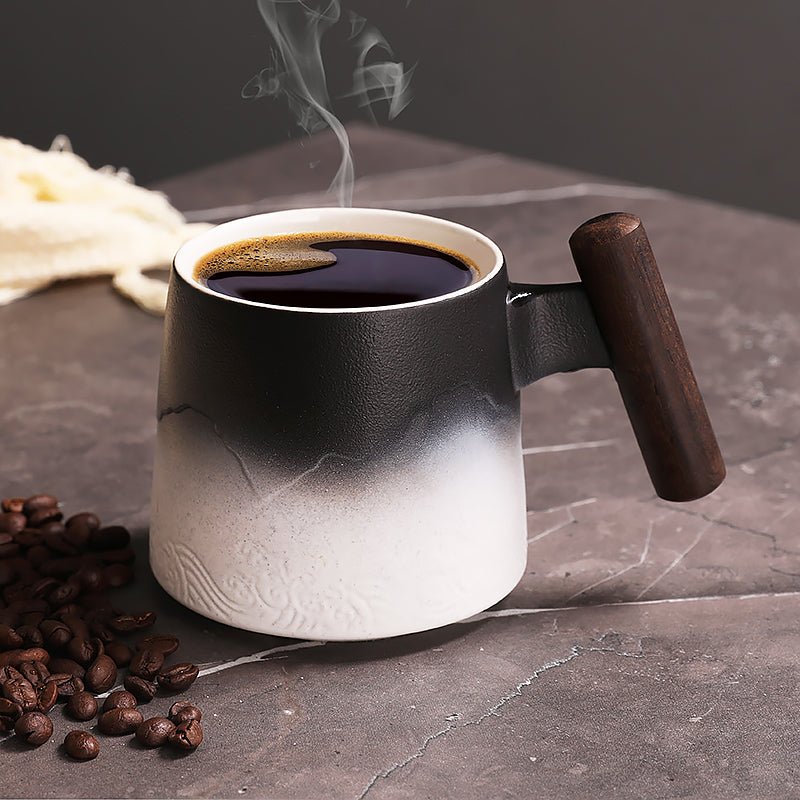
14 oz Coffee Mug: What Buyers Should Check Before They Buy
Reading time: about 9 minutes
A 14 oz coffee mug solves a very specific problem: 11 oz feels tight, but 20 oz starts to feel oversized for a normal desk or kitchen counter. In our store, this is the size many buyers pick after they realize they want a little more room for coffee, milk, or foam without moving into travel-mug territory.
Best next step if you want a 14 oz mug now
If you are done comparing everyday fit and just want the shortest next route, choose the shopper path, sample path, or forwardable buyer path now instead of opening more tabs.
- Pick a Mug Fast if you want the shortest compare before choosing a live product or starter set.
- Add the Round Mug to cart if you want the safest everyday-use first order without more reading.
- Open the Museum Shop Mug Sample Set if this visit is really about buyer review, sample review, or retail forwarding.
- Open the Editor & Buyer Asset Packet if you need one forwardable page with live links, product images, and buyer contact details.
If you want the measurement side first, 12 oz coffee mug guide, and 16 oz coffee mug guide can help you compare nearby sizes before using a cart route.
We see the same buying pattern again and again. People want a mug that feels comfortable in the hand, fits under cabinets, and still looks right on an office desk. The tricky part is that capacity alone does not tell you how the mug will actually live day to day. Handle clearance, wall thickness, glaze quality, and rim shape matter just as much.
If you are comparing sizes, our guides on the 12 oz coffee mug, 15 oz coffee mug, and 20 oz coffee mug cover the nearby options buyers usually cross-shop.
What does a 14 oz coffee mug feel like in daily use?
A 14 oz coffee mug is usually the sweet spot for people who drink a full pour of coffee but do not want a giant vessel. It gives you more working room than a standard 11 oz mug, which matters if you add milk, creamer, or a little extra foam. It also tends to feel less bulky than a 20 oz mug when you are carrying it from the kitchen to a desk or balancing it on a crowded breakfast table.
In practical terms, this size works well for:
- A standard morning pour with some room left at the top
- Office coffee where you do not want repeated refills
- Gift purchases for people who like a larger mug but still want a classic shape
- Home use when cabinet space is limited and you want mugs that stack or line up neatly
This is not the best choice for someone who treats coffee like a long session drink and wants a very large serving. If that is the goal, a bigger option may make more sense. On the other end, if you care more about a compact hand feel and lower weight, a smaller mug may be easier to live with.
Who should buy a 14 oz coffee mug?
We usually recommend a 14 oz coffee mug to buyers who want balance. It is large enough to feel generous, but not so large that it dominates a place setting or makes the coffee cool down slowly in a heavy, oversized body.
It tends to suit:
- People who drink drip coffee or pour-over and want a bit of extra headroom
- Office workers who keep a mug near a keyboard and want a stable, everyday size
- Gift shoppers who are unsure whether the recipient prefers small or large mugs
- Buyers who dislike the look of oversized mugs but still want more than a basic cup
It is not the best pick for everyone. If someone drinks espresso-based drinks in smaller servings, a 14 oz mug can feel too large. If someone wants a true soup mug or a giant latte bowl, they will probably be happier with a larger size. That trade-off matters, and it is one reason we ask buyers to think about how they actually use a mug, not just what the number says.
What should you check before ordering one?
The number on the listing is only the starting point. Two mugs with the same 14 oz capacity can feel very different in the hand and on the shelf.
These are the details we look at before we recommend a mug:
- Handle clearance. Your fingers should fit without scraping the body of the mug. A tight handle is one of the most common complaints we see.
- Rim thickness. A thinner lip usually feels nicer to drink from, while a very thick rim can feel bulky and change the sipping experience.
- Base stability. A mug should sit flat. Even a slight wobble becomes annoying on a desk or glass table.
- Wall thickness. Thicker walls often hold heat better, but they also make the mug heavier. Thinner walls feel lighter but cool faster.
- Finish quality. Look for consistent glaze, smooth edges, and no pinholes or rough spots where the mug meets the table or your lips.
These checks matter because defects in mugs are often small, not dramatic. A tiny uneven base, a handle that feels cramped, or a rim that is just a little rough can turn an otherwise good mug into one that stays in the cabinet. That is exactly why we prefer to talk about fit, finish, and daily use instead of only talking about volume.
Measure the mug as a real object, not just as a capacity label. Capacity tells you how much liquid it holds. It does not tell you how it feels in your hand.
Which material and finish make the biggest difference?
For most buyers, the big decision is not the exact ounce count. It is the material and how that material feels after repeated use. Ceramic and stoneware are common for a reason: they feel familiar, hold heat reasonably well, and fit home and office use without trying to be a travel cup.
Here is the practical difference we see most often:
- Ceramic. Usually smooth, easy to clean, and comfortable for everyday coffee. It is a strong default choice if you want a classic mug feel.
- Stoneware. Often a little heavier and sturdier in the hand. Some buyers like the solid feel, while others find the extra weight unnecessary.
- Porcelain. Typically thinner and lighter. It can feel refined, but it may not feel as rugged for daily desk use.
Care matters too. If a mug is labeled dishwasher safe, that is convenient, but repeated washing can still expose flaws in the finish if the glaze is poor. If it is microwave safe, that helps with reheating, but a mug with metallic decoration or an unknown coating should be treated cautiously. We also recommend avoiding abrupt temperature changes. A hot ceramic mug rinsed under very cold water can be more vulnerable to stress than a mug that cools gradually.
For shoppers comparing branded shapes and fit details, our posts on YETI Coffee Mug 14 oz: What Buyers Should Check Before Ordering and Yeti 14 oz Coffee Mug: Size, Fit, and What Buyers Should Check go deeper on the fit questions people ask before buying a premium mug.
How does 14 oz compare with 12 oz, 15 oz, and larger mugs?
The easiest way to think about 14 oz is as the middle lane. It is larger than the classic everyday mug, but it has not yet crossed into the oversized category.
| Size | Best for | Main trade-off |
|---|---|---|
| 12 oz | Compact coffee drinkers, smaller cabinets, lighter hand feel | Less room for milk or foam |
| 14 oz | Balanced daily use, office desks, generous pours | Can feel too large for small servings |
| 15 oz | Buyers who want a bit more capacity without going oversized | Often only a small step up, so fit matters more than the label |
| 20 oz and up | Long coffee sessions, large lattes, big-handed drinkers | Heavier, bulkier, and easier to overfill |
If you are deciding between 14 oz and 15 oz, the difference is usually smaller than the listings make it sound. Handle shape and mug diameter often matter more than the one-ounce change. If you are deciding between 14 oz and 20 oz, the difference is more obvious immediately. The larger mug can be useful, but it is also more likely to feel heavy on the wrist and take up more cabinet space.
We also encourage buyers to compare with our related size guides for a more complete picture: the 10 oz coffee mug, 11 oz coffee mug, and 24 oz coffee mug posts show how capacity changes the feel of the cup more than most shoppers expect.
How should you care for a 14 oz coffee mug so it lasts?
A good mug should survive normal kitchen life: sink rinses, dishwasher cycles, desk use, and the occasional tap against a countertop. The finish and construction determine how well it keeps looking that way.
Our basic care advice is simple:
- Use the dishwasher only if the maker says it is safe.
- Hand-wash decorated or specialty-finish mugs when you want to preserve the look.
- Avoid abrasive scrubbers on printed or glazed surfaces.
- Do not move from extreme heat to cold water too quickly.
- Check the rim and handle after shipping or after a hard knock, because chips usually start there.
The common failure modes are not dramatic. They are small chips on the lip, a hairline crack near the handle, or a glaze flaw that becomes more visible after repeated washing. That is why we like honest product photography and clear material details. A mug should still look good after months on a kitchen shelf or office desk, not only when it is new out of the box.
If you are browsing for a mug right now, you can start with our current products or view the full collection once you know the size and finish you want.
Frequently asked questions
Is a 14 oz coffee mug a good everyday size?
Yes, for many people it is the most balanced everyday size. It gives enough room for a normal pour plus milk or creamer without feeling oversized on a desk or in a cabinet. If you usually drink smaller servings, though, a 12 oz mug may feel more comfortable.
Will a 14 oz coffee mug fit under most kitchen cabinets?
Usually, but not always. Capacity does not tell you the full height of the mug, and some 14 oz mugs are taller or wider than others. If cabinet clearance matters to you, check the listed dimensions, not just the ounce count.
Is a 14 oz coffee mug too big for tea?
Not necessarily. It works well for a large tea serving, especially if you like extra hot water or add milk. If you prefer a smaller, more concentrated cup of tea, though, a 10 oz or 12 oz mug may suit you better.
What should I avoid when buying a 14 oz coffee mug?
Avoid buying on size alone. A cramped handle, rough rim, uneven base, or poor glaze can matter more than the capacity label. We also recommend checking whether the mug is dishwasher and microwave safe if you plan to use it every day.
Is a 14 oz coffee mug better than a 15 oz mug?
Neither is automatically better. A 15 oz mug gives a touch more room, but the real difference is often in shape, handle comfort, and weight. If both fit your hand well, choose the one whose proportions make the most sense for your shelf space and drinking style.
If you are still narrowing it down, compare the 12 oz, 14 oz, and 15 oz options side by side, then browse our products or full collection to pick the mug that fits your routine, not just the number on the label.
Read more
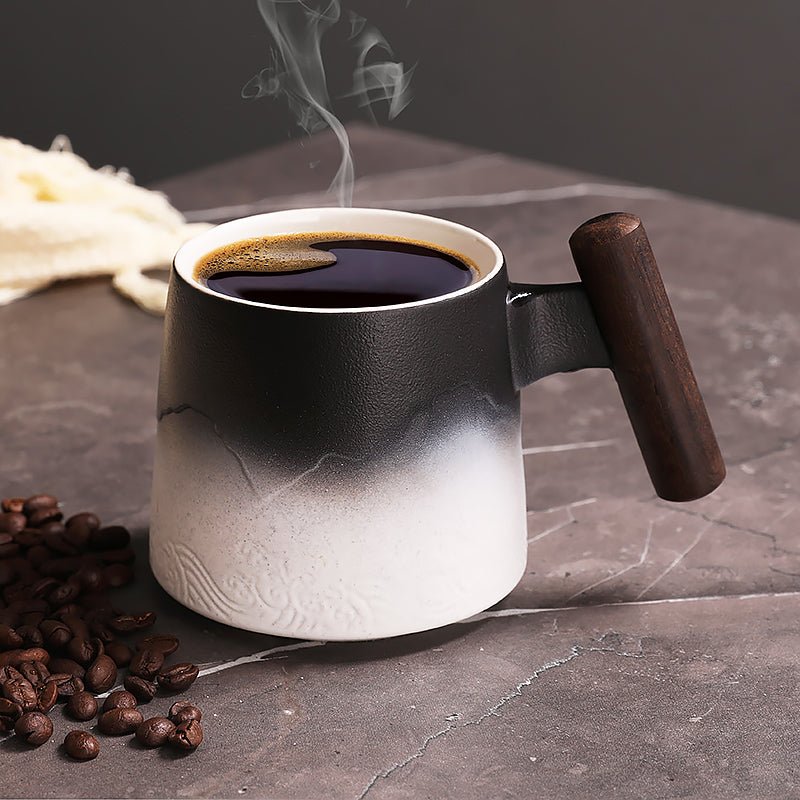
Clay Coffee Mugs: What Buyers Should Check Before Ordering
Clay coffee mugs bring weight, texture, and a more handcrafted feel to everyday coffee. This guide covers the practical checks we use in our store: size, glaze, rim comfort, care, and the trade-off...
Leer más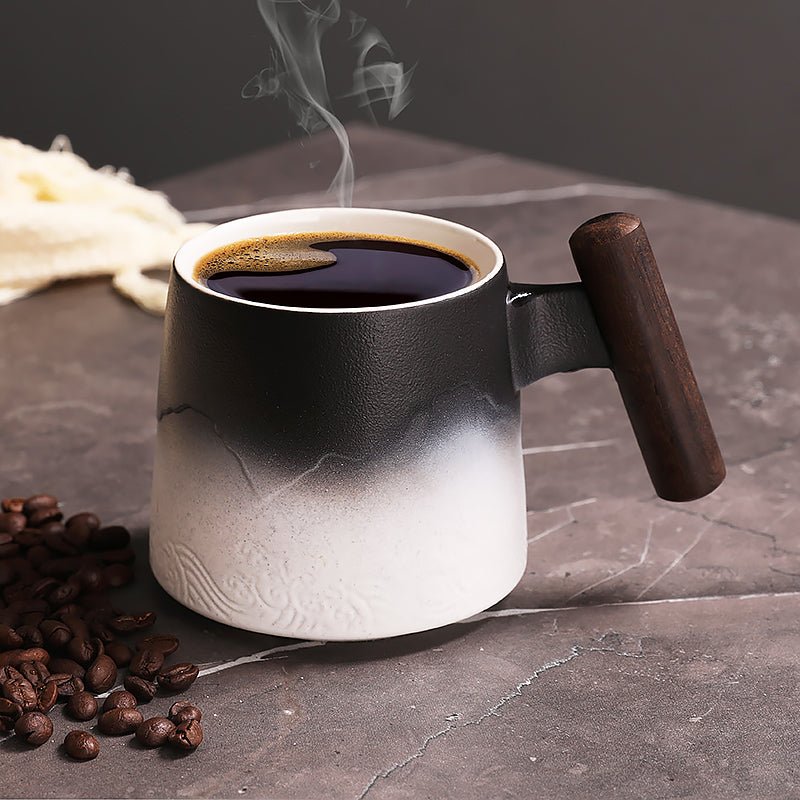
How to Clean Coffee Stains from Mugs Without Damaging the Finish
Practical steps for removing coffee rings, tannin stains, and dried buildup from ceramic, porcelain, matte, and travel mugs without scuffing the finish.
Leer más
Dejar un comentario
Este sitio está protegido por hCaptcha y se aplican la Política de privacidad de hCaptcha y los Términos del servicio.