
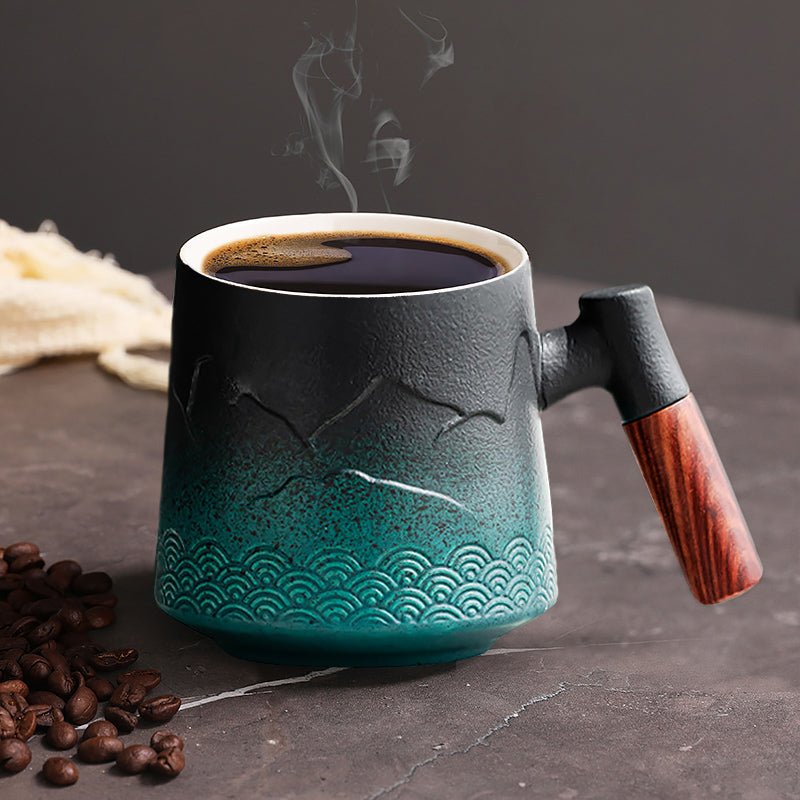
Wooden Mug Buying Guide: What to Check Before You Buy
Reading time: about 9 minutes
A wooden mug can look warm and handmade on a kitchen counter, but the real question is how it behaves after a week of coffee, tea, and hand washing. We see shoppers drawn to the grain first, then they ask the practical questions: will it hold heat, will it stain, and is it a real daily mug or just a display piece?
At CoffeifyMug, we treat a wooden mug like any other drinkware purchase: it has to earn its place on the desk, by the sink, or in a gift box. If you are comparing options, our full collection is a good place to scan different mug styles, and our product page is where you can check what is currently available.
What makes a wooden mug different from ceramic or stainless steel?
A wooden mug feels different in the hand right away. It is usually lighter than stoneware, warmer to hold, and quieter on a desk than metal or ceramic. That can be a plus for a slow morning coffee or a gift that feels more tactile than standard drinkware.
The trade-off is just as real. Wood is not as forgiving as glazed ceramic. It can absorb odors if the finish is poor, it can show wear at the rim, and it usually needs more careful washing. If you want a mug you can toss into a dishwasher every night, ceramic or insulated steel is usually the better fit. If you want a mug with a natural look and a softer feel, wood makes more sense.
In our experience, buyers fall into two groups:
- Display-first shoppers who want a rustic, handcrafted look for a shelf, office, or gift unboxing.
- Daily-use shoppers who want a lighter mug for short coffee sessions and do not mind hand washing.
If you are deciding between mug styles for daily use, our guide on Best Coffee Mug: What Actually Matters for Daily Use is a useful companion read.
What details should you check before buying a wooden mug?
The wood itself is only part of the story. We inspect the finish, the construction, and the drinking edge because those details determine whether a mug feels solid or fussy.
Here are the main points we look at:
- Wood type — Hardwoods such as acacia, bamboo, beech, or walnut are usually chosen for drinkware because they are more stable than softer woods. The grain and color vary, so two mugs can look similar online and feel very different in person.
- Interior treatment — Some wooden mugs are fully sealed, while others use a liner or coated interior. A properly sealed inside helps resist moisture and staining. An unsealed interior is a red flag for regular hot drinks.
- Rim finish — The drinking edge should feel smooth, not dry or rough. A rough rim is one of the easiest ways to spot rushed finishing.
- Handle shape and balance — A wooden mug can be light, but if the handle sits awkwardly, it still feels clumsy in the hand. We check whether the mug sits level on a counter and does not tip when filled.
- Capacity — Wooden mugs often come in compact sizes. If you like a larger morning pour, compare the usable capacity carefully before buying. For readers who want to compare size and everyday use more broadly, our article on 20 oz Coffee Mug: What to Check Before You Buy covers the size questions that matter.
One detail many shoppers miss: photos can hide grain inconsistency and finish quality. A mug can look rich and smooth online, then arrive with visible glue lines, uneven sanding, or a coating that feels tacky. That is why we always suggest checking the care notes and construction notes before buying, not just the photo gallery.
Is a wooden mug safe for hot coffee and tea?
That depends on how it is made. A wooden mug that is designed for beverages should have a food-safe finish or liner that protects the wood from repeated moisture exposure. Without that protection, hot liquids can raise the grain, deepen stains, and shorten the mug’s life.
We are cautious here because not every decorative wooden cup is built for daily hot drinks. Some are better treated as display items, prop pieces, or novelty gift mugs. If a seller does not clearly explain the interior finish or care instructions, we would not put that mug on a coffee routine we care about.
A good test is simple:
- Does the listing explain how it is sealed?
- Does it mention hand wash only?
- Does it warn against soaking?
- Does it say whether it is suitable for hot drinks?
If the answers are vague, choose a different mug style. A ceramic mug is usually easier if you want zero guesswork. For people comparing themed gift mugs and everyday drinkware, our post on Awesome Coffee Mugs: How to Choose a Mug You’ll Actually Use is a good reality check before buying.
How do you care for a wooden mug so it lasts longer?
Wood needs a different routine than glazed mugs. We tell customers to treat it more like a quality cutting board than a dishwasher-safe cup. That means short contact with water, gentle drying, and no soaking in the sink.
A practical care routine looks like this:
- Rinse soon after use instead of leaving coffee or tea residue overnight.
- Wash by hand with mild soap and a soft sponge.
- Dry immediately with a towel and let it air dry fully before storing.
- Avoid the dishwasher unless the maker specifically says otherwise.
- Keep it away from long soaking, which can warp wood or weaken joints.
We also advise checking the bottom and the handle joint during the first few weeks. Those are common wear points. If a mug starts to feel rough, a finish may be drying out. If it develops a lingering odor, it may not be sealed well enough for daily coffee use.
That is the trade-off with wooden drinkware: the care is simple, but it has to be consistent. If your routine is grab, drink, load the dishwasher, a wooden mug is probably not your best match.
What are the main drawbacks of a wooden mug?
We like wooden mugs for the right buyer, but we would not recommend them to everyone. The biggest limitations are heat retention, care effort, and long-term resistance to heavy use.
Here is where a wooden mug is usually not the best choice:
- Busy kitchens where mugs go straight into the dishwasher.
- Iced drinks with long melt times if the mug is not well sealed or lined.
- Travel use where you need a tight lid and spill resistance. A travel mug is a better fit there.
- Very hot drinks held for long periods if the mug has thin walls or minimal insulation.
If you want something better suited to commuting or desk-to-car use, our Best Coffee Travel Mug: What Shoppers Should Check Before Buying and Best Insulated Coffee Mug: What to Check Before You Buy pieces will point you toward the right category.
There is also a cosmetic downside. Wood develops character over time. Some buyers like that patina. Others see it as wear. If you want a mug that stays visually identical after months of daily use, ceramic or stainless steel is safer.
Who is a wooden mug actually good for?
From what we see in our store, a wooden mug is strongest as a gift, a personal desk mug, or a special-use piece for slower coffee routines. It works especially well for shoppers who like natural textures and do not mind a bit of maintenance.
It tends to be a smart buy for:
- Gift buyers who want something that feels less generic than standard drinkware.
- Home office users who want a warm, tactile mug on a desk.
- Collectors who enjoy themed drinkware with a handmade look.
- Minimalists who want one distinctive mug instead of a crowded cupboard.
It is less ideal for someone building a full set of family mugs for the dishwasher. It is also not the best choice if you need a mug that can handle hard daily rotation without extra care. In those cases, check the broader assortment on our collection page and compare more durable styles side by side.
How do you compare a wooden mug before you buy?
We use a simple buying checklist in our store because it keeps the decision grounded in actual use, not just appearance.
| What to check | What good looks like | Why it matters |
|---|---|---|
| Wood type | Stable hardwood or clearly described material | Affects durability, look, and weight |
| Finish | Smooth, food-safe interior and exterior | Helps resist stains and moisture damage |
| Care instructions | Clear hand-wash guidance and no soaking | Tells you how much upkeep to expect |
| Capacity | Enough room for your usual pour | Prevents buyer’s remorse after unboxing |
| Construction | Even joints, smooth rim, no rough edges | Signals better finishing and comfort in hand |
If you are buying as a gift, open the box mentally before you click purchase. Will it feel special on first sight? Will the recipient actually use it on a kitchen counter, or will it stay in a cabinet because the care feels too delicate? That is the difference between a decorative item and a mug that earns daily use.
Frequently asked questions
Can you put a wooden mug in the dishwasher?
Usually no. Most wooden mugs should be hand washed because dishwasher heat and long water exposure can damage the finish, raise the grain, or cause warping. If a maker specifically says dishwasher safe, follow their instructions, but that is not the norm.
Do wooden mugs keep coffee hot as long as ceramic?
Not usually. Wood has a different feel and can offer some natural insulation, but it typically does not match a quality insulated mug or thick ceramic for heat retention. If keeping coffee hot is your top priority, an insulated mug is the safer choice.
What should I look for in a wooden mug for daily use?
Look for a smooth food-safe finish, clear hand-wash care instructions, a comfortable handle, and a capacity that matches your usual drink size. We also recommend checking for any mention of soaking restrictions or lined interiors, since those details affect durability.
Are wooden mugs good gifts?
Yes, especially if the recipient likes rustic, natural, or handmade-looking items. They feel more personal than a standard mug, but only choose one if the person will appreciate hand washing and lighter-duty use. For someone who wants zero maintenance, ceramic is the safer gift.
Can wooden mugs be used for both coffee and tea?
They can, as long as the mug is properly finished for hot beverages. That said, strong tea or coffee stains are more noticeable on lighter wood, so regular rinsing helps. If the mug is only lightly sealed, flavored teas can also leave lingering aroma.
If you are comparing styles now, use this quick filter: pick wooden mug if you want a natural look, a giftable feel, and do not mind hand washing; pick ceramic if you want easy cleaning; pick insulated steel if you want the most practical everyday performance. Then check our current drinkware selection on CoffeifyMug products and choose the style that fits how you actually drink coffee, not how it looks on a shelf.
More from our blog
Read more
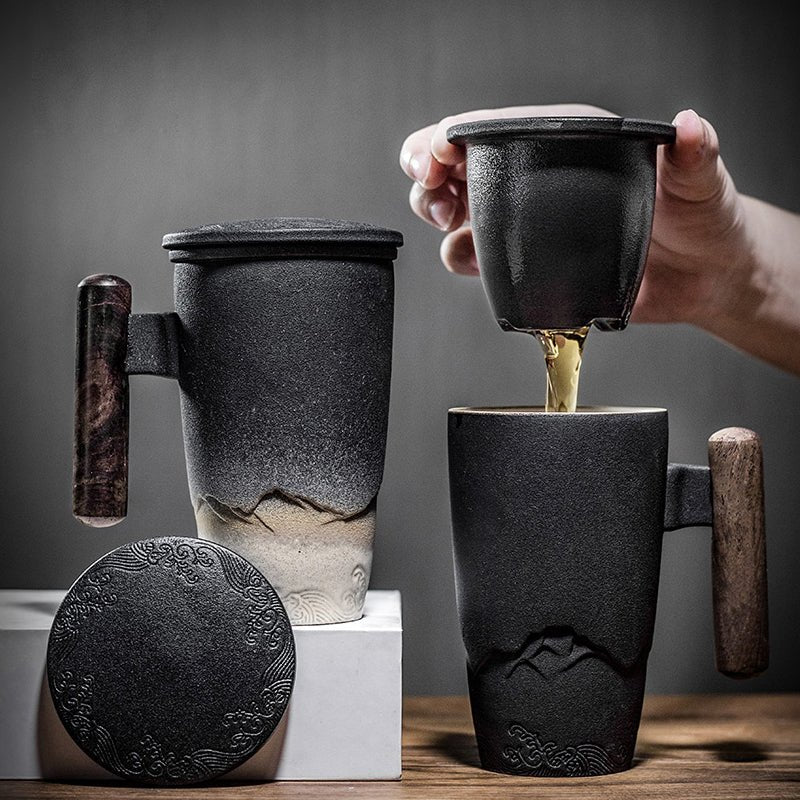
the view coffee mugs: what buyers should check before ordering
A practical buyer’s guide to the view coffee mugs, covering size, material, comfort, care, and the trade-offs that matter on a kitchen counter or office desk.
Read more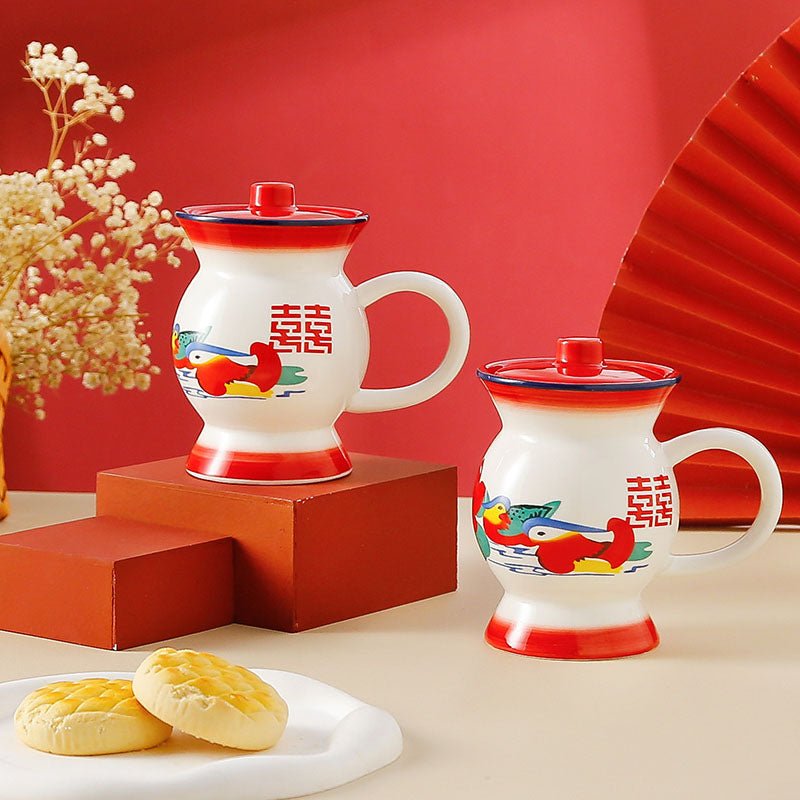
Oversized Coffee Mugs: How to Choose the Right One
Oversized coffee mugs solve one simple problem: one cup should get you through a long work block or a slow morning without constant refills. Here is how we compare capacity, weight, handle comfort,...
Read more
Los kommentaar
This site is protected by hCaptcha and the hCaptcha Privacy Policy and Terms of Service apply.