
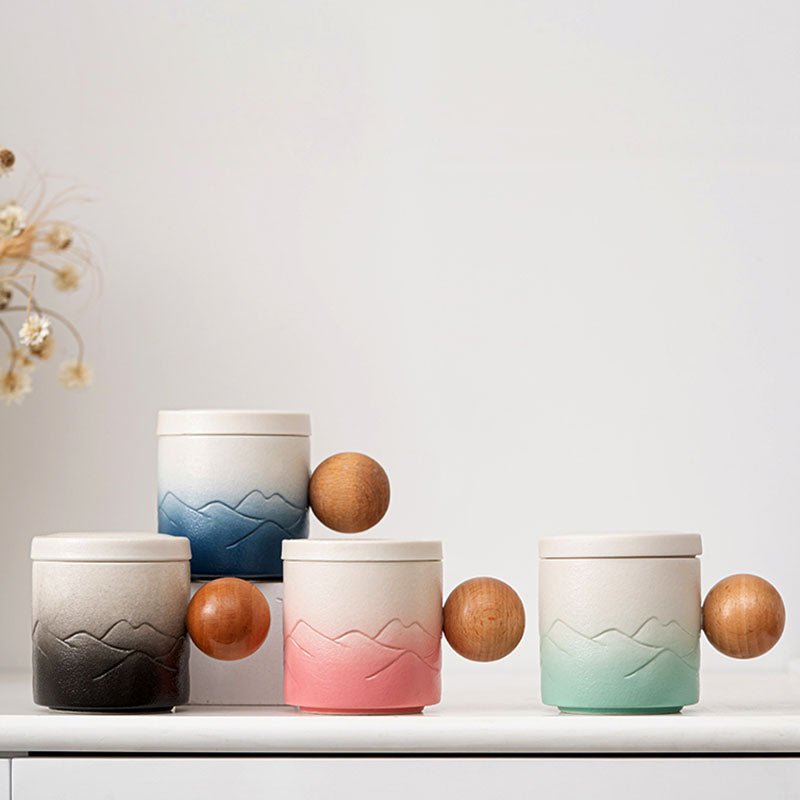
Winter Coffee Mugs That Work for Daily Use and Gifting
Reading time: about 8 minutes
On a cold morning, a mug either settles into the hand or gets abandoned after two sips. We see that difference quickly in our store: winter coffee mugs are usually chosen for grip, balance, and how they hold up after repeated dishwasher cycles, not just for the print on the side.
For shoppers comparing options, we usually start with the actual use case. A desk mug needs a stable base. A gift mug needs a clean finish and artwork that still looks sharp after washing. If you want to browse the full range first, start with our all collections and then narrow down to pieces like the Elk and Moon Coffee Tea Mug, Koi Fish Coffee Tea Mug, and The Crane Coffee Tea Mug.
What makes a mug work in winter better than a regular mug?
A good winter mug does a few small things well. It should feel steady in the hand, keep the drink pleasant for more than a couple of minutes, and survive daily use without turning finicky. That sounds basic, but a lot of mugs fail one of those points.
In our experience, buyers notice these details fast:
- Handle room: if your fingers press against the mug body, the mug feels hotter and less comfortable.
- Base stability: a mug with a narrow or uneven base is more likely to wobble on a kitchen counter or desk.
- Rim finish: a smooth rim matters more in winter because people drink slower and spend more time actually noticing the sip.
- Wall thickness: thicker walls can hold warmth a bit longer, but they also add weight and can make the mug feel bulky.
That last point is the main trade-off. A heavier ceramic mug can feel solid and reassuring, but it is not the best choice if you want something light for one-handed use at a laptop. If you need insulation for a commute or a long walk, a travel mug is the better tool. Winter coffee mugs are for the table, the desk, and the couch, not the car.
Which size is the safest buy for daily coffee?
Size drives more regret than style does. A mug that looks perfect in photos can feel too small for a milk-heavy drink or too large for someone who likes a standard pour. If you want a deeper breakdown, our guides on 12 oz Coffee Mugs: How to Choose the Right Mug for Daily Use, 14 Ounce Coffee Mugs: Size, Fit, and Buying Guide, and 16 oz Coffee Mugs: What to Check Before You Buy cover the fit details in more depth.
| Size | Best for | Watch-outs |
|---|---|---|
| 12 oz | Standard drip coffee, tea, cocoa, and mugs that feel balanced on a desk | Can feel small if you add a lot of milk, foam, or whipped toppings |
| 14 oz | Longer morning drinks and people who want a little extra room without going oversized | May take up more cabinet space and can feel heavy if the wall is thick |
| 16 oz | Extended desk sessions, big pours, and people who do not want frequent refills | Can be too large for smaller hands or for mugs with a cramped handle opening |
For most buyers, 12 oz is the safest default. It fits well on a busy counter, it is easier to hold when the mug is hot, and it rarely feels excessive. A 16 oz mug makes sense if you routinely pour large servings or sit with one drink for a long stretch, but it is not the best option if you want a lighter mug for quick morning use.
Which styles make better gifts and which ones are just decoration?
Giftable winter coffee mugs usually do two jobs at once. They need to look seasonal or thoughtful, but they also need to be practical enough that the person actually reaches for them after the wrapping paper is gone. That is why we like nature-led designs that feel winter-friendly without being tied to one holiday week.
The Elk and Moon Coffee Tea Mug, Koi Fish Coffee Tea Mug, and The Crane Coffee Tea Mug are good examples of that approach. They read as calm, giftable pieces, and they do not depend on a loud holiday message to feel appropriate in winter. That matters if you want something the recipient can use in January, March, and beyond.
Decoration-only mugs often have a few telltale problems. The handle may be too small for comfortable use. The artwork may cover so much of the surface that it looks busy on a kitchen shelf. Or the finish may be more fragile than the listing makes it seem. A mug can be attractive and still not be the one people reach for every day.
What details do we inspect before we recommend a mug?
We handle mugs the same way a customer does at the counter. We pick them up. We check the rim. We look at the base. We imagine it sitting on a desk next to a keyboard or on a kitchen shelf with other daily-use cups. That is usually where quality differences show up.
Here is the short checklist our team uses:
- Rim quality: the lip should feel smooth, with no rough edge or tiny chip that catches when you drink.
- Handle attachment: the handle should feel secure and leave enough clearance for a normal grip, even if your hands are cold.
- Base flatness: a mug should sit level without rocking, especially if it will live on a desk or tray table.
- Glaze consistency: patchy glaze, pinholes, or cloudy spots can signal uneven finishing.
- Print or decal durability: if the artwork is thin or lightly applied, repeated washing can wear it faster than a fully glazed surface.
Those checks sound small, but they are the difference between a mug that gets used daily and one that gets pushed to the back of the cabinet. A visible seam near the handle, a wobbly foot, or a rough rim is not just cosmetic. It affects comfort and long-term satisfaction.
How should you care for winter coffee mugs so they last?
Most ceramic mugs are simple to live with, but winter use can be harder on them than people expect. Hot drinks, colder kitchen air, and quick wash-and-dry cycles can expose tiny flaws faster than a casual buyer would notice.
We recommend a simple routine:
- Rinse the mug soon after use so coffee or tea does not sit and stain the glaze.
- If the mug has a delicate decal, hand wash it instead of relying on repeated machine cycles.
- Do not move a mug from a cold shelf straight to boiling water if you want to avoid thermal shock.
- Dry the base before stacking so moisture does not sit between nested mugs.
- Skip the microwave for any mug with metallic accents or any care note that says not to heat it.
Dishwasher-safe is useful, but it is not a free pass for every design. A sturdy glaze usually tolerates more wear than a thin surface print. If you want a mug that stays visually crisp for a long time, that trade-off matters. If you want a mug for rough everyday use and do not care about preserving the artwork perfectly, then a simpler design may be the better buy.
Our rule is simple: if a mug looks good on day one but feels awkward after three days of use, it is not a winter mug worth keeping.
What should you buy if you want one mug for daily use and gifting?
If the same mug needs to work as a gift and as a regular desk cup, keep the decision practical. Choose a size the recipient can hold comfortably, a design that looks calm rather than seasonal-only, and a finish that is easy to care for. That combination ages well.
For many shoppers, the best path is to start with the broader CoffeifyMug collection, compare a few shapes side by side, and then narrow down by handle feel and capacity. That is usually more reliable than choosing by image alone. A mug can look perfect on a product page and still be the wrong shape for a real hand.
One more practical point: winter coffee mugs are not the right purchase if you need insulation, a lid, or something spill-resistant for a commute. They are meant for home and desk use. If that is your setting, a well-made ceramic mug is still one of the easiest upgrades you can make to a morning routine.
Frequently asked questions
What size winter coffee mug is best for daily use?
For most people, 12 oz is the safest starting point because it works for standard coffee, tea, and hot chocolate without feeling oversized. If you pour larger drinks or want fewer refills, 14 oz or 16 oz can make sense. The right size depends on how you actually drink, not just how the mug looks.
Are winter coffee mugs dishwasher safe?
Some are, but not every finish handles machine washing the same way. A plain glazed ceramic mug usually holds up better than one with a delicate decal or decorative accent. Check the care notes carefully if you want the artwork to stay sharp.
Are ceramic mugs good for hot drinks in winter?
Yes, ceramic is a solid everyday choice for winter use because it feels stable, does not taste metallic, and works well at home or at a desk. The trade-off is that it is not insulated, so it will not keep a drink hot as long as a travel mug. If you sip slowly, that is worth keeping in mind.
What should I avoid when buying a mug as a gift?
Avoid mugs with tiny handles, unstable bases, or finishes that look beautiful but seem hard to wash. Also skip anything that feels too holiday-specific unless you know the recipient wants that style. A gift mug should be pleasant to use after the season ends.
What is the biggest quality problem to look for before buying?
The biggest red flags are a rough rim, a wobbly base, and artwork that looks like it may wear quickly. Those issues affect daily use far more than whether the mug has a trendy pattern. If you catch them before purchase, you avoid most of the regret later.
If you want to compare winter coffee mugs side by side, start with the full CoffeifyMug collection, then check handle comfort, size, care notes, and whether the design still feels right outside the holiday season.
Read more
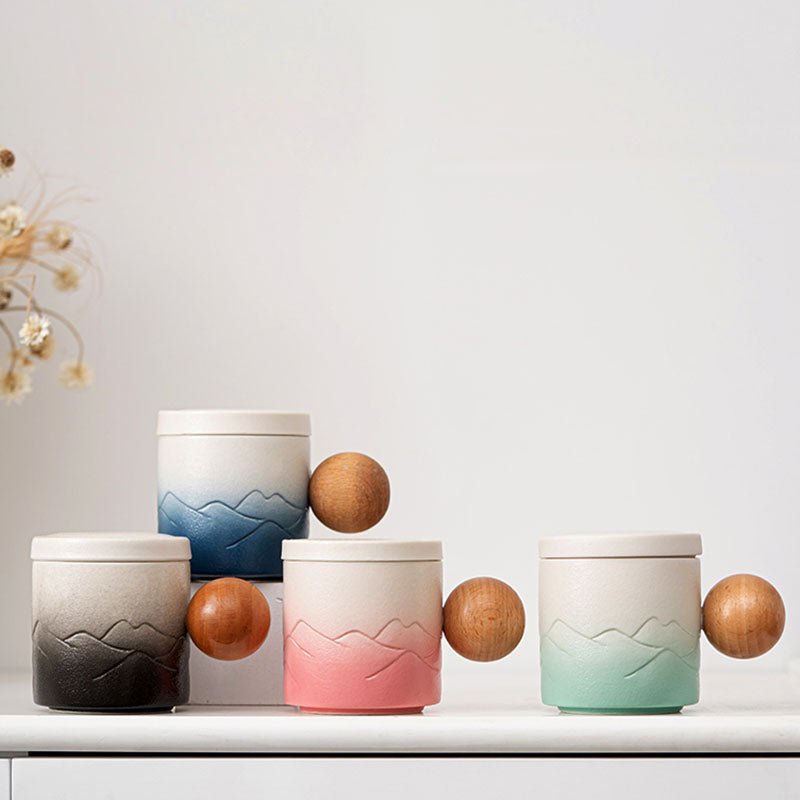
Wicked Coffee Mug Buying Guide for Fit, Feel, and Daily Use
A wicked coffee mug should feel right in the hand, fit your pour, and hold up after daily washing. We compare sizes, styles, and practical trade-offs so you can choose one that actually gets used.
Read more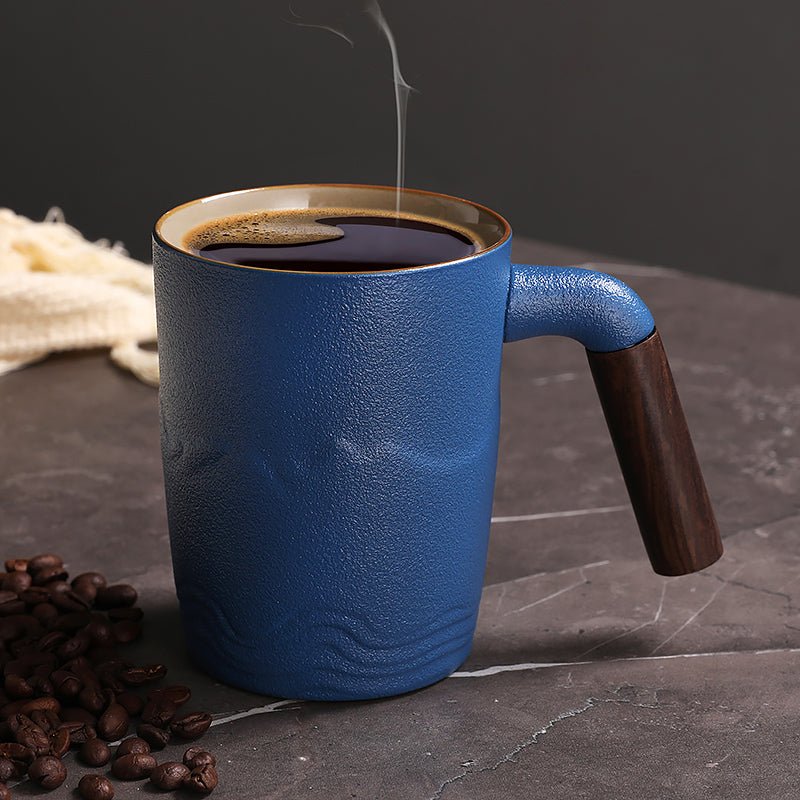
Ceramic Lined Coffee Mug Buying Guide for Everyday Use
A ceramic lined coffee mug can solve the taste-and-feel complaints that push buyers away from plain metal or basic ceramic. Here’s what we check in real use: lining quality, rim feel, size, and care.
Read more
Los kommentaar
This site is protected by hCaptcha and the hCaptcha Privacy Policy and Terms of Service apply.