

Vintage Irish Coffee Mugs: What to Check Before You Buy
Reading time: about 9 minutes
A chipped foot, a wobbly stem, or a handle that only fits one finger is enough to make a pretty mug annoying on a busy kitchen counter. That is usually the point where buyers realize vintage style and daily usability are not the same thing.
We handle and list drinkware with that exact problem in mind. In our store, we look at vintage Irish coffee mugs the way customers actually use them: on a morning counter, at an office desk, or as a gift that has to survive more than one wash cycle. If you want a broad starting point, our collection of mugs and drinkware is the easiest place to compare styles before you narrow down the look.
Vintage Irish coffee mugs are a specific category. They are usually clear glass, often footed, and sized for a layered hot drink rather than a giant latte. That matters because the best one for display is not always the best one for daily coffee.
What makes a vintage Irish coffee mug worth buying?
A good mug in this category should do three things at once: look authentic, feel steady in the hand, and make a hot drink easy to serve. The classic shape is recognizable for a reason. The stem lifts the bowl off the surface, the foot gives it balance, and the handle keeps your fingers away from the heat.
When we inspect mugs, we pay attention to a few details shoppers often miss:
- Glass thickness: thicker glass usually feels sturdier on a kitchen shelf, while very thin glass can look elegant but be more fragile.
- Handle clearance: a handle that actually fits two fingers is much easier to use with hot coffee or tea.
- Base stability: a flat, even foot matters more than the decorative look because a slight wobble becomes obvious on a slick countertop.
- Bowl shape: a wider bowl gives cream and coffee room to layer; a narrow bowl can make the drink look cramped.
If you like the retro look but want something that works for everyday coffee, our Retro Coffee Tea Cup is a practical alternative to a more fragile vintage-style glass mug. It is a better fit for someone who wants the mood without treating the cup like displayware.
Which size and shape should you choose?
Size is where a lot of buyers get caught. A mug can be beautiful and still be wrong for the drink you actually make. Vintage Irish coffee service is usually smaller than the oversized mugs people use for milk-heavy lattes, so a compact shape is often the better match.
As a general buying guide, think in terms of use rather than just capacity:
| Shape or size | Best for | Why it works | Possible drawback |
|---|---|---|---|
| Smaller, classic glass mug | Irish coffee, after-dinner drinks, espresso-based serves | Keeps the drink visually balanced and easier to finish while hot | Too small for a large everyday coffee |
| Medium vintage-style mug | Tea, cocoa, and smaller daily servings | More flexible for different drinks without losing the retro look | Less traditional if you want a strict Irish coffee presentation |
| Decorative footed mug | Display, gifting, occasional use | Looks closest to the classic bar-service style | Can feel delicate for everyday handling |
If you are comparing styles and you want a deeper breakdown of format, our article on Vintage Irish Coffee Mugs: How to Choose the Right One covers the basic decision points without pushing you toward the wrong size.
One practical rule: if the mug is meant for daily use at a desk or kitchen counter, prioritize comfort and stability over pure authenticity. If it will mostly live on a bar cart or in a cabinet until guests arrive, you can lean harder into the classic footed silhouette.
What materials and finishes hold up best?
Most vintage Irish coffee mugs are made from glass, but not all glass behaves the same way. Clear soda-lime glass is common and usually looks best with layered drinks because you can see the color separation. Heat-resistant glass can be a better choice if you plan to pour in very hot liquid often, but the feel and clarity can be different from old-style bar glass.
We also look at finish details, because that is where a mug can age gracefully or look tired fast:
- Clear glass: easiest to match with any kitchen, and the best at showing the coffee, cream, or tea color.
- Etched or textured glass: adds visual interest, but grooves can trap residue if you do not wash carefully.
- Colored accents or trim: can look more decorative, but delicate finishes are more likely to show wear after repeated washing.
Our guide to Clear Glass Irish Coffee Mugs: Buyer Guide for Size, Style, and Use goes deeper on why clear glass is still the safest buy for most shoppers. It is the least fussy option if you want a mug that works for coffee one day and dessert service the next.
For care, the safest routine is simple: rinse soon after use, wash with a soft sponge, and dry the foot and rim before stacking. Thin glass can pick up clouding from hard water, and decorative surfaces can scratch if they are stored against metal spoons or other mugs. If you expect repeated dishwasher use, choose a sturdier piece and avoid delicate trim.
How do you spot a mug that will not hold up?
Defects in this category are usually obvious once you know where to look. The issue is that photos often hide them, especially on clear glass. A mug can look perfect from the front and still have a weak rim, a tiny chip on the foot, or a handle that feels loose in the hand.
Before you buy, check these points:
- Run your eye around the rim: chips and rough spots matter because they are the first area your mouth touches.
- Look at the foot: a chipped or uneven base can make the mug rock on the counter.
- Inspect the handle joint: hairline cracks often show where the handle meets the bowl.
- Check for clouding or haze: this may signal heavy dishwasher wear or mineral buildup.
- Confirm symmetry: a bent-looking stem or tilted bowl is a sign the piece may not sit flat.
We have seen buyers fall for a mug because the silhouette looks right in a product photo, then regret it when the handle is too small for hot drinks. If you want the broader shopping logic behind that problem, our article on Irish Coffee Mugs: How to Choose the Right Glass for Serving is a useful second read.
There is also a trade-off worth saying plainly: the most delicate vintage-style mugs are often the prettiest and the least practical. If you want daily use with less worry, a sturdier retro cup is usually the better fit than a highly decorative collector-style piece.
Are vintage Irish coffee mugs practical for daily use?
Sometimes yes, sometimes no. A good vintage-style mug can absolutely live on a kitchen counter and get used regularly. But if your routine includes carrying coffee in the car, stacking mugs tightly in a cabinet, or putting everything through a heavy dishwasher cycle, this category is not always the smartest choice.
We would not recommend vintage Irish coffee mugs for:
- Travel coffee or on-the-go use
- Very large milk-heavy drinks that need a wider opening
- Households where mugs get stacked tightly and handled roughly
- Situations where you want one cup for rough daily use and zero hand-washing
They do make sense for a home bar, a guest shelf, or a kitchen that values presentation. They also make thoughtful gifts because the shape feels intentional without being hard to understand. If your buyer is more practical than decorative, our Coffee Mugs Vintage: How to Choose the Right Style for Daily Use article may be a better fit than a purely style-led guide.
In our experience, the best daily-use buyers are the ones who choose a mug that is slightly less delicate than the vintage look they first imagined. They still get the classic profile, but they avoid the regrets that come from choosing something beautiful and inconvenient.
Where should you start if you want the right balance of style and function?
Start with the use case, then pick the look. That sequence saves money and frustration. If the mug is for Irish coffee or after-dinner drinks, prioritize a clear glass bowl, steady foot, and comfortable handle. If it is mainly for everyday tea or coffee, look for a shape that feels easier to hold and clean.
Our store approach is straightforward:
- Choose the mug shape first.
- Check the handle size second.
- Look for the easiest care routine last.
If you want to compare more options in one place, the full collection is the fastest next step. If you want a more focused buying path, pair that with the product page for our Retro Coffee Tea Cup and decide whether you want a classic glass presentation or a more everyday retro style.
Frequently asked questions
Are vintage Irish coffee mugs safe for hot drinks?
They can be, as long as the glass is made for hot beverage use and the piece is not cracked or chipped. The safer choice is a mug with a stable base, a comfortable handle, and no visible stress marks around the handle joint or rim. If a mug feels thin and fragile in hand, we would not treat it as a daily hot-drink cup.
What size is best for Irish coffee?
A smaller mug is usually the better fit because Irish coffee is meant to be served as a balanced drink, not a giant mug of milk and coffee. Many shoppers prefer a compact format that leaves room for the cream topping without looking overfilled. If you plan to use the mug for tea or cocoa too, move slightly larger rather than chasing the smallest possible size.
Can I put vintage-style glass mugs in the dishwasher?
Some can handle it, but hand-washing is safer for thin glass, etched patterns, and any mug with delicate trim. Dishwasher heat and movement can speed up clouding, especially on pieces with fine finishes. If you want the least maintenance, choose a sturdier glass and still avoid overcrowding the rack.
What is the difference between a collector mug and an everyday mug?
A collector mug is usually chosen for look, scarcity, or nostalgia first. An everyday mug is chosen for comfort, stability, and easy care first. If you will actually use it several times a week, we recommend prioritizing the everyday traits even if the piece is less ornate.
How do I know if a mug has a hidden defect?
Check the rim, the base, and where the handle meets the body. Clouding, tiny chips, a rocking base, or fine cracks near the handle are the common warning signs. If a listing does not show those areas clearly, ask for close-up photos before you buy.
Before you check out, compare these four things: size, handle comfort, glass thickness, and care routine. If you want a broader comparison set, start with the collection, then narrow to the style that fits your counter, your dishwasher habits, and the way you actually drink coffee.
Read more
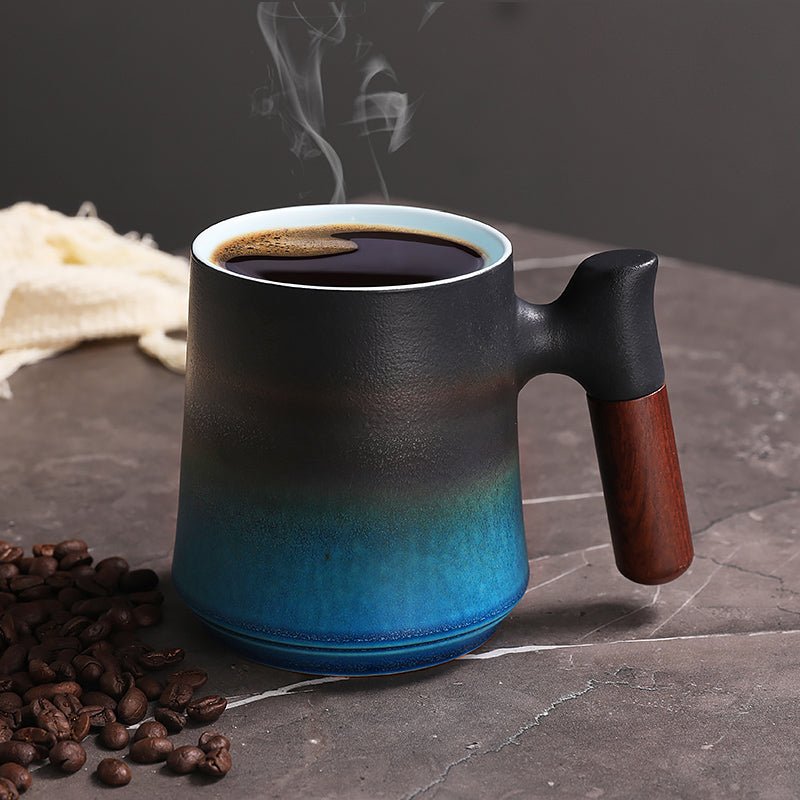
Cardinal Coffee Mugs: What to Look for Before You Buy
Cardinal coffee mugs are usually bought as gifts, seasonal kitchen pieces, or everyday cups with a little more personality. Here is how we compare size, shape, comfort, and care so you can choose o...
Read more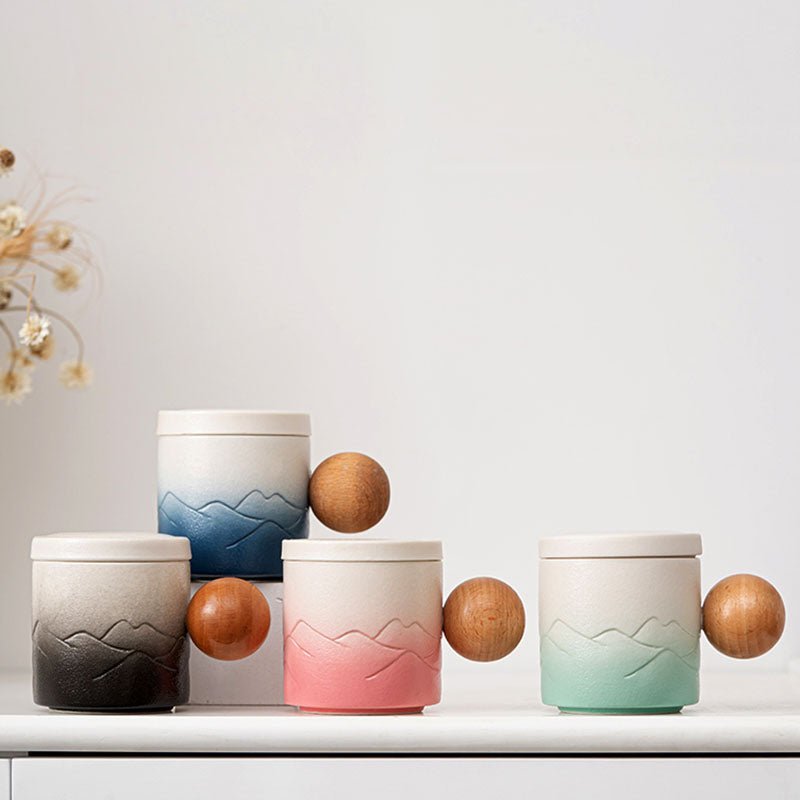
12 Ounce Coffee Mug Buying Guide for Daily Use and Better Fit
A practical guide to choosing a 12 ounce coffee mug for everyday coffee, tea, and gifting. We cover fit, comfort, real trade-offs, and what to check before you buy.
Read more
Los kommentaar
This site is protected by hCaptcha and the hCaptcha Privacy Policy and Terms of Service apply.