
Tin Coffee Mugs: What to Know Before You Buy
Reading time: about 9 minutes
We see the same pattern over and over: someone wants a lightweight mug for the office, the cabin, or a casual kitchen shelf, and they start searching for tin coffee mugs. Then the questions come in. Will they feel too light? Do they hold heat? Are they better than ceramic for everyday coffee?
That’s the right way to shop. Tin-style mugs can be a smart buy, but they are not the universal answer. In our store, we look at drinkware the same way shoppers do at the counter: how it feels in the hand, how it handles a dishwasher cycle, how it behaves after a hot pour, and whether it still looks good after a few weeks of real use.
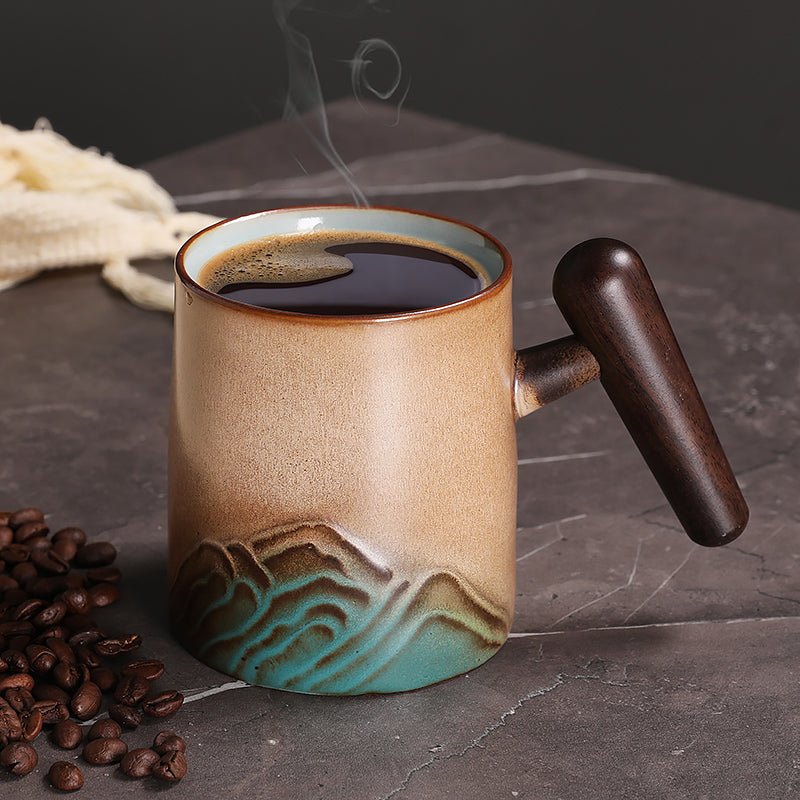
If you want to compare styles while you read, start with our full mug collection. For shoppers who want a finished, ready-to-gift option with a more decorative look, the Landscape Coffee Tea Mug, The Gradient Coffee Tea Mug, and Retro Coffee Tea Cup are useful reference points for what we mean by style, shape, and daily practicality.
What are tin coffee mugs actually good for?
Tin coffee mugs are best for light-duty, casual use. They fit naturally into camp-inspired kitchens, office break rooms, porch setups, and gift boxes where the goal is a simple mug that feels easy to carry and easy to store. They are also a sensible choice when the drinker values a lower-weight mug over a heavy ceramic or stoneware piece.
In practice, that means tin coffee mugs can work well for:
- Desk coffee that gets finished before it goes cold.
- Tea or hot chocolate served in a low-key setting.
- Cabin, RV, or camping-inspired kitchen setups.
- Gift purchases where the mug is part of a broader theme.
They are not the best fit for someone who wants the thick, insulated feel of a 16 oz ceramic mug, or for a person who leaves coffee sitting for a long time between sips. Tin and tin-style mugs generally feel lighter and can transfer heat faster than heavier ceramic or insulated drinkware.
How do tin coffee mugs compare with ceramic mugs in daily use?
The biggest difference is feel. Ceramic usually feels heavier, more stable on the table, and better at keeping a drink hot for longer. Tin-style mugs feel lighter in the hand and easier to carry from counter to desk, but they are not the mug we recommend if you want maximum heat retention.
Here’s the practical version we give shoppers:
| Category | Tin coffee mugs | Ceramic mugs |
|---|---|---|
| Weight | Lighter and easier to move | Heavier and more substantial |
| Heat feel | Can feel hotter to hold sooner after pouring | Usually more forgiving in the hand |
| Daily use | Good for quick, casual drinking | Better for all-day desk or home use |
| Style | Often vintage, simple, or camp-inspired | Broader range of shapes and finishes |
If you are trying to decide between mug sizes rather than materials, our size guides can help too. We’ve covered the most common buying decisions in 10 oz Coffee Mugs: How to Choose the Right One for Daily Use and 12 Ounce Coffee Mugs: Size, Fit, and Best Buying Choices, which are useful if you are comparing capacity before you choose a style.
What should you check before buying tin coffee mugs?
We recommend checking the same four details every time: finish, rim feel, handle comfort, and care instructions. Those are the places where a mug can look great in photos and still disappoint in real life.
- Finish: Look for an even surface and a coating that suits daily washing. Decorative finishes can look sharp, but they need a bit more care than plain utilitarian mugs.
- Rim: A smooth drinking rim matters. A thin or uneven rim is easy to notice the first time you take a sip.
- Handle: Make sure the handle gives enough room for two or three fingers without feeling cramped.
- Care: Check whether the mug should be hand-washed or can handle regular dishwasher use. That one detail affects long-term satisfaction more than shoppers expect.
There are also a few common defects or weak spots to watch for in this category. A thin coating can scuff faster on contact with other dishes. A poor glaze or finish can make the mug look patchy under bright kitchen lighting. And if a mug is too light, it can feel less stable when filled, especially on a cluttered desk or a slightly uneven tray table.
For shoppers who want more everyday decision support, our article on 12 oz Coffee Mugs: What to Check Before You Buy covers the kinds of fit-and-finish details that matter no matter which style you choose.
Which mug styles fit buyers who like tin coffee mugs?
Many shoppers searching for tin coffee mugs are really looking for the look and feel: light, simple, a little nostalgic, and not overly polished. That is why we often point them toward mugs with clean silhouettes and easy daily handling rather than the heaviest or most formal options.
Three styles in our store are useful comparisons:
- Retro Coffee Tea Cup if you like a vintage feel and a straightforward, everyday profile.
- The Gradient Coffee Tea Mug if you want a more visual finish that still works on a desk or kitchen shelf.
- Landscape Coffee Tea Mug if you want a mug that looks more decorative as a gift or display piece.
These are not tin mugs in the strictest material sense, and that matters. If your priority is a true tin or metal feel, a different product category may be better. If your priority is the vibe and usability around a lightweight mug, these are practical alternatives that avoid some of the drawbacks of very thin drinkware.
Are tin coffee mugs good for hot drinks every day?
They can be, but only for the right type of drinker. If you make coffee and finish it promptly, tin coffee mugs can be perfectly fine. If you sip slowly over an hour, you may prefer ceramic because the mug body tends to feel less reactive to temperature and more comfortable to hold after the pour.
There are a few real-world scenarios where we see the difference clearly:
- Kitchen counter use: Great for quick morning coffee before you head out.
- Office desk use: Good if you move your mug often and don’t want a heavy piece taking up space.
- Gift unboxing: Works well when presentation matters and the mug is part of a theme or set.
- Long meetings or long reading sessions: Not ideal if you want the drink to stay warm for a long time without reheating.
The limitation is simple. Tin coffee mugs are usually not our first choice for insulation. If thermal performance is your top priority, a thicker ceramic mug is a safer buy. If easy handling and lighter weight matter more, tin-style mugs stay in the conversation.
How should you care for tin coffee mugs so they last longer?
Care depends on the finish, but the safe approach is gentle handling and prompt washing after use. That is especially true if the mug has a decorative exterior or a coated surface.
Our practical care checklist is straightforward:
- Wash soon after use to prevent coffee or tea residue from setting in.
- Use a soft sponge instead of abrasive scrubbers on printed or coated surfaces.
- Dry thoroughly before storing, especially if the mug is made with metal elements or a finish that can show water spots.
- Avoid stacking mugs too tightly if the exterior finish can rub against another cup.
One thing tin-style mugs are not ideal for is rough, all-day dishwasher abuse if the finish is delicate. A plain ceramic mug usually tolerates that routine more easily. If you want a mug that can live in the dish rack without much thought, compare styles carefully before you buy.
Which size should you choose if you are comparing mug options?
Size matters as much as material. A light mug can still be the wrong mug if the capacity is off for your usual drink. We often see shoppers choose based on looks first, then realize they wanted more room for milk, tea, or a longer pour.
If you are still deciding between common everyday sizes, these guides are worth a look: 14 Ounce Coffee Mugs: Size, Fit, and Buying Guide and 16 Ounce Ceramic Coffee Mugs: Buying Guide for Daily Use. They help you compare how much beverage space you really want at home or at work.
As a quick rule of thumb:
- Smaller mugs suit espresso-based drinks, short black coffee, and tea.
- Mid-size mugs work better for drip coffee, lattes, and mixed drinks with milk.
- Large mugs are best for people who want fewer refills and more room for additives.
That’s why a mug can look perfect online and still be wrong in person. A tin coffee mug in the right size feels nimble and useful. The same mug in the wrong size can feel too small for a morning brew or too light for a desk that sees a lot of use.
Frequently asked questions
Are tin coffee mugs safe for hot coffee?
Yes, they are generally used for hot coffee, but they can transfer heat quickly and may feel hot to the touch sooner than ceramic. If you prefer a mug you can hold comfortably right after pouring, a thicker ceramic option may be a better fit.
Can tin coffee mugs go in the dishwasher?
Some can, but not all finishes hold up the same way. We always recommend checking the care instructions for the exact mug, especially if it has a printed, painted, or decorative surface that could wear faster in a dishwasher.
Do tin coffee mugs keep coffee hot as long as ceramic mugs?
Usually not. Ceramic tends to be the better choice if heat retention is your main goal. Tin coffee mugs are better for light weight and casual use than for long heat holding.
Are tin coffee mugs good for camping or travel?
They can be good for camping-style use, especially where light weight matters. For actual travel in a moving vehicle, a lidded travel mug is usually safer because it reduces spills.
What should I buy instead if I want a mug with a tin-style feel but better everyday usability?
Look at lightweight ceramic mugs with simple shapes and comfortable handles. In our experience, shoppers often like the look of tin coffee mugs but prefer the stability and easier care of a well-made ceramic mug for daily home use.
If you want to compare styles side by side, start with our full collection, then check the size and use-case guides above before you choose. That usually leads to a better match than buying on appearance alone.
Read more
Coffee Cups and Mugs: How to Choose the Right Style for Daily Use
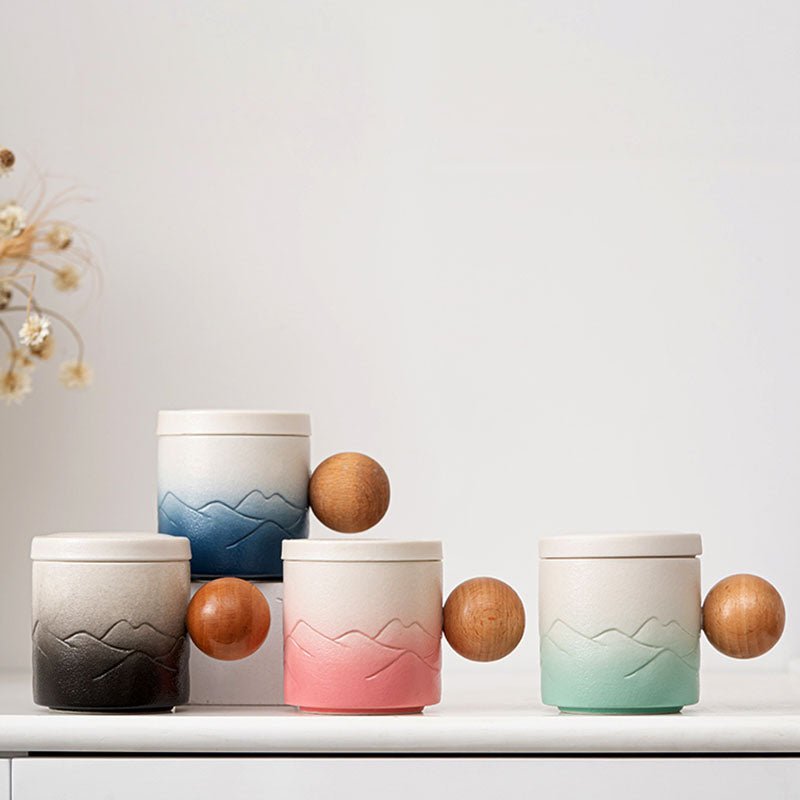
Compare coffee cups and mugs by size, shape, handle comfort, and daily cleanup so you can choose one that fits your counter, desk, and drink habits. We also point you to styles in our store that ma...
Read more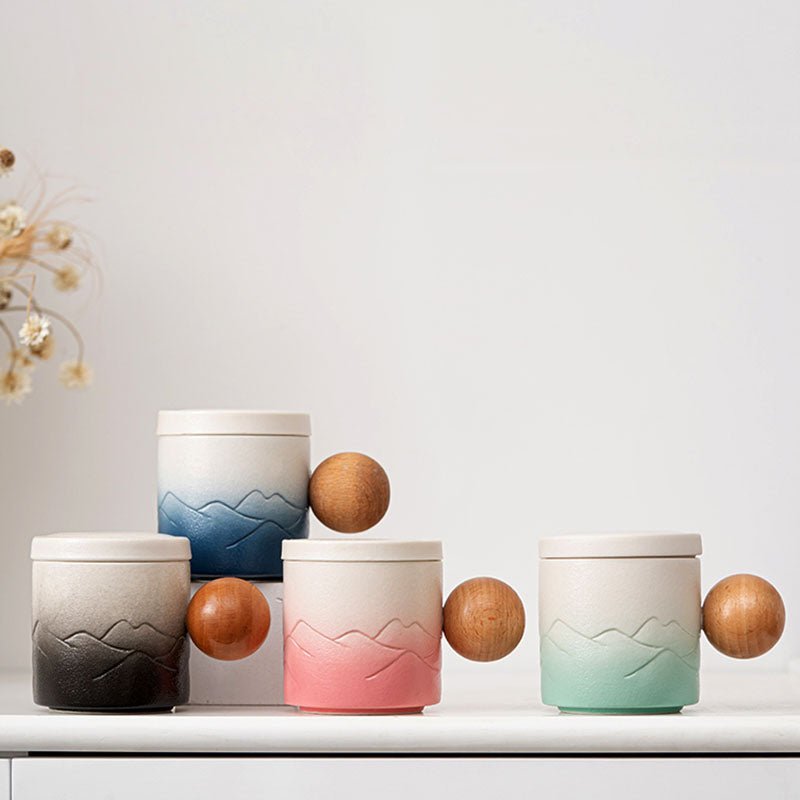
Coffee Big Mug Buying Guide for Daily Use and Comfort
A practical guide to choosing a coffee big mug that fits your routine, your counter space, and how you actually drink coffee. We cover size, handle comfort, materials, care, and the trade-offs that...
Read more
Los kommentaar
This site is protected by hCaptcha and the hCaptcha Privacy Policy and Terms of Service apply.