
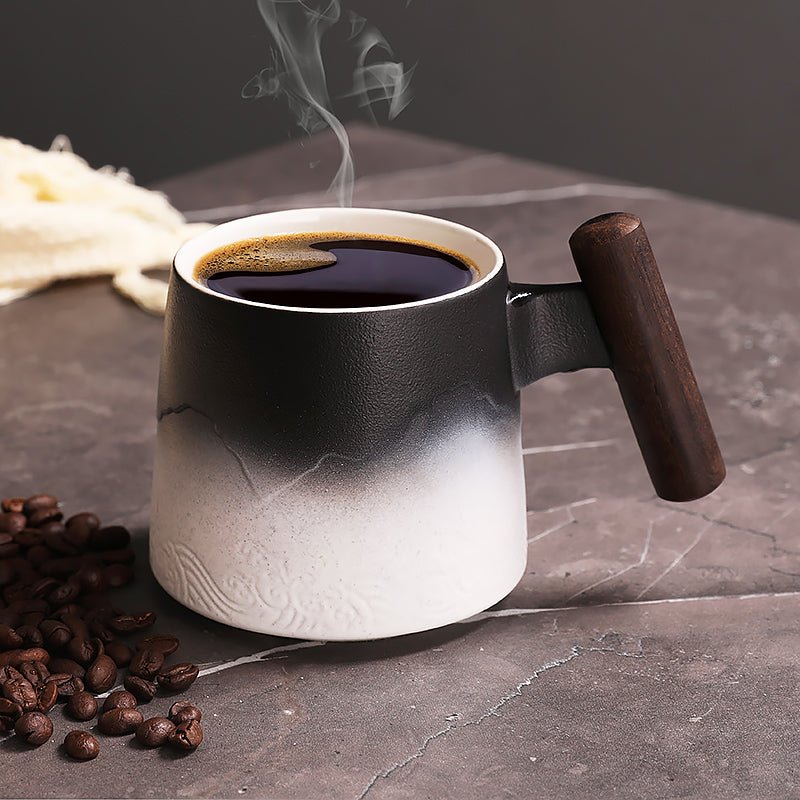
Thermal Coffee Mug: What to Check Before You Buy
Reading time: about 9 minutes
A mug that leaks once in a work bag gets remembered fast. So does one that keeps coffee warm on the way to the office but feels awkward in the hand at a desk.
That is the real job of a thermal coffee mug: hold temperature, stay closed when needed, and still feel easy to drink from. In our store, we see shoppers compare these mugs for commutes, long meetings, school drop-offs, and gift sets. The best choice depends less on hype and more on a few practical details that are easy to miss online.
If you are comparing styles across our store, you can start with our full collection or browse our products page to see what fits your routine.
What makes a thermal coffee mug different from a regular mug?
A regular ceramic mug is fine for a kitchen table. A thermal coffee mug is built for heat retention and spill control. That usually means double-wall construction, a tighter lid, and a body designed to reduce heat loss while keeping the outside comfortable to hold.
In practical terms, that can mean:
- Double-wall insulation that slows heat loss better than a single-wall cup.
- Stainless steel bodies that handle bags, desks, and daily carry more reliably than fragile materials.
- Lids with seals or sliding openings that help prevent sloshing during a commute.
That said, a thermal coffee mug is not the best pick for every drinker. If you mainly sip at home and want a wider, open feel, a standard ceramic mug may be more comfortable. If you want all-day insulation for a long road trip, a larger travel mug may suit you better than a compact cup.
Which size should you buy for your routine?
Size matters more than most shoppers expect. Too small, and you refill constantly. Too large, and the mug may feel bulky on a desk or in a cup holder.
We usually help buyers think in use cases:
| Use case | What usually works | Why it helps |
|---|---|---|
| Desk coffee | Smaller to mid-size mug | Fits beside a keyboard and is easier to sip slowly |
| Commute or car cup holder | Travel-friendly thermal mug | More stable in a vehicle and often spill-resistant |
| Long morning, fewer refills | Larger capacity | Reduces trips back to the kitchen |
If you are torn between compact and larger styles, our related guides can help. We break down buying questions in 8 oz Coffee Mug: What to Check Before You Buy and 20 oz Coffee Mug: What to Check Before You Buy. Those size discussions apply here too, because capacity changes how a mug feels in daily use.
Which materials hold up best in daily use?
Material choice affects durability, taste, and care. The most common thermal coffee mug builds use stainless steel for the body, with a plastic or silicone lid. Some have powder-coated exteriors for grip. Others use a smooth brushed finish that is easier to wipe clean but may show fingerprints.
Here is how we think about it in the store:
- Stainless steel: Best for durability and temperature retention. Good for bags, desks, and regular travel.
- Plastic lids: Common and lightweight, but the seal quality matters. A weak lid is the most common complaint we hear.
- Silicone gasket or seal: Helps reduce leaks, but it should be easy to remove and clean. If it traps coffee residue, the mug becomes annoying fast.
We also pay attention to the drinking edge. A thin, smooth rim feels better than a bulky one, especially for people who use the mug all morning. In our experience, the lid design can make or break the purchase. A mug can look great on a product page and still frustrate you if the sip opening is awkward or hard to close with one hand.
How do you tell if the lid is actually spill-resistant?
This is where many buyers get disappointed. “Leak-resistant” is not the same as leak-proof. A thermal coffee mug that handles a desk bump may still spill if it is laid sideways in a bag or tossed around in a car seat.
Before buying, check for these details:
- Seal type: Look for a lid with a real gasket or fitted seal, not just a loose press-on top.
- Closure style: Slide lids are easy for quick sips, but a locking lid often gives better peace of mind in transit.
- One-hand use: If you drink while driving or carrying items, test whether the opening can be operated cleanly with one hand.
- Cleaning access: A lid with too many small channels can trap residue and become hard to keep fresh.
A lot of shoppers buy for commuting, then discover they actually use the mug at a desk. If that is you, a slightly simpler lid can be the better choice. If you need something for bags and handoffs, prioritize closure security over ease of sipping.
What should you check for cleaning and care?
A thermal coffee mug that is hard to clean does not stay in rotation for long. Coffee oils cling to lids, seals, and the inside of narrow openings. If the mug has a complex cap or multiple moving parts, it should be easy to take apart and reassemble.
We recommend checking these care points before purchase:
- Dishwasher compatibility: Some bodies are top-rack friendly, but some finishes and lids need hand washing. Always check the product details.
- Gasket removal: If the silicone seal lifts out, you can rinse trapped residue more thoroughly.
- Opening width: A wider mouth is usually easier to clean by hand than a very narrow tube-style opening.
- Odor resistance: Stainless steel usually handles coffee better than porous materials, but the lid still needs regular washing.
From our side, we always tell buyers not to assume “easy care” means “no care.” Even a well-made mug will pick up coffee oils if it sits in a car for days. A quick rinse after use goes a long way.
Is a thermal coffee mug good for hot drinks only?
No. Many shoppers use one for iced coffee, cold brew, or even water throughout the day. Thermal construction helps with both hot and cold drinks, though the performance depends on the lid, seal, and how often the mug is opened.
That said, there are trade-offs:
- Best for hot coffee: It keeps a morning cup more enjoyable during a commute or meeting.
- Useful for cold drinks: It can help slow ice melt and keep a drink chilled longer.
- Not ideal for all-day open sipping: If the lid stays open at a desk for hours, insulation matters less.
If you want a mug mainly for a desk, our article Best Coffee Mug: What Actually Matters for Daily Use is worth a look. It helps separate what feels nice in the hand from what actually works over a full workday.
What are the most common problems shoppers run into?
We see the same issues come up again and again, especially when a thermal coffee mug is bought without checking the fine details.
- Condensation or heat loss: Usually a sign of weak insulation or a poor lid seal.
- Leaking from the sip area: Often caused by a lid that closes loosely or a gasket that does not seat well.
- Metallic taste or odor: Sometimes caused by the first wash or by residue left in the lid.
- Uncomfortable grip: A mug may be too wide, too tall, or too slick for daily handling.
The fix is usually not complicated, but it starts before checkout. Read the product details carefully, look for mentions of lid design and care, and think about how you will actually use the mug. A commute mug and a kitchen mug are not the same thing, even if both hold coffee.
Who should buy a thermal coffee mug, and who should skip it?
A thermal coffee mug is a strong choice if you want:
- Hot coffee that stays drinkable beyond the first few minutes.
- A mug that handles commuting, desk use, or short travel.
- Less risk than an open ceramic cup near bags or electronics.
- A reusable option that replaces disposable cups during your routine.
You may want a different style if you prefer:
- A wide, open drinking feel at home.
- A very large insulated vessel for road trips or all-day hydration.
- A mug with a decorative look first and performance second.
Our team has found that the happiest buyers are the ones who match the mug to the setting first. That is why we spend so much time on use case, not just appearance.
How do you choose the right thermal coffee mug before buying?
A quick pre-purchase check can save you from buying the wrong shape or lid style. Use this list before you place an order:
- Pick the setting: desk, commute, car, or home.
- Choose the capacity: compact, mid-size, or larger depending on refill habits.
- Check the lid: spill-resistant, easy to open, and simple to clean.
- Confirm the material: stainless steel body, lid construction, and finish.
- Review care instructions: dishwasher, hand wash, gasket cleaning, and finish care.
- Think about storage: cup holder fit, bag carry, and cabinet space.
If you are still comparing options, our Best Coffee Travel Mug: What Shoppers Should Check Before Buying guide is a useful next read for buyers who need stronger spill protection. And if you are choosing between several everyday styles, Awesome Coffee Mugs: How to Choose a Mug You’ll Actually Use can help narrow the field.
Frequently asked questions
Is a thermal coffee mug worth it for office use?
Yes, if you want coffee to stay warmer between meetings and you do not want to keep reheating it. A thermal coffee mug is also less likely than an open mug to spill near a keyboard. If you mostly sip quickly and refill often, a standard mug may be enough.
Can I put a thermal coffee mug in the dishwasher?
Some can go in the dishwasher, but not all lids and finishes should. We recommend checking the care instructions for both the body and the lid, since the seal or gasket may need hand washing. If the lid has small channels, hand washing usually keeps it cleaner.
Will a thermal coffee mug fit in a car cup holder?
Some will, some will not. The shape matters as much as the capacity, so a narrower base is usually better for cars. If you plan to use it during a commute, check the base diameter and lid height before buying.
What size thermal coffee mug is best for everyday coffee?
For many buyers, a mid-size mug is the easiest everyday pick because it balances portability and refill frequency. Smaller mugs feel better at a desk, while larger ones are better if you want fewer refills. The right size depends on how long your coffee sits before you finish it.
What should I check first if I want a leak-resistant mug?
Start with the lid. Look for a secure seal, a closing mechanism that feels firm, and a design that is easy to clean without leaving residue behind. A good body matters too, but the lid is usually where problems start.
If you want to compare styles side by side, start with our full collection and look for the mug that matches your desk, commute, or kitchen routine. The best thermal coffee mug is the one that fits your day without asking you to change how you drink coffee.
More from our blog
Read more
Insulated Travel Coffee Mugs: How to Choose the Right One
Practical buying guidance for insulated travel coffee mugs, with real trade-offs on heat retention, lid style, size, and daily use. Built for shoppers comparing options before they buy.
Read more
Coffee Mug That Keeps Coffee Hot: How to Choose the Right One
A practical buyer’s guide to picking a coffee mug that keeps coffee hot without making the drink metallic, awkward to sip, or hard to clean. We break down materials, lids, sizes, and the trade-offs...
Read more
Los kommentaar
This site is protected by hCaptcha and the hCaptcha Privacy Policy and Terms of Service apply.