

The Perfect Coffee Mug: How to Choose the Right One for Daily Use
Reading time: about 10 minutes
We see this choice play out a lot: someone buys a mug that looks great online, then it feels too small for their morning pour, too hot to hold comfortably, or awkward on a desk next to a laptop. The perfect coffee mug is usually not the fanciest one. It is the one that fits the drink, the hand, the dishwasher, and the way you actually use it.
At CoffeifyMug, we look at mugs the way shoppers do in real life. Will it sit securely on a crowded office desk? Does the handle leave enough room for two fingers without pinching? Does the glaze hold up after repeated wash cycles? Those details decide whether a mug becomes your daily favorite or just another item in the cabinet.
What makes the perfect coffee mug for daily use?
The best mug for daily use is a balance of size, comfort, durability, and cleanup. A mug that looks beautiful but splashes on the way to the couch is not the right pick. A mug that holds the right amount but feels awkward in the hand is also a miss.
In our store, the buyers who are happiest usually prioritize these four things:
- Capacity: Enough room for the drink you actually make, not just the one you imagine.
- Shape: A wide opening cools coffee faster; a narrower opening holds heat longer.
- Handle comfort: The best handle is easy to grip with a full mug, not just when it is empty.
- Care: Dishwasher-safe care is a real advantage if the mug lives in a busy kitchen or office.
If your main question is size, our related guides on 10 oz Coffee Mug: Size, Fit, and What to Check Before You Buy and 11 oz Coffee Mug: Size, Fit, and What to Check Before You Buy cover the fit side in more detail. Those sizes are common because they work for many households, but the right one still depends on how you drink.
Which mug size works best for coffee, tea, and bigger pours?
Size affects everything: drink temperature, spill risk, and how the mug feels in your hand. A smaller mug can keep coffee feeling more focused and manageable. A larger mug is better if you pour more, add milk, or want room for tea bags, foam, or extra water.
Here is the practical breakdown we use when helping shoppers compare options:
| Size range | Best for | Trade-off |
|---|---|---|
| 10 oz | Smaller coffee servings, espresso-based drinks, tighter cabinet storage | Less room for milk or larger pours |
| 11 oz | Standard daily coffee, office use, balanced everyday fit | May feel small if you like oversized drinks |
| 12 oz | Longer drinks, tea, milk-heavy coffee, people who refill less often | Can be a little bulkier on a small desk |
If you want a deeper comparison, our 12 Ounce Coffee Mug Buying Guide for Daily Use and Better Fit is helpful for shoppers deciding between standard and slightly larger capacity. It is a practical choice if your morning routine includes extra cream, tea bags, or a longer desk session.
For many buyers, the perfect coffee mug is the one that matches their routine without forcing them to adjust it. If you always pour a full travel-cup-sized drink into a small mug, you will notice overflow and mess fast. If you only drink a shorter cup, a large mug can cool too slowly and feel clunky.
How do shape, handle, and weight change the way a mug feels?
This is where online photos can be misleading. Two mugs can look similar and feel completely different once filled. A good mug should feel balanced, not top-heavy. The handle should support a normal grip without forcing your fingers against the ceramic body.
Here are the details we inspect in our store before we recommend a mug:
- Rim thickness: A smoother rim usually feels better for sipping and does not distract from the drink.
- Handle opening: A handle that is too narrow is fine for display, but annoying in daily use.
- Base stability: A flat, even base matters on wood desks, tile counters, and narrow office trays.
- Weight distribution: Heavier mugs can feel sturdy, but they should not strain your wrist when full.
We have seen buyers return to a mug because it simply “felt right” on a kitchen counter at 7 a.m. That is not a vague preference. It usually means the mug was balanced, easy to lift, and comfortable enough that the person kept reaching for it.
Which styles are worth considering if you want the perfect coffee mug?
Style matters more than people expect because it affects how often a mug gets used. A mug you love looking at is more likely to stay in rotation. That said, style should still serve the function. A decorative mug that is hard to hold is not a win.
If you want a practical starting point, these three styles from our shop are easy to compare:
- Landscape Coffee Tea Mug: A strong choice if you want a scenic look that feels calm on a kitchen shelf or work desk. Good for buyers who want a mug that feels personal without being loud.
- The Gradient Coffee Tea Mug: A cleaner, modern option for shoppers who prefer color without heavy decoration. This style tends to fit well in minimalist kitchens and shared office spaces.
- Retro Coffee Tea Cup: Best for shoppers who like a more nostalgic profile and a mug that stands out in gift unboxings. It is a good fit if you want character on the table.
These styles are all usable for coffee and tea, but they serve slightly different buyers. The Landscape mug leans relaxed and display-friendly. The Gradient mug feels a bit more everyday and modern. The Retro cup brings more personality, which can be exactly what you want for a gift but may not suit someone who wants a plain, understated look.
If you want to browse the broader mix before narrowing down, our all mugs collection is the fastest way to compare what fits your taste and routine.
What materials and care details should you check before buying?
Material and finish matter because they affect how the mug behaves after repeated use. In this category, ceramic remains a familiar choice for a reason: it tends to feel solid, hold heat reasonably well, and offer a smoother drinking experience than many lightweight alternatives. But not all ceramic mugs behave the same once they start going through real kitchen life.
Before you buy, check for these practical points:
- Dishwasher care: If the mug is going into a shared dishwasher, look for a finish that is meant to handle regular wash cycles without fading or dulling quickly.
- Microwave use: Some buyers rely on reheating. If that matters to you, confirm the mug is suitable for it before assuming it is.
- Glaze quality: A smooth, even glaze is easier to clean and less likely to hold staining from coffee or tea.
- Edge and handle finish: Check for rough spots, uneven seams, or sharp transitions where the handle meets the body.
Common defect modes we watch for in mugs include uneven bases that rock on a flat surface, thin glaze areas that show wear sooner, and handles that look fine but feel cramped once the mug is full. Those issues do not always show up in a product photo, which is why practical use matters more than a polished image.
Our experience is simple: shoppers are happiest when the mug survives the ordinary stuff — morning pours, a crowded sink, desk use, and the dishwasher — without making them think about it every day.
What should you buy if this mug is a gift?
Gift buyers need a different checklist. The best gift mug should be easy to like quickly, safe to use often, and visually clear enough that it reads well the moment it is opened. We see this a lot during unboxings: a mug that photographs beautifully but feels overly niche can be harder to gift than one with broad appeal.
For gifting, prioritize:
- Neutral or widely liked color: Safer for coworkers, relatives, and housewarming gifts.
- Comfortable handle: A mug should feel good immediately, not after a week of adjustment.
- Versatility: Coffee today, tea tomorrow, maybe hot chocolate on the weekend.
- Easy care: Gift recipients appreciate a mug they do not have to baby.
If you are buying for someone who keeps a mug at work, the right choice is often one that looks polished but not fragile. If they use it at home, a mug with a little more personality usually lands better. The Retro Coffee Tea Cup can be a strong gift pick because it has more visual character. The Gradient Coffee Tea Mug is easier if you want something modern and broadly suitable.
How do you tell if a mug is perfect for your counter, desk, or cabinet?
Think about where the mug will live. A kitchen shelf has different constraints than a workstation or a small apartment cabinet. The perfect coffee mug for one environment can be awkward in another.
Use this quick real-world check:
- Small kitchen cabinet: Choose a shape that stacks or nests easily and does not waste shelf space.
- Office desk: Go for a stable base and a size that does not crowd a keyboard or notebook.
- Morning coffee station: Pick a mug that is easy to grab quickly and that pairs well with your brewer.
- Gift shelf: Choose a style that looks intentional even when not in use.
That is why some shoppers land on the simple, useful route, while others choose the mug that makes them smile every time they see it. Both are valid. The wrong choice is buying only for looks and ignoring daily use.
What are the most common mistakes people make when buying a coffee mug?
We see the same mistakes repeated because they are easy to make online. A mug picture can hide a lot. A size label can be accurate and still not be the right fit for the drink you make every day.
- Choosing by design alone: Great for gifts, risky for daily use if the handle or weight is off.
- Ignoring drink habits: If you add milk, foam, or extra water, a smaller mug may feel cramped.
- Overlooking care: If you want hassle-free cleanup, choose a mug that fits your dishwasher routine.
- Not checking the feel: The mug needs to work in the hand, not just on a screen.
Our suggestion is to treat the mug like a daily tool first and a decorative item second. That mindset usually leads to a better purchase.
Frequently asked questions
What size is the perfect coffee mug for everyday use?
For many buyers, 10 oz to 12 oz is the most practical range. Ten ounces works well for smaller servings, 11 oz is a classic everyday middle ground, and 12 oz gives you a little more room for milk, tea, or bigger pours. If you want more detail on fit, our size guides for 10 oz and 11 oz mugs are useful comparisons.
Is ceramic the best material for the perfect coffee mug?
Ceramic is a strong everyday choice because it feels solid, drinks comfortably, and is familiar to most shoppers. It is not the lightest option, so it may not suit someone who wants a very travel-friendly cup. For home, office, and gift use, ceramic is often the most balanced option.
Which mug style is best for a gift?
A gift mug should be easy to like, simple to use, and visually clear. The Retro Coffee Tea Cup works well for shoppers who want more personality, while the Gradient Coffee Tea Mug is a safer modern pick. If you want to browse more options, the full collection makes comparison easier.
What should I check before buying a mug online?
Check capacity, handle size, base stability, and care instructions. Those details matter more than the product photo. We also recommend checking whether the mug is suitable for the way you actually use it, especially if you rely on a dishwasher or reheating.
What is the downside of choosing a larger coffee mug?
A larger mug gives you more room, but it can feel bulky on a small desk and may keep coffee hot longer than you want. If you usually drink smaller amounts, a 12 oz mug may be more cup than you need. In that case, an 11 oz or 10 oz mug may feel more natural.
If you are comparing options right now, start with the mug that matches your daily pour, then compare handle feel and style. From there, check our all mugs collection to see which design fits your kitchen, desk, or gift list best, and use the size guides above if you are still deciding between 10 oz, 11 oz, and 12 oz.
Read more
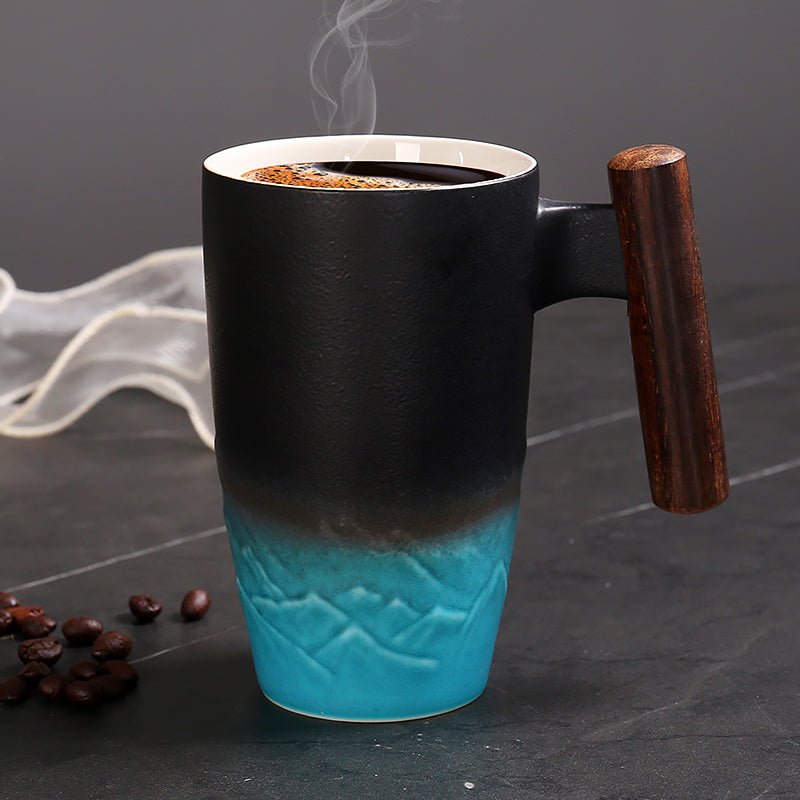
Tall Coffee Mugs With Handle: How to Choose the Right One
Tall coffee mugs with handle can be a better fit for long drinks, tea, and desk use, but not every tall mug feels stable or comfortable in hand. This guide compares handle shape, mug height, materi...
Read more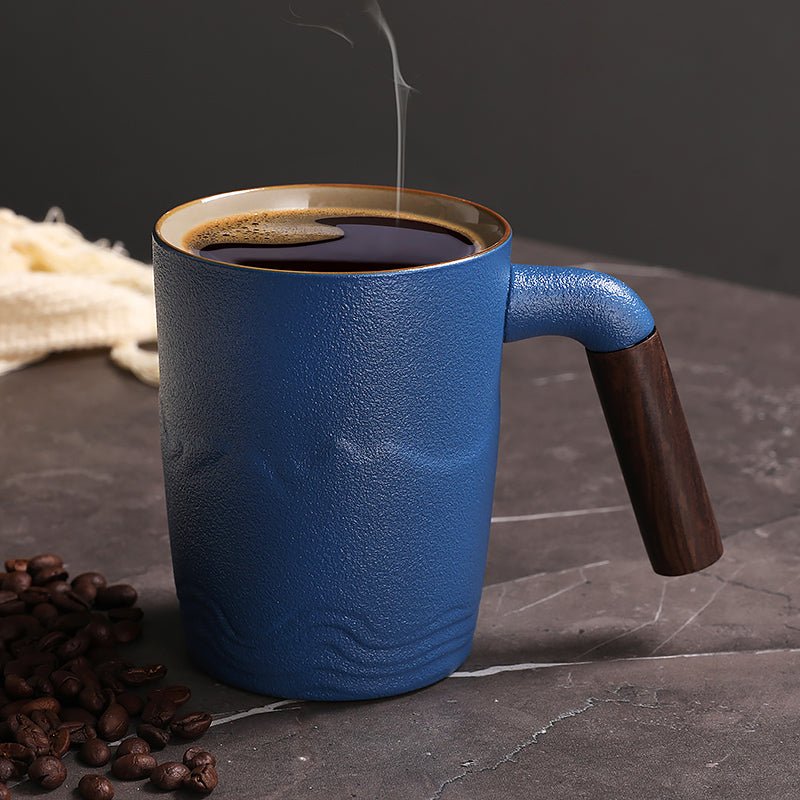
The Perfect Coffee Mug: How to Choose the Right One for Daily Use
A practical buying guide for shoppers comparing the perfect coffee mug for home, office, or gifting. We break down size, shape, material feel, and which styles suit different routines.
Read more
Los kommentaar
This site is protected by hCaptcha and the hCaptcha Privacy Policy and Terms of Service apply.