
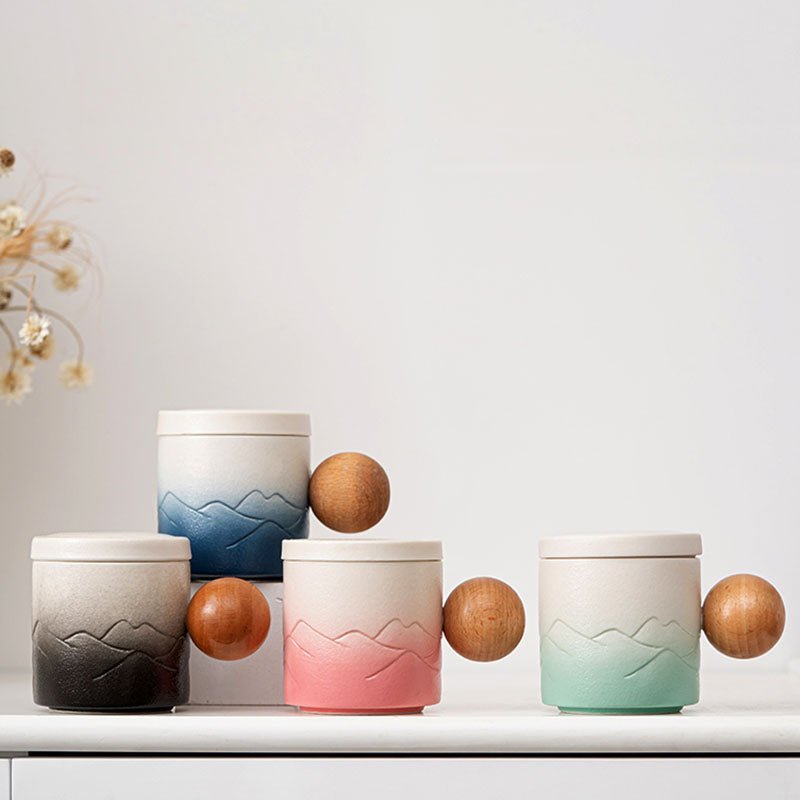
Tea Mug Buying Guide: Best Materials, Sizes, and Everyday Use
A tea mug that looks perfect online can feel wrong the first time it hits your kitchen counter. It might be too shallow for a proper brew, too heavy for an office desk, or too thin to keep tea warm through a long meeting. We see that mismatch all the time in our store conversations, especially from shoppers who want something simple but still specific enough to suit their routine.
That is why we treat a tea mug as more than a basic cup. The right one depends on how you drink tea, where you use it, and how much cleaning you are willing to do after each refill. If you want the quickest place to compare live options, start with our Tea Mugs collection. If you already know you want a smaller ceramic shape for tea breaks or gifting, the Pleated Coffee Tea Cup is one of the clearest product references in our current range.
For shoppers who are still comparing capacity and everyday fit before committing, our Coffee Mug Size Guide and Coffee Mug Buying Guide help narrow things down without having to bounce around generic collection pages first.
What makes a tea mug better for daily use?
A good tea mug should feel comfortable in the hand, hold a temperature you can actually drink at, and survive repeated dishwasher cycles without the glaze or print getting tired. In our experience, the best everyday mugs are the ones that balance three things: capacity, wall thickness, and rim shape.
For example, a mug in the 10 to 14 oz range is usually the sweet spot for most tea drinkers. It is large enough for a standard serving, but not so oversized that your tea cools before you finish it. A wider body can help tea release aroma, while a narrower shape tends to hold heat longer. Neither is universally better. It depends on whether you prefer a faster sip or a slower, warmer drink.
We also pay attention to the rim. A rolled or smooth rim tends to feel better against the lips, especially for people who drink plain black tea or green tea without milk. A thin, sharp rim can make a mug feel cheaper even if the rest of it is solid.
What details matter most before you buy?
- Material: Ceramic is the common choice for tea because it balances heat retention and easy cleaning. Stoneware usually feels heavier and sturdier. Porcelain feels lighter and more refined, but can be less forgiving if you are rough with dishes.
- Capacity: Think about your real pour size. A mug that claims to be large may still feel cramped once you add tea bags, milk, or a spoon.
- Handle size: A handle should fit at least two fingers comfortably. If you often drink tea while typing, reading, or standing at a counter, this matters more than decorative shape.
- Finish: Matte finishes can show tea residue differently than glossy ones. Glossy glazes are often easier to wipe clean.
If you want a quick visual reference, compare the overall range in our Tea Mugs collection first, then inspect a more sculpted option like the Pleated Coffee Tea Cup if you want a smaller ceramic profile with a more giftable look.
Which material should you choose for a tea mug?
The material changes how the mug feels, how long it keeps tea warm, and how easy it is to live with. We handle a lot of ceramic-style drinkware, and the pattern is consistent: people love the look of one mug but end up keeping the one that behaves well in daily use.
| Material | Best for | Trade-off |
|---|---|---|
| Ceramic | Everyday tea, home use, easy cleaning | Can chip if knocked against a sink or tile |
| Stoneware | A heavier feel and better heat retention | Usually bulkier and less delicate in hand |
| Porcelain | Lightweight drinking and a cleaner look | Often feels more delicate and can be less forgiving |
Ceramic is the most versatile pick for most buyers. It is usually microwave friendly, dishwasher friendly, and comfortable for both loose-leaf tea and tea bags. Stoneware is a good fit if you want a mug that feels substantial on a desk or breakfast table. Porcelain suits shoppers who care about a lighter feel and a more refined profile.
There are limits, though. A thicker mug may keep tea warmer, but it also takes longer to heat up. A lighter mug is easier to hold, but it may not stay hot as long. If you regularly forget your tea while answering emails, a thicker body can help. If you are the type who drinks in five minutes flat, that advantage matters less.
If your main priority is easy comparison across ceramic-first options, our Ceramic Mug Buyer's Overview is a better next step than a catch-all store browse because it keeps the decision anchored to material and use case.
What size tea mug works best for tea bags, loose leaf, or milk tea?
The right size depends on what ends up in the cup. This is where a lot of shoppers choose by appearance and regret it later. A tea mug that is ideal for black tea can feel awkward for a larger milky drink, and a big mug can make a delicate green tea taste diluted.
Here is the most practical way to think about it:
- 8 to 10 oz: Best for smaller servings, strong tea, and people who want the drink to stay warmer longer.
- 10 to 14 oz: The easiest all-around range for everyday use, especially for tea bags or standard loose-leaf infusions.
- 14 oz and up: Better for milk tea, large tea pours, or desk use where you want fewer refills.
A larger mug is not automatically better. If the bowl is wide and shallow, tea will cool faster. That is fine if you drink quickly, but it is not ideal if you sip slowly between tasks. On the other hand, a smaller mug can feel too restrictive if you like adding milk, lemon, or honey and still want room to stir without splashing.
We usually recommend matching the mug size to the way you actually work or relax. A kitchen mug used for slow weekend mornings can be different from one that lives beside a laptop. If you are buying for the office, a stable base and a comfortable handle matter more than a decorative shape. If capacity is still your main open question, the size guide makes that comparison faster.
How should a tea mug feel in the hand?
Comfort is one of those things shoppers only notice after the mug arrives. We have seen plenty of gift unboxings where the mug looks beautiful, but the handle is too tight or the body feels awkward to balance when full. That is a real trade-off. A sculpted shape can look great on a shelf and still be annoying in daily use.
A tea mug should feel stable before it feels stylish. A flat base helps reduce wobble on a crowded desk or kitchen counter. A handle that gives enough clearance matters if you have larger fingers or you prefer holding the mug without touching the hot side. For people who drink tea while working, a lighter mug can be easier to lift repeatedly throughout the day.
Our store team pays close attention to mug balance because that is what shoppers remember after the first week, not the thumbnail photo. A mug that feels secure on a saucer or desk tends to get used far more often.
If you are buying a tea mug as a gift, the hand feel becomes even more important. A safe choice is a medium-weight ceramic mug with a comfortable handle and a neutral finish. It is less risky than an ultra-narrow, highly stylized shape that may suit one person but frustrate another.
What care and cleaning should you expect?
Tea leaves a stain line. That is normal. The question is how quickly the mug shows it and how easily it comes off. In our experience, glazed ceramic and porcelain are usually the easiest to maintain, especially if you rinse them soon after use. Stoneware can be just as practical, but the surface texture and glaze matter more.
Before buying, check for these care details:
- Dishwasher safety: If the mug will live in a busy household, dishwasher-safe construction is a major convenience.
- Microwave use: Handy for reheating tea, but not all printed finishes or metallic details can handle it.
- Glaze quality: A smooth glaze is easier to clean than a heavily textured surface.
- Rim staining: Light-colored mugs can show tea marks sooner, especially with strong black tea.
Common defect modes we watch for in drinkware include hairline glaze cracks, uneven handles, rough spots on the rim, and chips on the base from shipping or repeated sink contact. Those problems are not normal, but they are the kinds of things worth checking as soon as your mug arrives. If you spot one early, you save yourself from using a mug that feels off from day one.
A tea mug is not the best choice if you want thermal insulation for hours on end. For that, you are usually better off with a travel tumbler or insulated cup. Likewise, if you want something ultralight for commuting, a ceramic mug is the wrong category. It belongs at the desk, counter, or table.
How do you choose between a plain mug and a giftable design?
Some shoppers want the most neutral option possible. Others want a mug that feels personal enough to give without wrapping it in extra accessories. Both are valid. The trick is deciding whether the mug needs to disappear into the routine or stand out as part of the experience.
A plain tea mug usually wins if you care about versatility. It is easier to mix with existing kitchenware, easier to replace later, and less likely to look dated. A more distinctive design makes sense if the mug is a gift, a desk piece, or part of a matching set you want to display.
We see this split often in our store. Buyers shopping for themselves tend to choose based on comfort, weight, and durability. Gift buyers often care more about first impression and unboxing. Neither is wrong. Just be honest about the main job of the mug.
If you want to browse both practical and giftable options in one place, start with the Tea Mugs collection, then compare what feels right for your routine. If the first mug you like seems too decorative for everyday use, that is a useful signal. It probably belongs on a shelf, not next to the kettle.
What should you compare before you click buy?
Before you choose a tea mug, compare the details that affect daily use, not just the photo. A beautiful mug that is awkward in the hand will annoy you faster than a plain one with a good handle.
- Capacity: Match the mug size to your usual pour.
- Weight: Decide whether you want a sturdy feel or a lighter lift.
- Handle clearance: Make sure it is comfortable for your fingers.
- Finish: Pick glossy if you want easier wiping; choose matte if you like the look and do not mind a little extra care.
- Care instructions: Check dishwasher and microwave compatibility before buying.
- Use case: Home counter, office desk, or gifting each points to a slightly different best choice.
If you want the simplest path, start with the Tea Mugs collection, then narrow it down with the buying guide or size guide if you need more structure. That approach usually beats picking from photos alone, especially if you want a tea mug that still feels right after the first week of use.
Pick the mug that matches your tea habit, not the one that just photographs well. If you want a direct product example now, check the Pleated Coffee Tea Cup and use the list above as your buying checklist: material, capacity, handle comfort, care, and whether it belongs on a kitchen counter, an office desk, or in a gift box.
Read more
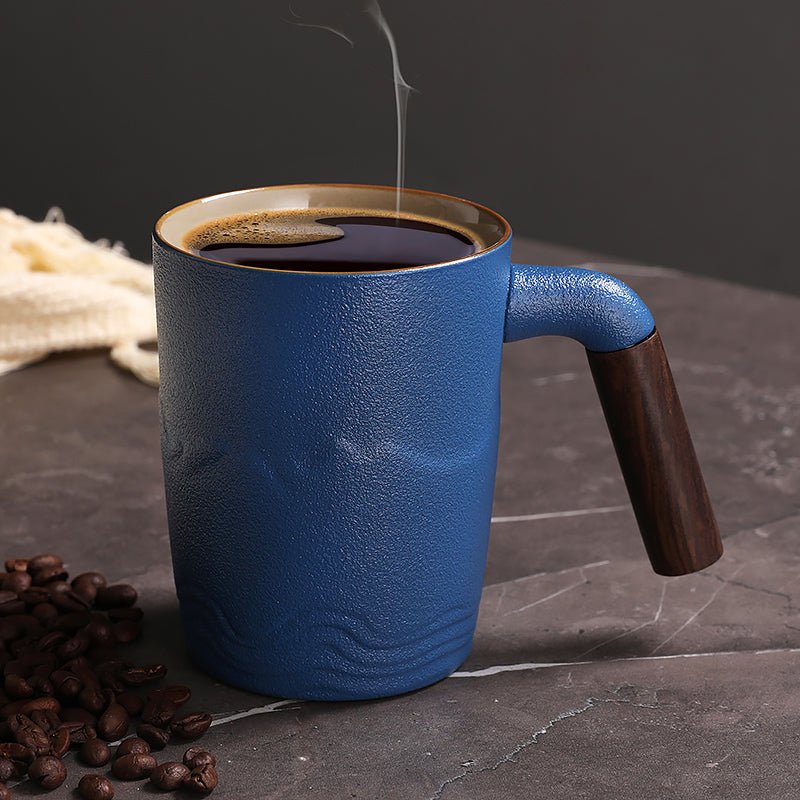
Maintenance Tips That Help Coffee Mugs Last Longer
Practical maintenance tips for coffee mugs that reduce chips, stains, and worn finishes. Use these habits to keep ceramic mugs looking better and working longer.
Read more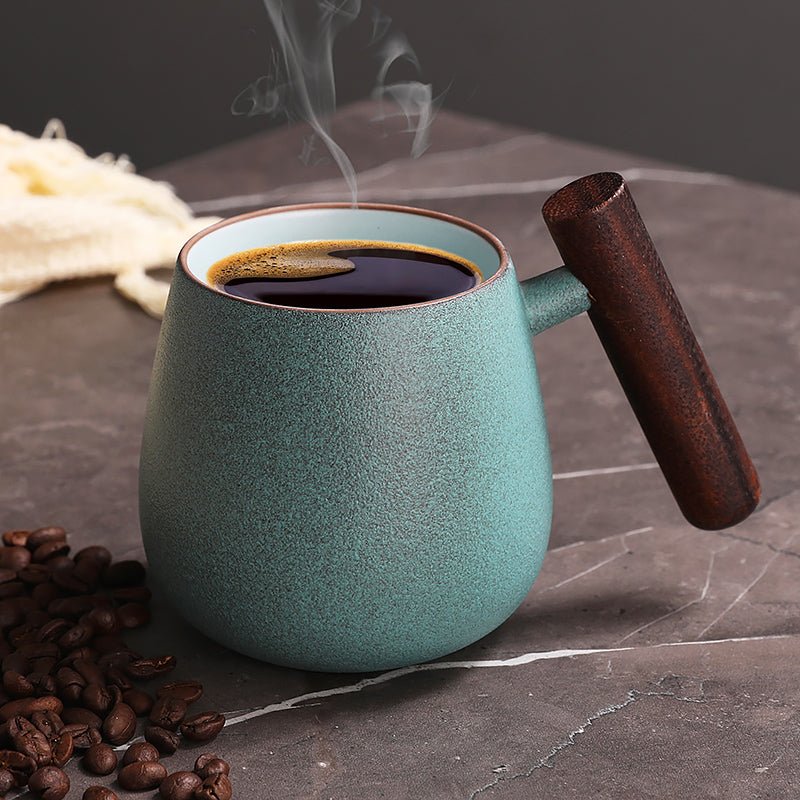
Standard Coffee Mug Sizes: What Buyers Should Choose
Standard coffee mug sizes are less fixed than most shoppers expect. We break down the common capacities, what actually fits in each, and which mug size works best for home, office, and gifting.
Read more
Los kommentaar
This site is protected by hCaptcha and the hCaptcha Privacy Policy and Terms of Service apply.