
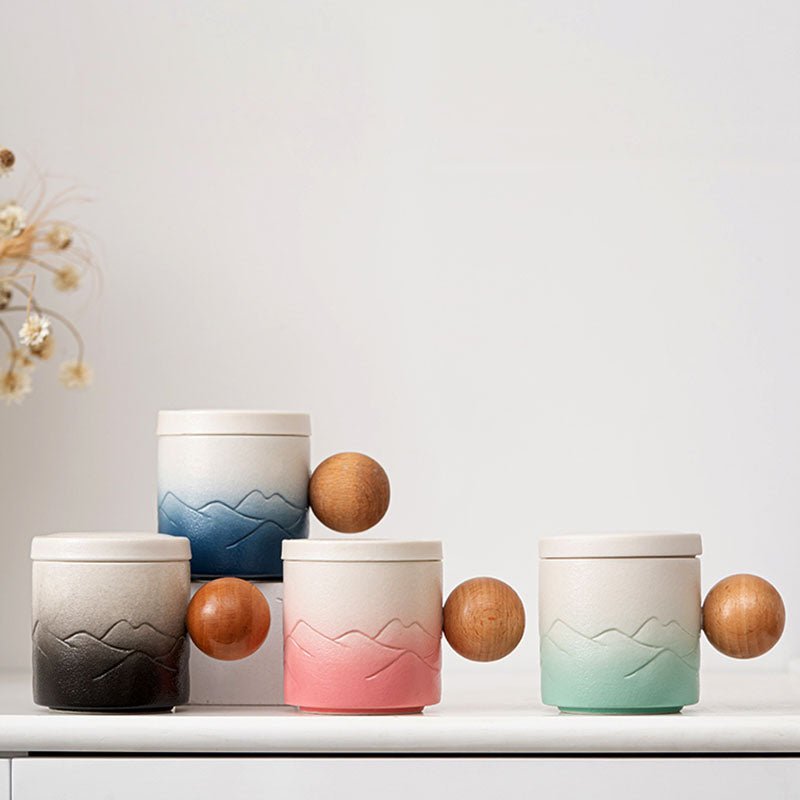
Tea Cups for Sale: How to Choose the Right Cup for Daily Use
Reading time: about 8 minutes
What should you check before buying tea cups for sale?
A tea cup that wobbles on the saucer, feels awkward in the hand, or stains after the first few rinses gets retired fast. We see that all the time in our store: shoppers usually start with the pattern, then end up caring more about the rim, the handle, and how the cup behaves on a kitchen counter after actual use.
If you are comparing tea cups for sale, start with the basics that affect everyday satisfaction. A pretty profile matters, but the practical details decide whether the cup stays in rotation.
- Rim shape: A thinner, even rim usually feels better for sipping tea than a heavy, blunt edge.
- Handle comfort: If the cup has a wooden handle, check that your fingers fit cleanly without squeezing.
- Body shape: A wider cup cools faster and is easier to clean by hand; a taller shape holds heat a bit longer.
- Finish: Glossy interiors are easier to rinse clean, while textured exteriors can show handling marks differently.
- Daily-care fit: If you want something that can move from sink to desk to tea tray with minimal fuss, avoid delicate builds that need special treatment.
For a quick starting point, look at Mountain Sea II Coffee Tea Mug With Wooden Handle, The Cloud Coffee Tea Mug Wooden Handle, or browse our full collection if you want to compare shapes side by side.
Our team also points buyers to our style guide, Tea Cups for Sale: How to Choose the Right Style, Size, and Material, when they want a more detailed breakdown before choosing.
Which tea cup style works best for daily use?
Daily use usually rewards the cup that is easiest to grab, clean, and set back down without thinking. In our experience, the best tea cups for everyday routines are rarely the most ornate ones. They are the ones that handle a second pour, a busy desk, or a sink full of dishes without becoming fussy.
Here is the simple split we use when we help shoppers compare options:
- Mug-style tea cups: Best if you drink tea at a desk, in the office, or during long mornings. They tend to feel more stable and less fragile in hand.
- More sculptural cups: Best if presentation matters and the cup is part of the table setting.
- Wooden-handle designs: Good for buyers who want a warmer feel in the hand and a more distinctive look. They are not the best choice if you want the cup to live in a dishwasher or microwave routine.
If you want more guidance on larger shapes, our article Large Cups for Tea: How to Choose the Right Size and Shape is useful because size changes the way tea cools, how easy the cup is to hold, and how it looks on the table.
For buyers who want a giftable look but still want practical daily use, a wooden-handle tea mug can be a smart middle ground. It looks more considered than a plain cup, but it is still straightforward enough for regular mornings. The trade-off is simple: wood adds character, but it also adds care requirements. If you prefer low-maintenance cleanup above all else, a fully ceramic option usually makes more sense.
What materials and finishes hold up best?
Material choice is where many online buyers get surprised. A cup can look refined in photos and still be the wrong fit for a real kitchen. We handle and ship these products with the same questions in mind that a buyer should ask: how does the surface clean, where does wear show first, and what parts are likely to fail if the cup is used hard?
These are the concrete things we check for in tea cups for sale:
- Glaze consistency: Uneven glaze near the rim can feel rough on the lips and may signal rushed finishing.
- Handle attachment: The joint where the handle meets the body should feel solid, with no visible gap or wobble.
- Foot ring: A rough or uneven foot ring can scratch a table and make the cup sit slightly off level.
- Hairline cracks: These often show up around the handle base or near the rim after handling or packing stress.
Wooden-handle cups deserve a separate note. We would not treat them as a soak-it-and-forget-it product. If the handle is wood, avoid long soaking, dry it after washing, and do not assume it belongs in every dishwasher cycle. That makes them less convenient than a plain ceramic cup, but many buyers still choose them because the hand-feel and look are better for the way they actually drink tea.
If your top priority is a cup that can move through a busy sink routine with minimal attention, choose a simple ceramic build. If your priority is a warmer grip and a more distinctive presentation, a wooden handle can be worth the trade-off.
Which tea cup should you choose from our store?
We keep our own recommendations simple. Match the cup to the way you drink, not just the way it looks on a product page. Below is the practical comparison we use when someone asks us which piece is the best starting point.
| Product | Best for | Main trade-off |
|---|---|---|
| Mountain Sea II Coffee Tea Mug With Wooden Handle | Buyers who want a distinctive tea mug with a natural handle feel and a more crafted look | Wood adds character, but it is not the lowest-care option |
| The Cloud Coffee Tea Mug Wooden Handle | People who want a lighter visual feel for desk tea, gifting, or a calmer table setting | Still needs the same careful handling as any wood-accented piece |
| The Rock Coffee Tea Mug | Shoppers who want a sturdier, more grounded mug-style cup without a decorative handle element | Less expressive if you want a gift that feels more styled |
In our store, these are the differences that matter most:
- Choose Mountain Sea II if you want the handle to be part of the appeal and you do not mind a little extra care.
- Choose The Cloud if you want a softer, more airy look that fits casual tea breaks and gifting.
- Choose The Rock if you care more about a straightforward mug feel than decorative detail.
If you are still comparing styles, the product pages and our full collection are the best place to narrow things down by shape and use case.
How do tea cups for gifts differ from cups you buy for yourself?
Gift shopping changes the standard. A cup for yourself can be purely practical. A gift has to feel special when it is opened, photographed, and then put into actual use. That is why we often steer gift buyers toward pieces that look good on first impression but still make sense when the recipient washes and uses them repeatedly.
For gifting, think through these questions:
- Will the recipient use tea every day, or only on weekends?
- Do they like natural materials and earthy finishes, or do they prefer a cleaner modern look?
- Will the cup live at home, in an office, or in a shared kitchen?
- Do they care more about appearance or low-maintenance cleanup?
That is also why some shoppers pair tea cups with a themed occasion. If you are buying for the holidays, our article Christmas Tea Cups for Gifts, Daily Use, and Holiday Tables is a useful companion read before you choose a gift set or a single standout cup.
A wooden-handle tea mug often works well as a gift because it feels less generic than a standard cup. The limitation is that it is not the best fit for someone who wants every part of their kitchenware to be machine-first and hands-off. If the recipient is the kind of person who puts everything through the dishwasher and microwaves tea repeatedly, a simpler cup is usually the better gift.
Frequently asked questions
Are wooden-handle tea cups dishwasher safe?
We would not assume they are dishwasher-first. A wooden handle changes the care routine, and repeated heat and water exposure can shorten the life of the finish. Hand washing and drying immediately is the safer choice if you want the cup to stay looking good.
What size tea cup is best for everyday use?
For daily use, the best size is the one you can finish before the tea gets cold and still hold comfortably. Smaller cups suit focused tea sessions, while larger mug-style cups are better for desk use and longer mornings. If you regularly top up tea during work, a larger shape is usually easier to live with.
What defects should I check for when my tea cup arrives?
Check the rim for chips, the handle joint for cracks or wobble, and the foot ring for roughness or an uneven base. Those are the issues that show up most often in everyday handling. If the glaze looks inconsistent at the rim or the cup does not sit flat, contact support before regular use.
Are these tea cups good for loose-leaf tea or only bagged tea?
They work for both, but the cup itself is only part of the setup. Loose-leaf tea usually benefits from a separate infuser or strainer, while bagged tea is simpler if you want less cleanup. If you brew tea often and want less mess, choose a cup with enough opening space for easy rinsing.
What should I buy if I want tea cups for sale that also work as gifts?
Choose a cup with a clear visual point of view, comfortable handling, and care instructions that are easy to explain. Wooden-handle designs usually feel more giftable than plain utility cups, as long as the recipient will appreciate the extra care they need. If you want more ideas, compare the styles in our collection before you decide.
If you want the fastest next step, compare the three picks above against your own routine: morning desk tea, sink-side daily use, or gifting. Then open our full collection and choose the cup that matches the way you actually drink tea, not the way it looks in a staged photo.
Read more
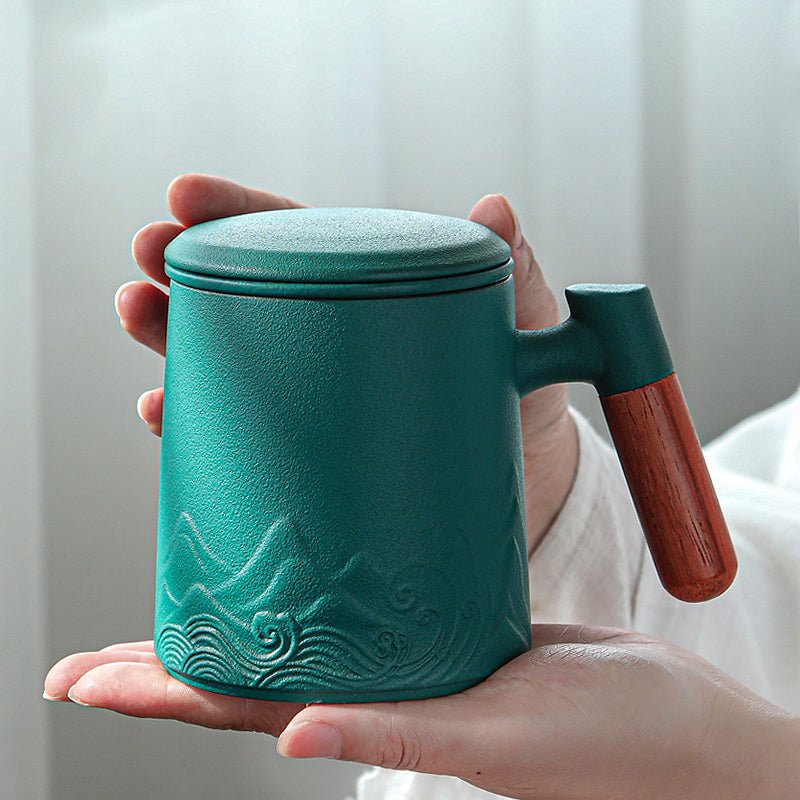
Green Coffee Mug Buying Guide: Size, Finish, and Everyday Use
A practical guide to choosing a green coffee mug for daily use, gifting, or a desk setup. We cover size, glaze, handle comfort, care, and the trade-offs to check before you buy.
Read more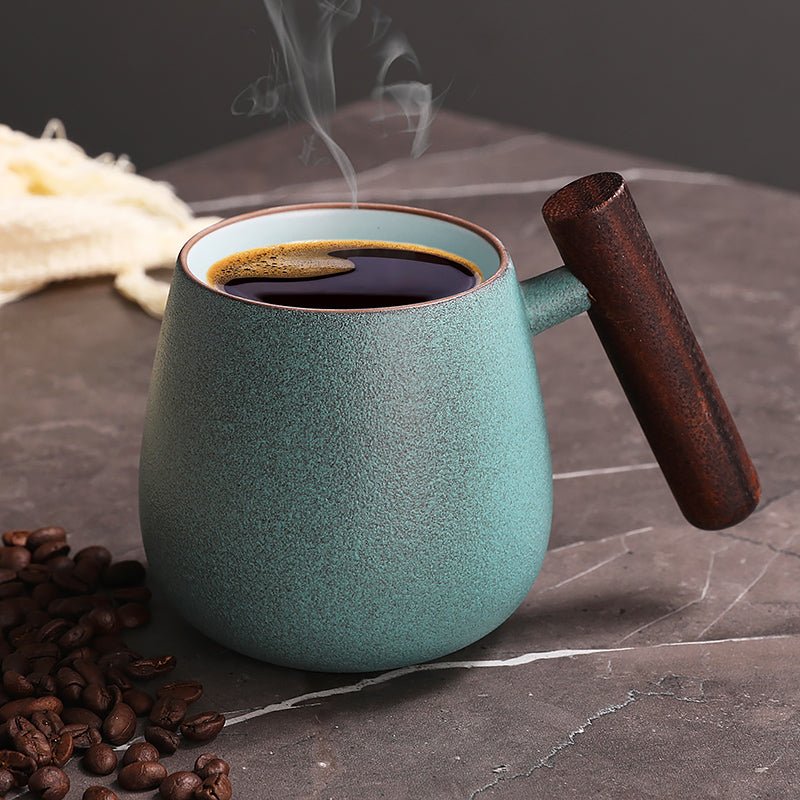
Coffee Mug Wide Buying Guide for Everyday Use
A coffee mug wide changes how a drink sits, cools, and feels on a desk or counter. We compare the right shapes, the trade-offs, and which CoffeifyMug picks make sense for everyday use.
Read more
Los kommentaar
This site is protected by hCaptcha and the hCaptcha Privacy Policy and Terms of Service apply.