
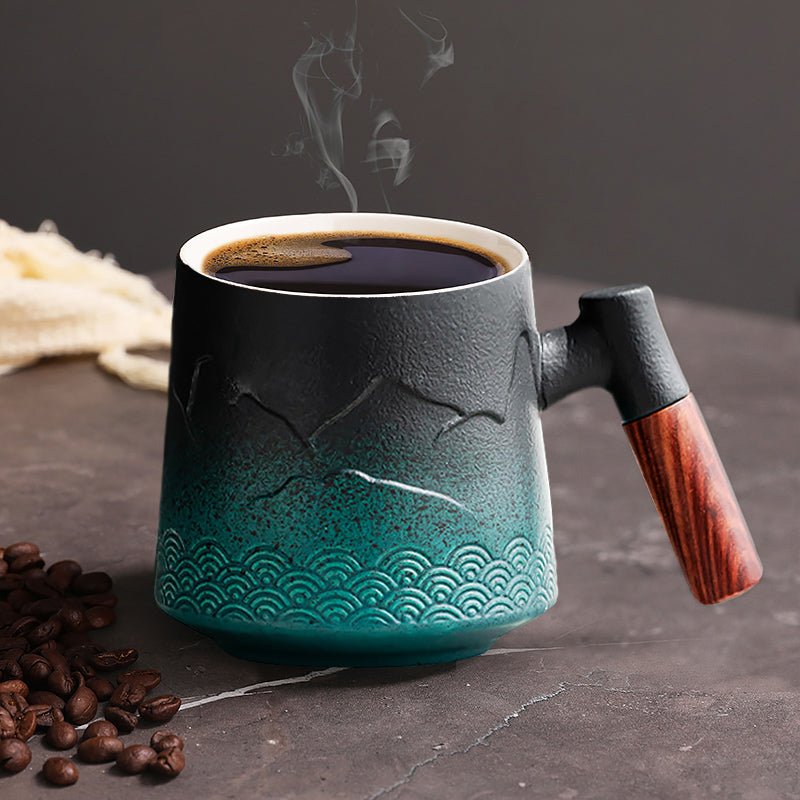
Tea Cups for Sale: How to Choose Size, Material, and Handle Style
Reading time: about 8 minutes
A tea cup can look right in a product photo and still feel wrong after the first real pour on a kitchen counter or office desk. In our store, we see the same pattern: buyers want tea cups for sale that hold heat, feel steady in the hand, and do not demand fussy care after every rinse.
That is why we look at more than the shape. We check the rim, the handle clearance, the balance when the cup is full, and whether the finish will stay clean after repeated tea use. A good cup should work on an ordinary Tuesday, not just on a styled shelf.
What should you check before buying tea cups for sale?
The first decision is not color or decoration. It is how the cup behaves in real life. We pay attention to a few practical points before we recommend anything to a shopper:
- Rim thickness: A thinner rim usually feels better on the lips, but it can be more vulnerable to chips if the cup gets stacked carelessly.
- Handle comfort: If the handle is too tight or too small, you will notice it every time the cup is full and hot.
- Base stability: A wider base sits better on a desk, a breakfast tray, or a kitchen counter with limited space.
- Interior finish: Smooth glazed interiors are easier to rinse after black tea, chai, or anything that leaves a ring.
- Cleaning routine: If a cup needs special care, that trade-off should be clear before you buy.
In our experience, the most common disappointment is not broken packaging. It is a cup that looks nice but feels awkward after a few uses. A buyer who drinks tea every day should be more demanding than a buyer choosing a decorative shelf piece.
Which size and shape work best for daily tea?
Size changes the whole experience. A smaller cup keeps tea concentrated and can feel more formal. A larger cup works better for long office sessions, breakfast tea, or anyone who dislikes constant refills. Shape matters too. Taller cups usually hold heat a little longer. Wider cups cool faster, which can be useful if you like to sip immediately.
If you are comparing sizes, this simple table helps separate the options.
| Buyer need | Better size or shape | Why it works |
|---|---|---|
| Desk use | Moderate, stable cup with a wider base | Less likely to tip near a laptop, notebook, or keyboard |
| Morning tea at home | Slightly larger cup | Reduces refills and stays useful during a slow breakfast |
| Loose-leaf tea | Open, easy-to-rinse shape | Helps you clean out leaves and residue without scraping |
| Gift buying | Balanced mid-size cup | Fits more drinkers because it is not too small or too oversized |
If you are leaning toward a larger everyday cup, our guide on Large Cups for Tea: How to Choose the Right Size and Shape goes deeper into the sizing decisions that matter before checkout. We also cover the basics of fit and finish in Tea Cups for Sale: How to Choose the Right Style, Size, and Material for readers who want a broader comparison first.
A practical note: a very wide cup is not the best choice if you want to keep tea hot for a long time. A very small cup is not ideal if you refill often or drink tea while working. The right size is the one that matches the way you actually use the cup, not the one that only photographs well.
Which material and handle style hold up best?
Material and handle style are where comfort and maintenance intersect. A mug body with a wooden handle has a different feel from an all-glazed cup. The wood gives your fingers something warmer and more natural to hold, but it also asks for a little more care. We do not treat that as a flaw. It is simply the trade-off.
For tea cups used every day, three practical details matter most:
- Wooden handles: Comfortable in the hand and less harsh against fingers when the cup is full, but they should not sit wet for long periods.
- Glazed surfaces: Easier to wipe after black tea, mint tea, or chai, especially if you rinse promptly.
- Interior staining: Light interiors can show tea rings faster, particularly if you make strong brews and leave the cup unwashed overnight.
There are also a few common defect modes buyers should inspect on arrival: rim chips, hairline glaze marks, uneven bases that wobble on a flat table, and loose handle joints on poorly made cups. We check for those before we would recommend a cup to a customer.
If you want a deeper look at style and build choices, the article Daniel Handle Tea Cups: How to Choose the Right Style and Build is useful for shoppers who care about how a handle feels in daily use. It is especially helpful if you are comparing wooden-handle drinkware against simpler mug shapes.
One limitation to keep in mind: wood-handled cups are not the best fit for buyers who leave dishes soaking in the sink, stack wet cups for hours, or want a drinkware piece that needs almost no attention. If that sounds like your routine, a fully glazed mug may be the more practical pick.
Which cups should you compare in our store?
If you want to narrow the field quickly, start with these three product pages from our store. They cover the most common buying preferences we see from tea drinkers and gift shoppers.
- Mountain Sea II Coffee Tea Mug with Wooden Handle for buyers who want the wood-handle feel and a more grounded everyday mug.
- The Cloud Coffee Tea Mug Wooden Handle for shoppers who like a softer-looking profile and a lighter visual presence on the table.
- The Rock Coffee Tea Mug if you want a cleaner mug style without centering the wooden-handle look.
You can also browse the full range in our collection page if you want to compare more than one style before deciding. That is usually the smartest next step when you are buying tea cups for sale online and want to compare shape, feel, and presentation before committing.
For gift buying, we usually suggest starting with the cup that looks balanced without being too ornate. A cup that is easy to hold, easy to rinse, and easy to pair with a tea tin or a card tends to land better than something overly decorative that gets stored away.
How should you care for tea cups so they last?
The best care routine is simple. Rinse the cup after strong tea, wash it with mild soap, and dry the handle fully if it has wood. That routine keeps tea stains from settling in and helps the cup stay presentable longer.
- Rinse the cup soon after use if you brewed black tea, chai, or another dark tea.
- Wash with a soft sponge instead of harsh scrubbers that can dull the finish.
- Dry the rim, base, and handle before putting the cup away.
- Do not leave a wood handle wet or resting in a sink full of water.
- Check for chips or hairline cracks if the cup gets moved around a lot at work or in a busy kitchen.
We are careful with this advice because it reflects real use, not idealized use. A cup that handles a quick hand wash in the evening is far more practical than one that looks perfect but becomes a chore after every tea break. If the product page does not clearly mention dishwasher use, treat repeated dishwasher cycles as something to verify before relying on them.
Frequently asked questions
Are wood-handled tea cups good for daily use?
Yes, if you want a more comfortable grip and you are willing to dry the handle properly after washing. They are practical for daily use on a kitchen counter or office desk, but they are not the best choice if you prefer a set-it-and-forget-it cleaning routine.
What size tea cup is best for everyday drinking?
A moderate size is the safest choice for most buyers. It gives you enough room for a normal pour without feeling oversized, and it still works well if you want to carry the cup from kitchen to desk or use it as a gift.
What should I check before ordering tea cups online?
Check the shape of the rim, the balance of the base, the handle comfort, and the care instructions. If you drink strong tea often, also look at how easy the interior will be to rinse clean after repeated use.
Are these better for tea or coffee?
They work for both, but tea buyers usually care more about rim feel, heat retention, and cleaning after staining teas. If you mainly drink tea, choose the shape that feels comfortable for smaller, repeated pours rather than a cup designed only for large coffee servings.
Are tea cups with wooden handles good gifts?
Yes, especially if the person already likes practical kitchen items and daily-use drinkware. They are less suitable for someone who prefers a very formal porcelain set or has no interest in hand-washing a special piece.
If you are comparing tea cups for sale right now, start with the handle style, then check the cup shape, then decide how much maintenance you are willing to accept. The quickest route is to open our collection page, compare the three product pages above, and choose the one that fits how you actually drink tea at home, at work, or as a gift.
Read more
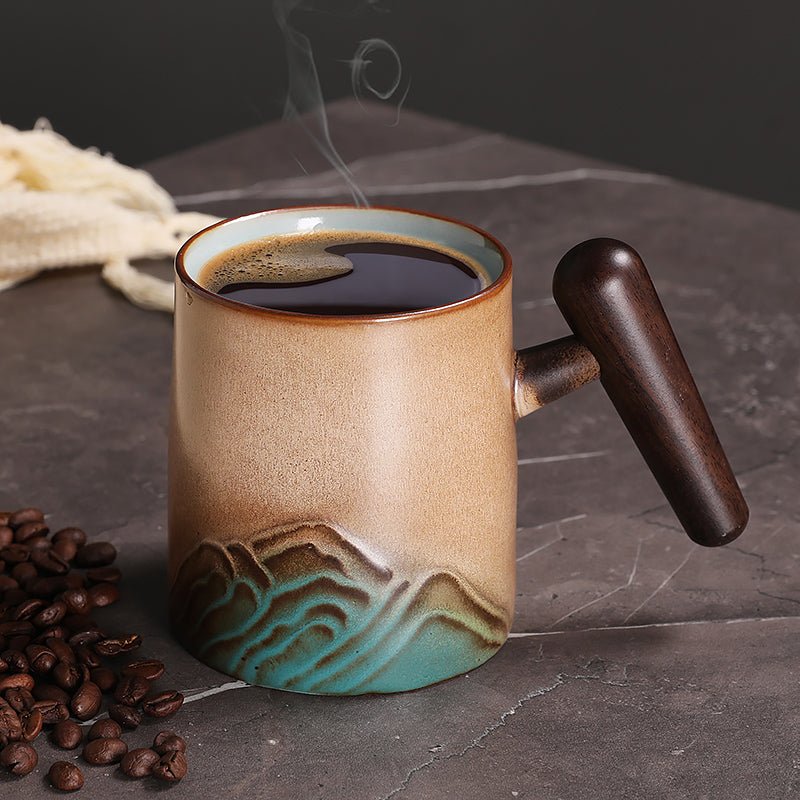
Coffee Mug Shelves: What to Check Before You Buy
Coffee mug shelves only work if the shelf depth, mug handle clearance, and mounting strength match the cups you actually own. We break down what to check, what fails in real kitchens, and which mug...
Read more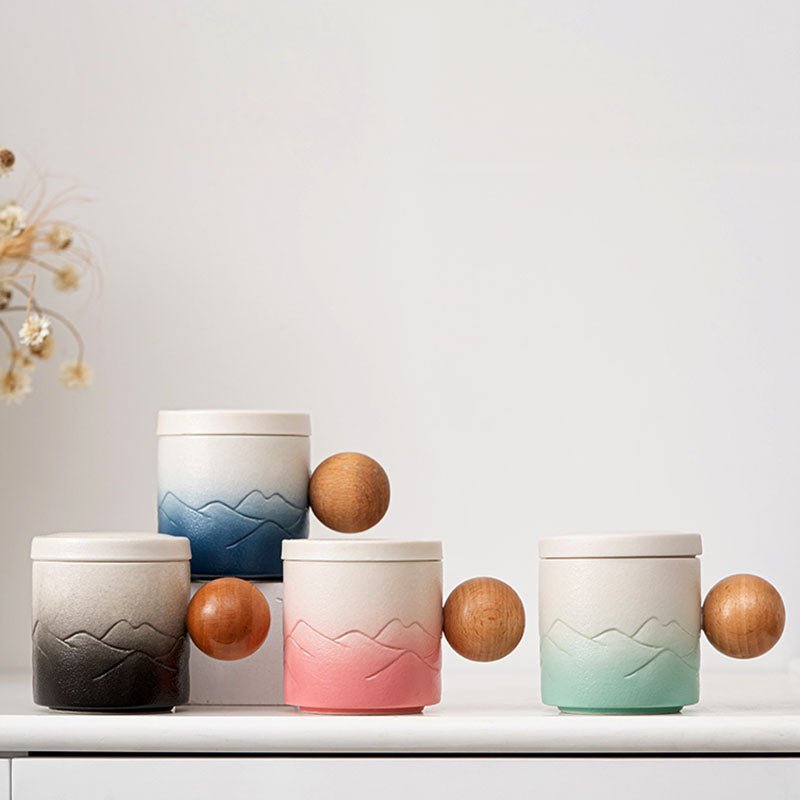
20 0z Coffee Mugs for Daily Use: Fit, Material, and Buying Tips
A practical guide to 20 0z coffee mugs for shoppers who want the right size, shape, and everyday feel. We cover handle comfort, material trade-offs, care, and which styles are worth buying for home...
Read more
Los kommentaar
This site is protected by hCaptcha and the hCaptcha Privacy Policy and Terms of Service apply.