
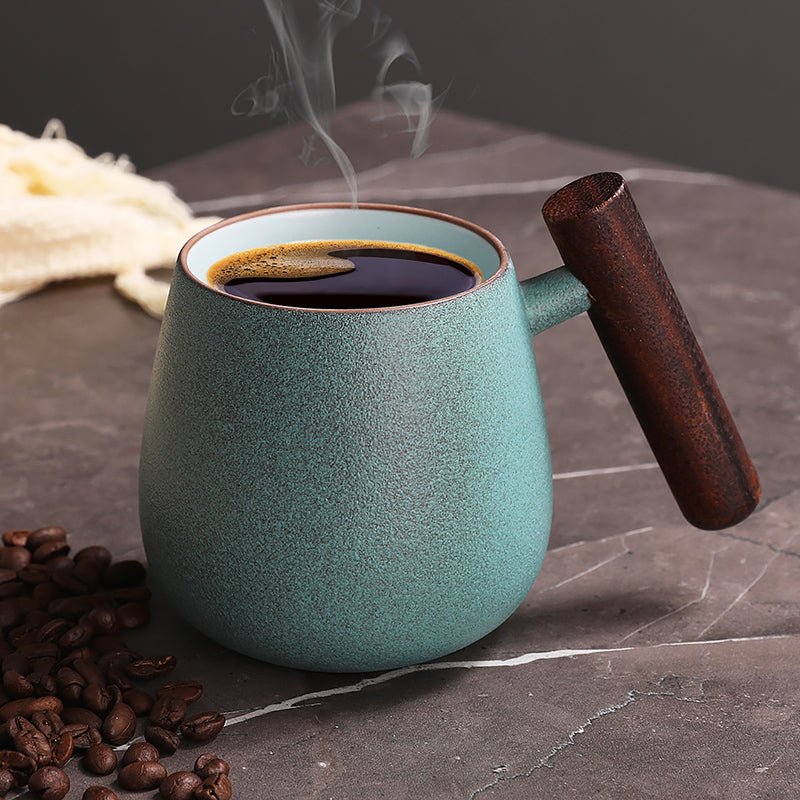
Tea Coffee Mugs: Size, Material, and Buying Guide
Reading time: about 8 minutes
A mug gets judged fast. The handle feels wrong, the rim is too thick, or the cup is larger than the shelf in the office cabinet. That is usually the moment a supposedly simple purchase turns into a mug you stop reaching for.
At CoffeifyMug, we look at tea coffee mugs the same way shoppers do: not as decor, but as daily tools. The right one should feel balanced in the hand, work for both tea and coffee, and survive repeated dishwasher cycles without losing its finish. If you want to browse what we carry right now, start with our tea mugs collection, then compare versatile pieces like the Round Coffee & Tea Mug, Landscape Tall Coffee & Tea Mug, and Pleated Elegant Ceramic Coffee Cup.
What makes tea coffee mugs comfortable enough to use every day?
Comfort starts with the parts people notice after the first week, not the first minute. A good mug should have a handle that clears at least three fingers for most hands, a lip that does not feel sharp or overly thick, and enough stability that it does not tip easily on a desk or tray.
In our experience, the mugs that get used most often are the ones that feel predictable. They sit flat, do not wobble when half full, and do not force you to pinch the handle awkwardly when the mug is hot. That sounds minor until you are carrying tea from the kitchen to a meeting room or balancing coffee beside a notebook.
- Handle comfort: Too small and the mug feels cramped. Too open and it can feel awkward to lift when full.
- Rim shape: A slightly rounded rim is usually easier for tea and coffee alike.
- Base stability: A wider base helps on office desks, side tables, and crowded counters.
- Weight: Heavier mugs feel sturdy; lighter mugs are easier to carry but can feel less substantial.
If you have ever bought a mug that looked good but felt bad after three uses, our earlier post on Ugly Mugs Coffee & Tea: How to Pick One That Actually Gets Used covers that real-life problem directly.
Which mug size works best for tea, coffee, and mixed use?
Size is where most buyers overthink or underthink the purchase. A tea drinker may want room for a tea bag and a little extra water, while a coffee drinker may want enough capacity for cream or milk without overfilling. Mixed-use buyers usually do best with a middle-ground size that does not feel oversized for tea or cramped for coffee.
| Size | Best for | Trade-off |
|---|---|---|
| 10 to 12 oz | Smaller pour-over coffee, tea, and people who dislike oversized mugs | Less room for milk or top-up water |
| 14 oz | All-day desk use, larger tea servings, and drip coffee | Can feel bulky in smaller hands |
| 16 oz | Iced coffee, bigger morning pours, and heavy tea drinkers | May be too large for quick espresso-based drinks or small cupboards |
For shoppers who want a tighter size comparison, our size-focused guides on 12 oz Coffee Mugs: How to Choose the Right Mug for Daily Use and 16 oz Coffee Mugs: How to Choose the Right Mug for Daily Use are useful side-by-side reads.
We usually suggest this simple rule: if the mug will live on a home kitchen counter and be used for both tea and coffee, 12 to 14 oz is the safest range. If you mostly drink larger coffee pours or like a lot of tea with milk, 16 oz makes more sense. If your cupboard space is tight, do not ignore the footprint. A big mug can be annoying long before it becomes useful.
Which materials hold up best in real kitchens and offices?
For tea coffee mugs, material affects heat retention, weight, and how the mug ages. Ceramic is the most familiar option because it heats evenly, feels comfortable in the hand, and usually works well for both tea and coffee. Stoneware tends to feel denser and more substantial, while porcelain often looks cleaner and lighter but can chip if handled carelessly. Stainless steel is durable, but it is usually not the right look or feel for a desk mug if you want a traditional cup experience.
We pay attention to the small failure points that show up after regular use: glaze pinholes, handle joins that feel uneven, and rims that chip first after dishwashing or stacking. Those issues do not sound dramatic, but they are the reasons a mug gets moved to the back of the cabinet.
For everyday use, a mug should do three things well: hold heat reasonably, feel steady in the hand, and clean up without special treatment.
Care matters too. Most ceramic and stoneware tea coffee mugs are easiest to maintain with warm water, mild dish soap, and a normal dishwasher cycle if the finish allows it. Hard scrubbing pads can dull glossy glazes over time, and sudden temperature changes can stress some mugs, especially if they come straight from a hot rinse into cold water. If a mug is handwash-only, that is not a dealbreaker, but it is a real trade-off for busy kitchens.
What should you check before buying for home, office, or gifting?
The right mug for your kitchen is not always the right mug for an office desk or a gift box. We sell for all three use cases, and the best choice changes with context.
- For home use: Prioritize comfort, dishwasher friendliness, and a size that fits your usual drink.
- For office use: Choose a stable base, a handle that is easy to grip with one hand, and a finish that does not show every splash mark.
- For gifting: Aim for a universal size and a clean shape. A mug that is too personalized or too oversized can be harder to use every day.
If you want a broader browse before narrowing down, the tea mugs collection is the fastest way to compare styles in one place, and the Round Coffee & Tea Mug is a practical benchmark for shape and capacity.
There is also a practical reality people do not always mention: some mugs are better for display than for daily use. A highly detailed printed mug may look great in a gift unboxing, but if the handle is cramped or the base is too narrow, it gets used less. That is why we prefer to think about tea coffee mugs as tools first and decoration second.
How do you keep tea coffee mugs looking good longer?
The mugs that stay in rotation are the ones that clean easily and do not show wear too quickly. Stains from tea tannins, coffee oils, and repeated dishwasher use are common, especially on lighter glazes. That does not mean the mug is poor quality. It means it is being used the way mugs are meant to be used.
Here is the routine we recommend for keeping mugs in better shape:
- Rinse soon after use if you do not plan to wash right away.
- Do not leave tea or coffee sitting overnight in a white or very light mug if you want to avoid staining.
- Use a soft sponge for printed or glossy finishes.
- Stack carefully only if the mug shape allows it, because rim chips usually happen during storage, not while drinking.
Not every mug is ideal for every kitchen. A delicate porcelain mug is not the best fit if you want something for a breakroom sink with rough handling. A heavy stoneware piece may be great at home but too bulky for a crowded desk or small dishwasher rack. Matching the mug to the setting matters more than picking the fanciest finish.
Which tea coffee mugs are not the right fit for you?
We try to be direct about limits. If you want a mug for outdoor use, camping, or keeping drinks hot for hours, a traditional ceramic mug is not the best answer. If you need something that survives drops on tile, stainless steel or insulated drinkware is the smarter buy. If you want a mug for very small espresso-based drinks, a large 16 oz cup can feel wasteful and awkward.
That is why we do not treat tea coffee mugs as one-size-fits-all. The right mug depends on how you actually drink. If you use both tea and coffee during the week, want a familiar feel, and care about a mug that belongs on a kitchen counter instead of in a gear drawer, a standard ceramic or stoneware mug is usually the most sensible place to start.
For more help choosing a mug that stays in use, our guide Ugly Mugs Coffee and Tea: How to Choose One That Gets Used and 12 oz Coffee Mugs: What to Check Before You Buy both focus on the same practical decision: will this mug still feel right after the first week?
Frequently asked questions
What size tea coffee mug is best for everyday use?
For most people, 12 to 14 oz is the most flexible range. It gives enough room for tea, drip coffee, and a little milk without feeling oversized. If you usually drink larger pours or iced coffee, 16 oz may be a better fit.
Are ceramic tea coffee mugs dishwasher safe?
Many are, but not all. Always check the care note for the specific mug finish, especially if it has metallic accents, decals, or a delicate printed design. Even dishwasher-safe mugs last longer if they are not stacked tightly or hit hard during unloading.
What is better for tea and coffee, stoneware or porcelain?
Stoneware usually feels heavier and more durable for everyday handling, while porcelain tends to look lighter and cleaner. Stoneware is often the better practical choice if you want a sturdy all-purpose mug. Porcelain is a good fit if you prefer a lighter feel and handle your mugs carefully.
Why do some mugs stop being used after a few weeks?
Usually because of comfort, not looks. The handle may be too small, the mug may be too large for the drink, or the rim may feel awkward. If a mug is hard to clean or chips quickly, that also pushes it out of rotation.
Can one mug work for both tea and coffee?
Yes. A neutral 12 to 14 oz mug with a comfortable handle is often the best shared option. It is especially useful for households or offices where people switch between tea and coffee during the day.
If you want the shortest path to a good choice, compare size, handle comfort, and care instructions first, then narrow it down with our tea mugs collection and a short list built around the Round Coffee & Tea Mug, Landscape Tall Coffee & Tea Mug, and Pleated Elegant Ceramic Coffee Cup.
Read more
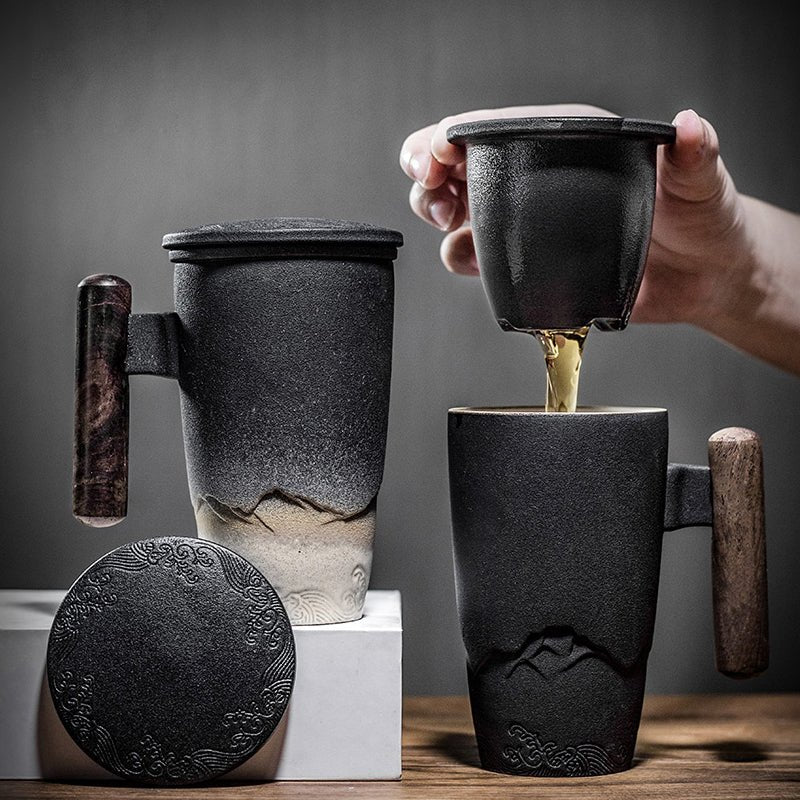
Average Coffee Mug Size: What Buyers Should Expect
Average coffee mug size is usually 8 to 12 oz, but the right fit depends on how you drink coffee, how much milk you add, and whether the mug actually fits your brewer or desk setup. This guide brea...
Read more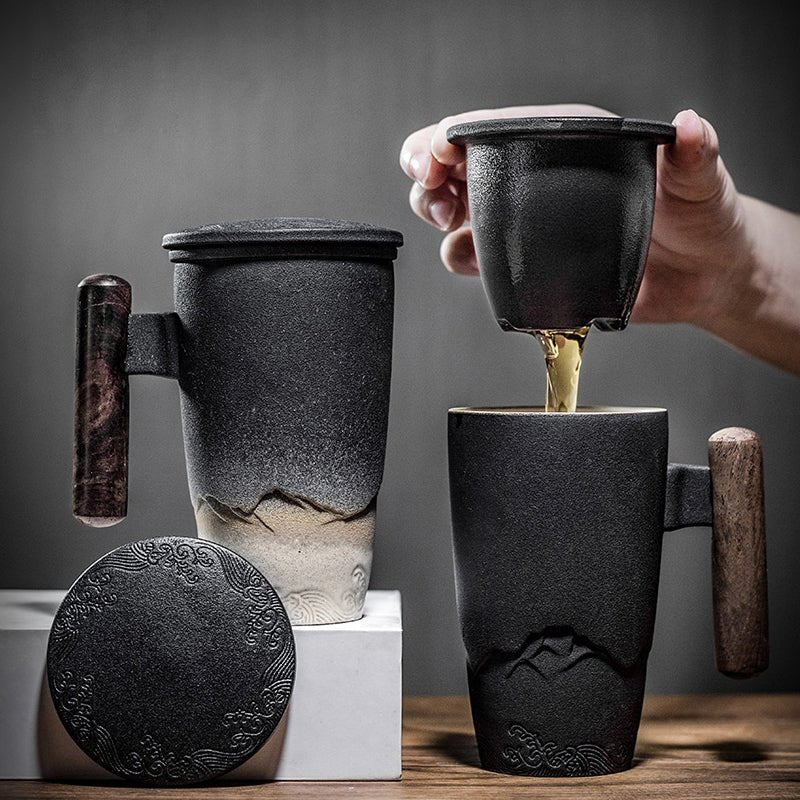
Teacher Coffee Mug Gifts That Actually Get Used
Practical teacher coffee mug gifts should feel good in the hand, hold enough for a desk refill, and fit the way teachers actually work. Here’s how to choose a mug that gets used for morning coffee,...
Read more
Los kommentaar
This site is protected by hCaptcha and the hCaptcha Privacy Policy and Terms of Service apply.