

Starbucks Coffee Travel Mugs: What to Compare Before You Buy
Reading time: about 9 minutes
A travel mug looks simple until it leaks in a tote bag, tips over in a car cup holder, or cools down before the second sip. That is usually where shoppers comparing starbucks coffee travel mugs start asking better questions: what lid type matters, which material is easier to live with, and which mug is actually worth buying for daily use.
At CoffeifyMug, we see the same pattern again and again. The best choice is rarely the flashiest one. It is the mug that fits a commuter bag, survives dishwashing if you need that, and matches how you drink coffee in the morning. If you are comparing options right now, our products page is a useful starting point, and our broader collection makes it easier to compare styles side by side.
What should you check first on starbucks coffee travel mugs?
The first thing to check is not the logo or the color. It is the way the mug will behave in your day. A mug that looks good on a kitchen counter can still be a poor fit if the lid is awkward, the body is too wide for your cup holder, or the opening splashes when you drink on the move.
In our experience, buyers usually care about four practical details first:
- Lid design: A slide lid, flip lid, or screw-top lid each handles spills differently. A good lid should close securely and have a gasket that seats cleanly.
- Body material: Stainless steel is the usual choice for insulation and durability. Ceramic is better for taste and desk use, but it is heavier and less forgiving in bags.
- Size and shape: Check the mug height and diameter against your car cup holder, desk space, and bag pocket. A mug that is slightly slimmer is often easier to live with than a larger one with extra capacity.
- Cleaning access: Wide-mouth mugs are easier to wash by hand. Narrow-mouth designs can trap coffee residue around the lid threads and gasket.
If you want a broader comparison across commuting formats, our guides on Best Coffee Travel Mugs for Commutes, Office Days, and Trips and Go Coffee Mugs: How to Choose the Right Travel Mug for Daily Use cover the daily-use side in more detail.
Which material fits your routine best?
Material changes how the mug feels, how long it holds heat, and how much care it needs. That is why we treat material as a buying decision, not a style choice.
| Material | Best for | Main trade-off |
|---|---|---|
| Stainless steel | Commuting, office desks, car use | Can hold heat very well, but some people prefer not to drink directly from metal |
| Ceramic | Desk use, home use, taste-sensitive drinkers | Heavier and more breakable, less ideal for bags |
| Plastic-bodied mug | Light carry, casual backup mugs | Usually less premium-feeling and may not retain heat as long |
We recommend stainless steel when the mug lives in a backpack, cup holder, or glove compartment. It handles daily bumps better and is usually the safer bet for insulation. Ceramic is a better match if the mug sits on a desk and you care more about the drinking experience than travel durability. If ceramic is on your shortlist, read our post on Ceramic Travel Coffee Mugs: What Buyers Should Check Before Ordering before you order.
One limitation: ceramic mugs are not the right pick for everyone. They can crack if you toss them into a bag, and they are a poor choice for long walks or crowded transit. If your coffee routine includes stairs, buses, and a laptop bag, stainless steel is usually the safer option.
How much insulation do you actually need?
Shoppers often overbuy insulation because it sounds better on paper. More insulation is not always better if you finish coffee within 20 minutes and mostly want spill resistance. The right level depends on how long your mug sits between first sip and last sip.
Here is the practical way we think about it:
- Short desk sessions: If coffee stays on your desk and you drink it quickly, a basic travel mug or ceramic option may be enough.
- Commutes: If your coffee rides in the car or train with you, double-wall insulation is worth prioritizing because it helps the drink stay warmer longer.
- Half-day use: If you sip slowly through meetings, errands, or school drop-off, choose a vacuum-insulated mug with a tight lid and a comfortable drinking opening.
There is a trade-off here. Highly insulated mugs can be harder to clean around the lid and sometimes feel bulkier in hand. They also do not solve every problem. If the lid leaks, the best insulation in the world does not matter. That is why we tell customers to compare the sealing mechanism before anything else.
If your main comparison is between premium commuter styles, our article on Coffee Travel Mugs Yeti: What Buyers Should Compare Before Ordering is helpful for understanding what buyers usually weigh in a higher-end mug.
Which lid and seal details prevent the most frustration?
Lids cause more returns and more complaints than almost anything else in this category. A mug can look perfect in photos and still fail because the lid is clumsy, hard to clean, or prone to dripping after a sip.
When we inspect a travel mug, we pay attention to these common failure points:
- Loose gasket fit: If the seal is not seated correctly, the mug may seep when it is tipped in a bag.
- Hard-to-clean grooves: Coffee oils collect around small channels, especially on lids with narrow seams or multiple moving parts.
- Weak lock mechanism: A slide or flip cover that feels flimsy may open too easily during transport.
- Splashy mouth opening: A big opening can be pleasant for drinking, but it may splash if you are walking or driving.
If you buy for commuting, we usually suggest a lid that closes with a clear tactile click and a design you can rinse quickly at the sink. That matters more than ornamental details. A mug that is easy to disassemble and reassemble tends to stay in use longer because people are not annoyed by it every morning.
For buyers comparing general mug styles across use cases, our guide on Best Coffee Mugs Travel: What to Buy for Commutes, Office Days, and Trips adds useful context on how lid style changes the experience.
What size should you buy for commuting, office days, or trips?
Size is one of the easiest things to get wrong. Bigger is not always better. A large travel mug may hold more coffee, but it can be awkward in a cup holder and too tall for certain coffee machines or cabinet shelves.
Use the setting to choose the size:
- Office desk: A moderate size is usually enough. You want something stable that fits beside a keyboard and is not constantly in the way.
- Car commute: Prioritize a base that fits your cup holder. A tall, narrow mug is often easier than a short, wide one.
- Travel days: Look for a body that slides into side pockets or a bag compartment without fighting the zipper.
We also encourage buyers to think about coffee temperature and drinking rhythm. If you refill once and finish quickly, a smaller mug is usually smarter. If you want one fill for a long morning, a larger mug may be worth the trade-off in bulk. That said, a larger mug that is annoying to carry often ends up left at home.
If you are still comparing broad styles, our post on Best Travel Coffee Mugs for Commutes, Office Days, and Trips is a good companion read before you decide.
How should you clean and maintain a travel mug?
Cleaning affects how long a mug stays pleasant to use. Coffee stains, stale smell, and buildup around the lid usually show up after a few dishwasher cycles or a few rushed hand washes. That is normal, but it is also avoidable with the right routine.
Our practical care checklist is simple:
- Rinse the mug soon after use so coffee residue does not dry inside the lid and threads.
- Wash the body and lid separately if the design allows it.
- Check whether the lid gasket can be removed for deeper cleaning.
- Let everything dry fully before reassembly to reduce trapped moisture and odor.
- Avoid abrasive scrubbers on coated finishes, which can dull the surface.
One common defect mode we see in this category is not a dramatic failure. It is gradual wear: a gasket that loosens, a lid that stops feeling snug, or stains that build up because the opening is too narrow for a proper wash. If you want a mug you will actually keep using, simplicity matters.
That is also why some shoppers prefer ceramic mugs for desk use only. If they are not being carried around, the cleaning routine is easier and the drinking experience can feel more natural. But again, ceramic is not the right answer for every commute.
What should you buy if you want the closest fit for your routine?
The best starbucks coffee travel mugs for you are the ones that match how you drink, carry, and clean them. There is no one shape that wins for every shopper.
- Choose stainless steel if you need durability, better heat retention, and bag-friendly travel.
- Choose ceramic if the mug mostly stays on a desk and taste matters more than portability.
- Choose a slim body if your car cup holder or bag pocket is a hard constraint.
- Choose a simple lid if you want less cleanup and fewer moving parts.
For many shoppers, the smartest next step is comparing a few options side by side instead of guessing from a product photo. That is why we keep our collection open and easy to scan. If you are building a shortlist, start with the mug that fits your commute first, then narrow by material and lid style.
Frequently asked questions
Are starbucks coffee travel mugs good for car cup holders?
Some are, but not all. The key measurement is the base diameter, not the brand name or the capacity on the label. If your car cup holder is narrow, a slimmer stainless steel mug usually fits better than a wide ceramic one.
Can I put a travel mug in the dishwasher?
It depends on the mug and the lid construction. Many stainless steel bodies are hand-wash only, while some lids are top-rack safe, but not always all components. We recommend checking whether the gasket, seal, and any sliding parts can be removed before you rely on dishwasher cleaning.
Which is better for coffee taste: ceramic or stainless steel?
Ceramic often feels more neutral for drinking at a desk, especially if you dislike the sensation of drinking from metal. Stainless steel is usually better for travel and temperature retention. If taste is your top priority and the mug stays at home or in the office, ceramic is worth considering.
What size travel mug is best for commuting?
The best size is the one that fits your cup holder, bag, and refill habit. A smaller mug is easier to carry and often less annoying on a crowded commute. If you need coffee to last through a long morning, step up in size only after checking the shape and weight.
What causes a travel mug to leak most often?
Usually the lid seal, not the body itself. A misaligned gasket, a loose lid thread, or a lid that is not fully closed can all create leaks. We tell shoppers to look for a simple lid they can close confidently rather than a complicated mechanism that is hard to clean or seal properly.
If you want the fastest next step, compare a few styles in our products page, then narrow by lid, material, and cup-holder fit before you buy.
More from our blog
Read more

Coffee Mug Starbucks: What Buyers Should Check Before Ordering
A practical buyer's guide to coffee mug Starbucks searches: sizes, materials, care, and the details that decide whether a mug gets used daily or stays on a shelf.
Read more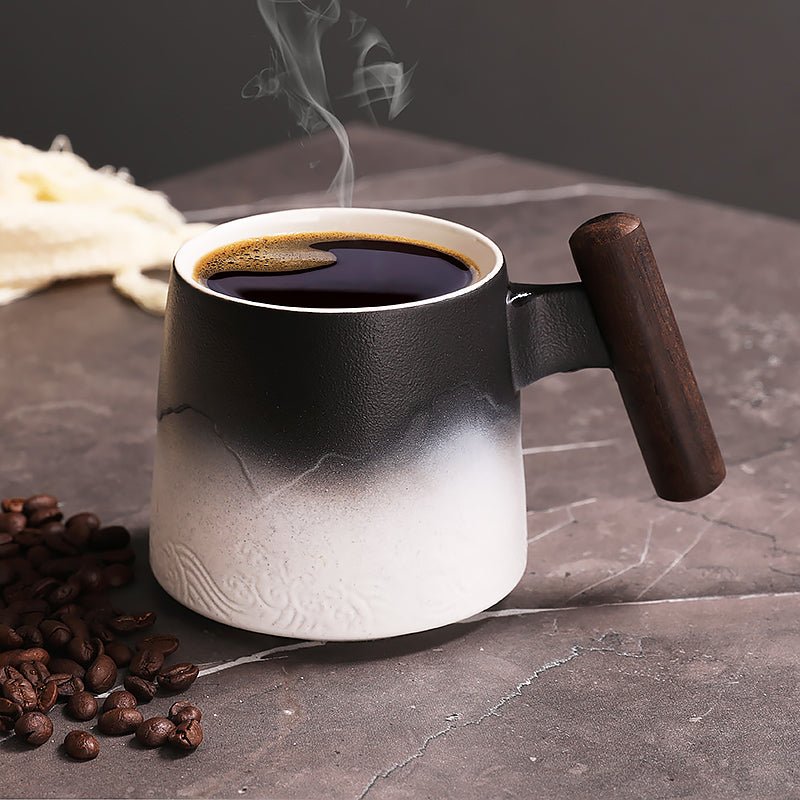
Mug Keeps Coffee Hottest: Materials, Lids, and Size Compared
A mug keeps coffee hottest only when the material, wall thickness, lid, and size work together. We break down what matters, what to skip, and which mug style fits desks, slow mornings, and gifting.
Read more
Los kommentaar
This site is protected by hCaptcha and the hCaptcha Privacy Policy and Terms of Service apply.