
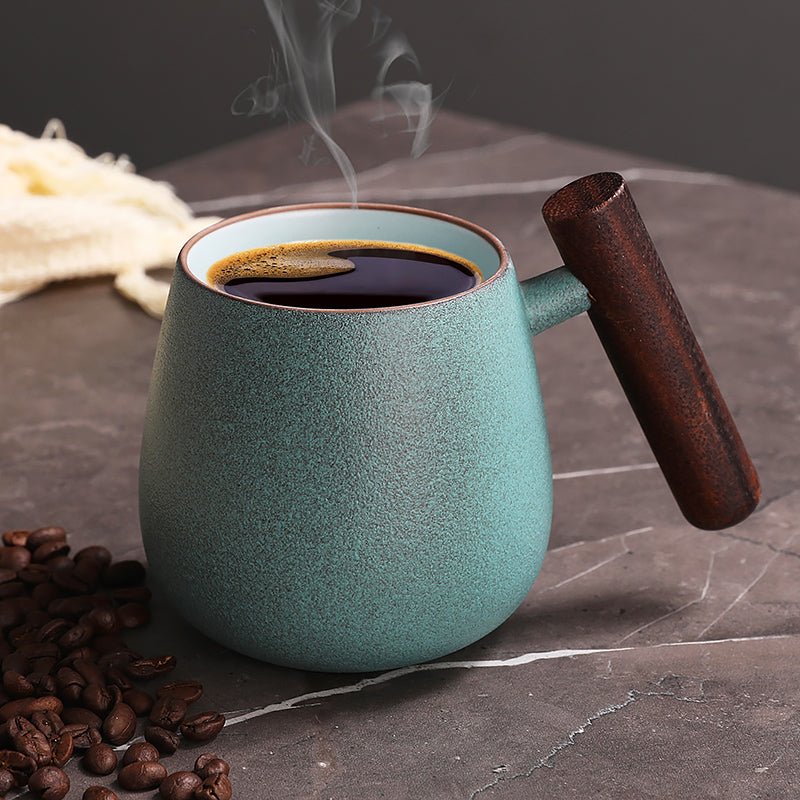
Standard Coffee Mug Dimensions: What Buyers Should Check
Reading time: about 8 minutes
A mug can look right in a product photo and still fail the moment it meets your cabinet, coffee machine, or hand. We see that all the time in our store: shoppers like the design, then realize the handle is tighter than expected or the mug sits too tall for the brewer at home.
That is why standard coffee mug dimensions matter more than most people think. The right mug is not just about ounces. It is about height, rim width, base footprint, handle clearance, and how the mug actually feels on a kitchen counter at 7 a.m. or on an office desk at 2 p.m.
If you want to compare real products while you read, start with our full mug collection, then compare a few examples like the Mountain Sea Coffee Tea Mug, the Spittoon Coffee Tea Mug, and the Planet Coffee Tea Mug.
What do standard coffee mug dimensions usually mean?
There is no single industry rule that makes one mug "standard." In everyday shopping, though, most standard mugs land in a similar range: roughly 8 to 14 ounces in capacity, about 3.25 to 4.5 inches tall, and around 3 to 3.5 inches across at the rim. The exact numbers vary with wall thickness, handle shape, and whether the mug is built for black coffee, milk drinks, or a larger all-day pour.
We treat "standard" as a fit category, not a style category. A tall, narrow ceramic mug and a shorter, wider stoneware mug can both be called coffee mugs, but they behave differently on a shelf and in your hand. One may hold heat a little better. The other may be easier to clean or easier to stir.
If capacity is your main question, we cover that in more depth in our guide on How Many Ounces Is a Standard Coffee Mug? A Buyer’s Guide. If shape matters more to you than volume, our article on Coffee Mug Dimensions: How to Choose the Right Size and Shape goes further into fit and proportions.
Which measurements should you check before buying?
We recommend checking five dimensions, not one. A mug can have the right ounce rating and still be awkward if the handle is pinched, the base is too wide for a shelf, or the lip feels clumsy when you sip.
| Measurement | Common everyday range | Why it matters |
|---|---|---|
| Height | About 3.25 to 4.5 inches | Controls cabinet fit and whether the mug clears a coffee machine or shelf. |
| Rim diameter | About 3.0 to 3.5 inches | Affects drinking comfort, aroma, and how easy it is to clean by hand. |
| Base diameter | About 2.5 to 3.25 inches | Influences stability on a desk, tray, or crowded kitchen counter. |
| Overall width with handle | About 4.5 to 5.5 inches | Important for shelf spacing and whether your fingers fit the handle comfortably. |
| Capacity | About 8 to 14 ounces for standard everyday use | Determines how much coffee, milk, or foam the mug actually holds in real use. |
Those numbers give you a realistic starting point, but the details still matter. A thick ceramic wall can make an 11-ounce mug feel smaller in hand than a thin porcelain mug with the same capacity. A mug with a wide foot ring may feel stable, but it can also take up more cabinet space than expected. And if the handle opening is too narrow, the mug becomes annoying fast, especially when you are carrying it one-handed from the sink to your desk.
Our team checks the same three things every time we handle a mug: the rim for roughness, the handle for finger clearance, and the base for wobble. Those are the first places a good-looking mug can disappoint you.
How do common mug sizes feel in daily use?
Capacity changes the whole experience. A mug that is technically "standard" may still suit one routine much better than another.
- 8 to 10 ounces: Better for small black coffees, tea, and people who refill often. These mugs are usually easier to store and lighter to lift.
- 11 to 12 ounces: The most flexible everyday range for many kitchens. It gives enough room for coffee plus milk without feeling oversized on a desk.
- 14 ounces and up: Good for larger pours, long work sessions, or people who want a mug that doubles as a small bowl for soup or cocoa. These can feel bulky for smaller hands.
The trade-off is simple. Smaller mugs stay manageable and often fit better under low cabinets or compact brewers, but they require more refills. Larger mugs reduce refill trips, but they can cool more slowly, weigh more when full, and feel less balanced if the handle is small. For a daily office mug, we usually recommend a shape that sits stably on a desk and does not tip when you stir in milk or sugar.
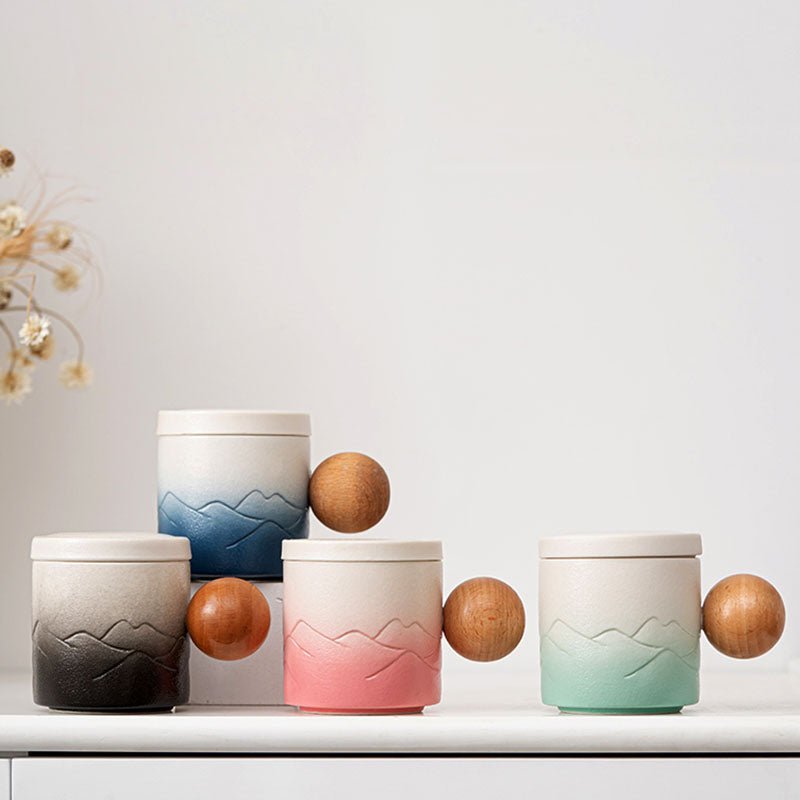
That is also why a decorative mug is not always the best choice for everyday use. Some designs look great on a shelf or in an unboxing photo, but a narrow handle, tall body, or heavier base can make them less practical if you drink two or three mugs a day. If you want examples with distinct styling, compare the Mountain Sea Coffee Tea Mug and the Planet Coffee Tea Mug with the rest of our collection.
Will the mug fit your coffee machine, cabinet, and dishwasher?
Fit is where most buying mistakes happen. The mug may be "standard," but your kitchen setup is not. Measure the available height under your cabinet or brewer, then compare it with the mug height and the height of any lid or coaster you plan to use with it. If you use a single-serve machine, a mug that is a little too tall can force you to brew in a smaller cup and pour after the fact, which is not ideal.
Dishwasher clearance matters too. A mug that looks fine in the sink may hit the upper spray arm or block neighboring cups on the top rack. In our experience, mugs with wide handles or unusually flared rims can be awkward in a crowded dishwasher load. The same goes for stacked storage in a cabinet: a broad base or heavy foot ring may not nest cleanly with other cups.
Material matters here as well. Most everyday mugs are ceramic or stoneware, which handles routine dishwashing well if the glaze is intact. Decorated surfaces, metallic detailing, and very thin rims deserve more caution because they are more prone to cosmetic wear. We also pay attention to common defect modes like hairline glaze cracks, rough lip finishing, and an uneven foot ring. Those issues do not always affect basic function, but they do affect long-term satisfaction.
If you want a broader buying checklist, our article on Standard Coffee Mug Dimensions: What Buyers Should Check is a useful companion read before you order.
What should you choose if you want one mug for everyday use?
For most shoppers, the best everyday mug is not the biggest one. It is the mug that balances comfortably, clears your storage space, and feels good after the tenth wash cycle. We usually advise looking for three things in this order:
- A comfortable handle that leaves enough room for at least two fingers without pinching.
- A stable base that sits flat and does not feel top-heavy when full.
- A practical capacity that matches how you actually drink coffee, not how you imagine using it on a slow weekend.
For gifting, the priorities shift a little. A mug that feels special in the hand can matter more than a few extra ounces. For daily use, especially on a busy kitchen counter or office desk, easy cleaning and balance usually win. That is why some buyers prefer a straightforward mug shape, while others want a more distinctive profile that still stays functional. If you are comparing styles side by side, keep the full collection open and judge the handle, foot, and rim together instead of looking at the artwork alone.
One practical trade-off to remember: a mug that is great for espresso drinks or smaller servings is not always the best mug for a latte, hot chocolate, or tea that needs more surface area. Wider mugs cool faster and can feel more open, while taller mugs hold heat a little better but may be less convenient to stir. There is no perfect shape for every drink.
Frequently asked questions
What are standard coffee mug dimensions in inches?
Most everyday mugs are roughly 3.25 to 4.5 inches tall, with a rim around 3 to 3.5 inches across and an overall width of about 4.5 to 5.5 inches including the handle. Those are practical shopping ranges, not fixed industry rules. Always check the product measurements if the mug needs to fit under a cabinet or coffee maker.
How many ounces is a standard coffee mug usually?
A standard coffee mug is often in the 8 to 14 ounce range, with 11 to 12 ounces being a very common everyday size. Smaller mugs are better if you refill often or prefer stronger coffee in smaller servings. Larger mugs work better for milk drinks, tea, and long desk sessions.
Will a standard mug fit under a coffee machine?
Sometimes, but not always. A mug can be standard in capacity and still be too tall for a single-serve machine or too wide for a drip tray. Measure the clearance under your brewer and compare it with the mug height before you buy.
Are stoneware mugs better than porcelain for daily use?
Stoneware usually feels heavier and more substantial, which many people like for everyday coffee. Porcelain is often lighter and can feel more refined, but it may be less forgiving if you want a thicker, sturdier feel. The better choice depends on how you store, wash, and carry the mug.
What mug size is best for an office desk?
We usually suggest a mid-size mug, around 11 to 12 ounces, with a stable base and a handle that is easy to grip one-handed. Very large mugs can crowd a small desk and feel awkward when full. A mid-size mug is easier to manage during calls, typing, and repeated refills.
If you are still comparing options, start with the mug measurements first, then choose the style. Check height, rim width, base diameter, and handle clearance against your cabinet or brewer, then browse our full collection for the shape that actually fits your routine.
Read more
Mug Shots Coffee: How to Pick the Right Mug for Daily Use
A mug can look right in a photo and still feel wrong at the desk, in the dishwasher, or after a few refills. We break down the fit, style, and trade-offs that matter before you buy.
Read more
Enamel Coffee Mug Buying Guide for Everyday Use and Gifting
A practical look at what makes an enamel coffee mug worth buying, from rim finish and coating quality to care and real-world trade-offs. Compare our store picks and choose the right fit for desk, c...
Read more
Los kommentaar
This site is protected by hCaptcha and the hCaptcha Privacy Policy and Terms of Service apply.