
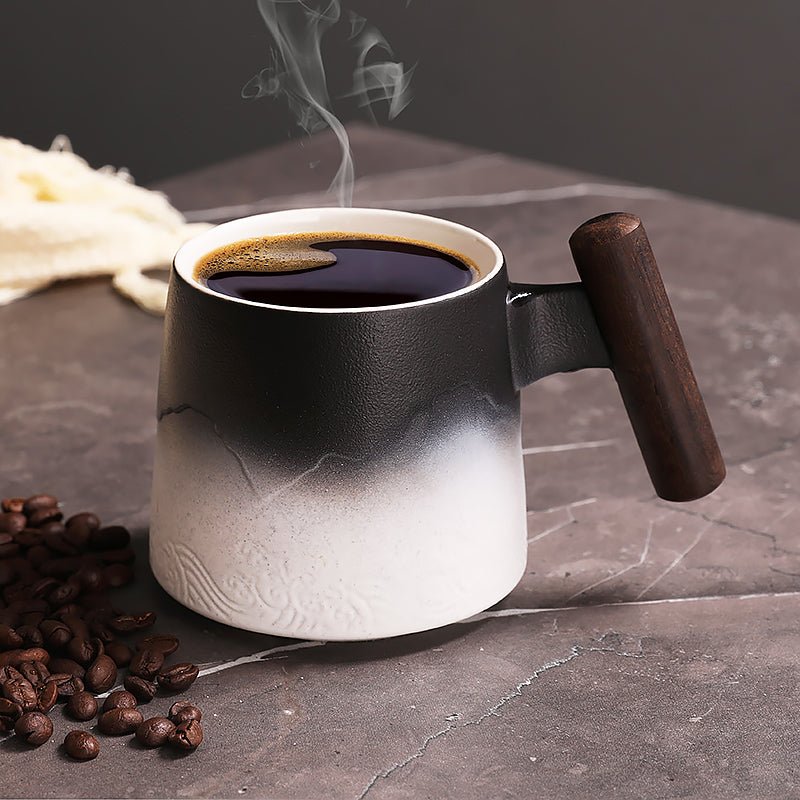
Stacking Coffee Mugs: What to Check Before You Buy
Reading time: about 9 minutes
The fastest way to find out if stacking coffee mugs will work in a real kitchen is to measure the cabinet shelf and the mug foot ring together. We see a lot of buyers focus on capacity first, then realize the mug does not nest securely, the handle bumps the shelf above, or the stack looks tidy until the top mug shifts every time the cabinet opens.
That is why we treat stacking as a fit question, not just a style choice. In our store, the best stackable mugs are the ones that save space without turning every breakfast into a careful balancing act. If you are comparing options, start with the dimensions, then move to material, shape, and care.
What makes a coffee mug stack well?
A mug stacks well when the bottom of one cup sits predictably on the top rim or recess of another. On most everyday ceramic mugs, that means a flat enough foot ring, a consistent rim diameter, and a handle that does not interfere with the next mug in the stack. If one mug has a wide belly and another has a narrow base, the stack usually gets unstable fast.
We look for a few practical signs before recommending a stackable set:
- Rim consistency: Mugs with similar mouth diameters stack more cleanly than mixed shapes.
- Foot ring depth: A defined base ring helps the mug seat properly instead of sliding.
- Handle clearance: Bulky handles can force the stack off-center or scratch the mug below.
- Wall thickness: Thicker walls can add durability, but they also add weight, which matters if you stack three or four high.
- Shape profile: Straight-sided or gently tapered mugs usually stack better than bowl-shaped or heavily flared designs.
Stacking coffee mugs are not the best choice if you want oversized hand-thrown shapes with irregular rims. Those can be beautiful on a shelf, but they are not ideal for tight cabinet storage or office break rooms where people grab cups quickly.
Which mug materials are easiest to stack and live with?
Material affects more than looks. It changes weight, chip resistance, dishwasher behavior, and how confident the stack feels when you pull one mug out from the middle. For most shoppers, ceramic and stoneware are the default choices because they balance everyday use with enough weight to feel stable.
| Material | What it is good for | Trade-off |
|---|---|---|
| Ceramic | Everyday kitchen use, clean stacking, easy styling | Can chip at the rim or foot if knocked together |
| Stoneware | Heavier feel, stable stacks, durable daily use | Usually bulkier, so cabinet height matters more |
| Porcelain | Refined look, thinner walls, lighter stacks | Can feel more delicate and may show wear sooner at contact points |
| Glass | Visual display, easy to see contents | Not ideal for rough stacking and can be slippery when wet |
If you are buying for a family kitchen, stoneware often makes sense because the extra weight helps the mugs stay put. If the mugs are going into an office cabinet, porcelain may be easier to lift and line up, but it usually needs a little more care. Glass is the least forgiving for stacked storage, especially when the mugs come out of a dishwasher cycle and someone is moving fast.
Care matters too. Most buyers want dishwasher-safe mugs, but stackable sets should also survive the wear points that happen every day: rim-to-rim contact, base friction, and repeated grabbing by the handle. If the finish is very glossy, inspect for a smooth foot ring. A rough or unglazed bottom can scratch shelves and leave marks on the mug below.
How much cabinet space do you really need?
The real question is not how many mugs you own. It is how much usable vertical space sits between your shelf and the next one. A stack may fit on paper and still fail once you account for the handle, the lid on a nearby canister, or the extra inch your cabinet loses to a fixed shelf lip.
A simple way to check fit:
- Measure the interior shelf height from the shelf surface to the underside of the shelf above.
- Measure the mug height with the handle included, not just the cup body.
- Subtract a little extra space so the top mug can be lifted off without scraping.
- Test whether two mugs, three mugs, or four mugs is the practical limit.
That last step matters. Many buyers assume a taller stack is always better, but for regular use, two or three mugs is often the sweet spot. Higher stacks can save space, yet they also make the lower mug harder to grab and increase the chance of tipping if the cabinet is opened in a hurry.
If you are shopping for a small kitchen, the full collection is worth browsing with cabinet height in mind. If you want to compare the current selection first, start with our product lineup and match the mug dimensions to your shelf before you order.
Do size and capacity change how stackable a mug feels?
Yes, and this is where buyers often get tripped up. A 12 oz mug may look compact enough, but if the body is wide and the handle sticks out far enough, it can take more shelf width than a taller 16 oz mug with a tighter profile. The capacity matters for drinks, but the outer shape matters for stacking.
For related size comparisons, our guides on 12 oz Coffee Mugs: What to Check Before You Buy and 16 oz Coffee Mugs: What to Check Before You Buy cover the kind of details that affect daily use, not just the label on the box. If you are comparing bigger cups, the same logic applies to 20 Ounce Coffee Mugs: What Buyers Should Check Before Ordering and A buyer's guide to large capacity coffee mugs.
As a general rule, here is how size affects stackability:
- 8 oz mugs: Usually easiest to stack compactly, but they may feel small for full coffee servings.
- 12 oz mugs: A common middle ground for kitchens and gift sets.
- 16 oz mugs: Good for larger pours, but they need more vertical room and can feel heavy when stacked in threes.
- 20 oz mugs: Better for big drinkers or soup, not the best fit for shallow cabinets or crowded office shelves.
If you are buying mainly for espresso, tea, or small coffee servings, bigger is not automatically better. A large mug can waste shelf space and make the set feel clumsy. If you want a mug that disappears neatly into a cabinet, smaller and straighter usually wins.
What details separate a useful stackable mug from a frustrating one?
This is where real-world handling matters. A product can look stackable in photos and still be annoying in daily use if the handle catches, the glaze feels sticky, or the bottom edge is too sharp. We pay attention to the small things because that is what buyers notice after the first week.
Three details we check in our experience:
- Foot finish: A smooth, even foot ring is less likely to scratch shelves or chip when mugs slide together.
- Handle geometry: A handle that curves close to the body usually stacks better than a wide, squared handle.
- Dishwasher wear points: Repeated cycles can dull some glazes and expose rough edges where mugs touch each other.
Stackable mugs also need to work outside the cabinet. We think about the coffee bar on a countertop, the office desk where someone wants one hand free, and the gift box where a set should feel neat the moment it is opened. If the mugs look good only when arranged perfectly, they are not really practical stackers.
Our rule: if a mug is hard to stack when dry and empty, it will not get easier once it has coffee rings, dishwater residue, and a hurried morning in the mix.
That is also why some designs are not a good fit for stacking. Wide artisan handles, tapered tulip shapes, or very thin porcelain walls can be excellent for display or formal settings, but they may not survive rough daily handling as well as a simpler, heavier body.
How do stacking coffee mugs compare for gifts, offices, and everyday kitchens?
The right choice changes with the setting. A home kitchen needs convenience. An office needs consistency. A gift set needs visual order and a clean unboxing experience. We help customers think through those use cases before they buy, because the same mug can be perfect in one setting and awkward in another.
Use this quick comparison:
- Everyday kitchen: Choose ceramic or stoneware with a stable base and moderate handle size.
- Office break room: Look for mugs that stack evenly, are easy to identify, and do not require careful alignment each time.
- Gift set: Prioritize a matching shape and finish so the stack looks intentional out of the box.
- Display shelf: If appearance matters more than storage, you can accept a little less stack stability for a more distinctive shape.
If you are still deciding between styles, compare your shortlist against the buying notes in our 8 Ounce Coffee Mugs: What Buyers Should Check Before Ordering and the more detailed 8 oz Coffee Mugs: Size, Material, and Fit Guide. Those articles are useful if you are choosing smaller mugs for a tighter cabinet or a more controlled pour.
For shoppers who want the broadest comparison without guessing, the simplest next step is to browse our current collection and compare the outer dimensions against your shelf height and storage plan. That is the quickest way to avoid buying a mug that looks right online but fights your kitchen layout every morning.
Frequently asked questions
How many stacking coffee mugs can I safely put on one another?
For most home kitchens, two or three mugs is the practical limit. You can stack more, but the lower mug becomes harder to remove and the stack is easier to knock over. If the mugs are heavy stoneware, keep the stack shorter.
Are ceramic stacking coffee mugs better than stoneware?
Neither is universally better. Ceramic is often a little lighter and cleaner-looking, while stoneware feels more stable and forgiving in daily use. If you want a sturdier stack for a busy kitchen, stoneware usually has the edge.
Do stacking coffee mugs scratch each other?
They can, especially if the foot ring is rough or the glaze is very glossy and soft. Light contact is normal, but repeated sliding can mark the surface over time. A smooth base and careful stacking reduce that risk.
Can I stack mugs in the dishwasher?
It is better to stack them for storage, not for washing. In the dishwasher, mugs should sit securely in the rack so they do not rub together. For storage after washing, make sure they are fully dry before stacking.
What is the biggest mistake buyers make with stackable mugs?
Buying by capacity alone. A mug can be the right ounce size and still be awkward if the handle is too wide, the rim is uneven, or the cabinet is too short. Measure the space first, then compare the shape.
If you are ready to narrow it down, use this checklist: shelf height, mug height with handle, base shape, dishwasher safety, and how many mugs you want in each stack. Then browse our current products with those measurements in hand.
More from our blog
Read more
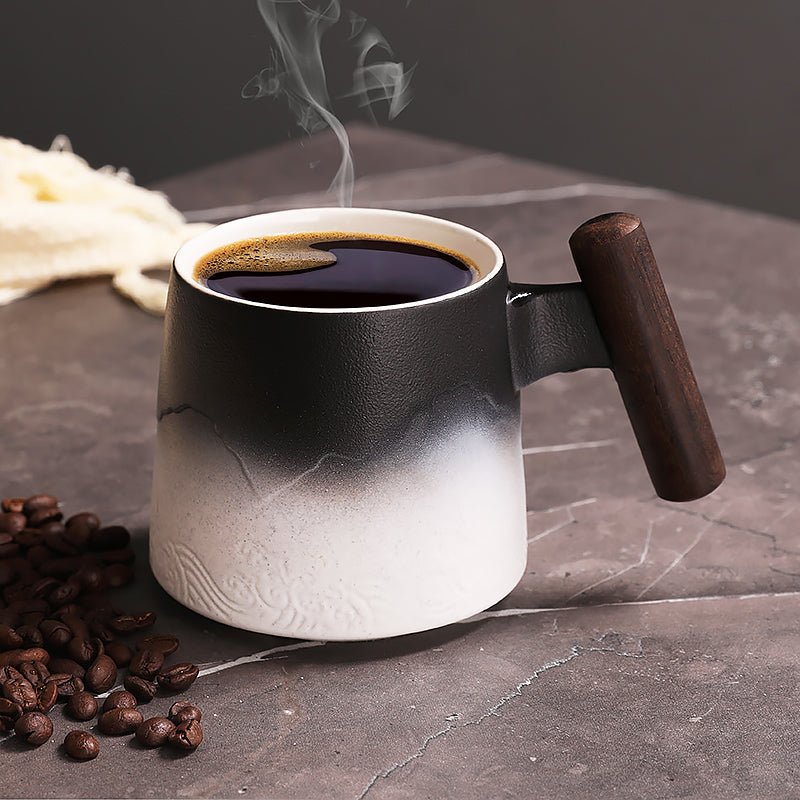
Pink Coffee Mug: How to Choose Size, Material, and Finish
A practical guide to choosing a pink coffee mug for daily coffee, desk use, or gifting. We cover size, material, finish, care, and the trade-offs that matter before you buy.
Read more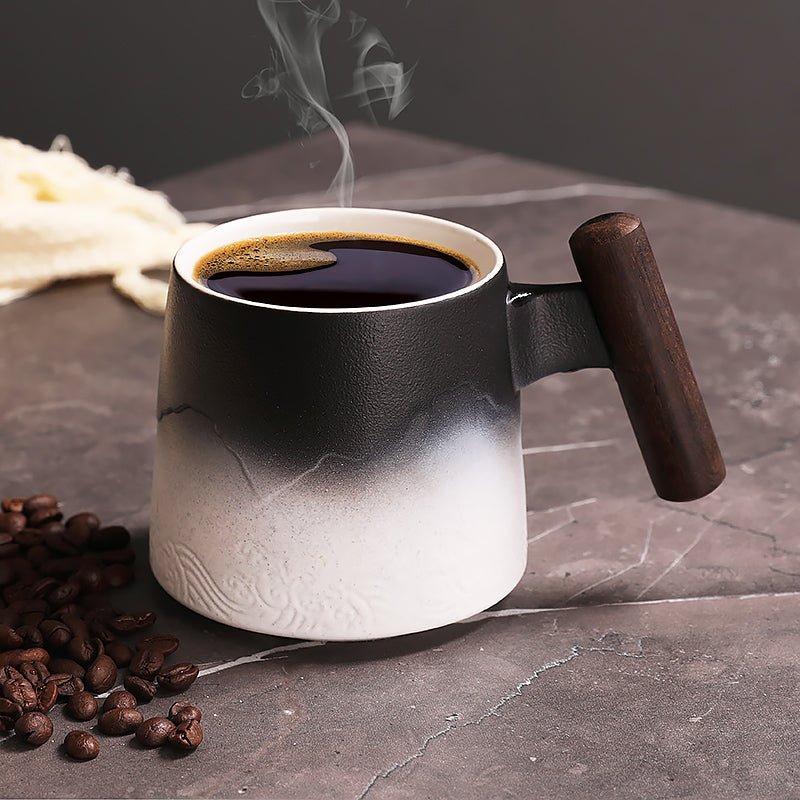
16oz Coffee Mug Buyer’s Guide: Size, Material, and Fit
A 16oz coffee mug is a strong everyday size for drip coffee, lattes, and tea, but the details matter. We break down fit, materials, care, and the trade-offs that help you buy the right one.
Read more
Los kommentaar
This site is protected by hCaptcha and the hCaptcha Privacy Policy and Terms of Service apply.