
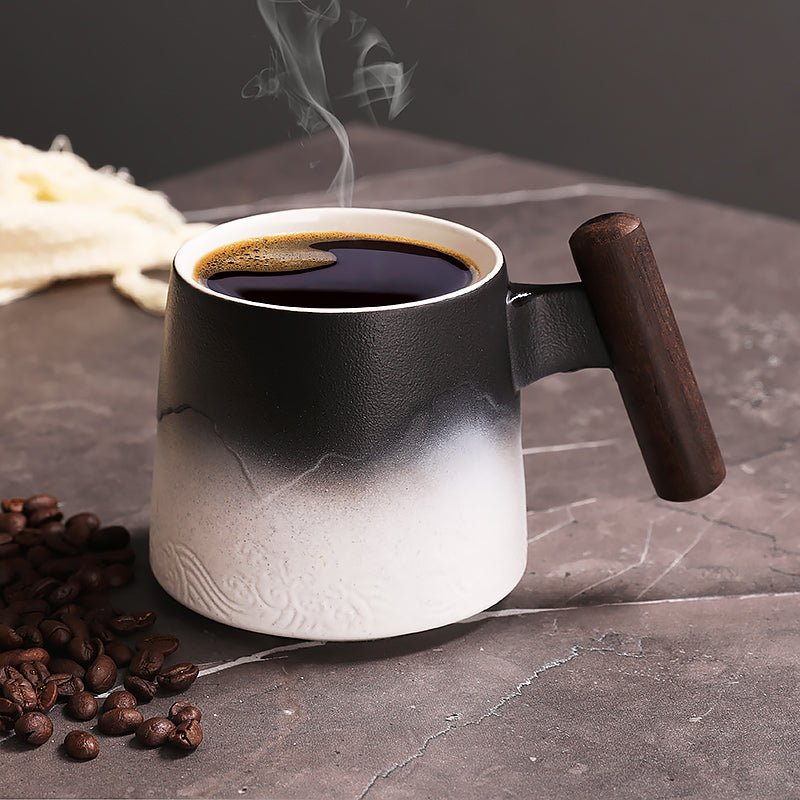
Spill Proof Coffee Mug Buying Guide: What Actually Prevents Messes
Reading time: about 9 minutes
A mug that tips over on a desk or slips in a car cupholder turns a normal morning into a cleanup job fast. That is usually where a spill proof coffee mug earns its keep: not by looking fancy, but by staying sealed when it gets knocked, jostled, or set down a little too hard.
In our store, we see the same buying pattern over and over. People want a mug that feels comfortable in the hand, holds the right amount of coffee, and does not leave a ring on a notebook, keyboard, or console. The catch is that “spill proof” can mean different things. Some mugs resist splashes on a desk. Others are built to hold shut in a bag. A few do both, but trade convenience for a tighter lid or more parts to clean.
If you are comparing options, start with the actual use case. Then check the lid, seal, body material, and size before you buy. You can browse current options in our products page or compare the full range in the collection.
What does a spill proof coffee mug actually need to prevent?
A spill proof mug should reduce the two failures that cause most messes: accidental tipping and lid leakage. That sounds simple, but the details matter. A mug can resist a quick knock on a kitchen counter and still leak if you set it in a bag and the lid flexes under pressure.
We look at spill control in three layers:
- Lid closure: A press-fit lid, threaded lid, or slide top should close tightly without wobble.
- Seal quality: A silicone gasket or ring should sit evenly and not twist out of place.
- Pour path: The drinking opening should be shaped so coffee does not slosh over the edge when the mug moves.
That is why a mug marketed as spill proof is not always the right choice for a commute. Some are better described as splash resistant for desk use. If you want a deeper look at what separates a true travel-ready lid from a merely snug one, our Leak Proof Coffee Travel Mug: What to Check Before You Buy article breaks down the lid and seal details in plain language.
A useful rule: if the lid depends on friction alone, it is usually fine for a desk. If it uses a gasket plus a locking or threaded closure, it is usually better for bags and car rides.
Which material is best for a spill proof coffee mug?
Material changes how a mug feels, how it holds heat, and how much wear it shows after repeated use. We handle the most common styles every day, and the trade-offs are consistent.
| Material | What it does well | Trade-off |
|---|---|---|
| Stainless steel | Durable, good for heat retention, better for travel | Can feel heavier and may show lid wear over time |
| Ceramic | Tastes neutral, feels familiar, good for desk use | More fragile if dropped, usually less secure for travel |
| Glass | Clean taste, easy to inspect for residue | Least forgiving if knocked over, not our first pick for a bag |
For a spill proof coffee mug that gets moved around a lot, stainless steel is usually the safest bet. It is the most forgiving if the mug gets bumped on a counter or packed into a work tote. Ceramic works better if your main concern is morning coffee at a desk or kitchen table, where the lid is there to prevent drips rather than full travel leaks.
One practical detail buyers overlook: the inner surface and lid material. A mug with a stainless body but a low-quality plastic lid can still develop a weak hinge, a loose slider, or a gasket that warps after repeated heat cycles. We see that more often than damage to the cup itself.
If you are still deciding between sizes, our 16 Ounce Coffee Mug Buyer’s Guide: Size, Material, and Fit is helpful if you want something easy to hold, while our 24 oz Coffee Mug: What to Check Before You Buy is better if you pour a larger morning serving and want fewer refills.
Which size works best for desk, kitchen, or commute?
Size matters more than most shoppers expect. A mug that is too small fills up too quickly and invites spills when you move it. A mug that is too large may not fit the hand, the dishwasher rack, or the cupholder you actually use.
Here is how we usually frame it in the store:
- 8 oz to 12 oz: Better for espresso drinks, short pours, and compact desks.
- 14 oz to 16 oz: A strong middle ground for everyday coffee without a bulky feel.
- 20 oz to 24 oz: Better for larger servings, long work sessions, or people who do not want to refill often.
- 40 oz and up: Useful for heavy coffee drinkers, but not ideal if you want a lighter mug or a small hand fit.
If you want a bigger cup but still care about spill control, read our Over 40 oz Giant Coffee Mugs Spill Proof: What Buyers Should Check before ordering. Oversized mugs can be stable on a counter and still awkward in a car or on a crowded desk.
Our practical advice: choose the smallest size that comfortably matches your normal pour. A mug with less empty space is usually easier to handle because the coffee does not slosh as much when you walk or set it down.
Which lid details keep coffee from leaking?
The lid is the part that decides whether a mug is genuinely useful or just nicely shaped. We check lids for three things before we recommend them to customers:
- Gasket fit: The silicone ring should sit evenly without gaps or pinched edges.
- Closure type: A slide top, snap tab, or threaded cap should close with a clear, firm action.
- Cleaning access: If the lid has trapped corners or thin channels, coffee residue builds up there fast.
There is a real trade-off here. Tighter lids usually protect better, but they can be less convenient to open with one hand and harder to clean thoroughly. A mug meant for a desk can get away with a simpler lid. A mug meant for a tote bag or commute usually cannot.
In practice, the most common defect modes we see are not dramatic. They are small. A gasket shifts out of its channel. A sliding cover loosens. A lid rim warps after repeated dishwasher cycles on high heat. Those are the things that turn a good mug into a drippy one.
If lid quality is your main concern, the details in our Leak Proof Coffee Travel Mug: What to Check Before You Buy article are worth checking alongside this guide.
How should you clean a spill proof coffee mug so the seal keeps working?
A spill proof mug only stays spill proof if the lid and gasket stay clean. Coffee oils collect in the edge of the lid, around the drinking opening, and under any sliding cover. Left alone, that buildup makes the seal less reliable and can leave a stale smell even after a wash.
We recommend a simple care routine:
- Rinse the mug soon after use so coffee does not dry in the lid grooves.
- Remove the gasket if the lid design allows it, then wash the pieces separately.
- Check the underside of the lid for residue after every few uses.
- Let everything dry fully before reassembling, especially the gasket channel.
Dishwasher-safe does not always mean maintenance-free. High heat and repeated cycles can be hard on thin seals and plastic lid parts. A ceramic mug with a fitted lid may hold up well for light daily use, while a stainless mug with more moving parts often benefits from hand washing the lid even if the body goes in the dishwasher.
If you are shopping for a mug that will live on a desk and occasionally go through the dishwasher, that is a different choice than a commute mug. We treat those as separate buying decisions because the right answer is not the same.
What should you avoid if you want fewer spills?
Some mugs look right in photos and disappoint in real use. The usual problem is not the cup body. It is the lid design, the size, or the way the mug fits your routine.
Avoid these common mistakes:
- Choosing by capacity only: A large mug that does not fit your hand or cupholder is annoying fast.
- Ignoring the lid opening: A wide sip opening may be comfortable but can slosh more during movement.
- Buying a travel-style lid for desk use when you want easy sipping: You may end up opening and closing it constantly.
- Assuming all spill proof claims mean leak proof performance: Those are not the same thing.
For shoppers comparing standard mug sizing before they choose a lid style, our Average Coffee Mug Size: What Buyers Should Know Before Ordering helps set expectations. And if you are deciding between everyday drinkware styles rather than just one category, our Awesome Coffee Mugs: How to Choose a Mug You’ll Actually Use covers the practical side of fit and habit.
The other limitation to call out: a spill proof coffee mug is not the best choice if you want a wide, open ceramic mug for latte art or easy stirring. For that, a more open cup is more pleasant. Spill control and open-mouth convenience usually pull in opposite directions.
Frequently asked questions
Is a spill proof coffee mug the same as a leak proof mug?
No. Spill proof usually means the mug can handle a bump, tip, or short jostle without making a mess. Leak proof is a tighter standard and usually means the lid is designed to hold liquid securely during travel or bag carry. If you plan to put the mug in a tote or backpack, treat leak proof as the safer requirement.
Can I put a spill proof coffee mug in the dishwasher?
Sometimes, but check the lid first. Many mug bodies are dishwasher safe, while the lid or gasket may last longer with hand washing. If the lid has a slider, hinge, or thin seal, repeated high-heat cycles can wear it out faster.
What size spill proof coffee mug is best for everyday use?
For most buyers, 14 oz to 16 oz is the most flexible range. It is large enough for a full coffee without feeling oversized, but still easier to hold and store than a bigger travel mug. If you pour larger servings, 20 oz to 24 oz may make more sense.
Do ceramic spill proof coffee mugs work well?
Yes, for desk use and short trips. Ceramic gives a familiar drinking feel and a neutral taste, but it is more fragile than stainless steel and usually less suitable for bags or rough handling. We recommend ceramic when the main goal is to reduce desk spills, not to replace a hard-use travel mug.
What is the most important part of the lid to inspect before buying?
The gasket. A good silicone seal that sits evenly is often what separates a dependable mug from one that slowly drips. After that, check the closure style and whether the lid is easy to clean around the drinking opening.
If you want the quickest next step, compare the mug size you actually use today, then check lid type and cleaning style against our current collection. That simple filter will eliminate most mismatches before you buy.
More from our blog
Read more
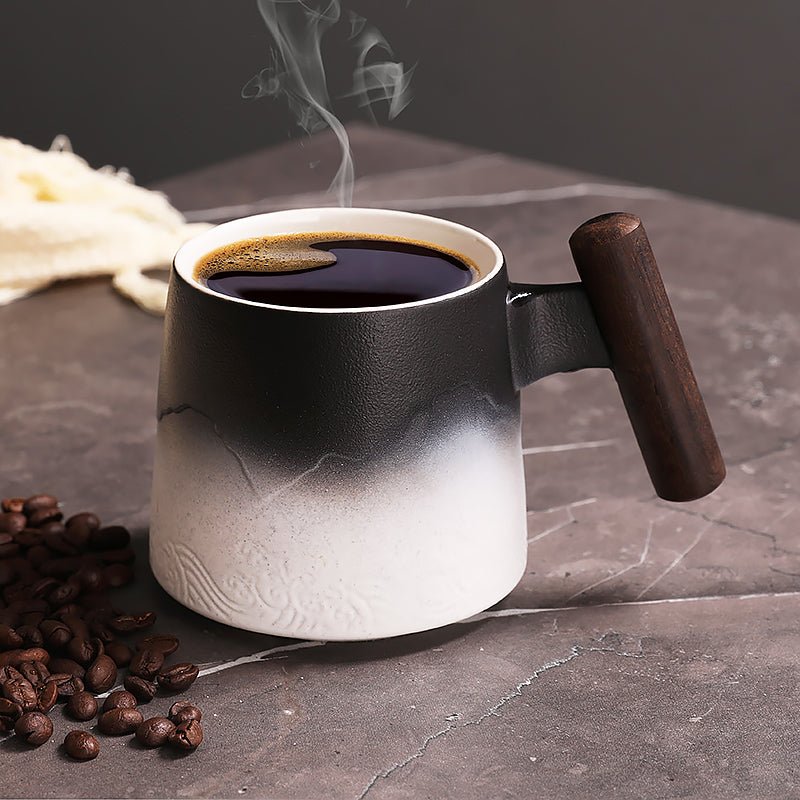
Coffee Mug Brownie: Best Mug Size, Material, and Baking Tips
A coffee mug brownie turns out best when the mug has the right shape, capacity, and material. Here we break down what actually works, what fails, and which mug details matter most.
Read more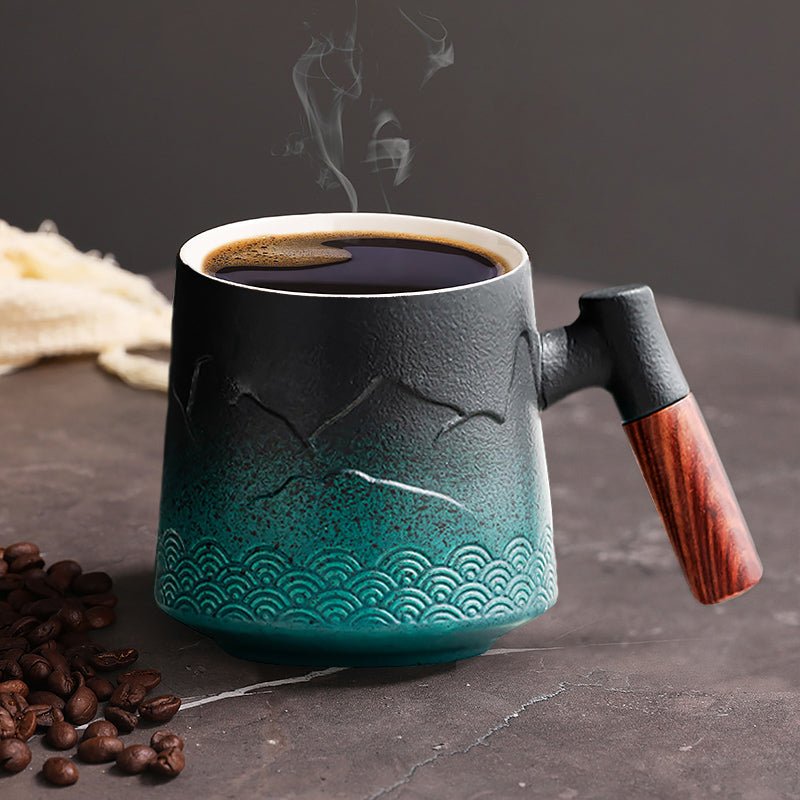
Insulated Coffee Mug with Handle: What Buyers Should Check
A practical guide to choosing an insulated coffee mug with handle that feels good in hand, holds heat well, and fits real daily use. We cover lid design, materials, care, and where a handled mug is...
Read more
Los kommentaar
This site is protected by hCaptcha and the hCaptcha Privacy Policy and Terms of Service apply.