
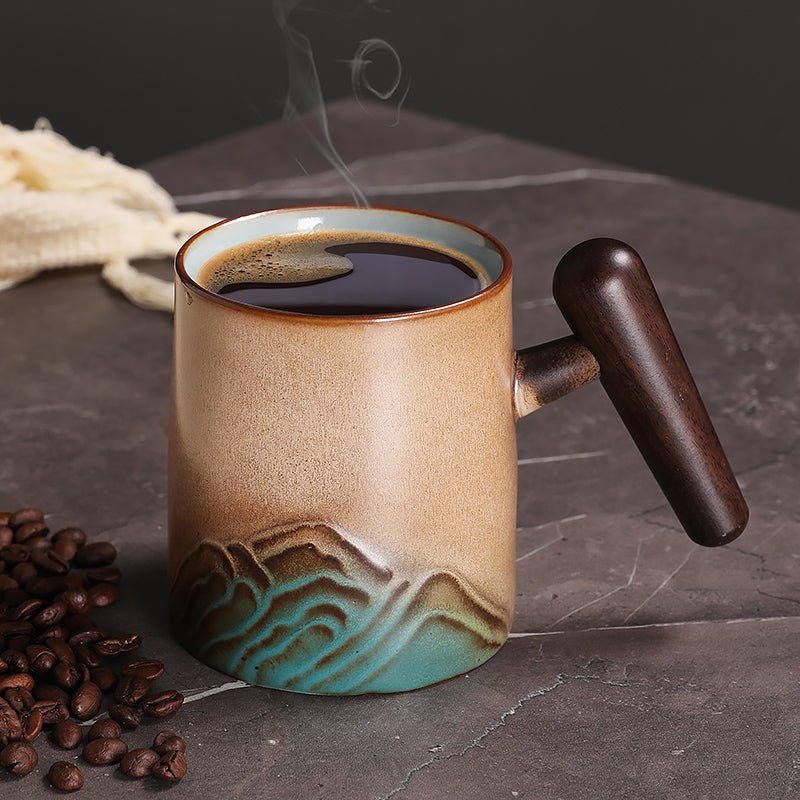
Scotty P Big Mug Coffee: How to Choose a Large Mug That Works
Reading time: about 8 minutes
A mug can look right online and still fail on the kitchen counter: the handle pinches, the base rocks, or the cup is so wide that coffee cools before the last few sips. That is the real problem behind scotty p big mug coffee searches.
We treat it as a buyer's question, not a style phrase. People usually want a mug that feels sturdy in the hand, holds enough coffee for a real morning, and still cleans up easily after a dishwasher cycle. In our store, those three things matter more than a catchy name.
If you are starting from zero, our overview on Big Coffee Cups: What to Check Before You Buy a Large Mug is the quickest first pass.
How much capacity does a big coffee mug actually need?
Most buyers looking for a big mug end up somewhere around 14 to 20 ounces. That range is large enough for drip coffee with room for milk or cream, but not so large that the mug starts behaving like a bowl.
| Capacity | Best for | Trade-off |
|---|---|---|
| 12 to 14 oz | A shorter pour, lighter weight, smaller cabinets | It may not feel oversized if you want a true big mug |
| 16 to 20 oz | Daily drip coffee, a little extra room for milk, home or office use | Heavier when full, so the handle and base matter more |
| 24 oz and up | Long desk sessions, cocoa, tea, or one large drink you sip slowly | Bulkier, harder to store, and more awkward in small hands |
If you use a standard coffee maker, 16 to 20 ounces is usually the most practical range. If you drink a shorter pour and like the mug to stay lighter, 14 ounces may be enough. If you keep topping up a big desk mug all morning, larger can make sense, but the shape needs to stay stable.
For a deeper breakdown of size, grip, and daily use, we point shoppers to Big Coffee Mug Buyer's Guide: Size, Comfort, and Daily Use.
Which material holds up best for everyday use?
For most buyers, ceramic and stoneware are the workhorses. They feel solid, they usually keep coffee warm longer than very thin mugs, and they fit naturally into a kitchen or office routine. Porcelain is often lighter and thinner, which some people prefer for a cleaner sip. Glass looks sharp with iced coffee, but it cools faster and shows water spots more easily.
| Material | What it feels like | Best for | Watch out for |
|---|---|---|---|
| Ceramic | Balanced, familiar, usually mid-weight | Everyday coffee at home or work | Can chip at the rim if handled roughly |
| Stoneware | Denser and more substantial | People who want a sturdy mug that feels grounded | Can feel heavy when filled to the top |
| Porcelain | Thinner, lighter, more refined at the lip | Gift mugs and lighter everyday use | Thin walls can chip if the mug gets knocked around |
| Glass | Clear and modern | Iced drinks and layered coffee drinks | Usually loses heat faster than ceramic or stoneware |
We also inspect the details that generic listings skip. A good mug has a smooth rim, a glaze that does not feel gritty, and a foot ring that sits flat on a table. The common defect modes we watch for are tiny pinholes in the glaze, rough spots at the lip, hairline cracks where the handle joins the body, and an uneven base that makes the mug rock on a counter.
A plain glazed interior is easier to rinse clean after coffee oils build up. Matte exteriors can look good, but they sometimes show fingerprints or dried splashes sooner than a glossy finish. Metallic trim is a separate issue: if a mug has it, check the care notes before putting it in a microwave.
What makes a big mug comfortable to hold?
The handle decides whether a mug feels useful or annoying. A large cup with a cramped handle is frustrating the first time you pour it full. If two fingers do not fit cleanly without the knuckles hitting the mug body, the size is wrong for daily use.
- Handle clearance: enough space for a comfortable two-finger grip without pinching.
- Weight balance: the mug should feel stable when full, not top-heavy.
- Base width: a wider foot ring helps the mug sit securely on a desk or tray.
- Rim finish: a smooth lip matters more than most buyers expect, especially on first sip.
- Body shape: a tall, slightly narrower profile can feel easier to carry than a very round one.
On a crowded office desk, a stable base matters more than a decorative silhouette. In the kitchen, the same mug should move cleanly from coffee maker to counter without sloshing. For a gift, we also pay attention to how the mug looks out of the box: even glaze coverage, no rough edges, and no wobble when it is set down on a flat surface.
That is why our buying advice overlaps with Oversized Coffee Mug: How to Pick the Right Big Mug and Big Mug Coffee: How to Choose the Right Large Mug for Daily Use. The right mug is not the one with the loudest shape. It is the one you stop noticing because it just works.
What trade-offs should you accept before buying?
A bigger mug is not automatically a better mug. Wide mugs lose heat faster. Very large mugs can crowd a cabinet shelf, bump into nearby dishes in the dishwasher, and feel awkward in the hand once they are full.
If you want a mug for commuting, a travel tumbler is the better category. If you need espresso service, a big mug is overkill. If your coffee routine includes milk, cocoa, or a long second refill, then the extra space is useful. That is the trade-off: convenience versus bulk.
Our rule is simple: choose the mug that fits your routine, not the one that just looks biggest in the photo.
We also remind shoppers that shape affects heat. A wider opening usually releases heat faster than a narrower one. If keeping coffee hot is the main goal, a moderately sized mug with thicker walls often works better than an oversized open-top cup.
How do we compare mugs before we list them?
We do not judge mugs from product images alone. In our experience, the small details show up only when you handle the cup on a real counter, fill it with hot coffee, and wash it through an actual routine.
- Check the stated capacity against the drink size you actually pour.
- Hold the mug empty and full to judge handle comfort and balance.
- Set it on a flat surface to see whether the base rocks.
- Inspect the rim, glaze, and handle join for rough spots or weak points.
- Confirm whether the mug is dishwasher-safe, microwave-safe, or restricted by metallic details.
- Decide whether the shape fits your shelf, dishwasher rack, and daily counter space.
If you want to browse what we carry now, start with our full collection or go straight to our product pages. That is the fastest way to compare sizes, shapes, and finishes side by side.
For shoppers who are still narrowing it down, this short checklist helps:
- Choose a 16 to 20 ounce mug if you want the safest everyday size.
- Choose a slightly narrower shape if heat retention matters more than visual volume.
- Choose stoneware if you want a heavier, grounded feel.
- Choose porcelain if you want a lighter mug with a thinner lip.
- Choose a mug with a wider base if you tend to use it on a desk or tray.
Frequently asked questions
What size is a big coffee mug for everyday use?
For most buyers, a big everyday mug sits around 14 to 20 ounces. Below that, it may feel more like a standard mug than a large one. Above that, the mug can become bulky enough that weight and handle comfort matter a lot more.
Is stoneware better than ceramic for a large mug?
Stoneware usually feels denser and more substantial, while ceramic can feel a little lighter and easier to lift when full. Neither is automatically better. If you want a sturdier hand feel, stoneware is a strong choice; if you want less weight, a lighter ceramic mug may suit you better.
Can I put a large mug in the dishwasher and microwave?
Many plain glazed ceramic and stoneware mugs are made for both, but you should always check the care notes. Metallic trim, metallic decals, and some specialty finishes may not be microwave-safe. A dishwasher-safe mug is also easier to keep clean if you use it every day.
What should I avoid when buying a big mug?
Avoid a mug with a cramped handle, a rough rim, or a base that rocks on a flat counter. We also suggest skipping oversized mugs if you need something for a car cup holder or a very tight shelf. The wrong shape gets annoying fast, even if the mug looks good in photos.
Is a large mug good for tea or cocoa too?
Yes, if you like a bigger serving and do not mind the extra bulk. Large mugs work well for tea, cocoa, and milk-heavy drinks because the extra capacity gives you room to stir without spilling. If you prefer a small, concentrated pour, a smaller cup will feel better.
Before you buy, compare capacity, handle clearance, base stability, and care notes against your daily routine. Then review the full collection and pick the mug that fits the way you actually drink coffee.
More from our blog
Read more

Espresso Coffee Mug Sets: How to Choose the Right Set
Espresso coffee mug sets are small, but the right one still needs the right capacity, handle feel, and storage fit. We break down the details that matter for daily shots, gifting, and compact kitch...
Read more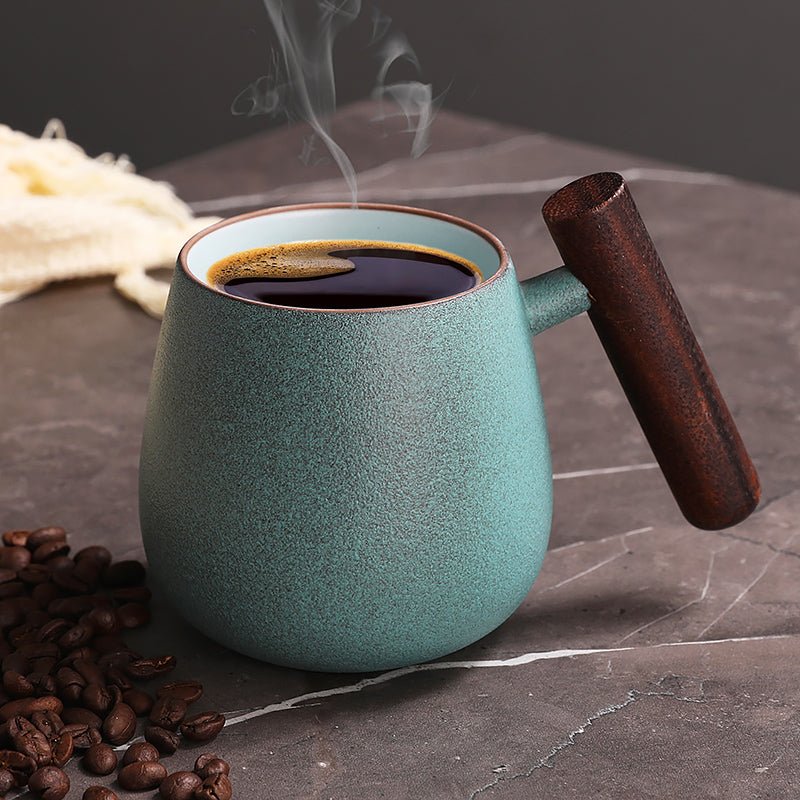
Coffee Travel Mug Glass: What to Check Before You Buy
A glass coffee travel mug can taste cleaner than some plastic options, but it also asks more from the buyer in protection, lid quality, and day-to-day handling. Here’s how to compare glass travel m...
Read more
Los kommentaar
This site is protected by hCaptcha and the hCaptcha Privacy Policy and Terms of Service apply.