
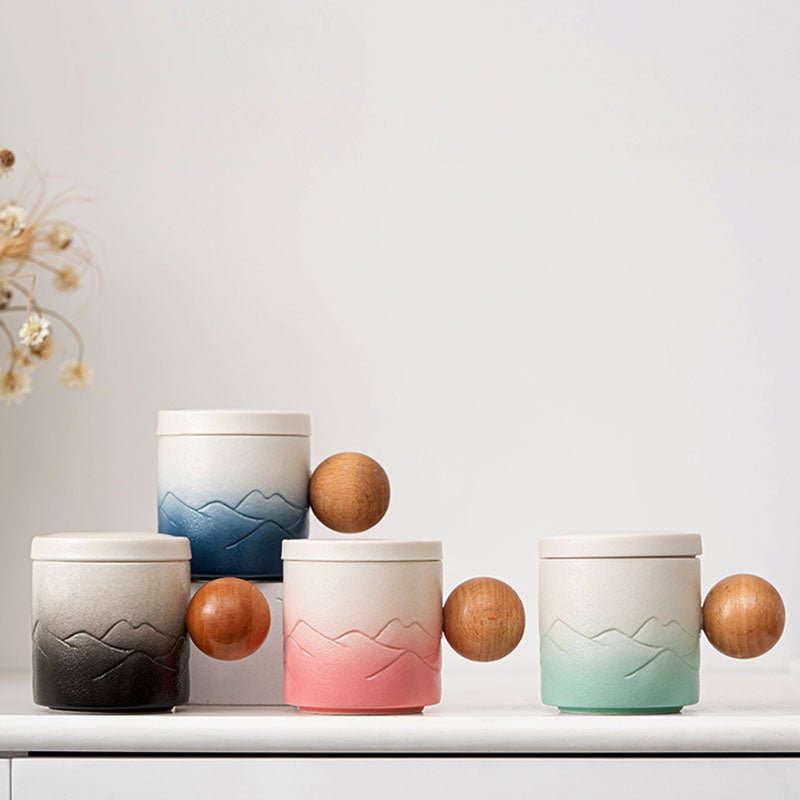
Reusable Coffee Mugs: How to Choose the Right Mug for Daily Use
Reading time: about 10 minutes
A mug that chips on the first sink knock or feels awkward under the coffee machine gets retired fast. We see that all the time in our store: people want reusable coffee mugs that actually fit daily life, not just something that photographs well on a shelf.
The best choice usually comes down to three things: size, material, and how the mug behaves after repeated washing. Those details matter more than a pretty pattern. If you want a broader size comparison first, our guides on 12 Ounce Coffee Mugs: Size, Fit, and Best Buying Choices and 16 Ounce Ceramic Coffee Mugs: Buying Guide for Daily Use are good places to start before you narrow down style.
We handle this category every day, and the same buyer questions come up again and again: Will it fit under my espresso machine? Is it comfortable for hot tea? Will the glaze show utensil marks after a few dishwasher cycles? Those are the practical questions worth answering before you buy reusable coffee mugs.
What makes a reusable coffee mug worth buying?
A reusable mug earns its place if it works on a normal weekday. That means it should be easy to lift, easy to clean, and sized for the drink you actually make. A mug can be beautiful and still be wrong for your routine.
In our experience, the best everyday mugs have a few shared traits:
- Comfortable handle clearance so fingers do not press against the body of the mug.
- A stable base that sits securely on desks, counters, and tray tables.
- A glaze or finish that is easy to rinse clean after coffee oils or tea stains.
- A size that matches your machine and your serving habits, not just a catalog description.
For office desks, a mug with a balanced shape matters more than a novelty silhouette. For kitchen use, we usually suggest something that can handle dishwasher cycles and everyday stacking without feeling fragile. If your current mug lives in a crowded cabinet, rim thickness and handle size become more noticeable than you might expect.
Which size should you choose for coffee, tea, or desk use?
Size is where a lot of buyers get stuck. Too small, and you are refilling constantly. Too large, and the drink cools before you finish it. That is why we like to compare size against the actual routine.
| Typical use | What usually works best | Why it matters |
|---|---|---|
| Single coffee serving | 10 to 12 oz | Fits a standard pour without feeling oversized |
| Tea, longer desk sessions, or larger pour-over servings | 12 to 14 oz | Leaves room for milk, tea bags, or a little extra volume |
| Big morning drink or all-day desk mug | 14 to 16 oz | Reduces refills, but takes more cabinet space and can feel heavier when full |
If you want a deeper size-by-size look, our posts on 10 oz Coffee Mugs: How to Choose the Right One for Daily Use and 14 Ounce Coffee Mugs: Size, Fit, and Buying Guide break down the trade-offs in more detail.
One practical tip from our side: check the clearance under your machine or shelf before you buy. A mug that looks modest in photos can still be too tall for a compact espresso setup. That is one of the most common mismatch complaints we hear.
Which materials hold up best in everyday use?
Most shoppers comparing reusable coffee mugs end up choosing ceramic, and for good reason. Ceramic usually gives you a solid hand feel, decent heat retention, and a familiar drinking experience. It is also the most common material we stock for customers who want a simple, dependable mug for coffee and tea.
That said, ceramic is not indestructible. A hard sink impact can chip the rim or base, and rough stacking can wear the glaze over time. If you need a mug for backpacking, travel bags, or situations where it gets tossed around, a travel tumbler or insulated cup is usually the better choice.
Here is how we talk buyers through the practical material trade-offs:
- Ceramic: Best for home, desk, and gift use. Feels substantial, but can chip if handled roughly.
- Glass: Good for seeing layered drinks, but less forgiving if you want a mug that can survive a crowded sink.
- Stainless steel: Better for travel and temperature retention, but it changes the drinking experience and is not the same as a classic mug.
For shoppers who mainly want a clean, everyday ceramic mug, our reusable coffee mugs are designed around that use case rather than outdoor travel. If you need something that lives in a cup holder, that is a different category altogether.
What details should you check before clicking buy?
The small details are usually what separate a mug you keep from a mug you rehome. We always recommend checking the mug from the same angles a buyer would use it: cabinet, sink, dishwasher, and hand.
Before you choose, look for these specifics:
- Rim shape: A smoother rim usually feels better for coffee and tea drinking, especially if you sip without a lid.
- Handle size: Make sure your fingers fit comfortably if you use the mug hot and full.
- Base width: A wider base is less likely to tip on a crowded desk.
- Glaze finish: Matte finishes can show wear differently than glossy ones, and both can behave differently under repeated washing.
- Care instructions: If you plan to use the dishwasher often, confirm the mug is suitable for that routine rather than assuming it is.
A common defect mode in this category is not dramatic breakage. It is the little stuff: a hairline chip on the rim, a rough spot on the glaze, or a handle that feels just slightly off when the mug is full. Those issues matter more than a marketing description ever will.
If you are still deciding between a few capacities, our guide to 12 oz Coffee Mugs: What to Check Before You Buy is a useful checklist for narrowing the field.
Which reusable coffee mugs fit a gift, desk, or kitchen setup best?
Different buyers use the same mug in different ways, and that changes what matters. A mug for a gift should feel good right out of the box. A desk mug should stay stable near a laptop and keyboard. A kitchen mug should clean easily and stack without stress.
In our store, three styles come up often because they solve slightly different problems:
- The Crane Coffee Tea Mug works well for buyers who want a clean, classic look with everyday coffee or tea use in mind.
- Landscape Coffee Tea Mug is a good fit when the mug is also meant to feel a little more giftable or decorative on a shelf.
- The Gradient Coffee Tea Mug suits shoppers who want a more visual finish without giving up a standard mug format.
We like to be honest about trade-offs. A more decorative mug can be great for gifting, but it is not always the most discreet choice for a minimalist kitchen. A larger mug can be ideal for long work sessions, but it may be too bulky for people with small hands or compact cabinets.
If you want to browse all current options in one place, start with our full collection and compare the shapes side by side.
How should you care for reusable coffee mugs so they last longer?
Care is where many mugs either stay in rotation or start looking tired. Coffee oils, tea tannins, and repeated dishwasher cycles all leave a mark over time. We have seen mugs that look fine on day one but start showing wear because they were stored wet, stacked too tightly, or cleaned with harsh scrubbing pads.
Our practical care advice is simple:
- Rinse the mug soon after use if you are drinking dark coffee or strong tea.
- Do not let the mug sit with leftover liquid in the bottom for hours.
- If the finish is decorative, avoid abrasive cleaners that can dull the surface.
- Stack carefully, or place a soft divider between mugs if your cabinet is crowded.
Dishwasher-safe mugs are convenient, but even then, placement matters. A mug jammed against heavy cookware can chip on the rack. That is not a flaw in the mug itself; it is just the reality of everyday kitchen handling.
For people who primarily want a desk mug, we suggest thinking about cleaning as part of the purchase decision. The easiest mug to maintain is often the mug you use most consistently.
What is reusable coffee mugs not good for?
Reusable coffee mugs are not the best solution for every situation. They are a strong fit for home, office, and gift use, but they are not ideal if you need spill-proof transport in a bag or cup holder. In those cases, a travel tumbler or lidded insulated mug makes more sense.
They are also not the right pick if you want maximum heat retention for a long commute. A standard ceramic mug will let heat escape faster than an insulated vessel. That is normal, not a defect.
And if you frequently drop dishes, a ceramic mug may not be the best match. We say that plainly because trust matters more than a hard sell. The right mug should match the way you live, not force you to change your routine.
Frequently asked questions
Are reusable coffee mugs dishwasher safe?
Many reusable coffee mugs are made for dishwasher cleaning, but you should always check the specific care instructions for the mug you are buying. Even dishwasher-safe mugs can chip if they are crowded against other dishes. If you want the least fussy routine, choose a mug with a durable glaze and a simple shape.
What size reusable coffee mug is best for daily coffee?
For most daily coffee drinkers, 10 to 12 oz is the most practical range. It is large enough for a standard serving without feeling oversized on a desk or in a cabinet. If you add milk, tea bags, or a larger pour-over, 14 oz may feel more comfortable.
Do ceramic reusable coffee mugs chip easily?
Ceramic mugs are durable for normal home and office use, but they can chip if dropped into a sink or knocked against hard surfaces. Rim chips are the most common issue we see. Careful stacking and gentler washing help them last longer.
Which reusable coffee mugs are better for gifts?
Gift buyers usually want a mug that looks finished right out of the box and feels comfortable in hand. Decorative styles can work well, but the best gift mug still needs a good handle, a stable base, and a size that matches regular coffee or tea use. That is why we suggest choosing a mug someone will actually use, not just display.
How do I choose between a decorative mug and a plain one?
If the mug will live on a desk or kitchen counter, a decorative finish can add personality without much downside. If the mug will be used every morning, plain often wins because it is easier to match, easier to replace, and usually less visually busy. Start with function, then pick the look.
What should you do next if you want the right mug the first time?
Start with a simple comparison: size, handle comfort, care instructions, and where the mug will live. If you drink one coffee and move on, a smaller mug may fit better. If you keep sipping through a work session, a larger ceramic mug may be the better buy. If you are shopping for a gift, aim for a style that feels useful on day one.
For the quickest next step, compare the mug styles in our full collection, then open the product page for the one that matches your routine best: The Crane Coffee Tea Mug, Landscape Coffee Tea Mug, or The Gradient Coffee Tea Mug. If you are still debating size, our 12 oz and 14 oz guides above are the fastest way to rule out the wrong fit before you buy.
Read more
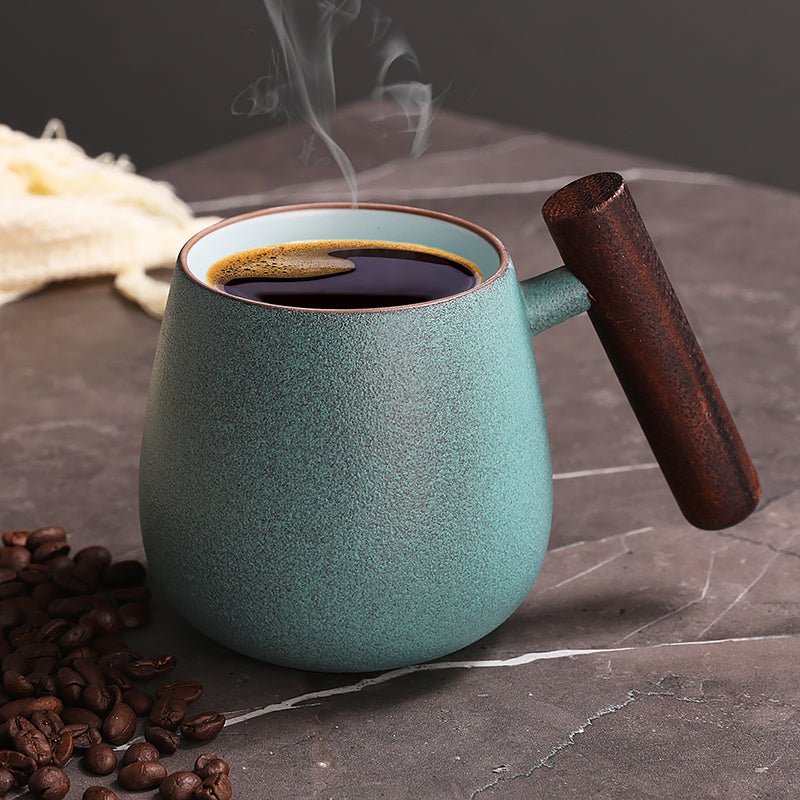
Reusable Coffee Mug Buying Guide: What to Check Before You Buy
A practical guide to choosing a reusable coffee mug based on size, material, lid fit, and daily use. We also point you to specific styles that work better for commuting, desk use, and gifting.
Read more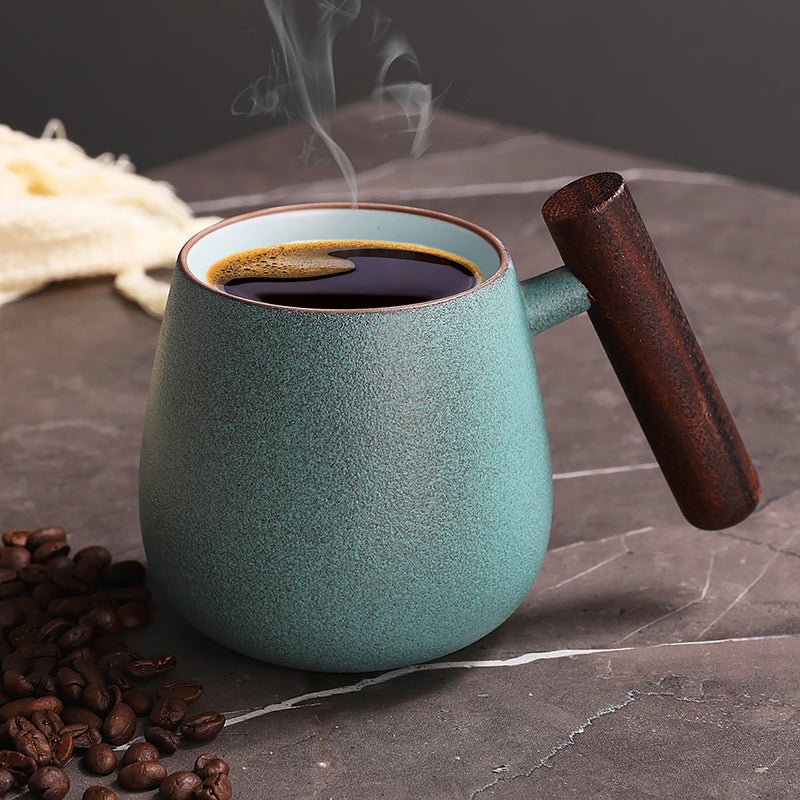
West Elm Coffee Mugs: What to Look For Before You Buy
A practical buyer’s guide to West Elm coffee mugs, including what usually matters most in daily use: feel in the hand, capacity, finish, and how easy they are to live with. We also compare a few Co...
Read more
Los kommentaar
This site is protected by hCaptcha and the hCaptcha Privacy Policy and Terms of Service apply.