
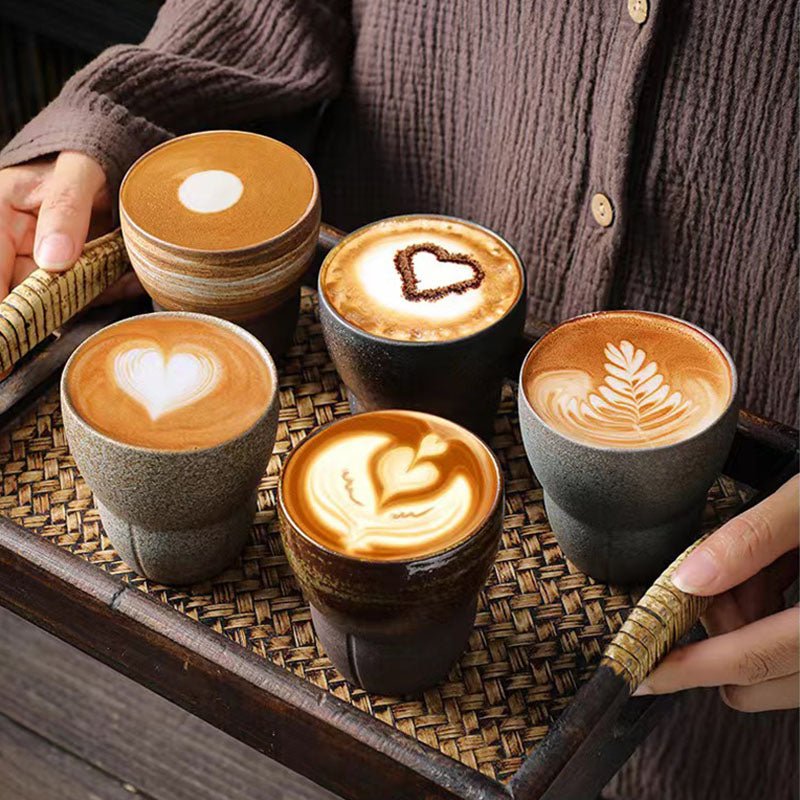
Retro Coffee Mugs: What to Check Before You Buy
Reading time: about 10 minutes
Retro coffee mugs look easy to choose until you hold one that is too heavy for a quick desk coffee, too small for a proper pour, or too glossy to grip safely when it is hot. We see that every day in our store: shoppers want the vintage look, but they also want a mug that feels right at the sink, at the office, and after a few dishwasher cycles.
If you are comparing retro coffee mugs for daily use, start with the actual shape and feel, not the color. A mug can look right in a photo and still disappoint on a breakfast table.
For a closer look at a simple option in this style, we recommend starting with our retro coffee tea cup. If you want to compare it against other drinkware in the same store, browse the full collection and see what fits your shelf space and routine.
What makes retro coffee mugs different from plain everyday mugs?
Retro coffee mugs are usually about proportion and finish as much as decoration. Compared with a standard straight-sided mug, they often use softer curves, a thicker rim, a more rounded body, or a color palette that leans toward cream, brown, green, mustard, red, or muted blue. That style can make a mug feel warmer and more personal, but it also changes how it sits in the hand and how much coffee it comfortably holds.
In our experience, shoppers usually fall in love with the look first. The better purchase is the mug that still works when it is full, hot, and being carried from the kitchen to a desk.
One practical difference is the wall thickness. A thicker ceramic or stoneware mug usually keeps heat in a little longer and feels sturdier, but it can also weigh more. A lighter mug is easier for all-day office use, but it may not have the same substantial feel people want from a retro piece.
If you are comparing styles, our earlier guides on how to choose the right style, size, and material and style, size, and material buying guide cover the basics in more detail.
How do you choose the right size without guessing?
Size is where many buyers get tripped up. A retro mug can be visually compact while still holding a normal pour, or it can look generous and still be too small for a long morning coffee. We usually tell shoppers to think about what they actually drink, not what the product photo suggests.
Here is the simple way we help customers choose:
- For espresso-based drinks, a smaller retro cup often feels more appropriate than a large oversized mug.
- For drip coffee, a mid-size mug is usually the most flexible choice for daily use.
- For tea or a longer sit-down drink, a slightly larger mug can be better, as long as the handle still feels comfortable.
- For office desks, choose a size you can lift confidently with one hand, even when full.
- For gifting, a versatile middle size is usually safer than a very niche shape.
If you want more help comparing capacity, our posts on 10 oz coffee mugs and 12 ounce coffee mugs are useful cross-checks. Those size ranges tend to be the sweet spot for many retro designs.
We also like to point shoppers toward the 14 ounce coffee mugs size guide if they want something with more room but still want to keep the retro look. Bigger is not automatically better, though. A large mug can feel clumsy if you mostly drink short coffees or if the handle opening is tight.
| What you want | What usually works best | Trade-off |
|---|---|---|
| Quick morning coffee | Smaller to mid-size retro mug | Less room for milk or foam |
| Long desk sessions | Mid-size mug with a comfortable handle | More weight when full |
| Tea or cocoa | Larger mug with a wide opening | Takes longer to finish while hot |
Which material and finish hold up best in real use?
Most retro coffee mugs are ceramic or stoneware, and that is usually the right place to start. Ceramic tends to feel smoother and a little more refined, while stoneware often has a heavier, denser feel that suits vintage styling well. Both can be good choices for daily use if the glaze is even and the base is finished cleanly.
There are a few details we check before we recommend a mug:
- Glaze consistency: Uneven glaze can lead to rough patches, dull spots, or visible pinholes. That is not always a functional issue, but it matters if you want a cleaner finish.
- Rim comfort: A thin, sharp rim can make the mug feel less pleasant even if it looks attractive. A smoother rim usually drinks better.
- Handle clearance: If the handle opening is too small, a mug becomes awkward once it is hot and full.
- Base finish: A rough unglazed base can scratch delicate counters or leave marks if it is dragged across a desk.
These are the kinds of things that separate a display piece from a mug you actually reach for. A retro look is not enough if the finish feels fragile or the handle does not give enough room for two or three fingers.
One trade-off to keep in mind: highly decorative mugs can be less forgiving in daily cleanup. Raised texture, printed decals, or metallic accents may look great on a shelf but can limit dishwasher use or make hand washing the safer choice. If you want the lowest-maintenance option, choose a simpler glaze and a straightforward shape.
What should you look for in comfort and daily handling?
Comfort is the part people only notice after the mug arrives. A retro coffee mug can be perfectly sized and still feel wrong if the handle is too narrow, the body is too wide, or the balance tips forward when it is full.
When we handle mugs in our store, we pay attention to three things that shoppers often miss:
- Finger clearance: Your fingers should slide through the handle without scraping the mug body.
- Weight distribution: A mug should feel stable on a table and not overly top-heavy when lifted.
- Mouth feel: The rim should feel smooth enough for repeated daily use, especially if you drink black coffee or tea without a lid.
Retro shapes can be excellent for this because they often have a more relaxed, rounded profile than ultra-minimal mugs. Still, some retro designs use a thick body that adds weight. That is fine if you want a solid feel, but it is not ideal for someone who drinks multiple cups a day and prefers a lighter hand.
We also think about real scenarios. A mug that is pleasant on a kitchen counter may be annoying on a crowded office desk where the handle catches on a laptop edge or the base takes up too much space next to a mouse. If that sounds familiar, choose a compact shape over a dramatic one.
How do you care for retro coffee mugs so they last?
Care depends on the finish, but the safest routine is simple. Wash the mug after use, avoid sudden temperature changes, and do not treat decorative surfaces like they are indestructible. That sounds basic, but it matters more with vintage-inspired pieces that may use textured glazes or printed details.
Here is the practical routine we suggest:
- After coffee or tea, rinse soon so stains do not set into the glaze.
- For daily washing, use a soft sponge rather than an abrasive pad if you want to keep the finish looking even.
- For stubborn stains, let the mug soak instead of scrubbing aggressively.
- Before dishwasher use, check the listing and treat decorative elements carefully if there are metallic accents or delicate prints.
- For storage, do not stack heavy mugs directly against each other if the glaze has a textured surface.
Retro coffee mugs are usually not the best choice for someone who wants a bare-minimum, throw-anything-in-the-dishwasher piece with zero concern for finish wear. They can still be durable, but the more decorative the mug is, the more sense it makes to care for it a little more deliberately.
Are retro coffee mugs good gifts, and what makes them miss the mark?
They can be strong gifts because they feel personal without being overly specific. A retro mug reads as thoughtful, especially when the color and shape fit someone’s kitchen or desk style. That said, giftability depends on choosing a versatile size and a comfortable handle, not just a pretty pattern.
Retro coffee mugs miss the mark when they are too narrow, too heavy, or too decorative for everyday use. If the person you are buying for drinks large pour-over coffees, a tiny vintage-style cup will disappoint. If they mostly use a mug at work, a bulky ceramic piece can be annoying to carry from the break room to a desk.
For buyers comparing styles, a good approach is to think about the recipient’s routine:
- Home coffee drinker: a more stylized retro mug can be a good fit.
- Office user: choose comfort and balance over decoration.
- Tea drinker: prioritize opening width and rim feel.
- Collector: the finish and color story may matter more than capacity.
If you want more help deciding between mug styles, the product-level details on our retro coffee tea cup and the broader collection are the best place to compare what is actually available right now.
Frequently asked questions
Are retro coffee mugs good for everyday use?
Yes, if you choose one with a comfortable handle, a smooth rim, and a finish that suits regular washing. The look is only part of the decision. For daily use, the mug should balance well when full and feel easy to grip from the first sip to the last.
What size retro coffee mug should I buy for daily coffee?
Most shoppers are happiest with a mid-size mug for daily coffee because it leaves room for milk, creamer, or foam without feeling oversized. If you drink smaller servings, a compact mug can be a better fit. If you usually refill once, a larger option may make more sense.
Do retro coffee mugs need special care?
Usually not special care, but they do benefit from a little attention. Avoid harsh scrubbing on decorative finishes, and check whether the mug is meant for dishwasher use if it has accents or textured details. If you want the easiest upkeep, choose a simple glazed ceramic or stoneware mug.
Are retro coffee mugs better for coffee or tea?
They work well for both. Coffee drinkers often prefer a mug with a comfortable handle and moderate size, while tea drinkers may want a slightly wider opening for a better aroma and easier cooling. The right choice depends more on shape than on the drink itself.
What is the biggest downside of retro coffee mugs?
The main trade-off is that decorative styling can reduce practicality if the shape is too heavy, too small, or too delicate for everyday handling. Some retro mugs are better as display pieces than daily drivers. If you want maximum convenience, a simpler mug style may be the better buy.
What should you compare before you buy?
Before you pick a retro mug, compare four things side by side: size, handle comfort, finish, and care requirements. Those are the details that decide whether a mug becomes a daily favorite or stays in the cupboard.
If you want the shortest possible checklist, use this one:
- Does the size match your usual drink?
- Does the handle fit your fingers comfortably?
- Is the glaze or printed finish easy to maintain?
- Will the mug work in your kitchen, office, or gift setting?
- Does the style feel good enough to use often, not just display?
From there, compare the product page for the retro coffee tea cup against the rest of our collection, and use the size guides above if you are torn between two capacities. That is the fastest way to choose a mug that looks right and actually gets used.
Read more
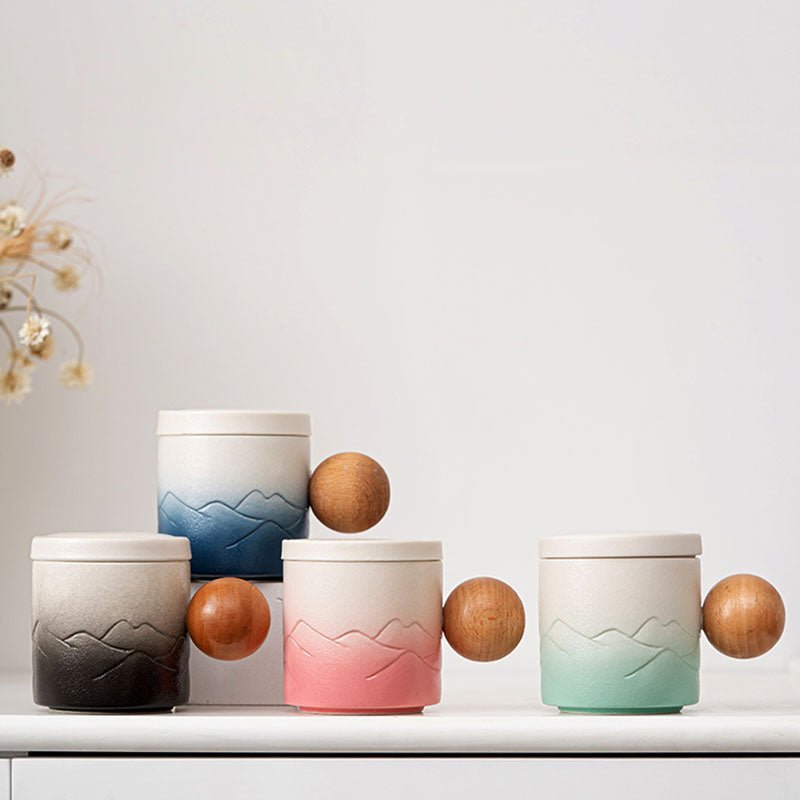
Purple Coffee Mugs: How to Choose the Right One for Daily Use
Purple coffee mugs can look bold, calm, or understated depending on the glaze and shape. This guide compares real buying trade-offs so you can choose a mug that fits your desk, kitchen, and daily p...
Read more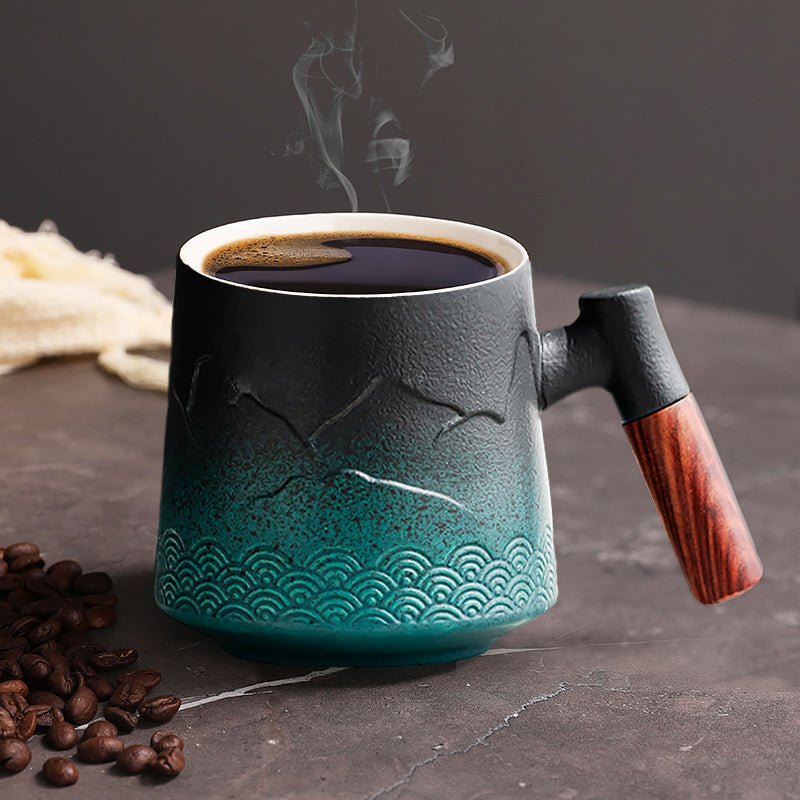
Stainless Coffee Mug with Handle: What to Check Before You Buy
A stainless coffee mug with handle is a practical pick for desks, kitchens, and gift sets, but the right one depends on grip, finish, and cleaning routine. We break down the trade-offs we see most ...
Read more
Los kommentaar
This site is protected by hCaptcha and the hCaptcha Privacy Policy and Terms of Service apply.