
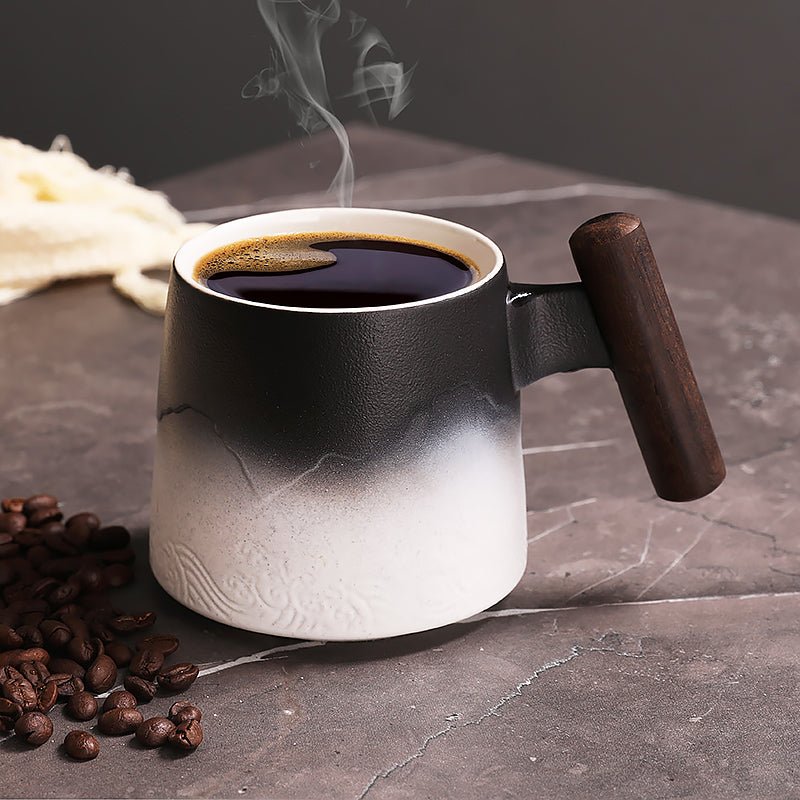
Printing on Coffee Mugs: How to Choose the Right Mug
Reading time: about 8 minutes
We see the same problem over and over: a mug looks great on a screen, then the print wraps awkwardly around the handle, fades on a glossy curve, or feels too small once it is in hand. Printing on coffee mugs only works well if the mug itself is chosen with the artwork, the print method, and the daily use case in mind.
At our store, we look at mugs the way a customer will actually use them: on a kitchen counter before work, at an office desk under overhead light, or after an unboxing where the first impression has to hold up. That means shape, glaze, wall thickness, and care instructions matter as much as the design file.
If you want to browse styles that are easier to gift or personalize, start with our Pleated Coffee Tea Cup, Golden Waves Kio Coffee Tea Mug, or The Flow Coffee Tea Mug. For a wider look at what we carry, our full collection makes it easier to compare shapes side by side.
What makes a mug good for printing?
The best mug for printing gives the artwork a flat, readable surface and a finish that does not fight the ink or decal. Straight or gently curved walls usually print more cleanly than heavily tapered bodies, because the design does not distort as it wraps around the mug.
In practice, we pay attention to four things before we recommend a mug for print work:
- Surface finish: glossy ceramic usually gives sharper color and stronger contrast than a very textured or matte surface.
- Wall shape: a consistent sidewall is easier for wrap designs, logos, and names.
- Handle clearance: there should be enough blank area near the handle so the print does not feel cramped.
- Rim and base details: a pronounced foot ring or an uneven rim can interrupt a full-wrap layout.
That is why a mug that looks decorative can still be a poor print candidate, while a simpler body often gives the cleanest result.
Which print method should you choose for coffee mugs?
The right method depends on the look you want and how the mug will be used. We do not treat every mug the same, because the surface and finish decide a lot of the outcome.
| Method | Best for | Trade-off |
|---|---|---|
| Sublimation | Bright, full-color designs on coated ceramic mugs | Needs the right coating and usually performs best on light-colored surfaces |
| Screen printing | Simple logos, text, and repeat orders | Works best with fewer colors and a clean, consistent mug surface |
| Decal or transfer printing | Detailed graphics and specialty finishes | Can be less forgiving on curved or textured surfaces |
If your design has a lot of gradient color or photo detail, a smooth glossy mug is usually the safer choice. If you are printing a simple name, monogram, or one-color mark, the mug shape matters more than the artwork complexity.
One caution: not every mug finish is equally forgiving. Metallic accents, textured glazes, or deep ribbing can create beautiful retail pieces, but they are not always the easiest surface for a clean printed image. That is the trade-off we try to surface before someone buys.
Which mug shapes work best for logos, names, and full-wrap art?
Different artwork calls for different mug bodies. A logo that sits neatly on the front can look lost on a large curved mug, while a full-wrap design can break apart on a mug with a strong waist or heavy pleating.
For the kinds of customers we serve, the usual fit is:
- Front logo or short name: works well on mugs with a visible front panel or a gentle curve.
- Full-wrap graphics: need a smoother sidewall and enough uninterrupted space between the handle and the opposite side.
- Gift text or quotes: can work on more decorative mugs if the text is kept short and centered.
That is why a shape like the The Flow Coffee Tea Mug can be a practical choice for a cleaner visual line, while a more sculpted piece such as the Pleated Coffee Tea Cup is better when the design is meant to feel distinctive rather than purely utilitarian.
Decorative forms are not the best option if your priority is maximum print area. If the artwork has to read from across a desk, a simpler silhouette usually wins.
Does mug size change how the print looks?
Yes, and the difference is bigger than many shoppers expect. A design that feels balanced on a smaller mug can look sparse on a larger body, especially if there is a lot of negative space around the artwork.
If you are still deciding on size as part of the print choice, our size guides can help you match the mug to the drinker: 10 oz coffee mug guide, 12 ounce coffee mug guide, and 16 ounce coffee mug guide.
From a printing standpoint, here is the practical rule we use:
- Smaller mugs are better for short text, initials, and compact logos.
- Mid-size mugs usually give the best balance for daily-use gifts and branded designs.
- Larger mugs give more visual room, but the artwork has to hold up from a distance or it can feel underfilled.
Size also affects hand feel. A mug that is perfect for a large print may be too bulky for someone who drinks espresso-length pours or prefers a lighter cup on a desk.
What finish helps printed designs last longer?
For durability, a smooth glazed ceramic surface is usually the safest bet. It is easier to keep clean, easier to print on, and less likely to make the image look uneven after repeated use.
We also think about how the mug will be washed. A mug that will live in a dishwasher needs a more durable print process and a finish that does not make cleaning awkward. If the artwork has fine lines, very pale text, or a lot of white space, hand washing is usually the safer long-term care routine unless the print method is clearly designed for machine washing.
The main failure modes we see are predictable:
- Edge wear: prints placed too close to the lip or base can wear faster.
- Color shift: matte or textured surfaces can dull bright artwork.
- Layout distortion: a wrapped design can look stretched if the mug has an aggressive taper.
Those are avoidable problems if the mug is chosen for the print first, not for the photo.
Which coffee mugs are easier to personalize as gifts?
Gift mugs need a slightly different standard. A customer opening the box wants the design to read instantly, but they also want the mug to feel pleasant in the hand and usable on an ordinary morning.
That is why we like mugs that combine a clean body with a little visual interest. The Golden Waves Kio Coffee Tea Mug is a strong example of a mug that can feel special without making the print area impossible to work with. It has enough personality to stand on its own, but not so much that the design disappears into the shape.
If you are building a gift set, keep the print simple. A name, short message, or small icon usually performs better than a busy composition. We see better results when the mug feels intentional rather than overloaded.
For gifting, the right mug is not the flashiest one. It is the one that looks clean on first reveal, feels good in the hand, and still makes sense after a week of use at a kitchen counter or office desk.
What should you check before ordering a printed mug?
Before you place an order, we recommend checking the mug against the actual print job instead of assuming any ceramic cup will work. A few minutes here can save a lot of disappointment later.
- Confirm the artwork placement: front-only, left/right hand, or full wrap.
- Check the mug profile: straight, tapered, ribbed, or sculpted.
- Look at the finish: glossy for cleaner color, textured or matte only if that look is part of the design.
- Match the use case: daily office use, gift presentation, or a special-display mug.
- Review care expectations: if the mug will see frequent dishwasher cycles, choose accordingly.
If you are unsure where to start, our full collection is the fastest way to compare practical print-friendly options without guessing from one product page alone. For shoppers still deciding on daily-use size, our 12 oz buying checklist is a helpful companion read.
Frequently asked questions
What type of mug is best for printing on coffee mugs?
A smooth ceramic mug with a consistent sidewall is usually the easiest to print on. Glossy surfaces tend to produce cleaner color and sharper edges than heavily textured or highly irregular finishes. If you want a full-wrap design, avoid mugs with aggressive tapering or deep decorative ribs.
Can printed coffee mugs go in the dishwasher?
Some can, but it depends on the print method and the surface finish. For the longest life, we still recommend checking the care guidance for the specific mug and using hand washing when the artwork is delicate, pale, or placed close to the rim. Repeated dishwasher cycles are one of the most common reasons a print loses clarity over time.
Are decorative mugs harder to print on?
Often, yes. Decorative shapes can look better as shelf pieces or gifts, but they sometimes reduce the usable print area and make placement less predictable. If the artwork has to read clearly from across a room, a simpler mug shape is usually the better choice.
What is the safest mug size for a logo or name?
Mid-size mugs are usually the easiest starting point because they give enough room for a readable logo without making it feel lost. Smaller mugs work well for short names or initials, while larger mugs are better if the design needs more visual breathing room. The right choice depends on how much artwork you want to show.
Which mugs from your store are the easiest starting points for customization?
We usually point shoppers toward mugs with clean lines and straightforward profiles first. The The Flow Coffee Tea Mug is a good option if you want a simpler canvas, while the Pleated Coffee Tea Cup or Golden Waves Kio Coffee Tea Mug makes more sense if the gift needs a stronger visual presence.
If you are comparing options now, start with the mug shape that fits your artwork, then check the finish and care expectations before you buy. For the cleanest shortlist, browse our full collection and compare it against the size guides for 10 oz and 16 oz mugs so the print and the drink size make sense together.
Read more
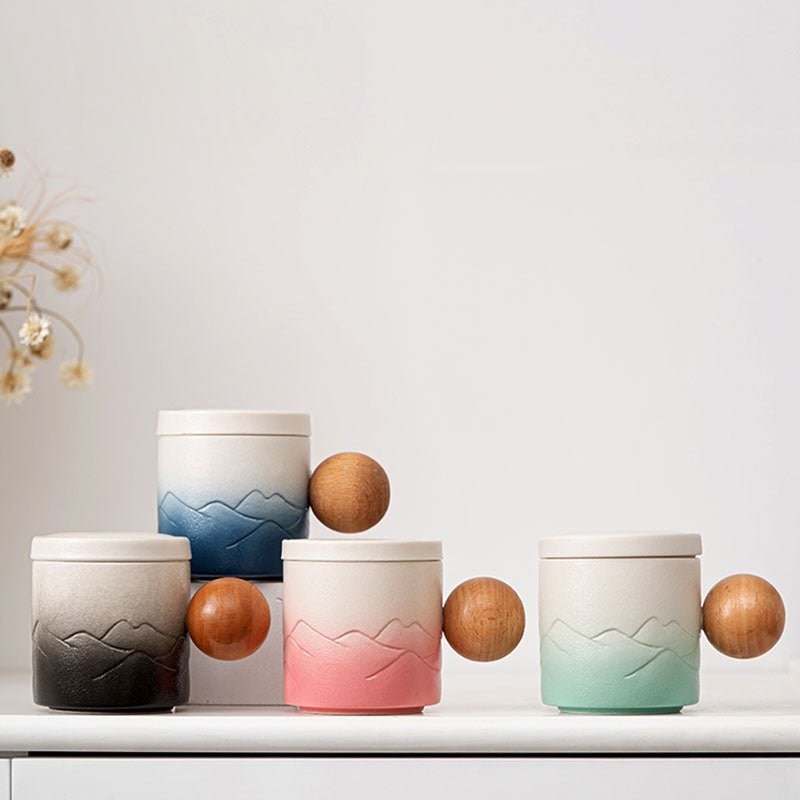
Fall Coffee Mug Buying Guide: Size, Style, and Gift Picks
A practical guide to choosing a fall coffee mug that feels right on a kitchen counter, office desk, or as a gift. We cover size, comfort, care, and a few mug styles that hold up well for daily use.
Read more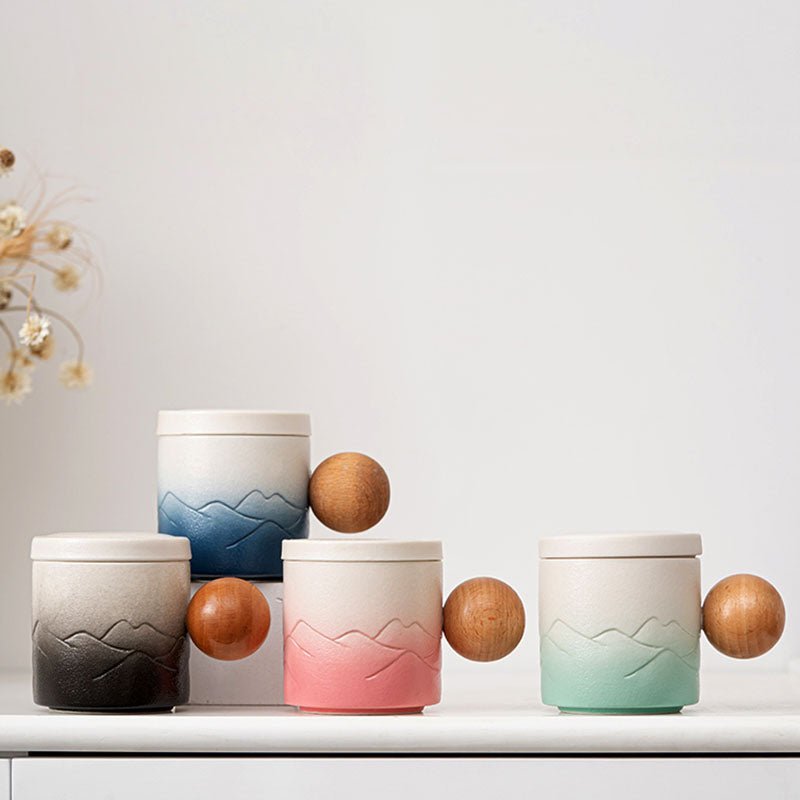
Coffee Mugs with Photos: How to Choose a Gift or Daily Mug
Coffee mugs with photos work best when the image quality, mug shape, and print placement all match the real use case. Here is how we help shoppers compare photo mugs for gifts, desks, and everyday ...
Read more
Los kommentaar
This site is protected by hCaptcha and the hCaptcha Privacy Policy and Terms of Service apply.