
Pour Over Coffee Mug Buying Guide: Fit, Pour Control, and Best Uses
Reading time: about 10 minutes
A pour dripper can be perfect on paper and still feel awkward in hand if the mug under it is the wrong shape. We see that a lot in our store: shoppers want a pour over coffee mug that catches the brew cleanly, pours without dribbling, and still feels right for everyday use at a desk, breakfast table, or gift set.
The tricky part is that this category is not just about looks. The best pick depends on rim shape, wall thickness, room in the cup, handle comfort, and how you actually drink your coffee. A mug that works for a slow weekend pour may not be the best choice for a quick office refill or a large hand-warming cup after breakfast.
We handle a lot of mugs and hear the same questions every week: Will the dripper sit securely? Is the opening wide enough for a clean pour? Is the mug too small once the bloom settles? This guide breaks down what to check before you buy, plus where our own options fit in.
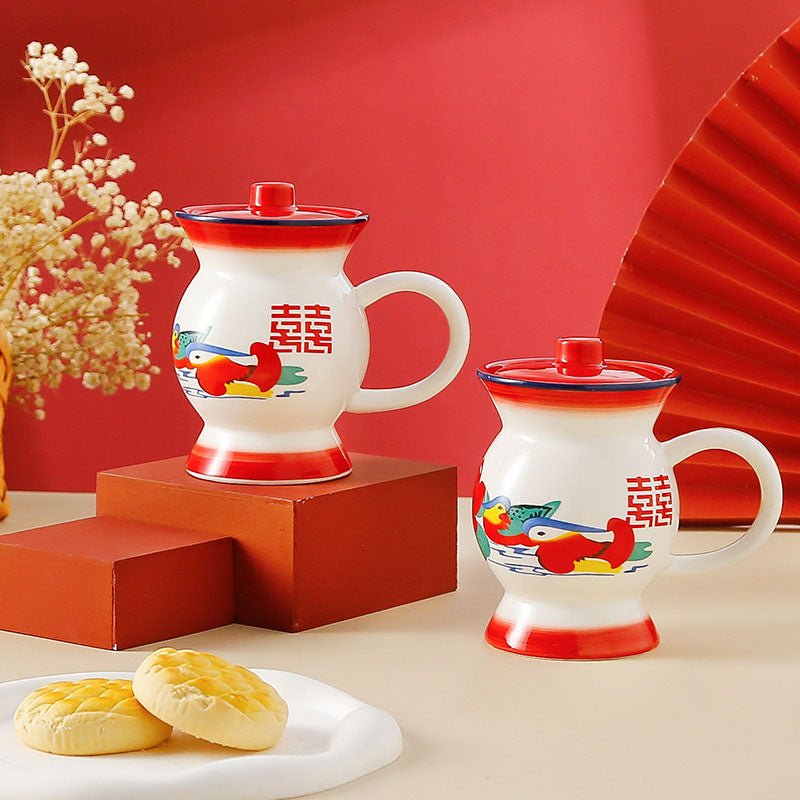
If you want to browse the full range first, start with our collection of coffee mugs. If you already know you want a mug designed for both coffee and tea use, the product pages for The Flow Coffee Tea Mug, Mountain Sea Coffee Tea Mug, and Spittoon Coffee Tea Mug are the quickest place to compare fits and styling.
What makes a pour over coffee mug different from a regular mug?
A good pour over coffee mug has to do two jobs well. First, it should receive coffee without splashing or awkward angle changes. Second, it should still work as an everyday mug after the brew is done. That sounds simple, but a lot of mugs are built for general drinking rather than the controlled pour a hand brew setup needs.
In practice, we look for a few features:
- A stable opening that gives the stream room to land without bouncing back.
- A comfortable handle that stays usable even when the mug is filled near the top.
- Moderate wall thickness so the cup feels balanced without feeling bulky.
- A finish that cleans easily after coffee oils or tea stains.
A pour over setup also creates a different use pattern than an all-purpose mug. You brew, sip, refill, and wash. That means the mug should feel good on a countertop, handle regular cleaning, and not be so narrow that a dripper fits only by chance.
For readers comparing cup sizes, our coffee mug size guide can help if you are deciding how much brewed coffee you actually want in the cup.
Which mug features matter most for pour over brewing?
We tell shoppers to focus on the parts that affect the brew first, then the look. A mug can photograph well and still be annoying to use if the handle pinches your fingers or the rim feels too sharp.
| Feature | What to check | Why it matters |
|---|---|---|
| Opening width | Enough room for a steady pour from your dripper or kettle | Helps prevent splashing and uneven landing |
| Room in the cup | Fits your normal brew with a little headroom | Avoids spills and gives the pour a little space to settle |
| Rim shape | Comfortable lip, not overly thick or sharp | Makes sipping more pleasant for daily use |
| Handle size | Easy grip for your hand size, even when warm | Reduces awkward handling during breakfast or desk work |
| Material finish | Glazed surface that wipes clean without residue | Better for coffee oils, tea stains, and repeated washing |
Material feel matters too. In most home coffee mugs, shoppers usually notice how substantial or light the mug feels in hand and how easy the surface is to rinse after use. Some mugs feel more grounded and weighty, while others feel lighter and a little more delicate. None of these is automatically best. A heavier mug can feel comforting at home, while a lighter one may suit a desk or office better.
One trade-off we always mention: thicker walls can feel more substantial, but they can also make the mug feel bulky. If you prefer a delicate cup, you may like a lighter profile better.
Which of our mugs works best for pour over coffee?
In our store, the right pick depends on how you drink. We do not push one shape for everyone because a mug that works for one person can feel wrong for another. That said, our current lineup gives shoppers three distinct directions.
- The Flow Coffee Tea Mug is the cleanest fit if you want a straightforward everyday mug with a balanced feel for coffee or tea.
- Mountain Sea Coffee Tea Mug suits shoppers who want a more visual, giftable piece that still needs to function on a real kitchen counter.
- Spittoon Coffee Tea Mug is worth a look if you want a more distinctive mug shape and do not mind choosing style with a little personality.
Our experience is that buyers usually split into two groups. One group wants a mug that disappears into the routine: easy to hold, easy to wash, no drama. The other group wants a piece that feels special when they unbox it, gift it, or set it beside a brewer. All three of the mugs above can work for pour over coffee, but the best one is the one that matches your daily use.
If you are still comparing sizes, our coffee mug size guide explains why a little extra headroom can matter if you often brew a fuller cup or like milk added after the pour.
What should you avoid if you want clean pours and fewer spills?
Some mugs look good in product photos but cause small annoyances every day. Those annoyances become obvious the first time you pour at a kitchen counter with one hand while the other holds a dripper or kettle.
- Very narrow openings can make the pour feel cramped.
- Overly thick rims can feel clunky on the lips, especially for slow sipping.
- Handles that sit too close to the body may be hard to grip when the mug is full.
- Highly textured glazes inside the cup can show coffee buildup more easily.
- Unusually tall mugs may be less stable under a dripper and more prone to tipping on a crowded counter.
We also suggest being honest about what a pour over coffee mug is not good for. It is not the right choice if you want a mug built to move around all day. And if you prefer to brew directly into a server and decant later, a dedicated carafe may be more useful than a special mug.
We see the best results when the mug matches the routine, not just the aesthetic. If you brew at home, sip slowly, and clean the mug regularly after use, a well-shaped ceramic mug usually makes life easier than a novelty cup with a beautiful but awkward profile.
How do you match the mug to your brewing style?
Start with how you actually brew. That sounds obvious, but it keeps people from overbuying the wrong shape.
- Single morning cup: Choose a mug that feels comfortable in one hand and does not overfill easily.
- Desk coffee: Look for a stable base and a shape that sits neatly beside a laptop or notebook.
- Gift purchase: Go for a mug with a more distinctive visual identity and presentation value.
- Tea-and-coffee use: Pick a cup with a versatile interior glaze and a handle that stays comfortable with both drinks.
For example, if your brewing routine is a quick pour before work, you probably care more about easy grip and cleaning than about a dramatic shape. If you are buying for a housewarming gift, the unboxing moment matters more, and a visually distinctive mug can feel more thoughtful even if it is not the most minimal design.
We also suggest looking at the mug next to your existing brewer, kettle, and shelf space. A mug that looks perfect online can feel too short, too wide, or too heavy once it is on a real counter under real lighting.
How should you care for a pour over coffee mug?
Care is where long-term value shows up. A mug that starts clean but gets stained or chipped too quickly stops feeling like a good buy. Most ceramic coffee mugs are straightforward to maintain, but the way you wash them still matters.
- Rinse after coffee if you are not washing right away; dried oils are harder to remove later.
- Use a soft sponge for the glaze and avoid harsh scrubbers on decorative surfaces.
- During washing, place the mug securely so it cannot knock against other dishes.
- Let the mug cool before rinsing it with very cold water if it has been filled with boiling brew.
Common defect modes we watch for in this category include hairline glaze marks, rough spots on the rim, and weak handle joins. Those are not issues with every mug, but they are the kinds of details that separate a decent piece from one you will enjoy using every day. A quick inspection after unboxing can save you frustration later.
If you are shopping for a slightly smaller everyday cup, our coffee mug size guide breaks down why compact mugs can feel better for lighter brews and smaller hands.
How do you compare options before you buy?
Here is the simplest way to choose without second-guessing yourself.
- Decide whether the mug is for daily use, gifting, or both.
- Check whether you want a compact cup or more headroom for a larger pour.
- Think about the hand feel you prefer: light, sturdy, or noticeably substantial.
- Compare rim comfort, handle space, and cleaning ease before focusing on style.
- Choose the mug that fits your routine, not just the one with the most striking photo.
If you are still unsure, start by browsing all coffee mugs in our collection and compare the shapes side by side. That usually makes the choice clearer than staring at one product page at a time.
Frequently asked questions
What size mug is best for pour over coffee?
For most home brewers, a balanced everyday mug with a little room at the top is a practical starting point. It gives enough space for a typical pour without making the cup feel oversized. If you add milk or brew slightly larger servings, choose a mug with a bit more headroom.
Can I use a ceramic mug for pour over every day?
Yes. Ceramic is one of the most practical materials for daily pour over use because it is easy to clean and feels stable on the counter. The main trade-off is that it is better suited to home or desk use than all-day carry.
Does the mug shape affect the taste of pour over coffee?
The mug shape does not change the brew chemistry, but it does change the drinking experience. Rim shape and how comfortable the mug feels in hand both affect how you perceive the cup. A better fit usually means you enjoy the coffee more.
Should I buy a mug with a handle or without one?
For pour over coffee, a handle is usually the safer everyday choice because the mug can be hot right after brewing. Handleless cups can look elegant, but they are less forgiving if you like to sip immediately after pouring. If you often drink slowly, the handle helps.
What is the best next step if I want to buy one now?
Compare the three mugs we linked above and decide whether you want the simplest everyday shape, the more decorative giftable option, or the more distinctive style. If you want the broadest view first, start with the full collection and narrow from there.
If you want the fastest path, start with the mug that matches your daily routine: The Flow Coffee Tea Mug for an easy everyday pick, Mountain Sea Coffee Tea Mug for a more gift-ready look, or Spittoon Coffee Tea Mug if you want something more distinctive on the table.
Read more
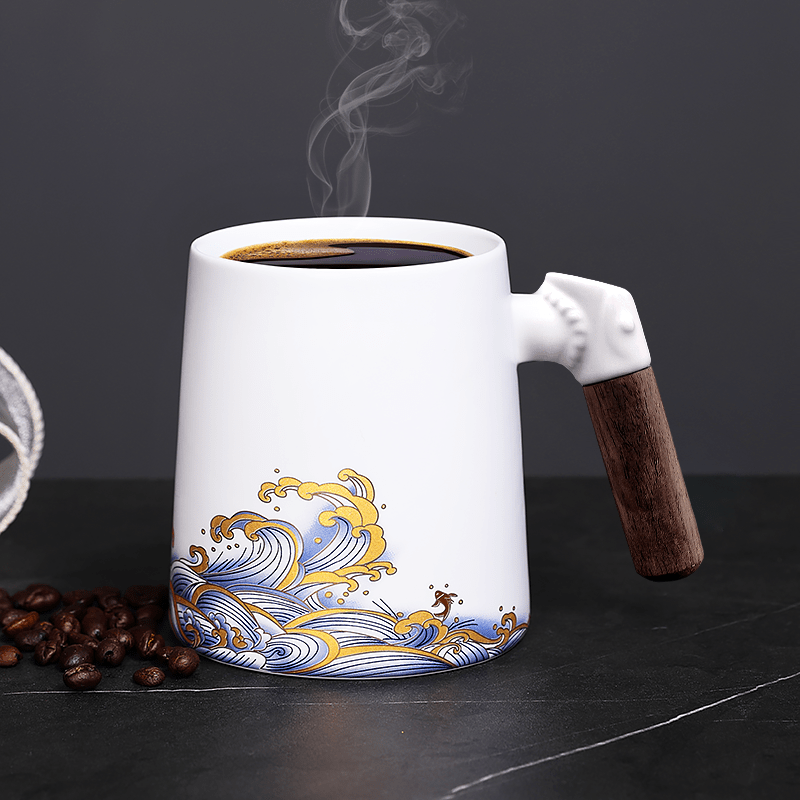
Golden Waves Mug Guide: Kio, White Tall, and Green Waves Compared
Golden waves mugs work best when you care about how a cup looks on a desk, shelf, or gift table as much as how it drinks. Here’s a practical comparison of the three live designs so you can pick the...
Read more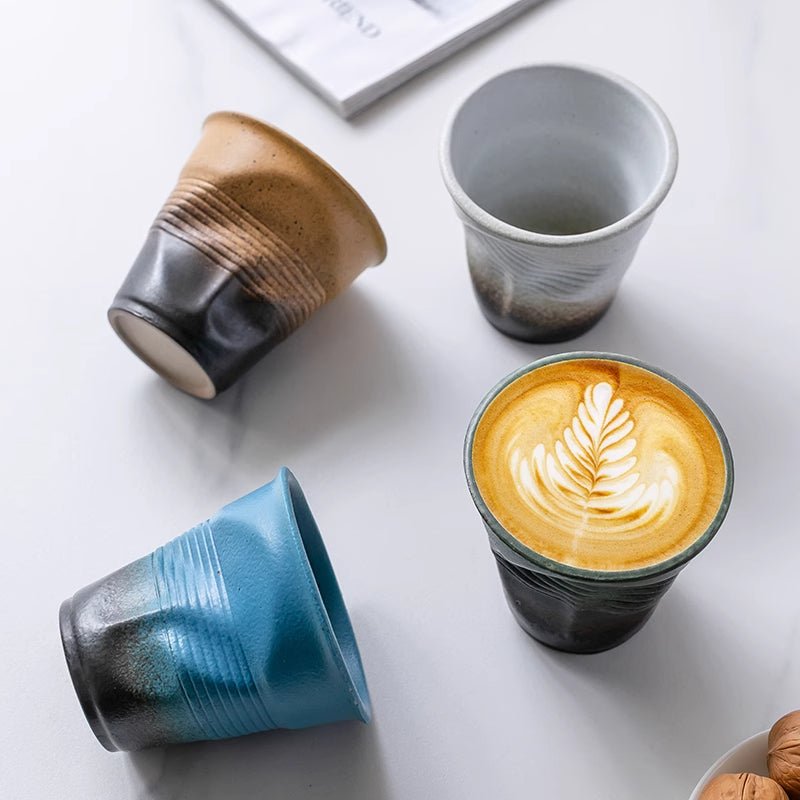
Minimalist Coffee Mug: Clean Shapes for Desk and Shelf
A minimalist coffee mug should do one thing well: sit cleanly on the desk, feel good in hand, and keep visual clutter low. We compare three CoffeifyMug picks that lean into simpler silhouettes and ...
Read more
Los kommentaar
This site is protected by hCaptcha and the hCaptcha Privacy Policy and Terms of Service apply.