
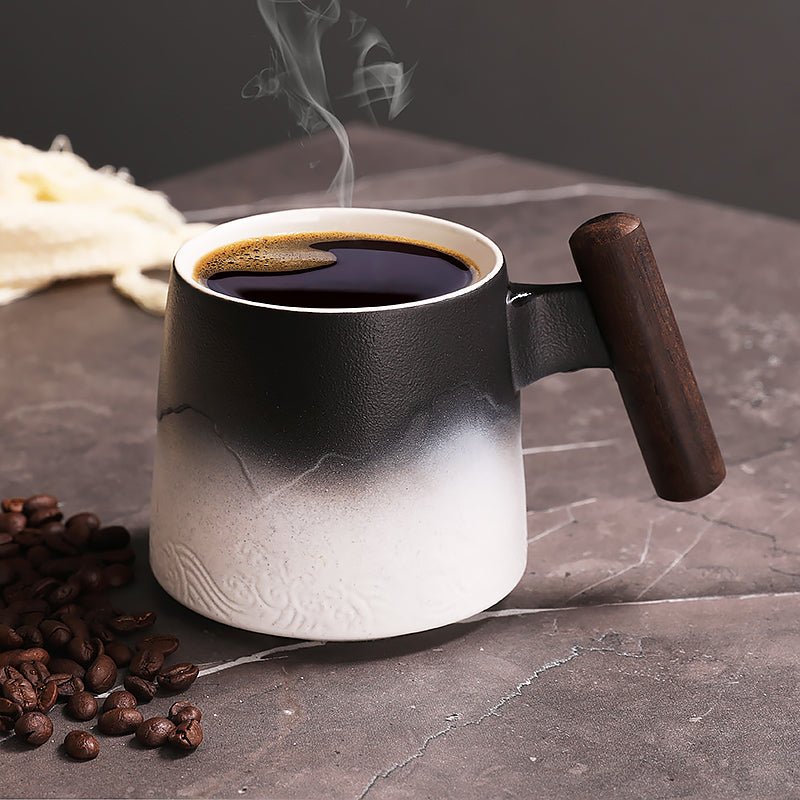
Pottery Coffee Mug Buying Guide: What to Check Before You Buy
Reading time: about 9 minutes
A mug that looks beautiful on a shelf can still feel wrong at 7 a.m. if the handle is too tight, the rim drinks too hot, or the cup is heavier than you want for a desk refill. That is usually where a pottery coffee mug either earns a permanent spot in the kitchen or gets pushed to the back of the cabinet.
At CoffeifyMug, we handle this category for real shoppers who want something that looks handmade and still works on a normal weekday. In our store, we pay close attention to the parts buyers actually feel: wall thickness, lip shape, handle clearance, glaze finish, and how the mug behaves after repeated dishwasher cycles.
If you want to compare current styles first, start with our full collection, then narrow down to specific shapes like The Flow Coffee Tea Mug, Mountain Sea Coffee Tea Mug, or Spittoon Coffee Tea Mug. If you’re comparing Southwest-inspired stoneware specifically, our earlier guides Peet's Brown Southwestern Stoneware Mug: Buyer Checkpoints and Peets Coffee Mug Stoneware Pottery Cup Brown Aztec Southwestern Design are useful reference points.
What should you check first in a pottery coffee mug?
The first thing we check is not the pattern. It is the structure. A pottery coffee mug can look rustic and still fail for daily use if the proportions are off. You want a mug that feels stable on a counter, comfortable in the hand, and easy to drink from without awkward tipping.
Here is the short checklist we use when we evaluate one for the store or for a customer asking for a practical gift:
- Weight: Pottery and stoneware usually feel more substantial than thin porcelain. That can be a benefit on a desk, but it matters if you want something lightweight.
- Handle clearance: Make sure your fingers fit without scraping the cup body. This is one of the most common comfort issues we see.
- Rim shape: A slightly rounded rim tends to drink more smoothly than a sharp one.
- Glaze finish: Glossy glaze wipes clean quickly. Matte or textured finishes can show utensil marks more readily and may need gentler care.
- Base stability: A flatter, well-fired base is less likely to wobble on a work desk, tray, or nightstand.
We also look for normal ceramic trade-offs. Thicker walls hold heat longer, but they add weight. A wide mouth is great for cooling coffee faster, but it is easier to slosh when walking across the kitchen. No mug does everything.
Which pottery mug shape works best for coffee, tea, or both?
Shape changes the drinking experience more than most shoppers expect. In practice, a mug for drip coffee may not be the best mug for tea or for cappuccino-style drinks. That is why we list mixed-use mugs clearly when they can handle both.
The Flow Coffee Tea Mug is a good example of a shape that suits a relaxed desk setup. It reads more modern and easygoing, which matters if you want something you can use all day, not just for a special roast. The silhouette feels less formal than a classic barrel mug, and that can make it more comfortable for everyday refills.
Mountain Sea Coffee Tea Mug has a stronger decorative presence. It makes sense if you want a mug that also works as a display piece or gift item. Buyers often choose this style when they want a little more visual character without moving into novelty territory.
Spittoon Coffee Tea Mug is the most distinctive of the group. If you like a heavier, more grounded pottery feel, this can be the right direction. It is the one we would point to for buyers who want something sturdy-looking and different from the standard round mug shape.
Not every pottery mug is the best pick for every drink. If you mainly want a travel mug for commuting, a pottery cup is the wrong category. If you need a very light mug for wrist comfort, a thick stoneware body may feel too dense. For those cases, you may want a thinner ceramic style instead.
How do glaze, texture, and finish affect daily use?
The finish tells you a lot about long-term satisfaction. We have seen mugs that look beautiful under soft product photography but become irritating in a real kitchen because the glaze feels sticky, the texture catches tea residue, or the surface shows every mark from a spoon.
These are the finish details we watch most closely:
| Finish detail | What it changes | Best for |
|---|---|---|
| Glossy glaze | Easier wiping and often a smoother drink lip | Busy kitchens and office mugs |
| Matte or semi-matte glaze | More visual character, but can show wear sooner | Display-first buyers and gift purchases |
| Textured exterior | More grip and a handmade feel | People who like tactile pottery |
| Smooth interior | Less residue and easier rinsing | Daily coffee or tea use |
One thing we tell shoppers directly: a decorative finish is not the same as a carefree finish. If you routinely leave coffee sitting in the mug for an hour, choose a glaze and interior surface that cleans easily. If you hand wash, you have more flexibility. If you want to load it into the dishwasher after every use, the simplest surfaces tend to be the safest bet for convenience.
What size should you choose for your daily coffee routine?
Size matters because it changes how the mug feels in the hand and how often you refill it. A pottery coffee mug that looks small in photos may still be plenty useful, but the actual capacity should match your routine.
If you usually drink a straightforward drip coffee, a standard everyday mug often makes the most sense. If you prefer tea, hot chocolate, or a longer desk session, a slightly roomier mug can be more comfortable. Our size guides on 10 oz Coffee Mug: Size, Fit, and What to Check Before You Buy, 11 oz Coffee Mug: Size, Fit, and What to Check Before You Buy, and 12 Ounce Coffee Mug Buying Guide for Daily Use and Better Fit cover those fit questions in more detail.
Here is the practical version:
- Choose a smaller mug if you want stronger coffee that cools a bit faster and fits neatly under a compact machine.
- Choose a mid-size mug if you want the most flexible everyday option for coffee and tea.
- Choose a larger mug if you refill less often and do not mind extra weight when it is full.
We do not recommend a heavy pottery mug for someone who needs to carry it from room to room all morning. It can be great on a kitchen counter. It is less ideal for a commute bag, crowded conference room, or anyone who prefers a very light cup.
How durable is a pottery coffee mug in real life?
Durability is where buyers should ask more questions. A pottery coffee mug can be durable for daily use, but it depends on firing quality, glaze integrity, and how the cup is handled. Chips usually show up first on the rim, handle edge, or base if the mug gets knocked against sinks and countertops.
In real homes and offices, the common wear points are predictable:
- Rim chips: Often caused by contact with other dishes in the sink or dishwasher.
- Handle stress: More likely if the handle is narrow and the mug is used when very full.
- Craze lines or surface marks: Can appear over time on certain glazes, especially with repeated heat changes.
- Base scuffs: Common on stone counters, office desks, and ceramic trays.
That is why we always encourage buyers to think about use pattern, not just looks. If the mug is for a home office and mostly sits beside a laptop, a heavier pottery piece is often fine. If it will live in a shared kitchen where it gets stacked, moved, and washed fast, choose a simpler shape and a finish that is easy to clean.
For shoppers who want more context on earthy, patterned stoneware, our two Peet’s-related articles above are helpful because they break down what buyers should check beyond the listing photos. Those checks apply to most pottery mugs, not just one brand.
What is pottery coffee mug care actually like?
Care is straightforward, but it should match the finish. We tell customers to treat pottery like the ceramic product it is, not like a disposable cup that can take abuse. That small difference prevents a lot of disappointment.
Use this simple routine:
- Rinse soon after use if you leave coffee or tea sitting inside for long periods.
- Wash with a soft sponge instead of abrasive pads when the glaze is decorative or textured.
- Dry the rim and base if you store mugs tightly stacked in a cabinet.
- Avoid sudden temperature shocks, such as moving a very hot mug into cold water right away.
- Check the bottom edge occasionally for chips if the mug gets used daily.
For many buyers, the best pottery mug is the one that is easy enough to keep using without special treatment. If you want a mug that you can throw into a bag or toss around the office, you probably want a different category altogether. A ceramic tumbler or insulated travel cup fits that need better.
Which pottery coffee mug style should you buy from our store?
If you want the simplest decision, think about use case first and style second.
Choose The Flow Coffee Tea Mug if you want a clean, easy everyday shape that works for both coffee and tea and feels less decorative than a statement mug.
Choose Mountain Sea Coffee Tea Mug if you want more visual texture and a mug that feels like part of your table setting as much as your morning routine.
Choose Spittoon Coffee Tea Mug if you want a heavier, more distinctive pottery look and do not mind a mug that reads more substantial in the hand.
If you are still comparing, the safest next step is to browse the full CoffeifyMug collection and compare photos against your actual routine: desk use, morning coffee, tea refills, or gift giving. That is usually where the right choice becomes obvious.
Frequently asked questions
Is a pottery coffee mug safe for daily coffee use?
Yes, a pottery coffee mug can be a very good daily mug if the glaze is smooth, the rim feels comfortable, and the body is fired well. We recommend checking whether the mug feels stable in the hand and whether the surface is easy to clean after repeated use.
What is the difference between pottery and stoneware mugs?
Pottery is the broader category, while stoneware is a type of ceramic known for a denser, heavier feel. In day-to-day use, stoneware mugs usually feel more substantial and are often chosen for durability and heat retention.
Can I put a pottery coffee mug in the dishwasher?
Many pottery mugs can handle the dishwasher, but the safest choice depends on the glaze and finish. If the mug has a textured exterior or a decorative surface, hand washing is often gentler and can help preserve the look longer.
What size pottery mug is best for coffee?
For most buyers, a mid-size mug is the easiest all-around choice. It is large enough for a standard coffee pour without feeling bulky, and it usually works well for tea too.
What should I avoid when buying a pottery coffee mug?
Avoid mugs with a handle that feels cramped, a wobbly base, or an overly rough drinking rim. Also avoid choosing only from the photo style; a mug that looks great online may still be uncomfortable if the proportions are off.
If you want the quickest path, compare the handle shape, finish, and expected use on our full collection, then pick the mug that fits your morning routine instead of the mug that only photographs well.
Read more
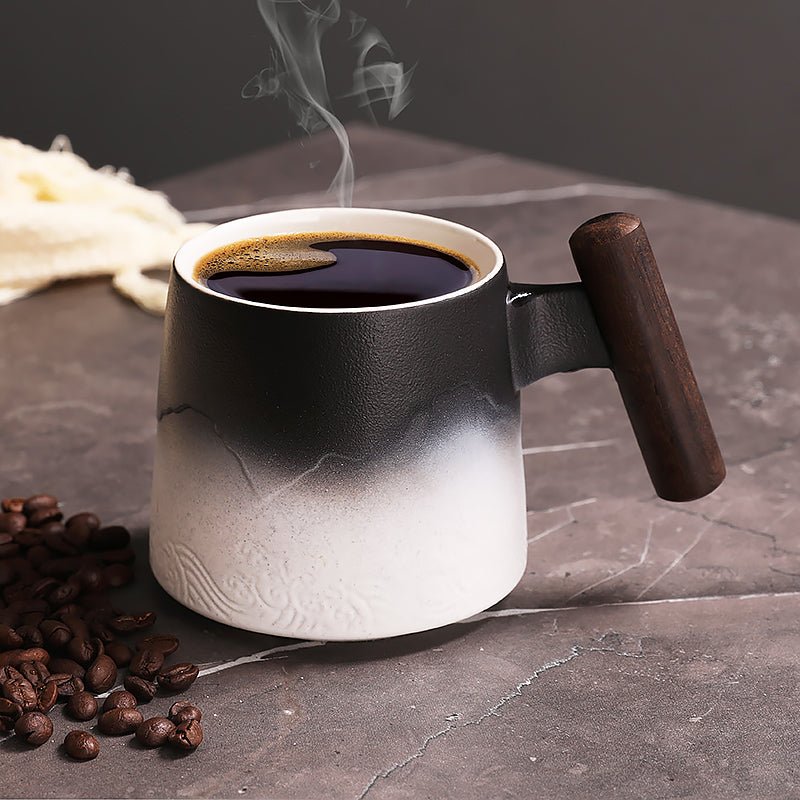
Giant Coffee Mugs: Size, Shape, and What to Check Before Buying
Giant coffee mugs solve the refill problem, but only if the shape, weight, and handle suit your counter and routine. This guide compares real buying trade-offs before you choose.
Read more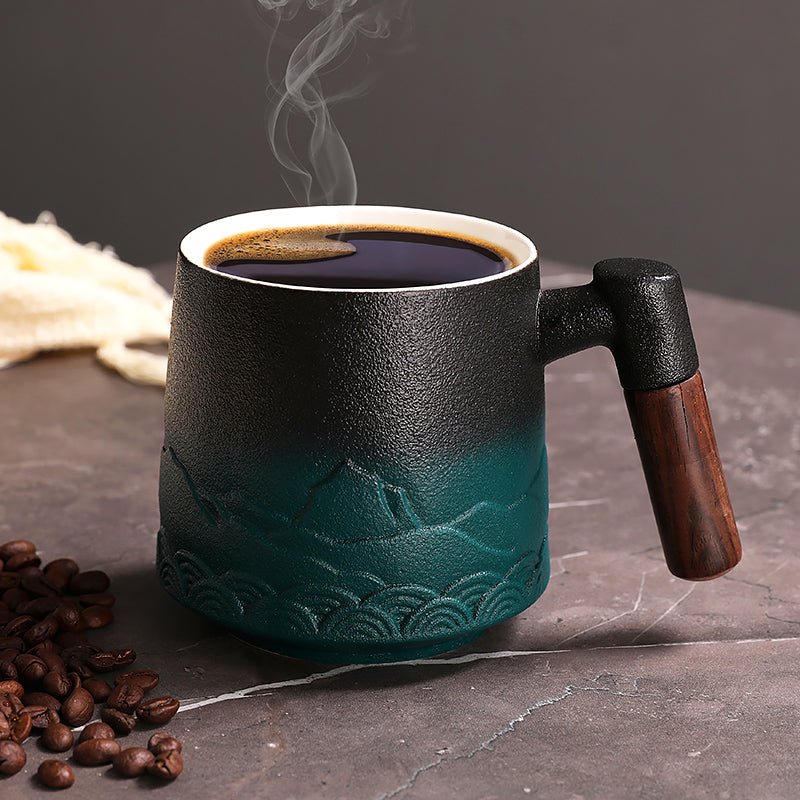
Turkish Coffee Mug Buyer’s Guide: Size, Style, and Best Use Cases
A practical guide to choosing a Turkish coffee mug that fits your routine, your pour size, and your serving style. We cover sizing, materials, handle comfort, care, and when a different mug style i...
Read more
Los kommentaar
This site is protected by hCaptcha and the hCaptcha Privacy Policy and Terms of Service apply.