
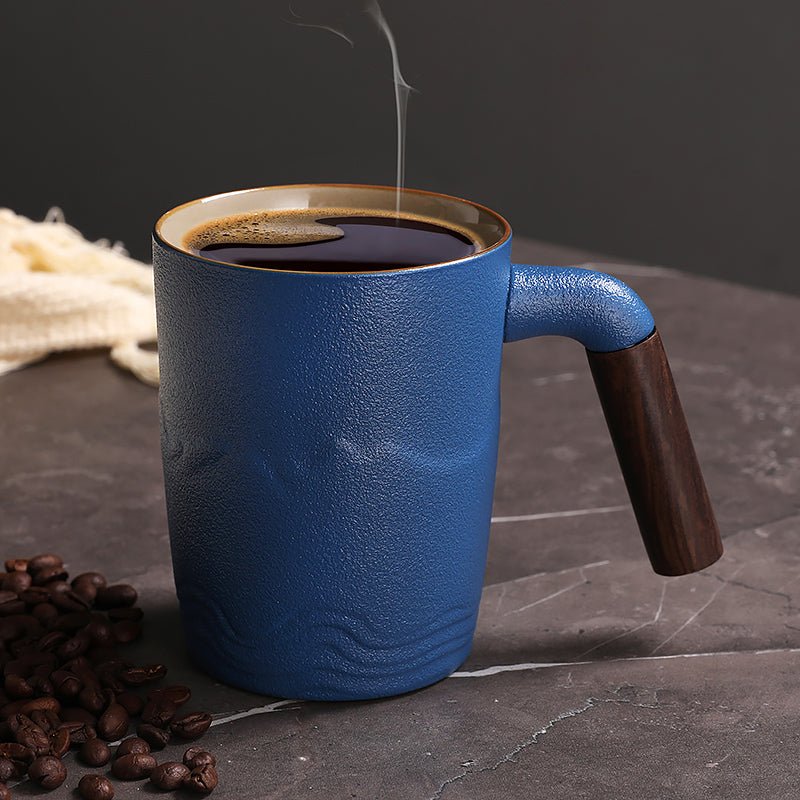
Polish Pottery Coffee Mug: How to Choose the Right One
Reading time: about 9 minutes
What should you notice first when comparing a polish pottery coffee mug?
A polish pottery coffee mug usually gets chosen at the sink, not on a mood board. The first thing we tell shoppers to check is simple: how the mug feels in the hand, how wide the opening is, and whether the glaze finish looks even enough for everyday use. In our store, the mugs that earn repeat buyers are the ones that feel comfortable before the coffee even goes in.
Polish pottery is typically valued for dense stoneware, painted or patterned glazing, and a finish that looks handmade rather than machine-perfect. That handmade character is part of the appeal, but it also means small variations are normal. A slightly different brush line, a subtle glaze pool, or a minor shift in pattern placement is not a flaw in this category. It is part of how these mugs are made and why shoppers often compare several pieces before deciding.
If you want to see how that broader pottery decision plays out across finishes and shapes, our Pottery Coffee Mug Buyer Guide: What to Check Before You Buy covers the same buyer checks from a wider angle.
Which size and shape work best for daily coffee?
Size matters more than most people expect. A mug that looks attractive on a shelf can feel awkward if the handle is cramped, the bowl is too narrow for a foamy drink, or the capacity is too small for a full pour from a home brewer. The most useful way to shop is by routine, not by aesthetics alone.
Here is the practical breakdown we use with customers:
- Small daily coffee: Better for shorter drinks, espresso-based drinks, or people who like a smaller serving that stays hot longer.
- Mid-size everyday mug: Usually the safest choice for drip coffee, tea, or a standard office refill.
- Large mug: Helpful if you like milk-heavy drinks, longer desk sessions, or fewer refills.
Shape changes the experience as much as capacity. A straight-sided mug can feel modern and stack-friendly, while a rounder body often sits more naturally in the palm. A wider mouth helps aroma open up, but it can also cool coffee faster. A narrower mouth can hold heat better, though it may feel less comfortable for people who like to drink quickly.
For shoppers comparing common sizes, our size-specific guides on 10 oz Coffee Mug: Size, Fit, and What to Check Before You Buy and 11 oz Coffee Mug: Size, Fit, and What to Check Before You Buy are useful because many buyers end up choosing between those two ranges.
What makes polish pottery different from standard ceramic mugs?
The big difference is not just the pattern. It is the overall feel of the material and finish. Most polish pottery mugs shoppers want are stoneware-based, which usually means a heavier, denser cup with a solid desk feel. That weight can be a plus if you want a mug that feels stable and substantial, but it is not ideal if you prefer a feather-light cup for frequent carrying between kitchen and office.
Another difference is surface character. A polished glaze can make cleanup easier and help the mug look finished after repeated use, but it can also show water spots or utensil marks depending on color and pattern. Hand-applied decoration brings charm, yet it also means you should expect subtle differences from one piece to another. If you are shopping for a perfectly matched set with identical placement every time, this category is not the best fit.
We also see customers underestimate handle design. A decorative handle can look beautiful, but it needs to be large enough for your fingers and comfortable for your grip. If you take your coffee while typing, or you have larger hands, handle clearance matters more than pattern complexity.
For shoppers who like this style family, the product pages for the Ball Handled Coffee Tea Mug, the Pleated Coffee Tea Cup, and the Golden Waves Kio Coffee Tea Mug show three different ways to balance comfort, shape, and visual detail.
Which features should you check before buying?
Here is the short version: do not buy on pattern alone. A mug can look excellent in photos and still be a poor fit if the rim is too thick, the handle is too tight, or the base feels unstable on a crowded counter. We check the same core details for every mug because those are the things that affect real use.
| Feature | Why it matters | What to look for |
|---|---|---|
| Material | Changes weight, heat retention, and durability | Stoneware is a common match for a polish pottery coffee mug |
| Handle clearance | Affects comfort and spill risk | Enough room for two to three fingers without scraping the mug body |
| Rim thickness | Changes sipping comfort | A rim that feels smooth, not sharp or overly bulky |
| Glaze finish | Influences cleanup and visual wear | Even coverage, with normal handmade variation accepted |
| Base stability | Reduces tipping on desks and crowded counters | A flat, steady base that sits cleanly on the surface |
There are also a few common defect modes to watch for in any handmade ceramic category. Hairline cracks, rough glaze spots on the rim, and wobble on a flat table are the ones we check first. A tiny pinhole in the glaze may be cosmetic, but a cracked rim or unstable base is not something we would recommend overlooking.
If you want to see how these checks apply in a more general buying context, our article Polish Coffee Mug Buying Guide: Finish, Size, and Best Picks goes deeper on finish and fit without getting lost in trend language.
How should you care for a polish pottery coffee mug?
Care is usually straightforward, but the right routine depends on the finish and any care notes from the listing. In practice, we advise shoppers to treat a glazed stoneware mug like a daily kitchen item, not a delicate display piece, while still avoiding the shortcuts that create chips over time.
- Rinse soon after use if the drink contains strong pigments like coffee concentrates or dark tea.
- Use a soft sponge for regular cleaning so the glaze stays looking clean and smooth.
- Avoid banging the mug against a sink edge or stacking it carelessly with heavier dishes.
- Let it dry fully before storing if you keep mugs in closed cabinets, especially in humid kitchens.
- Follow the specific product care instructions if the listing calls out dishwasher or microwave limits.
Dishwasher use is convenient, but repeated high-heat cycles and crowded racks can be harder on decorative ceramics than gentle hand washing. Microwave use can also vary by glaze and construction, so we do not assume it is safe unless the product information confirms it. That is the trade-off with many decorative mugs: convenience is often good, but not universal.
If your mug is meant for an office desk, prioritize stability and stain resistance. If it is mainly for display or occasional tea service, visual detail may matter more than long-session comfort.
Which polish pottery mug style fits your use case?
Different buyers want different things from the same category. A mug that looks perfect in a gift box may not be the best one for a late-night work session, and the one that is best for a kitchen shelf may be too heavy for commuting between rooms.
- For home office use: Choose a shape with a secure handle and a base that does not wobble on a desk.
- For gifting: Pick a pattern with strong visual contrast and a profile that looks good the moment it is unwrapped.
- For tea drinkers: A slightly wider mouth can be useful if you like to see the steeping color and cool the drink faster.
- For coffee drinkers who linger: A denser stoneware mug usually feels more substantial and keeps the experience grounded.
That is also where polish pottery may not be the best answer. If you want an ultra-light mug for carrying around the house, this category may feel too heavy. If you want a fully uniform set with industrial precision, the handmade variation may frustrate you. And if you are buying mainly for travel, a ceramic mug is simply the wrong tool. A lidded travel cup would be better.
For shoppers who are still comparing broader stoneware aesthetics, the posts Peet's Brown Southwestern Stoneware Mug: Buyer Checkpoints and Peets Coffee Mug Stoneware Pottery Cup Brown Aztec Southwestern Design are useful examples of how pattern, shape, and material interact in real shopping decisions.
What does our store recommend if you want the safest buy?
Our recommendation is to start with function, then choose the pattern you enjoy most. If a mug feels good in your hand, sits flat on the counter, and matches the way you actually drink coffee, the design becomes a bonus rather than the only reason to buy. That is the approach we use in our own store when we handle product selection and answer customer questions.
If you want a polished, giftable look with real everyday utility, these three product pages are a good place to compare shapes side by side: the Ball Handled Coffee Tea Mug, the Pleated Coffee Tea Cup, and the Golden Waves Kio Coffee Tea Mug. If you want to browse the rest of our current mug assortment, the full collection is the fastest next step.
Frequently asked questions
Is a polish pottery coffee mug good for everyday use?
Yes, if you want a sturdy ceramic mug with visual character and you are comfortable with normal handmade variation. The best everyday picks are the ones with a comfortable handle, a stable base, and a glaze that cleans easily after repeated coffee use. It is less ideal if you want something extremely light or perfectly uniform.
Can I put a polish pottery coffee mug in the dishwasher?
Sometimes, but we only recommend it when the product listing specifically says it is dishwasher-safe. Decorative glazes and hand-finished ceramics can hold up well, but crowded dishwasher racks and high heat can speed up wear on the finish. If you want the safest approach, hand washing is the gentlest option.
What size polish pottery coffee mug should I buy?
Most shoppers decide between mid-size mugs that fit a standard coffee pour and larger mugs for milk-heavy drinks or long desk sessions. If you are unsure, compare the mug capacity to the amount you actually drink at one time rather than choosing by appearance alone. Our 10 oz and 11 oz buyer guides are a useful starting point if you are between two sizes.
Are handmade variations a defect?
No. Small differences in glaze, pattern placement, or brush marks are normal in this category and are part of the appeal. What we would treat as a problem is a crack, wobble, sharp rim, or visible damage that affects use.
What should I avoid if I want a mug that lasts?
Avoid hard knocks against sinks and countertops, sudden temperature changes, and careless stacking with heavier dishes. Those are the conditions that usually cause chips and rim damage first. If you want the longest life, treat the mug like daily stoneware rather than a decorative shelf piece.
If you are ready to compare shapes, start with the handle comfort and base stability checks, then move to pattern. That order will save you from buying a mug that looks right but feels wrong in real use.
Read more
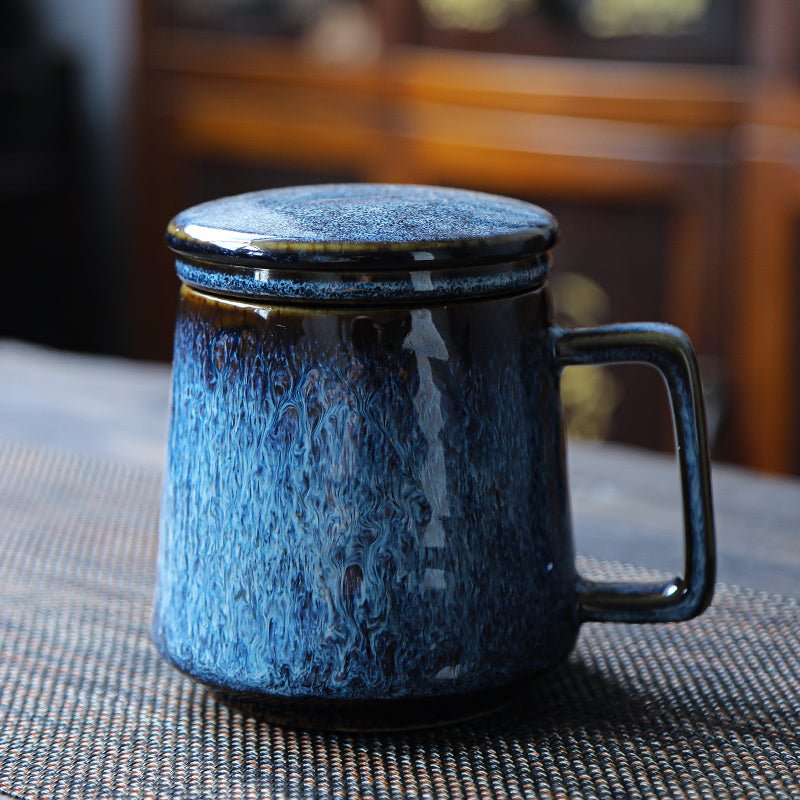
Mug Coffee and Clay: What Buyers Should Check Before They Order
Mug coffee and clay pairs best when the cup feels balanced, holds heat without getting too hot to handle, and fits the way you actually drink coffee. Here is what we check in our store before we re...
Read more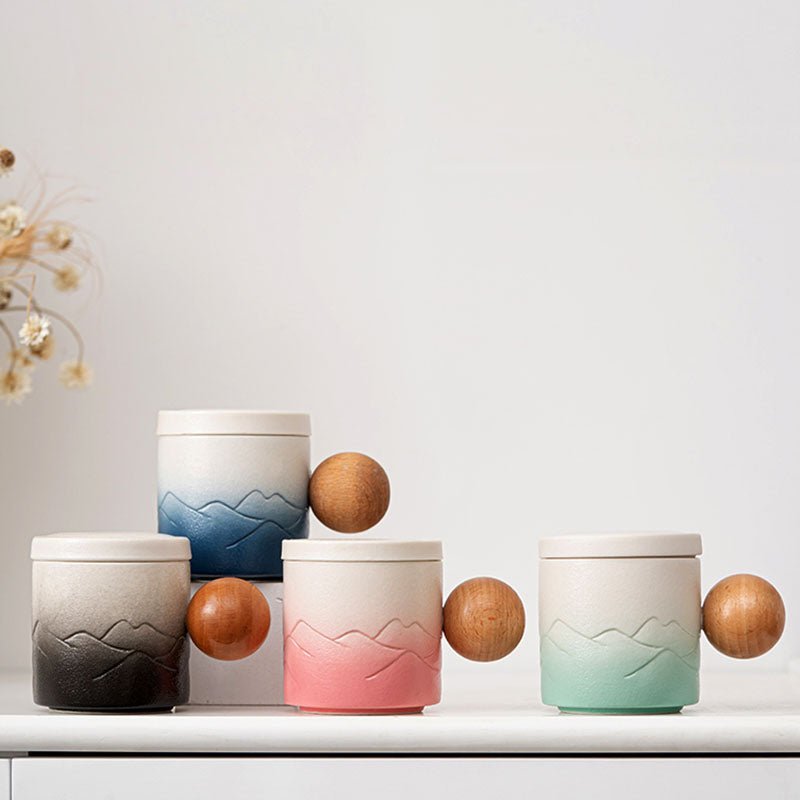
Weighted Coffee Mug Buying Guide for Stability and Daily Use
A weighted coffee mug can feel steadier on a desk, more comfortable in the hand, and less likely to slide around a smooth surface. We break down what to check, what to skip, and which CoffeifyMug s...
Read more
Los kommentaar
This site is protected by hCaptcha and the hCaptcha Privacy Policy and Terms of Service apply.