
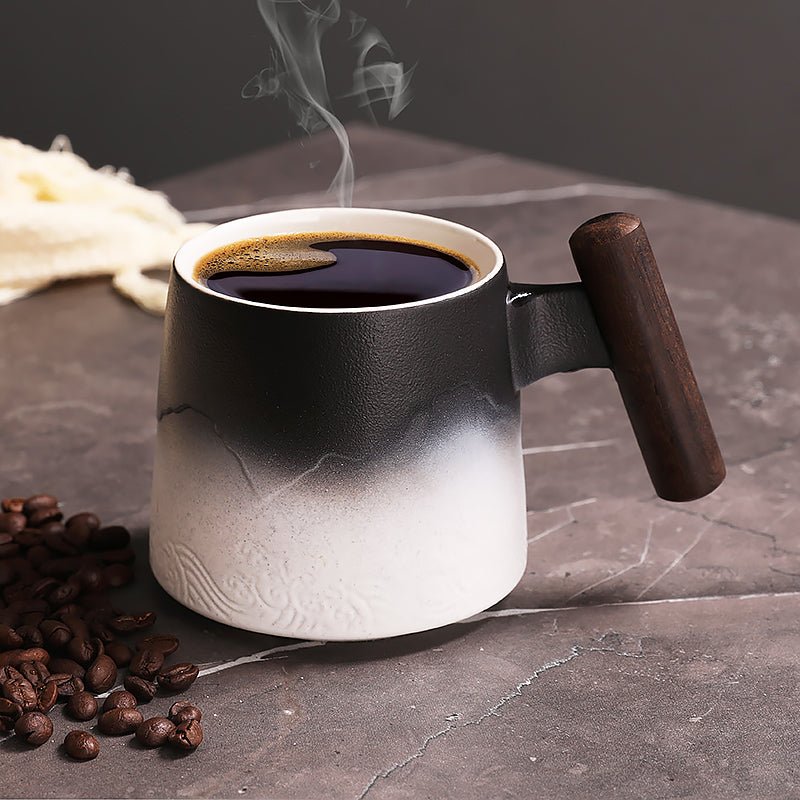
Plastic Coffee Mug: What to Check Before You Buy
Reading time: about 11 minutes
A plastic coffee mug gets pulled off the shelf for the same reasons over and over: a desk with limited space, a patio table that gets bumped, a kid-friendly morning routine, or a commute where a full ceramic mug would be a bad idea. We see the same buying mistake a lot in our store: shoppers focus on color first and only think about use case after the mug arrives.
If you want a mug that is light, less fragile, and easy to carry around the house or office, a plastic coffee mug can make sense. If you want the best heat retention, a heavier feel in the hand, or a mug that can handle boiling-hot coffee with less temperature loss, plastic is not always the best choice. That trade-off matters, and it should guide the purchase.
For shoppers comparing options, our product selection is the best place to start, and our broader all collections page makes it easier to compare styles side by side.
What is a plastic coffee mug best used for?
A plastic coffee mug is best for everyday situations where durability and light weight matter more than maximum heat retention. We see these used most often at workstations, in break rooms, around the house for fast refills, and outdoors where a dropped mug is more of a nuisance than a disaster.
They are also useful for families. A plastic mug is usually easier for kids or teens to handle than ceramic, and it can be a practical backup cup when you do not want to risk chips on a busy counter. For office life, it is the kind of mug that can survive frequent trips between the desk, kitchen, and meeting room without much fuss.
That said, plastic is not the best choice for every coffee drinker. If you sip slowly and want your drink to stay hot longer, a double-wall insulated travel mug or a thicker ceramic mug may serve you better. If you use a pour-over and want the cup to feel substantial, plastic can feel too light.
Which plastic material should you look for?
Not all plastic drinkware behaves the same way. The material determines how the mug feels, how it handles heat, and how long it will hold up through repeated use and washing. In our experience handling this category, the details matter more than the label “plastic.”
Here are the main materials shoppers compare:
- Polypropylene (PP): Common, lightweight, and often used for everyday drinkware. It is a practical choice for casual use and usually stands up well to repeated handling.
- Copolyester: Typically chosen when clarity and a more glass-like look matter. It can feel a little more premium than basic plastic, but it still has the limitations of plastic drinkware.
- Melamine: Hard and durable, often seen in cafeteria or outdoor settings. We do not recommend it for microwave use, and many shoppers prefer a different material if they plan to reheat drinks often.
If microwave use matters to you, check the product details carefully. Some plastic mugs are microwave-safe, while others are not, and a mug that is fine for warm coffee may not be safe for reheating. We always tell shoppers to read the care notes before buying rather than assuming all plastic behaves the same way.
Also look at the rim and wall thickness. A thin rim can feel less comfortable on the lips, and an overly thin wall may flex slightly in the hand. That does not make the mug bad, but it does change the experience.
What size plastic coffee mug should you buy?
Size affects more than capacity. It changes how often you refill, how much the mug weighs when full, and whether it fits under a brewer or into a lunch bag. This is where a lot of buyers get caught up.
We recommend matching size to your actual habit, not just your preferred number on the label. For readers comparing capacities, our guides on the 8 oz coffee mug and 20 oz coffee mug explain how size changes the daily experience.
| Size | Best for | Trade-off |
|---|---|---|
| 8 oz | Small servings, espresso drinks, tighter cup storage | Needs refills more often |
| 12 oz to 14 oz | Standard drip coffee, office use, everyday home use | May feel too small for large pour-over servings |
| 16 oz to 20 oz | Large coffee pours, long desk sessions, fewer trips to refill | Can feel bulky when full and may not fit every coffee maker or cup holder |
For a lot of shoppers, the sweet spot is a standard-size mug that fits under the brewer and still gives enough room for milk or cream. If you regularly make a large mug of coffee at home, a bigger size may be worth it. If you prefer a small morning cup, do not overbuy capacity you will not use.
How do you tell if a plastic coffee mug is easy to clean?
Cleaning is one of the biggest practical differences between plastic and other mug materials. Some mugs rinse clean quickly. Others hold onto coffee oils, especially if the interior has texture, seams, or narrow corners near the base.
We look for a few things before recommending a mug:
- Smooth interior walls: Less likely to trap residue and easier to wipe out.
- A wide opening: Makes hand-washing simpler and helps a sponge reach the bottom.
- Dishwasher-safe labeling: Useful if the mug will live in an office kitchen or busy family sink rotation.
- Stain resistance: Important if you drink black coffee or tea every day.
Plastic can be more forgiving than ceramic in a drop test, but it can also scratch if you scrub too aggressively with abrasive pads. Once a surface gets scratched, it may hold coffee smell more easily. We usually suggest a soft sponge, mild dish soap, and a quick rinse after use. If a mug is dishwasher-safe, that helps, but it still pays to place it away from the hottest direct element if the manufacturer recommends it.
From what we see in real kitchens, the easiest mugs to keep in good shape are the ones with smooth walls, a simple handle, and care instructions that match how people actually wash dishes.
What trade-offs should you expect versus ceramic or travel mugs?
This is the question that decides the sale. A plastic coffee mug solves some problems very well, but it is not the best answer for everything.
Compared with ceramic: plastic is lighter and less breakable, but it usually feels less substantial and may not keep coffee warm as long. Ceramic often wins for home rituals and desk presentation. Plastic wins when safety and portability matter more.
Compared with a travel mug: a plastic coffee mug is usually more open, easier to sip from, and better for relaxed use at a desk or kitchen counter. A travel mug is better when you need a lid, insulation, and spill resistance. If you carry coffee from room to room, a lid matters. If you just want a simple mug on a table, a lid can be unnecessary bulk.
Compared with stainless steel: stainless is usually stronger for travel and better at temperature control, but it is not always the right feel for casual sipping. Plastic is often the lighter, simpler option for everyday home or office use.
We tell shoppers this plainly: a plastic coffee mug is not the best pick for someone who is rough on temperature retention or wants a premium tableware feel. It is a practical pick for convenience-first buyers.
What defects or quality issues should you check before buying?
We inspect mugs for the same failure points customers notice later at home. A good listing should let you check these details before you buy.
- Rim finish: Look for a smooth, even rim with no sharp seam line where the mold was joined.
- Handle comfort: Make sure the handle is wide enough for your fingers and not so small that two fingers feel cramped.
- Base stability: A mug that rocks on the counter is annoying fast, especially on a desk near electronics.
- Wall clarity or opacity: Uneven coloring or cloudy spots can signal inconsistent material quality.
- Heat tolerance notes: Confirm whether the mug is safe for hot drinks, microwave use, or dishwasher cycles.
We also pay attention to odor out of the box. Some plastic items arrive with a noticeable manufacturing smell that fades after washing and airing out, but if a mug still smells strongly after a proper wash, that is a warning sign. Another common issue is a slightly rough seam on the handle or near the base. It may not affect function, but you feel it every time you pick up the mug.
How should you choose a plastic coffee mug for office, home, or gifting?
The right mug changes depending on the setting. A mug that works on a home counter may not be right for a shared office cabinet or a gift box.
For the office: prioritize light weight, easy cleaning, and a shape that fits a standard desk setup. A mug with a simple silhouette is easier to store and less likely to take over a crowded break room shelf.
For home: think about how it pairs with your routine. If you use a drip coffee maker every morning, check clearance under the brew basket and make sure the handle is easy to grab with one hand. If you drink coffee while moving around the house, a sturdier handle matters more than a decorative look.
For gifting: presentation and practicality both count. A plastic coffee mug can be a smart gift if the person likes casual drinkware, uses it outdoors, or wants something less fragile for a dorm, workshop, or kid-friendly home. It is not the best gift for someone who collects heavy ceramic mugs or expects a luxury feel.
For buyers who like to compare styles before making a decision, our article Awesome Coffee Mugs: How to Choose a Mug You’ll Actually Use is a useful companion piece. It helps narrow down what matters most before you commit to a shape or material.
Which cleaning and care habits help a plastic coffee mug last longer?
Simple care habits make a real difference with plastic. We have seen mugs stay in good shape for a long time when people avoid the few mistakes that wear them out early.
- Wash soon after use so coffee oils do not sit and stain.
- Use mild soap and a soft sponge instead of abrasive scrubbers.
- Do not assume every plastic mug is microwave-safe.
- Avoid exposing the mug to direct high heat unless the product details clearly allow it.
- Store it dry so trapped moisture does not create a stale smell in the cupboard.
Dishwasher cycles can be fine if the mug is labeled for them, but high heat is still the main stress point for plastic. If you use your mug every day, care instructions matter as much as appearance. A mug that looks good on day one but warps after repeated washing is not a good buy.
Frequently asked questions
Is a plastic coffee mug safe for hot coffee?
It can be, but only if the mug is designed for hot beverages. Check the product details for heat tolerance and whether it is labeled microwave-safe or dishwasher-safe. We would not use a generic plastic cup for very hot coffee unless the manufacturer clearly says it is intended for that use.
Does a plastic coffee mug keep coffee hot?
Usually not as well as insulated stainless steel or thick ceramic. A plastic coffee mug is better for convenience and light weight than for long heat retention. If you sip slowly over an hour or more, a travel mug may suit you better.
Can I put a plastic coffee mug in the dishwasher?
Only if the mug is labeled dishwasher-safe. Even then, it helps to avoid the hottest setting if the care instructions recommend a gentler cycle. Repeated high-heat washing can lead to warping or clouding over time.
What size plastic coffee mug is best for daily use?
For most daily drinkers, a standard-size mug in the 12 oz to 14 oz range is the most practical starting point. It gives enough room for coffee and a little milk without feeling oversized. If you like large refills or long desk sessions, a 16 oz to 20 oz option may fit better.
Is a plastic coffee mug better than ceramic for kids or outdoor use?
Yes, often it is. Plastic is lighter and less likely to chip if dropped, which makes it a better fit for kid-friendly kitchens, patios, camping, and casual outdoor setups. Ceramic still works well at home, but it is more fragile in those situations.
If you are narrowing your choice now, compare three things before you buy: the material, the size, and the care label. Then check whether you want a simple everyday cup or something better suited to travel. If you want to browse practical options first, start with our products page, then compare it with the rest of our collection to find the plastic coffee mug that fits your routine.
More from our blog
Read more
Microwave Safe Coffee Mug: How to Choose One That Actually Holds Up
A microwave safe coffee mug should do more than survive a quick reheat. We break down materials, shapes, and care details that matter in real kitchens, offices, and gift-giving situations.
Read more
How to Get Coffee Stains Out of Mugs Without Damaging the Finish
Coffee stains build up fast on white ceramic, glazed stoneware, and the bottom ring inside everyday mugs. Here’s the safest way we recommend cleaning them, plus what to avoid if you want the mug to...
Read more
Los kommentaar
This site is protected by hCaptcha and the hCaptcha Privacy Policy and Terms of Service apply.