
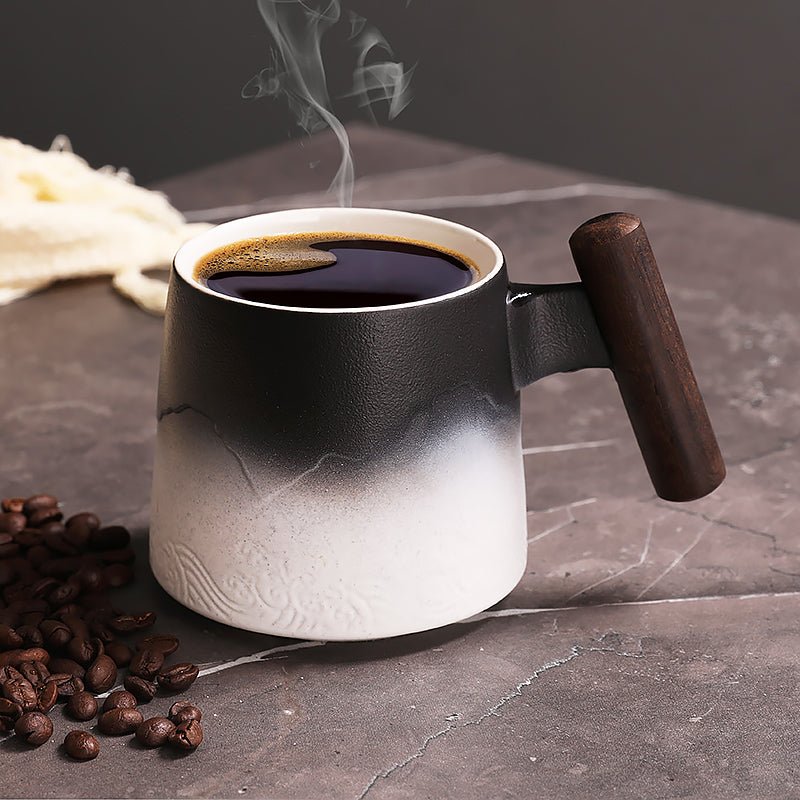
Pendleton Coffee Mugs: What to Check Before You Buy
Reading time: about 9 minutes
A Pendleton-pattern mug usually gets noticed at first glance, then judged by how it feels after the first refill. The print can be strong and the colors can be right, but if the handle pinches, the rim feels too thin, or the base rocks on a desk, it stops being a mug people actually use.
That is the filter we use in our store. We look at size, material, weight, finish, and care before we call a mug worth buying. If you are comparing pendleton coffee mugs for your kitchen, office, or a gift box, the details below will help you decide faster and avoid the common disappointments we see after unboxing.
What makes a Pendleton coffee mug worth comparing?
Most shoppers start with the pattern, but the pattern is only part of the purchase. A mug can look great on a shelf and still miss the mark if the drinking experience is off. In our experience, the mugs that stay in rotation are the ones that feel stable in the hand, resist staining well enough for daily coffee, and survive real use on a kitchen counter or office desk.
For pendleton coffee mugs, we usually compare the same basic points every time:
| What to check | Why it matters | What buyers should watch for |
|---|---|---|
| Material | Affects heat retention, weight, and chip resistance | Stoneware feels heavier; porcelain feels lighter; enamel is tougher but changes the drinking feel |
| Capacity | Decides whether the mug fits your actual pour | 8 oz is compact, 12 oz is standard, 16 oz suits larger morning cups, 20 oz is for long desk sessions |
| Handle shape | Affects comfort and grip with hot liquid | Check finger clearance if you use large hands, thick gloves, or prefer a two-finger grip |
| Glaze and print | Impacts appearance after repeated washing | Look for even glaze coverage, crisp edges, and no rough spots around the rim or logo area |
| Base and balance | Prevents wobble on desks and trays | A flat, well-finished base matters more than many buyers expect |
A mug with a strong pattern and poor balance often becomes a display piece instead of an everyday cup. That is fine if you want it for a shelf. It is not fine if you want the mug to live next to the coffee machine and get used every morning.
Which material works best for daily use?
Material changes how a mug feels in hand and how it behaves after repeated dishwasher cycles. There is no single right answer. The right choice depends on whether you want warmth, durability, a lighter feel, or the most forgiving option for rough use.
- Stoneware: A common choice for decorative everyday mugs. It feels substantial, keeps coffee warm a bit longer, and tends to suit the cozy, cabin-style look buyers expect from Pendleton-inspired patterns. The trade-off is weight. If you prefer a lighter cup, stoneware may feel dense after a full pour.
- Porcelain or ceramic: Usually lighter in the hand and often better if you want a cleaner, finer feel at the rim. The trade-off is that thin rims and lighter bodies can feel more delicate, especially in busy kitchens.
- Enamel: Better for camping, travel bags, and a rugged look. It is less likely to shatter than ceramic, but it does not hold heat as well, and the drinking experience is different. Enamel is not the best fit if you want a quiet, homey coffee mug for an office desk.
We also advise checking the care instructions before you buy. A mug that is dishwasher safe can be a better fit for daily kitchen use, but print placement and glaze quality still matter. If the decoration sits close to the rim or the handle seam, repeated washing can reveal weak finishing faster than you would expect.
If you want a broader comparison across everyday mug builds, our guides on 12 oz Coffee Mugs: What to Check Before You Buy and 16 oz Coffee Mugs: What to Check Before You Buy are useful starting points.
What size should you choose for your pour?
Capacity matters more than most people think. A mug that is too small means constant refills. A mug that is too large can make a standard drip coffee look lost inside it, and the drink may cool before you finish it. That is why size should match your actual routine, not just the look of the mug.
Here is the practical way we break it down in our store:
- 8 oz: Best for espresso-based drinks, short black coffee, and compact cabinet storage. This is not the right pick if you pour large morning cups. If you are comparing smaller options, our 8 oz Coffee Mugs: Size, Material, and Fit Guide and 8 Ounce Coffee Mugs: What Buyers Should Check Before Ordering explain the trade-offs well.
- 12 oz: Often the most balanced everyday size. It works for drip coffee, tea, and most kitchen cabinets without feeling oversized. If you want one mug for home and office, this is usually the safest middle ground.
- 16 oz: Better for longer coffee sessions, milk-heavy drinks, or buyers who dislike topping off their cup. Our 20 ounce coffee mugs: What buyers should check before ordering guide explains why bigger mugs are not always better, and that logic applies here too.
- 20 oz: Good for people who want a lot of coffee in one serving. The downside is weight and cooling speed once the cup is only partly full. For a deeper look, see our A buyer's guide to large capacity coffee mugs.
If you mostly buy for display or gifting, a slightly smaller mug can look cleaner and feel more refined. If the mug is for a desk or long work session, larger capacity makes more sense. Size is one of the first things we check on our collection page because it changes the daily experience more than the artwork does.
Which details usually separate a gift-worthy mug from a return?
The returns we see most often are not about the artwork. They are about the small physical details that show up only after the box is opened and the mug is held in hand. A good gift mug should feel finished, not just printed.
Watch for these points:
- Handle clearance: Your fingers should fit without scraping the mug body. This matters more if the mug is thick-walled or intended for larger hands.
- Rim feel: A smooth rim makes a mug feel better immediately. A sharp or uneven rim is one of the fastest ways to turn a pretty mug into a disappointment.
- Base finish: The bottom should sit flat and feel clean, especially on wood desks and stone counters. A rough base can mark surfaces or wobble slightly.
- Print alignment: Pattern placement should look deliberate all the way around, not crowded near the handle or broken by a seam.
- Glaze consistency: Slight variation is normal in handmade-style drinkware, but obvious pinholes, streaks, or dull patches can signal weaker finishing.
We also tell buyers to think about what the mug is not good for. A decorative ceramic mug is not the best choice for a backpack, a campsite, or a desk where things get knocked around. If you need rugged portability, enamel or a travel tumbler is the better fit. If you want a mug that feels warm in the hand and looks right beside a coffee setup at home, Pendleton-style designs make more sense.
Are Pendleton coffee mugs better for home, office, or gifting?
They can work in all three places, but not equally well for every person. At home, the pattern can tie into a kitchen or breakfast nook without needing much else. On an office desk, the visual style helps the mug feel personal instead of generic. As a gift, the print does a lot of the heavy lifting because it looks intentional before the mug is even used.
We have found that gift buyers usually want two things at once: a mug that looks distinctive and a mug the recipient will actually use. That is where the trade-off matters. A highly decorative mug can be charming, but if it is too large, too heavy, or awkward to hold, it may end up on a shelf. A simpler build with a better handle often wins in everyday use.
If you are comparing styles right now, you can browse our current mug selection on the products page and scan the full assortment in our collection. That is usually the fastest way to see which sizes and finishes fit your use case before you commit.
A mug that looks good but feels awkward on the desk rarely stays in rotation. The best buy is the one people reach for without thinking.
How do you compare Pendleton coffee mugs before ordering?
We recommend a quick checklist before you add one to cart. This is the same approach our team uses when we review mug options for the store.
- Confirm the capacity matches your drink size.
- Check the material and care instructions.
- Look closely at handle size and base stability.
- Decide whether the mug is for daily coffee, office use, or gifting.
- Compare the finish against your cabinet, desk, or shelf style.
If you prefer a short list of what usually matters most, we would rank it this way: comfort first, size second, finish third. A strong pattern still matters, but it should support the mug rather than carry the whole decision. That is especially true for pendleton coffee mugs, where buyers often care about both the look and the feel.
Frequently asked questions
Are Pendleton coffee mugs dishwasher safe?
Some are, but you should confirm the care instructions on the specific mug before buying. Dishwasher-safe drinkware is easier for daily use, yet repeated washing can still reveal weak glaze or print placement if the finish is poor. If the seller does not clearly state care details, that is a sign to ask before ordering.
What size Pendleton coffee mug is best for everyday coffee?
For most buyers, 12 oz is the most balanced everyday choice. It fits a standard drip pour without feeling oversized and usually stores easily in a kitchen cabinet. If you drink larger pours or keep coffee on a desk for a long time, 16 oz may be the better fit.
Are stoneware Pendleton coffee mugs better than porcelain?
Stoneware feels heavier and often gives a more substantial, cozy feel. Porcelain is usually lighter and can feel a little more refined at the rim. If you want warmth and weight, choose stoneware; if you prefer a lighter mug for frequent use, porcelain may suit you better.
Do Pendleton coffee mugs make good gifts?
Yes, especially if the recipient likes pattern-driven home goods or outdoor-inspired style. They work best as gifts when the mug has a comfortable handle, a size that matches normal coffee use, and a finish that looks clean from every angle. A mug that is pretty but awkward in hand is less likely to get used.
What should I check if I want a mug that will last?
Check the rim, base, handle joint, and glaze consistency first. Those are the places where weak finishing usually shows up during normal use and washing. We also recommend reading the care instructions carefully so you know whether the mug is meant for the dishwasher, microwave, or hand washing only.
If you want to narrow the choice quickly, start with size, then compare finish and handle comfort on our collection page. From there, pick the mug that fits your daily pour instead of the one that only looks best in the photo.
More from our blog
Read more
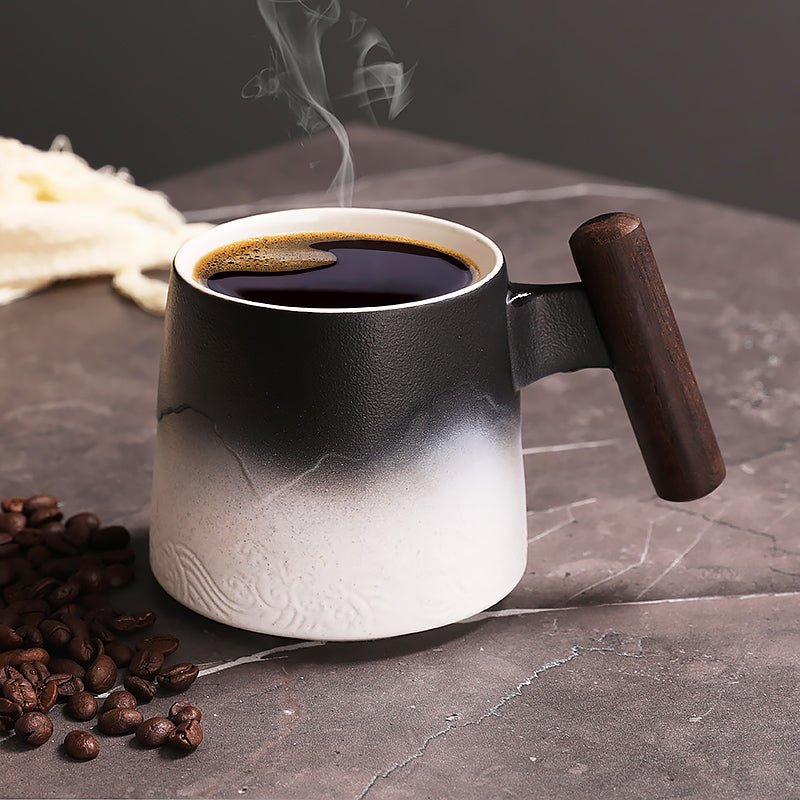
Pendleton Coffee Mug: What to Check Before You Buy
A Pendleton coffee mug should feel right in the hand, fit your daily brew, and hold up after real kitchen use. We break down the size, material, and care details that matter before you buy.
Read more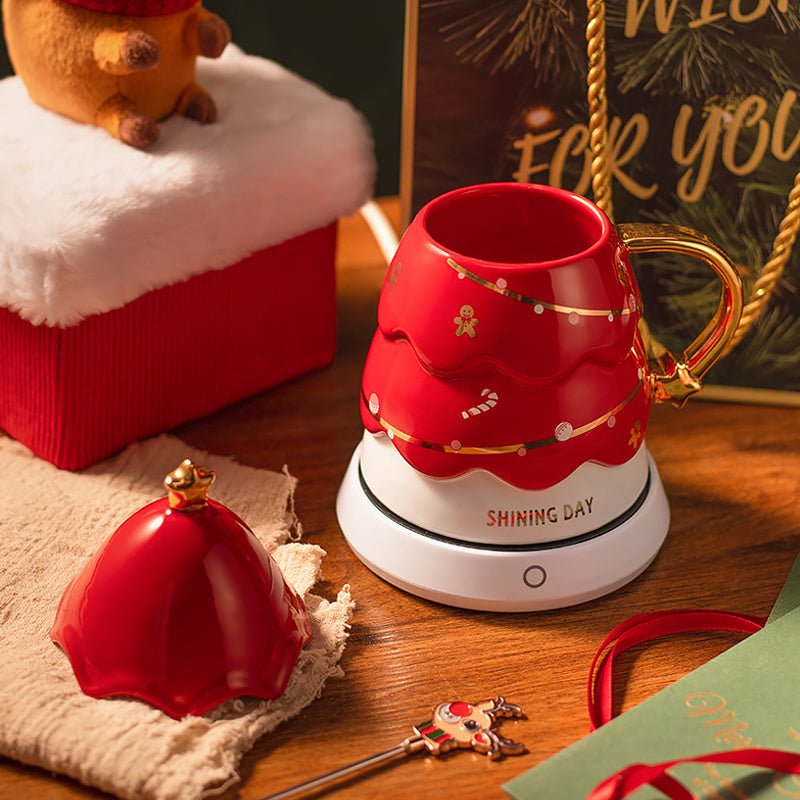
Santa Coffee Mugs: What to Check Before You Buy
A practical buyer’s guide to santa coffee mugs, with the size, material, print, and care details that matter before you order. Use it to pick a mug that feels good in hand and still looks sharp aft...
Read more
Los kommentaar
This site is protected by hCaptcha and the hCaptcha Privacy Policy and Terms of Service apply.