
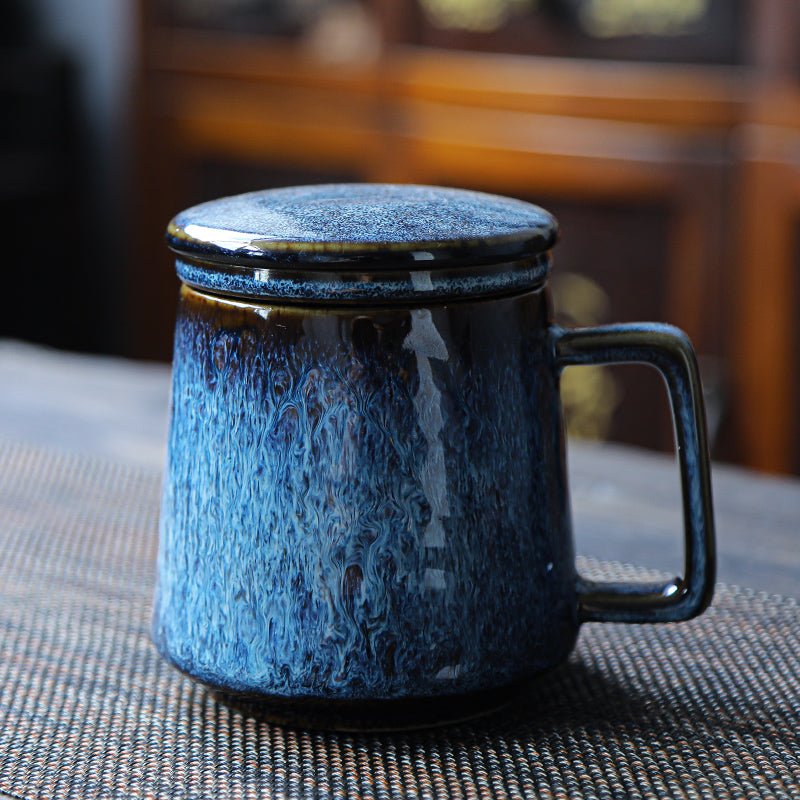
Outline of Coffee Mug: How to Choose the Right Shape and Size
Reading time: about 9 minutes
On a crowded kitchen counter, the first thing people notice is not the print. It is the silhouette: straight or tapered, wide or narrow, and whether the handle leaves enough room for two fingers without touching the hot wall. That outline of coffee mug decides a lot more than shelf appeal.
In our store, we see the same pattern again and again. Buyers choose a mug by artwork alone, then realize the profile feels awkward in hand or the capacity does not match the way they actually drink coffee. A narrow 12 oz mug and a wide 12 oz mug are not the same experience, even before the first sip.
What does the outline of a coffee mug actually tell you?
The outline is the mug's side profile, but for a buyer it also tells you how the mug behaves. You are looking at the body shape, rim thickness, base stability, and handle placement together, not as separate details. A clean outline usually means the mug will feel predictable on a desk, on a breakfast table, and in the dishwasher.
There are a few common outlines we see most often:
- Straight-sided: looks tidy and stackable, and often feels stable on a work desk.
- Tapered: opens slightly toward the top, which can make the sip feel softer and the mug easier to grip.
- Rounded bowl: comfortable and relaxed, but it can take up more shelf space.
- Tall and narrow: good if you want a smaller footprint and a more upright look, though it can feel top-heavy if the base is too small.
That profile also affects practical things people do not always notice in a photo. A thicker rim can feel sturdier and resist chips better, while a very thin rim often feels nicer to sip from but can be less forgiving if the mug gets knocked against a sink or another cup. The foot ring matters too. If the base is uneven, the mug wobbles slightly on hard counters and becomes annoying faster than most shoppers expect.
Which outline feels best in the hand?
The best outline is the one that matches how you drink. A mug for slow mornings at home does not need the same shape as a mug that lives next to a laptop all day. If you want a size-first comparison while you shop, we have separate guides for 10 oz coffee mug size, fit, and what to check before you buy, 11 oz coffee mug size, fit, and what to check before you buy, and 12 ounce coffee mug buying guide for daily use and better fit.
| Outline | What it feels like | Best for | Trade-off |
|---|---|---|---|
| Straight-sided | Firm, predictable, easy to place on a desk | Office coffee, simple everyday use, gifting | Can feel plain or boxy if you want a softer shape |
| Tapered | More ergonomic, easier to wrap your hand around | People who want a comfortable grip and a refined look | Sometimes sacrifices a little visual volume near the top |
| Rounded bowl | Cozy and relaxed, good for holding with both hands | Tea drinkers, slower mornings, home use | Often takes more space in a cabinet |
| Tall and narrow | Neat and vertical, with a smaller counter footprint | Compact kitchens and organized desks | Can feel less balanced if the handle sits too high |
If you drink black coffee and want a mug that stays out of the way, a straight-sided or tapered outline usually makes sense. If you add milk, foam, or a second pour, a slightly wider top can be better because it gives you more room without feeling cramped. We see a lot of buyers discover that shape matters just as much as ounces.
Which mugs in our store match a clean outline?
If you want a mug that feels visually calm rather than busy, start with our product pages and compare the profile first. The Golden Waves Kio Coffee Tea Mug, The Flow Coffee Tea Mug, and Mountain Sea Coffee Tea Mug are good starting points if you like mugs that read as clean, balanced, and easy to live with on a daily counter.
For shoppers who want to compare the full range before narrowing it down, we keep everything in our all collection. That is usually the fastest way to see which outline looks right for a gift, a desk setup, or a kitchen shelf that already has too many bulky mugs.
In practice, we see three kinds of buyers gravitate toward cleaner outlines:
- People who want one mug that looks neat next to a coffee maker.
- Gift buyers who want something practical, not overly decorative.
- Office shoppers who need a mug that feels stable, not fussy.
That said, a clean outline is not always the best choice. If you want a big, lounge-at-home mug with a deep body and generous handle space, a more rounded shape may serve you better. A cleaner silhouette can also show fingerprints, glaze irregularities, or tiny surface marks more easily than a busier printed mug.
What materials and finishes hold up best over time?
Most everyday coffee mugs fall into ceramic, stoneware, or porcelain territory, and each has a different feel. Ceramic and stoneware tend to feel substantial in the hand, which many buyers like for a morning mug. Porcelain usually feels lighter and more refined, but that thinner feel can be less forgiving if you are hard on your mugs.
When we inspect mugs for store use, we look for a few specific details that generic photos do not always reveal:
- Rim thickness: a thicker rim often resists chips better, while a thinner rim can feel smoother on the lip.
- Handle attachment: the join should feel smooth, not sharp or pinched, because that is where discomfort shows up first.
- Foot ring: a flat, even base matters more than buyers expect, especially on glass or stone counters.
- Glaze quality: a consistent glaze helps reduce staining and makes the mug easier to clean after tea or dark coffee.
The common failure points are predictable. We see hairline crazing in the glaze, tiny chips on the rim, rough edges near the handle, and wobble from an uneven base. If a mug has printed decoration, the artwork may also wear faster where it rubs against dish racks or another mug in storage. Those are not reasons to avoid a mug automatically, but they are reasons to check the product photos and care notes before you buy.
If a mug has metallic accents, treat that as a separate decision. Decorative metal usually means it is not microwave-safe. If the listing does not spell out care instructions, that is a signal to ask before assuming it will handle heat, dishwasher cycles, or both.
How should size guide the outline you choose?
Capacity changes how the outline feels. A mug can have the same printed artwork in a different profile and still feel completely different once it is filled with coffee. A wide 10 oz mug can look larger than a tall 11 oz mug, while a tall 12 oz mug may feel more compact than you expect.
Here is the practical breakdown we use when helping buyers choose:
- 10 oz: better for smaller pours, espresso drinks with milk, or anyone who does not want a heavy mug. See our 10 oz coffee mug guide on what fits, what does not, and what to buy if you are comparing everyday use.
- 11 oz: the familiar middle ground for drip coffee, tea, and desk use. It usually gives enough room without feeling oversized.
- 12 oz: better for longer drinking sessions, milk drinks, and buyers who want a little extra headroom. If you want to compare daily-use fit, our 12 oz coffee mug size and fit guide goes deeper on the trade-offs.
What matters most is not the number alone. It is the combination of capacity, width, and handle clearance. A mug that holds 12 oz but has a very slim footprint may feel elegant on a shelf and cramped in the hand. A wider mug may feel more relaxed, but it also occupies more cabinet space and can cool faster because of the broader opening.
Our rule of thumb: judge the outline at the same time you judge the ounces. A mug that looks right but feels awkward on the lip usually gets left behind after the first week.
What should you check before buying an outline of coffee mug online?
We recommend checking the same things we would inspect after unboxing a new shipment in our store. A good product photo helps, but the measurements and care notes tell you whether the mug will actually work in daily use.
- Measure the footprint: if the base is too wide, the mug can crowd a crowded coffee station or small desk.
- Check handle clearance: you want enough room for two fingers without touching the hot body.
- Look at the rim: a comfortable sip starts at the lip, not the artwork.
- Read care instructions: dishwasher-safe and microwave-safe are separate questions, and not every mug is both.
- Match the shape to the drink: a taller, narrower profile may work well for black coffee; a wider bowl can suit milk drinks or tea.
We also suggest thinking about the mug's job before you buy it. A mug for the office should be stable and easy to clean. A mug for a gift should look good from the front and not feel overly niche. A mug for a home kitchen can be a little more personal, but it still needs to sit flat and survive repeated washes.
Frequently asked questions
What does outline of coffee mug mean?
It refers to the mug's side profile and overall silhouette: body shape, rim, base, and handle placement. For buyers, that outline affects both how the mug looks and how it feels in use.
Is a wider mug outline better for daily coffee?
Not always. A wider mug can feel more comfortable for milk drinks and tea, but it may cool faster and take up more shelf space. If you usually drink black coffee at a desk, a more compact shape is often easier to live with.
Which mug outline is best for a gift?
A clean, balanced outline is usually the safest choice because it works in more kitchens and office setups. Straight-sided or gently tapered mugs tend to look practical without feeling bland, which is why many gift buyers start there.
Do outlined mugs need special care?
Not usually, but the finish matters. Printed mugs with glossy exterior art may last longer if you avoid harsh scrubbing and keep them from knocking against other dishes in the dishwasher.
What outline should I choose if I want a mug for the office?
Pick a mug that is stable, not too wide, and easy to grip with one hand. We usually recommend a shape with a firm base and enough handle clearance so it can sit beside a laptop without feeling crowded.
If you want the fastest shortlist, compare three things before you buy: the mug's outline, the ounces you actually drink, and the handle clearance. Then browse our all collection and choose the profile that fits your counter, your cabinet space, and the way you drink coffee every day.
Read more
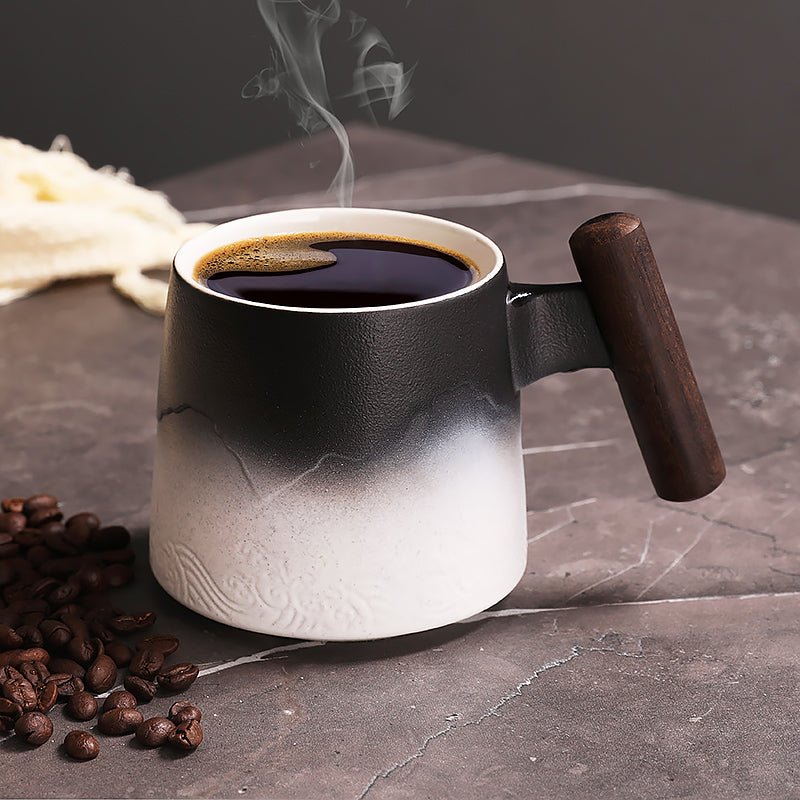
Outline of Coffee Mug: Shape, Comfort, and Buying Checks
We break down the outline of coffee mug by shape, handle clearance, base stability, and daily-use trade-offs so you can choose a mug that feels right at home, at work, or as a gift.
Read more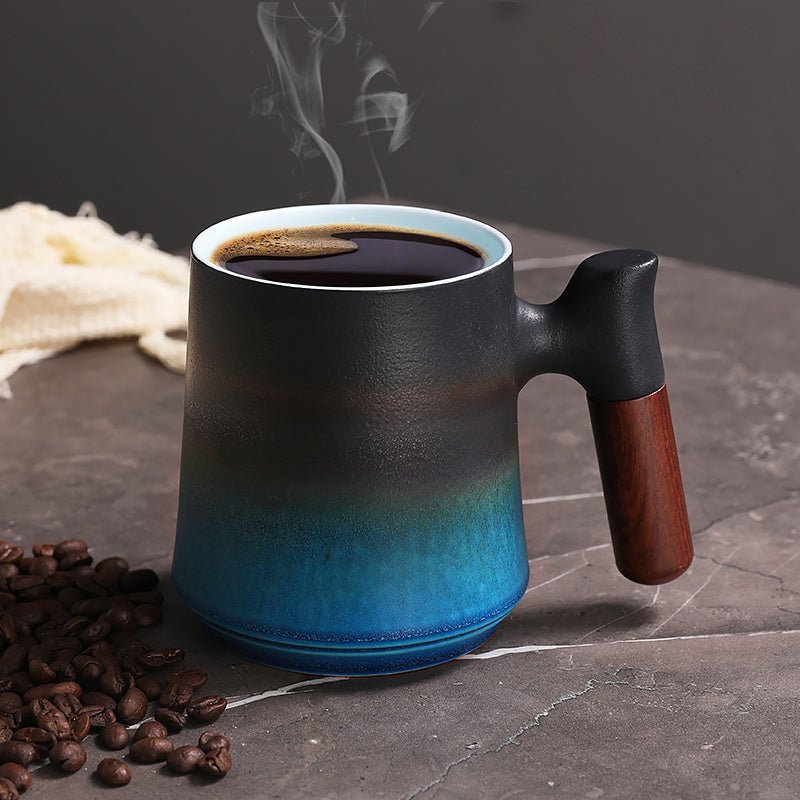
Textured Coffee Mugs: What to Look For Before You Buy
Textured coffee mugs change how a mug feels in the hand, how it grips on a desk, and how it shows wear over time. Here’s how we compare texture, shape, and daily use before we stock them.
Read more
Los kommentaar
This site is protected by hCaptcha and the hCaptcha Privacy Policy and Terms of Service apply.