
Metal Coffee Mugs: What to Check Before You Buy
Reading time: about 8 minutes
A metal mug can survive a knock off the counter better than a ceramic cup, but that does not make every one a good buy. The versions we handle most often still come down to the same practical questions: does the rim feel comfortable, does the handle stay cool enough to grip, and is the finish built for real daily use or just for photos?
In our store, we see shoppers compare metal coffee mugs for office desks, kitchen shelves, and gift boxes. The useful ones feel sturdy without being bulky, pour cleanly, and clean up without fuss. The ones that disappoint are usually too thin, too hot at the lip, or too awkward to hold once they are full.
If you want a deeper checklist before ordering, our guide to Metal Coffee Mugs: What Buyers Should Check Before Ordering covers the same buying questions we use internally. For shoppers who want to see the full range first, start with our collection and compare the shapes side by side.
What should you check before buying a metal coffee mug?
The first pass should be practical, not decorative. We recommend checking the build, the rim, the handle, and the care instructions before you fall for the artwork or finish.
- Wall thickness: Thin metal transfers heat fast. That is fine for quick coffee, but it can feel hot in the hand and cool down faster than many buyers expect.
- Rim comfort: A rolled rim is usually easier on the lips than a sharp cut edge. This matters more than people think once the mug is used every morning.
- Handle attachment: A handle should feel stable with a full pour. If the join looks flimsy, that is usually where flex and long-term wear show up first.
- Finish and coating: Printed or coated mugs can chip at the lip or base if they are banged against a sink, dish rack, or desk edge.
- Care notes: If the listing says hand wash only, believe it. Metal mugs with artwork or specialty finishes usually last longer with gentler cleaning.
That is the same logic we use when we evaluate product pages for our own store. It is also why we tell buyers to read past the headline and look at the mug structure itself, not just the design.
Which metal coffee mugs fit desks, kitchens, and gift sets?
Use case matters. A mug that looks great on a shelf can still be annoying beside a laptop if it is too tall, too narrow, or too hot to move after filling.
| Use case | What works best | What to avoid |
|---|---|---|
| Desk coffee | A stable base, comfortable handle, and a size that clears a keyboard | Extra-tall mugs that feel top-heavy when full |
| Kitchen use | Easy-wash surfaces and a finish that does not mind daily handling | Coatings that scratch easily at the sink or rack |
| Gift buying | Visible artwork, a clean silhouette, and packaging that looks presentable | Overly utilitarian shapes with no visual payoff |
| Hot drinks on the move | Better heat control and a grip that stays comfortable | Single-wall mugs if you want long heat retention |
For capacity guidance, our size posts on 12 oz Coffee Mugs: How to Choose the Right Mug for Daily Use and 16 oz Coffee Mugs: How to Choose the Right Mug for Daily Use are useful if you are deciding between a compact daily cup and a larger desk mug. Size changes how a metal mug feels in real life, especially once it is filled with hot liquid.
How do metal coffee mugs handle heat, taste, and daily use?
Metal coffee mugs are practical, but they are not perfect for every drinker. Their biggest advantage is toughness. Their biggest drawback is that they can feel hot to the touch and often do not hold heat as long as insulated drinkware.
Here is the trade-off we see most often:
- Heat transfer: Single-wall metal warms up quickly. That is fine for a quick cup, but not ideal if you like to cradle the mug for a long time.
- Flavor and smell: A clean, well-finished mug should not give you a metallic taste. If you notice one, it is usually tied to residue, a worn coating, or a cheaper internal finish.
- Noise and feel: Metal mugs can clink on desks and sink basins. Some buyers like the solid feel; others prefer the quieter landing of ceramic.
- Microwave use: Metal mugs are not the right choice for microwave reheating. If that matters to you, ceramic is the safer pick.
We usually steer buyers toward metal coffee mugs when they want durability, a lighter carry, or a gift with a distinct look. We do not recommend them for people who depend on slow heat retention or microwave reheating.
If you want a mug that stays warm at the desk for a long stretch, an insulated travel mug may fit better. If you want a mug that feels substantial and looks good on a shelf or in a gift box, metal is often the better balance.
How should you clean and care for metal coffee mugs?
Care is where many mug problems start. A good finish can hold up for years, but careless washing can make even a decent mug look worn early.
- Wash it soon after use so coffee and tea stains do not set at the rim.
- Use a soft sponge or cloth instead of abrasive pads, especially on printed or coated surfaces.
- Dry it after washing to reduce spotting and keep the handle and base from sitting wet.
- Check the product page before using a dishwasher. If the listing does not clearly say dishwasher-safe, hand washing is the safer choice.
- Store it where the rim will not get knocked against other mugs. Chips and dents usually start with storage, not use.
The most common wear patterns we see are scratched coatings, chipped edges near the lip, and denting from a hard drop onto tile or a sink divider. None of those are mysterious. They come from normal life, which is why the finish and wall thickness matter so much at purchase time.
Which options in our store are worth comparing first?
If you want to compare styles quickly, these are the three product pages we would open first:
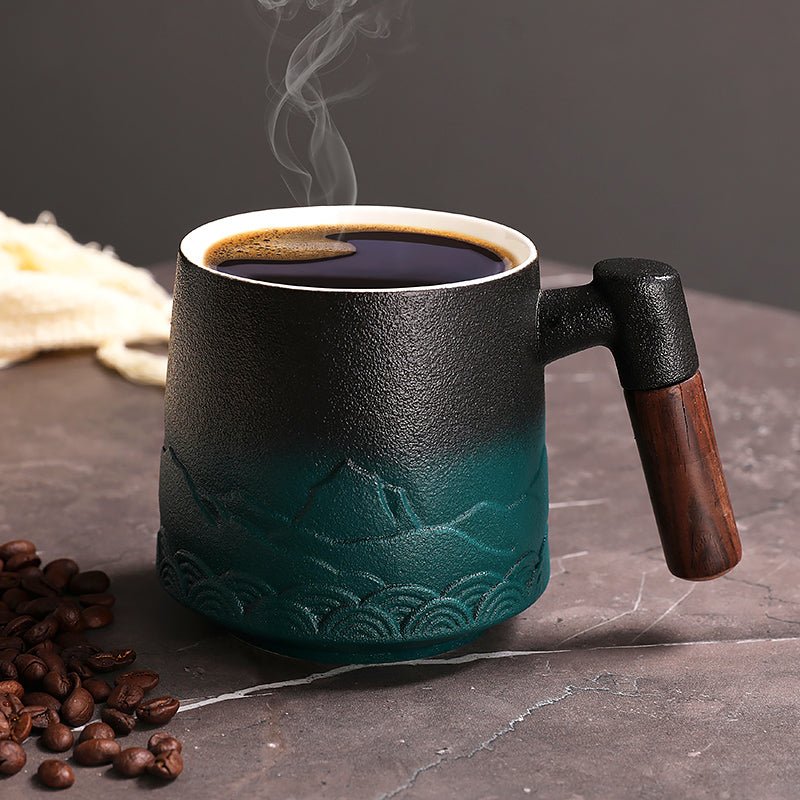
- Great Mountain Coffee Tea Mug for a scenic look that reads clearly from a desk or shelf.
- Emerald Coffee Tea Mug if you want a cleaner color-forward option with a simpler visual profile.
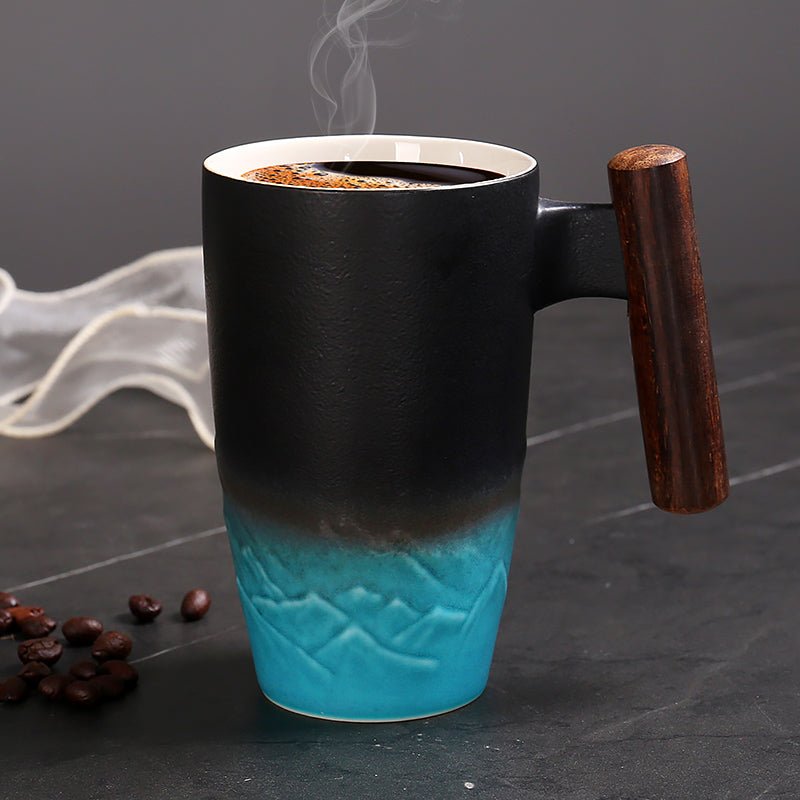
- Landscape Tall Coffee Tea Mug if you prefer a taller profile and a mug that feels a little more dramatic on display.
Those three are useful for comparison because they solve slightly different problems. The mountain design works well if you want a conversation piece. The emerald style is easier to pair with a plain kitchen or office setup. The tall landscape version is better if you like a longer mug body and do not mind a more vertical silhouette.
That is also why we keep shoppers moving between product pages and the full collection. A mug can look excellent in a single photo and still be the wrong shape for the way you actually drink coffee.
How do metal coffee mugs compare with other common mug sizes?
Size changes the whole experience. A 12 oz mug usually feels compact and easy to finish before the drink cools. A 16 oz mug gives you more room for a larger pour, milk, or a longer work session, but it also takes longer to drink and can feel heavier once full.
That is why size advice belongs in the buying process, not after the order lands at your door. If you want a shorter read on fit, the guide to 12 oz Coffee Mugs: How to Choose the Right Mug for Daily Use helps if you are deciding between a standard daily cup and a smaller desk mug. For bigger pours, the 16 oz guide is the better reference point.
Our practical rule is simple:
- Choose smaller if you drink quickly and want less heat loss.
- Choose larger if you like longer sessions, milk-heavy drinks, or tea refills.
- Choose metal if you want durability and a lighter-feeling mug than many ceramic options.
Frequently asked questions
Are metal coffee mugs safe for hot drinks?
Yes, metal coffee mugs are commonly used for hot coffee and tea. The main thing to check is how hot the exterior gets, especially if the mug is single-wall. If you plan to hold it for a long time, look for a comfortable handle and a finish that does not make the lip feel harsh.
Can I put a metal coffee mug in the microwave?
No. Metal should not go in the microwave. If you often reheat coffee, ceramic is the better choice or you should transfer the drink to a microwave-safe vessel first.
Do metal coffee mugs keep drinks hot longer than ceramic?
Not usually, unless the mug is insulated or double-wall. Single-wall metal tends to transfer heat quickly, which is useful for durability but not ideal for long heat retention. If staying hot matters most, compare insulated drinkware before you buy.
How do I stop a metal mug from tasting metallic?
Start by washing it well and drying it fully after use. If the taste lingers, the finish may be worn or the mug may not have a quality internal coating. We would not ignore that sign; it usually means the mug is not the right one for regular use.
What size metal coffee mug is best for daily use?
For many shoppers, 12 oz works best for a standard coffee routine because it is easy to finish while the drink is still warm. If you add milk, tea refills, or want a larger desk cup, 14 to 16 oz is often a better fit. If you want help comparing those sizes, our size guides above are the fastest way to narrow it down.
If you are choosing today, use this checklist before you add a mug to cart: comfortable handle, comfortable rim, finish that matches your cleaning habits, and a size that fits your daily pour. Then compare the product pages in our collection and pick the one that fits your desk, kitchen, or gift list best.
Read more
Coffee Mug Size: How to Choose the Right Capacity
Coffee mug size changes how a mug feels in your hand, how much you actually pour, and whether it fits your counter or desk. This guide breaks down the practical trade-offs buyers compare before ord...
Read more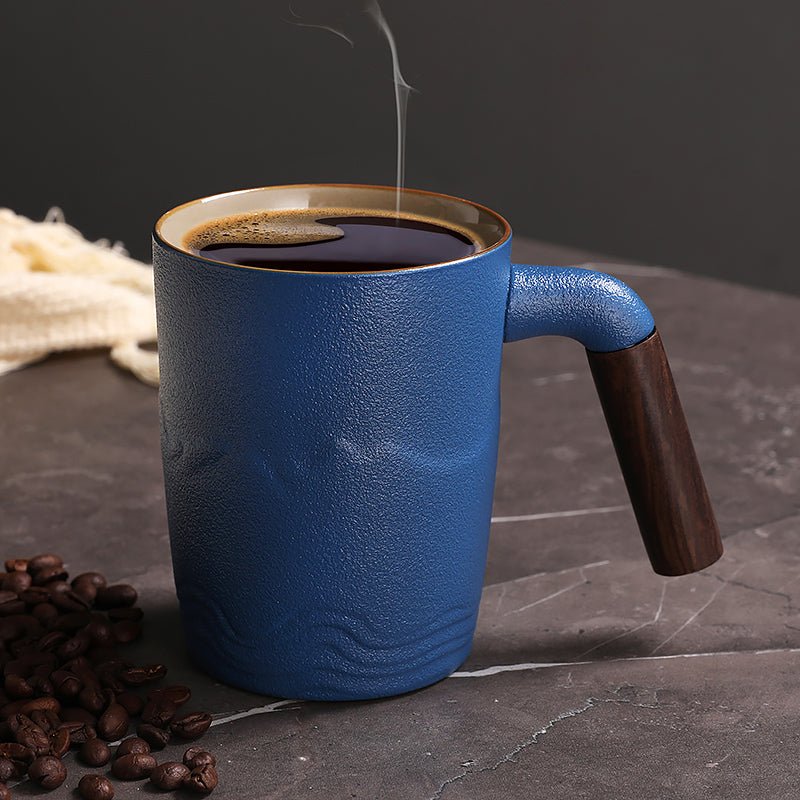
Coffee Mugs for Women: Best Shapes, Sizes, and Finishes
A practical guide to coffee mugs for women, with shape, size, finish, and gifting trade-offs explained the way real shoppers decide. We point to the mugs and buying guides that make the choice easier.
Read more
Los kommentaar
This site is protected by hCaptcha and the hCaptcha Privacy Policy and Terms of Service apply.