
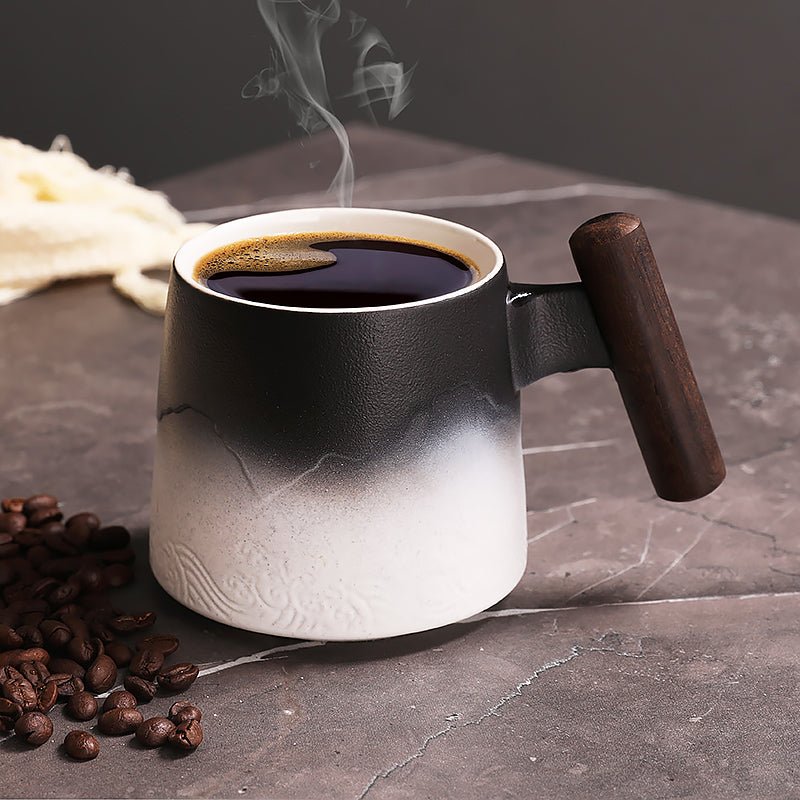
Leak Proof Coffee Mug Buying Guide for Everyday Spills
Reading time: about 9 minutes
A coffee mug that leaves a ring on the desk is annoying. A mug that drips into a tote bag is a problem. In our store, the buyers who ask for a leak proof coffee mug usually want one thing: a lid that holds up in real use, not just a lid that looks tight in the product photo.
We see the same pattern again and again. The body of the mug matters, but the lid decides whether you can trust it. A good seal, a clean drinking port, and a lid that seats evenly are what separate a mug that is merely spill resistant from one that can handle a commute, a bag, or a crowded office desk.
If you want to compare what we carry right now, start on our products page or browse the full collection.
What actually makes a coffee mug leak proof?
There is no single feature that makes a mug leak proof. It is a set of details working together. The lid has to fit the rim closely, the gasket has to sit flat, and the drinking opening has to close without flexing or lifting at the edges. If any of those parts is off, liquid finds a path out.
In practice, we look for three things first:
- A gasket or seal ring that sits snugly and does not twist when the lid is closed.
- A lid shape that matches the cup rim without gaps, warping, or visible rocking.
- A closure that stays shut under movement, especially if the mug will be carried in a hand or bag.
A mug can still be called leak proof and fail if it is overfilled. Coffee expands when it is hot, steam builds pressure, and a lid that seems fine on the counter may seep once the drink sloshes in motion. That is why we tell shoppers to leave a little headspace instead of filling to the top.
If your main use case is commuting, our article on Leak Proof Coffee Travel Mug: What to Check Before You Buy goes deeper on the lid features that matter in a bag or cup holder.
Which lid and seal details should you inspect first?
The lid is where most problems start. A perfect body with a weak lid still leaks. We have seen coffee seep through tiny gaps around a slider, around a worn gasket, or from a lid that was not pressed down all the way after washing.
Here is the practical checklist we use when we evaluate a mug for daily use:
- Check the sealing surface. The lid should contact the rim evenly all the way around.
- Look for a removable gasket. A silicone ring is common, and it should be easy to inspect, clean, and reseat.
- Test the drinking port. The opening should close fully without a loose flap or springy edge.
- Inspect the latch or twist action. If the lid locks, the action should feel definite, not mushy.
- Confirm the lid is easy to clean. Coffee oils build up fast, especially around grooves and small channels.
Many buyers assume a slider lid and a leak proof lid are the same thing. They are not. A slider often helps reduce splashing, but a screw-top or locking lid usually gives more confidence if the mug is going into a bag. That distinction is why we wrote Spill Proof Coffee Mug Buying Guide: What Actually Prevents Messes; it is a useful companion piece if you are comparing desk use against travel use.
Our rule of thumb: if the mug will spend time inside a tote bag, look for a lid that seals at the drinking port and around the perimeter. If it only needs to survive a desk bump, spill resistant is often enough.
Which material and size fit your routine?
The best leak proof coffee mug for a desk is not always the best one for a commute. Material changes the feel, the weight, the cleanup, and how much confidence you get from the lid. Size matters too. A mug that is too small gets refilled constantly. A mug that is too large can be awkward in a car holder or crowded bag.
We often point shoppers to our size guides because the right fit is usually about habits, not just ounces. If you are comparing compact mugs, see 8 oz Coffee Mug: What to Check Before You Buy. If you want the common daily-use range, read 16 Ounce Coffee Mug Buyer’s Guide: Size, Material, and Fit. For larger servings, 20 oz Coffee Mug: What to Check Before You Buy and 24 oz Coffee Mug: What to Check Before You Buy are useful comparisons. If you want the broader sizing picture, the Average Coffee Mug Size: What Buyers Should Know Before Ordering article is a good reference.
| Material | What it does well | Trade-off |
|---|---|---|
| Stainless steel | Durable, travel-friendly, and usually the best match for a secure lid | Not microwave-safe and can feel less like a traditional mug |
| Ceramic | Feels familiar on a desk and gives a classic coffee experience | Heavier and more dependent on the lid fit for leak control |
| Plastic or Tritan-style body | Lightweight and practical for on-the-go use | Can scratch and may hold odors longer than metal or ceramic |
For most buyers, 12 oz to 16 oz works well on a desk. That size is easy to hold, easy to store under a machine, and less likely to slosh over the rim if you move it around. A 20 oz or 24 oz mug makes more sense if you want fewer refills, but the larger the mug, the more important the lid fit becomes. The extra volume gives liquid more room to move.
How should you test a mug before trusting it in a bag?
We always recommend a simple at-home test before you trust any mug with a commute. A quick check on the counter can save you from the unpleasant surprise of coffee on a notebook, car seat, or laptop sleeve.
- Fill the mug with water first, not coffee.
- Close the lid exactly as you would before leaving the house.
- Hold it over the sink and tilt it slowly in different directions.
- Set it on its side for a short period and watch the rim and drinking port.
- Wipe the outside, then check for moisture around the gasket and the closure.
If the lid leaks with water, it will leak with coffee. If it passes with water but only after careful handling, treat it as a desk mug rather than a bag mug. That is the honest line we use in our store. Some mugs are excellent for office use, car cup holders, and short carries. They are not the right choice for a backpack that gets flipped around all day.
One more practical detail: if the lid has a silicone gasket, remove it once in a while and clean underneath. Coffee residue and detergent film can stop the seal from sitting flat. After washing, let the parts dry fully before reassembling them. A damp gasket is a small thing, but it can create odor and interfere with the seal over time.
What are the trade-offs with a leak proof coffee mug?
No mug is perfect for every buyer. The features that improve leak resistance can make a mug less convenient in other ways. A locking lid may be more secure, but it is slower to open. A tight gasket may help with leaks, but it can take extra cleaning. A heavy stainless steel body may feel sturdy, but it is not as light as a simple ceramic cup.
That is why we are direct about what a leak proof coffee mug is not ideal for:
- Not ideal for microwave use if the mug is stainless steel.
- Not ideal for wide, open sipping if you prefer a relaxed ceramic feel without a lid.
- Not ideal for rough bag storage if the lid is only spill resistant, not fully sealed.
- Not ideal for heavy latte mixing or whisking if the opening is narrow and the lid stays on most of the time.
That trade-off is normal. A mug built to seal tightly gives up some convenience. A mug built for easy sipping usually gives up some security. The right answer depends on where you use it most: at a desk, in a car, in a lunch bag, or at home between refills.
If you are still deciding between a mug that feels nice and one that seals well, our article Awesome Coffee Mugs: How to Choose a Mug You’ll Actually Use can help narrow the choice without overbuying.
Which leak proof coffee mug is the better buy for most shoppers?
For most buyers, the best value is a mug that is easy to clean, comfortable to hold, and has a lid that closes with confidence. That usually means a stainless steel or ceramic body paired with a well-seated lid and a straightforward closure. Fancy features do not matter if the mug is awkward to wash or the lid never feels fully secure.
We suggest comparing mugs on three questions before buying:
- Will this live on a desk, in a car, or in a bag most of the time?
- Can I clean the lid and gasket without fighting the design?
- Do I want maximum sealing, or just enough protection against splashes and desk bumps?
If your answer is mostly desk use, a spill resistant mug may be enough. If your answer is commute, tote bag, and real movement, prioritize a tighter seal and a lid that closes firmly. That is the difference between a mug that is convenient and one that you can actually trust.
Frequently asked questions
How do I know if a coffee mug is actually leak proof?
Check the lid, not just the cup body. A real leak proof coffee mug should have an even seal, a closure that shuts fully, and a gasket that sits flat. If possible, test it with water at home and tilt it before you put coffee in it.
Is spill proof the same as leak proof?
No. Spill proof usually means the mug can handle splashes or small knocks, while leak proof means it is built to stay sealed when carried. A mug can be one and not the other, especially if the drinking port is only covered by a slider.
What size leak proof coffee mug is best for commuting?
For most commuters, 12 oz to 16 oz is the easiest range to live with. It is easier to seal well, easier to carry, and less likely to slosh than a larger mug. If you want fewer refills, 20 oz can work, but the lid fit matters even more.
Can I put a leak proof coffee mug in the dishwasher?
Many mugs can handle the dishwasher, but lids and gasket parts often need more care than the cup itself. We suggest checking the cleaning instructions for the specific mug and washing the lid carefully if it has a silicone seal or small moving parts.
What is the biggest mistake buyers make with leak proof mugs?
Buying for the label instead of the lid design. People often focus on the body material or the look of the mug and ignore the seal, the drinking port, and how the lid closes. In our experience, those details matter more than almost anything else.
If you want to compare options, start with the mugs on our collection page and shortlist the ones with the lid style and size that match how you actually drink coffee.
Read more
Hilarious Coffee Mugs: How to Choose One That Actually Gets Used
Hilarious coffee mugs are better gifts when the joke fits the drinker and the mug still feels solid in hand. We break down sizes, materials, care, and the trade-offs before you buy.
Read more
Wide Coffee Mugs: How to Choose the Right Shape, Size, and Material
Wide coffee mugs suit people who want room for latte art, easier stirring, and a stable desk mug, but they are not the best choice for maximum heat retention or cup holders. Here is how we judge sh...
Read more
Los kommentaar
This site is protected by hCaptcha and the hCaptcha Privacy Policy and Terms of Service apply.