
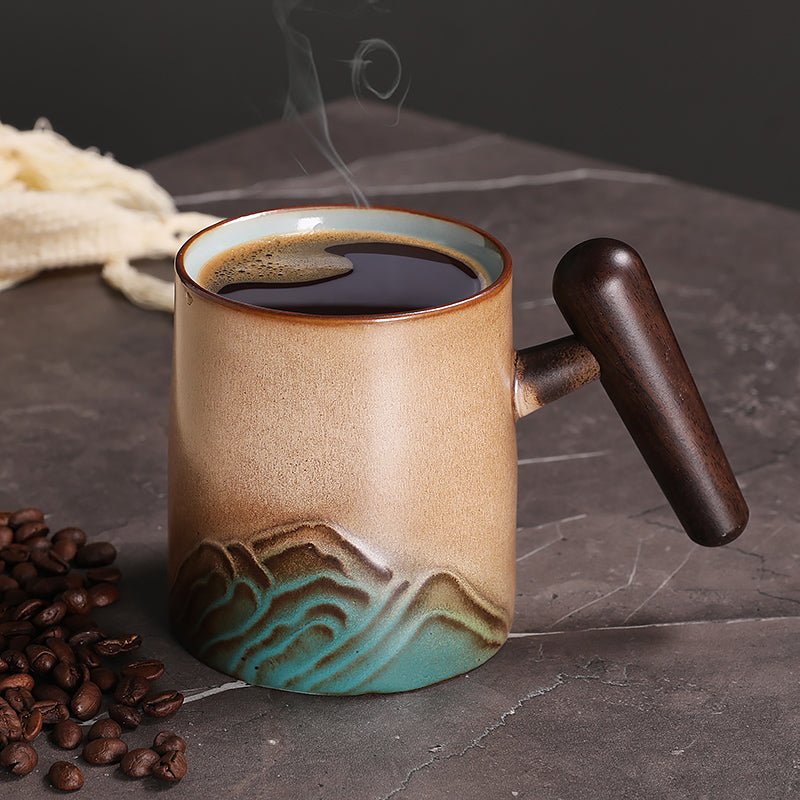
Large Cups for Tea: How to Choose the Right Size and Shape
Reading time: about 10 minutes
A cup that looks fine on a product page can feel wrong the first time you pour a full mug of tea into it. Too narrow, and the tea cools unevenly. Too small, and you are back in the kitchen before the kettle has even settled.
We see that mismatch a lot in our store. Buyers often want large cups for tea because they drink more than one small serving, like a bit of milk or honey, or need a cup that holds steady on a desk without constant refills. The right choice depends less on style alone and more on how you actually drink tea.
If you want a broader comparison first, our Large Tea Cup Buying Guide: What to Check Before You Buy covers the basics. For shoppers comparing tea and coffee formats side by side, Big Coffee Cups: What to Check Before You Buy a Large Mug is a useful companion read.
Why do large cups for tea work better for some drinkers?
Large tea cups solve a few everyday problems at once. They hold a fuller serving, leave room for milk or lemon, and reduce the stop-start routine of brewing another cup every ten minutes. That matters at a work desk, during a long call, or on a quiet morning when you want one cup to stay with you.
There is a trade-off. A bigger cup is not always the better cup. If you drink delicate green tea and want it hot from the first sip to the last, a very large vessel can lose heat faster than a smaller, thicker cup. If you use a single tea bag for a huge cup, the flavor can get thin unless you steep longer or use more tea.
In practice, large cups for tea are best for:
- People who like a generous serving without constant refills
- Milk tea drinkers who need space for additives
- Office use, where a stable handle and wide mouth are easier to manage
- Gifts, especially when the cup can double as a daily mug
They are less ideal for formal tea service, tiny teacup collections, or teas that are meant to be sipped very hot in smaller amounts.
What size should you look for?
For most buyers, size is the first filter. The right capacity depends on how you pour and what you drink. In tea terms, a cup in the larger range usually means something that can comfortably handle a full mug-style serving, not a dainty espresso-sized vessel.
We suggest checking three things before buying: capacity, mouth width, and handle space. Capacity tells you how much liquid the cup really holds. Mouth width affects cooling and aroma. Handle space matters more than people expect, especially if the cup is heavy when full.
| Buying point | What to look for | Why it matters |
|---|---|---|
| Capacity | A larger everyday tea serving with room for milk or lemon | Prevents overflow and gives you flexibility |
| Mouth width | Wide enough for aroma and easy cleaning | Helps with black tea and makes hand washing easier |
| Handle clearance | Enough room for two or three fingers | Improves grip when the cup is full and hot |
| Weight | Balanced, not overly heavy before filling | Reduces wrist strain at a desk or sofa |
If you already know you want a bigger daily vessel and not a delicate display piece, our A buyer's guide to large capacity coffee mugs is also relevant because many of the same size and comfort checks apply.
Which material is best for daily tea?
Material changes how the cup feels in hand, how long the tea stays warm, and how much care the cup needs. We handle these categories often, and the practical differences show up fast once a customer starts using the cup every day.
| Material | Best for | Trade-off |
|---|---|---|
| Ceramic | Daily black tea, herbal tea, giftable sets | Can be heavier and may chip if knocked hard |
| Porcelain | Cleaner presentation, lighter feel, more refined table use | Often less forgiving if you want a very sturdy feel |
| Stoneware | Cozy everyday use, larger formats, heat retention | Usually heavier and can vary in glaze finish |
| Glass | Visual brewing, fruit tea, showing color | Does not hide water spots or tea staining |
For most shoppers, ceramic is the most practical starting point. It handles daily washing well, feels familiar in the hand, and works across tea styles. Porcelain is a better fit if you want something lighter and a little more polished for the table. Stoneware is great for a grounded, sturdy feel, but not for someone who dislikes heavier cups.
One limitation to watch: a very thin cup can feel elegant but often runs hotter at the rim and may not suit a buyer who likes to wrap both hands around the cup. On the other hand, a thick cup can keep tea warmer but may feel bulky if you drink slowly.
What shapes and details actually matter?
Shape is not decoration. It changes use. A straight-sided cup behaves differently from a rounded one, and a wide mouth works differently from a narrow one. That is why people comparing Fancy Tea Cups: What to Look For Before You Buy often end up choosing based on handle shape, wall thickness, and how stable the cup feels once filled.
Here is what we check in our store when evaluating large cups for tea:
- Handle shape: It should fit real fingers, not just look attractive in photos.
- Rim comfort: A smooth rim makes longer sipping sessions more pleasant.
- Base stability: The cup should sit flat and feel secure on a desk or side table.
- Interior finish: A light, even glaze is easier to inspect for tea stains and residue.
- Heat behavior: Thicker walls usually feel better for slow drinkers, thinner walls for faster sipping.
For loose-leaf tea, a wider opening can help the aroma rise and makes cleanup easier after straining leaves. For tea bags, a moderate mouth width is usually enough. For milk tea, a broader body gives you more room to stir without splashing the rim.
What should you check before you buy?
The most common buying mistakes are practical, not aesthetic. The cup looks good, but the handle is awkward. The size is generous, but it feels too tall for a cabinet shelf. The glaze is pretty, but the cup is not as easy to clean as expected.
Before ordering, check these points:
- Dishwasher and microwave care: If you plan to use the cup daily, these matter more than decoration.
- Chipping risk: Look closely at the rim, handle joins, and base edge.
- Storage height: Make sure the cup fits your cabinet or open shelf.
- Weight when full: A large cup that feels fine empty may feel clumsy once filled.
- Use case: Desk use, sofa use, breakfast use, and gifting all point to slightly different shapes.
If you are buying as a gift, the presentation matters too. A cup with a calm finish and a generous shape often lands better than a highly decorative piece that is hard to use every day. For holiday gifting ideas, Christmas Tea Cups: What to Buy for Gifts, Sets, and Daily Use is a helpful reference.
In our experience, the best large tea cup is the one a person reaches for without thinking. If it feels easy to hold, easy to wash, and easy to store, it gets used. If not, it becomes the cup that stays in the cupboard.
Which large cups for tea fit different buyer types?
Different shoppers need different things. A home office buyer wants something stable and comfortable for long sessions. A gift buyer wants something attractive but easy to live with. A loose-leaf tea drinker wants enough depth and mouth width for practical brewing. A customer who likes sweetened tea may need more room than someone who drinks plain black tea.
Here is a simple way to sort the options:
- For daily desk use: Choose a balanced ceramic or stoneware cup with a comfortable handle and a stable base.
- For gift giving: Choose a clean, versatile shape that does not depend on a niche style preference.
- For visual tea service: Glass or lighter porcelain can make the drink itself part of the experience.
- For very casual sipping: A broad, sturdy mug style is usually more practical than a delicate tea-cup silhouette.
If you want to compare the full range of what we carry, start with our product selection and then narrow by the size and finish you actually want. If you prefer to browse everything in one place, our full collection makes it easier to compare cup styles side by side.
Shoppers who like a mug-style tea cup may also want to read Best Tea Mug: What to Buy for Daily Tea, Desk Use, and Gifts, since the line between a large tea cup and a tea mug is often about shape, not just capacity.
How do you care for large tea cups so they last?
Care is straightforward, but there are a few habits that make a difference. Most everyday tea cups do best with prompt rinsing after use, especially if you drink strong black tea or herbal blends that stain. Letting residue dry in the cup makes the next wash slower and can dull a light glaze over time.
Here is the routine we recommend:
- Rinse the cup soon after use if you cannot wash it right away.
- Use a soft sponge rather than abrasive scrubbers on glossy finishes.
- Check the rim and handle after washing for tiny chips or stress points.
- Dry it fully before stacking or storing to avoid moisture marks.
- Avoid sudden temperature changes if the cup is made from a thicker ceramic or stoneware body.
Large cups for tea are not the best choice if you need something ultra-light for travel or a very formal miniature tea setting. They are also not ideal if your cabinet space is tight and you prefer a compact stack. That is why some buyers prefer smaller tea cups, or even decorative options like those covered in Beautiful Coffee Cups: What to Look for Before You Buy, when presentation matters more than volume.
Frequently asked questions
What size counts as a large cup for tea?
Most shoppers mean a cup that holds a generous single serving with room for milk, lemon, or a larger tea bag. The exact capacity depends on the shape, but the key is that it should feel comfortable for daily drinking rather than formal table service. If you prefer one long refill-free session, a larger mug-style cup is usually the better fit.
Are large cups for tea better than small tea cups?
They are better for people who want less refilling, more room for add-ins, or a more relaxed desk setup. Small tea cups work better for formal serving, very hot drinks sipped quickly, or teas where portion control matters. The right choice depends on how you actually drink tea at home.
Is ceramic or porcelain better for tea?
Ceramic is usually the more practical choice for everyday use because it feels sturdy and is easy to live with. Porcelain is lighter and can feel more refined on the table. If you want durability and a familiar hand feel, ceramic is often the safer pick.
Can I use a large tea cup for coffee too?
Yes, if the shape and handle feel right. Many large tea cups overlap with large coffee mugs in everyday use, especially for home offices and relaxed mornings. If you want a cup that does both well, focus on comfort, balance, and easy cleaning rather than specialty styling.
What should I avoid when buying a large tea cup as a gift?
Avoid designs that are too niche, too fragile-looking, or awkward to hold. The safest gift cups are versatile, easy to clean, and suited to daily use. If you are buying for a holiday or seasonal gift, look for a style the recipient can use year-round.
If you are comparing options now, use this short checklist: choose the capacity first, confirm the handle feels comfortable, check the care instructions, and decide whether you want ceramic, porcelain, stoneware, or glass. Then browse our product selection or compare styles across the full collection until the size and shape match the way you actually drink tea.
Read more
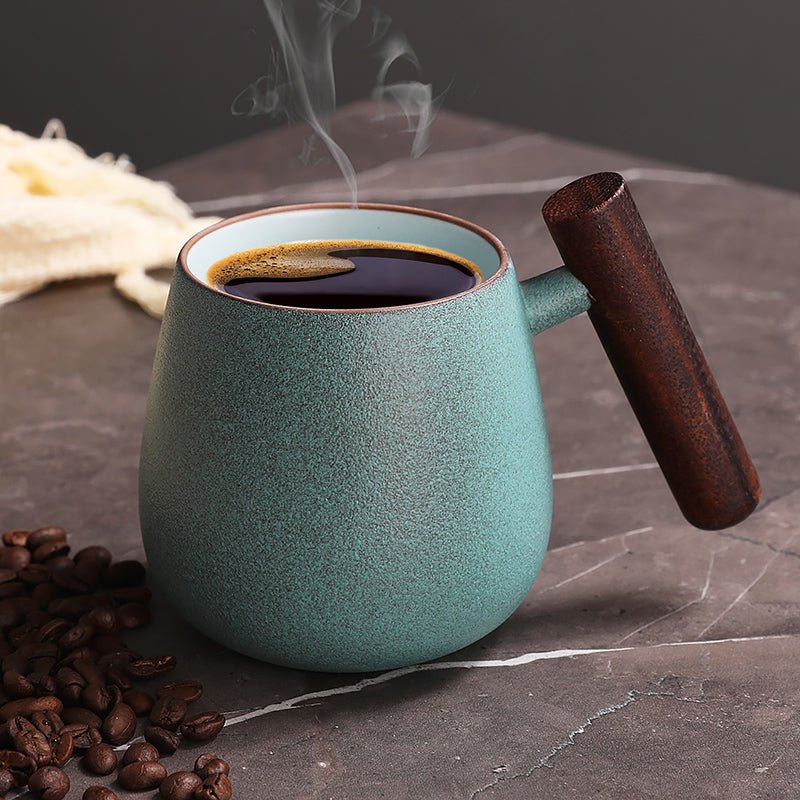
Insulated Travel Coffee Mug Buying Guide: What Actually Matters
A practical guide to choosing an insulated travel coffee mug that stays hot, fits your commute, and avoids the common lid and leak problems we see most often.
Read more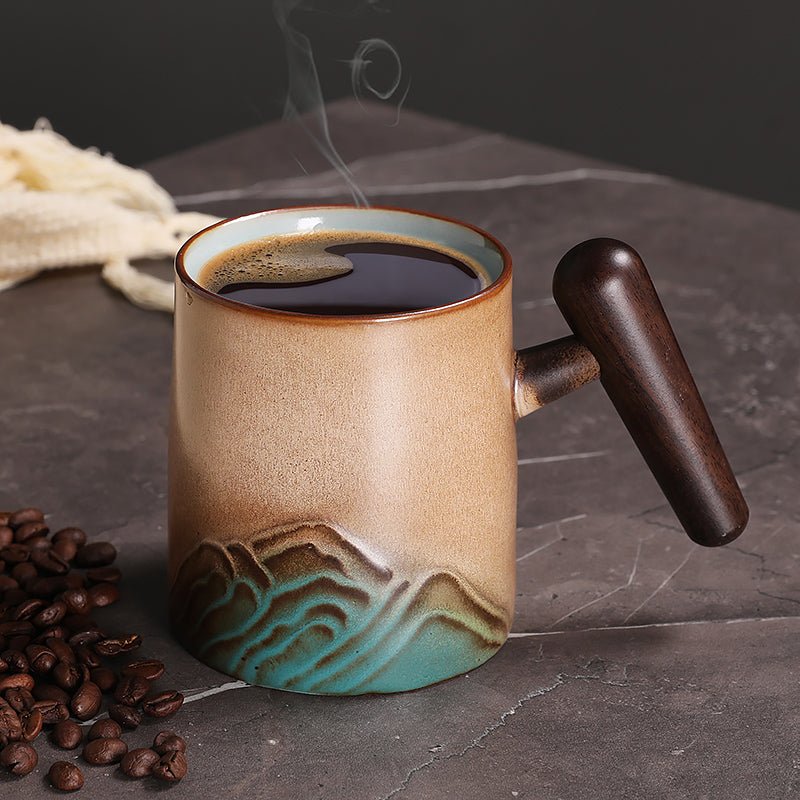
Mountain Mug Buying Guide: Sizes, Materials, and Gift Picks
A practical guide to choosing a mountain mug for everyday coffee, gifting, or desk use. We cover sizes, materials, care, and the trade-offs that matter before you buy.
Read more
Los kommentaar
This site is protected by hCaptcha and the hCaptcha Privacy Policy and Terms of Service apply.