
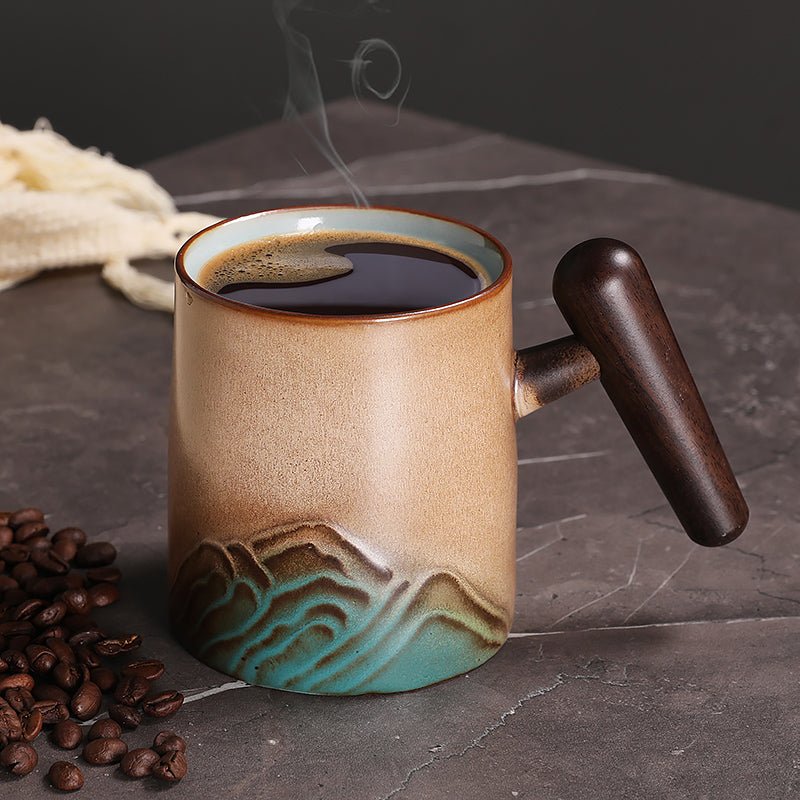
Large Coffe Mugs: How to Choose the Right Size, Shape, and Material
Reading time: about 9 minutes
A 16 oz mug sounds generous until it steals space under a kitchen cabinet or bumps the edge of an office shelf. That is where large coffe mugs become a practical decision, not a style choice. In our store, the mugs that get picked up most often are the ones that feel balanced in the hand, fit a normal coffee pour, and survive daily washing without fuss.
If you are comparing options now, start with the basics and work backward from your routine. We see buyers make better choices when they ask a simple question first: do I want a mug that holds more, or one that drinks better? Those are not always the same thing.
For a broader comparison, our buyer's guide to large capacity coffee mugs covers the bigger category, while Large Coffee Mugs: How to Choose the Right Size, Shape, and Material goes deeper on the same trade-offs from a different angle.
What size counts as a large mug for everyday coffee?
For daily use, most shoppers land somewhere between 14 oz and 20 oz. Below that, the mug starts to feel standard rather than large. Above that, the mug can still be useful, but it begins to behave more like a bowl-shaped drinking vessel than a normal coffee mug.
We usually separate large mugs into a few practical buckets:
| Capacity | How it feels in hand | Best for | Main trade-off |
|---|---|---|---|
| 14 to 16 oz | Comfortable, familiar, easy to lift | Drip coffee, tea, smaller lattes | Less room for milk, foam, or extra top-offs |
| 18 to 20 oz | Noticeably larger, but still usable at a desk | Long coffee sessions, hot chocolate, bigger pours | Can feel bulky if the handle is small |
| 24 oz and up | Heavy, wide, and more demanding to hold | Shared drinks, oversized servings, people who refill less often | Not ideal for tight cabinets, small hands, or quick sipping |
The right size depends on how you actually drink. A person who pours one strong cup and finishes it before breakfast often does better with 14 to 16 oz. Someone who likes to add milk, pour a second refill, or keep a mug on the desk for an hour usually prefers 16 to 20 oz. If you want a mug that works for soup, cocoa, and oversized coffee, 20 oz can make sense, but it is no longer the best all-around choice for everyone.
Which material holds up best in daily use?
Material changes the feel more than most buyers expect. Two mugs with the same capacity can behave very differently in the hand and in the dishwasher.
Ceramic is the most familiar option for large mugs. It usually gives you a smooth drinking rim, easy cleanup, and enough weight to feel stable on a table. The trade-off is brittleness. A ceramic mug can chip at the rim, crack if dropped into a sink, or develop a problem at the handle join after repeated hard knocks.
Stoneware tends to be thicker and heavier. That extra wall thickness helps it hold heat a little longer and makes it feel sturdy on a kitchen counter. The downside is bulk. A thick stoneware mug can be too heavy for someone who prefers a lighter cup, especially when full.
Porcelain is usually lighter and more refined in the hand. It often has a thinner lip, which some people like for drinking, but it can show chips more quickly if it gets banged against other dishes. For gifting, porcelain often looks polished. For rough desk use, it is not always the best match.
Glass gives a clear view of the drink and can work well for layered drinks, but it cools faster in the hand and can show stains, water marks, and scratches more readily than glazed ceramic.
The simplest rule we use is this: if you want the toughest everyday feel, choose a well-made stoneware or ceramic mug with a stable base and a smooth glaze. If you want a lighter, more polished look for gifting, porcelain is attractive, but it asks for a little more care.
If you are comparing materials against shape and rim feel, the article Extra Large Ceramic Coffee Mugs: What Buyers Should Check is a useful companion read.
What shape is easiest to drink from?
Shape affects heat, grip, and comfort. A wide mug cools a little faster because the surface area is larger, but it is easier to stir and easier to add milk or foam. A taller mug keeps the drink more compact, which can help with heat retention, but it can feel top-heavy once it is full.
Here is what we look for when we handle a mug in person:
- Handle clearance: your fingers should not press into the mug body while you grip it.
- Handle size: a larger hand usually needs a handle that allows two fingers without squeezing.
- Base width: a wider foot or base helps prevent tipping on a crowded desk.
- Rim thickness: a thin, even rim drinks better than a thick, uneven one.
- Wall shape: straight sides feel more modern, while a slight taper often feels easier to hold.
A broad, bowl-like mug is not the best choice for commuting or carrying between rooms. It is also not the best pick if you keep mugs packed tightly in a narrow cabinet. On the other hand, if you drink slowly at a kitchen table or an office desk, that same shape may feel more comfortable than a tall narrow cylinder.
How do you spot a mug that will last?
In our experience, the problems that annoy buyers later are usually easy to miss in a product photo. A mug can look large and attractive online, then disappoint after the first dishwasher cycle or after a minor bump into the sink.
These are the checks we recommend before buying:
- Look at the rim. A smooth drinking edge matters. Rough glaze, tiny chips, or uneven thickness can make a mug feel cheap in daily use.
- Check the handle join. The handle should flow into the body cleanly, with no visible weak point or sharp transition.
- Inspect the base. A flat, stable foot ring keeps the mug from wobbling on a counter or desk.
- Ask about care. If you want less maintenance, look for dishwasher-safe and microwave-safe guidance that matches how you actually use it.
- Watch for common defects. Hairline crazing, pinholes in the glaze, a sharp foot ring, or a mug that rocks slightly on a flat surface are all warning signs.
Those details matter more on large mugs because the extra size puts more stress on the handle and the base. A tiny flaw on a small mug can be harmless. On a bigger mug, that flaw can turn into the reason you stop using it.
If you want a second pass on the check-before-you-buy step, Coffee Mugs Extra Large: What to Check Before You Buy and Extra Large Coffee Mugs: What to Look for Before You Buy both line up with this same buying logic.
Which large mug fits your routine best?
Different buyers need different mugs. That sounds obvious, but it is where most rushed purchases go wrong. The right mug for a home brewer is not always the right mug for a desk worker, and a good gift mug is not always the best everyday mug.
- For morning drip coffee: a 14 to 16 oz ceramic or stoneware mug is usually the safest choice. It feels normal in the hand and still gives you room for milk.
- For milk-heavy drinks: 16 to 18 oz gives you enough space without making the mug feel oversized.
- For long office sessions: 18 to 20 oz can be useful if you want fewer refills, but only if the handle is comfortable and the base is stable.
- For gifting: a clean, balanced shape tends to work better than the biggest possible size. The mug should feel generous without being awkward.
- For tea or hot chocolate: a wider mug often feels better than a tall narrow one, especially if you like adding extras.
Our related guide Big Mugs Coffee: How to Choose the Right Large Mug for Daily Use is useful if your main concern is everyday comfort rather than just volume. If your priority is the overall shape and material balance, Large Ceramic Coffee Mugs: What Buyers Should Check First is the better follow-up.
For shoppers who want a clean place to compare options, our products page shows the current range, and the full collection makes it easier to compare styles side by side.
What should you check before you buy from our store?
Before you choose, we suggest a quick checklist. It keeps the decision simple and prevents the usual regret points after the mug arrives.
- Capacity: decide whether you want 14 to 16 oz, 18 to 20 oz, or something larger.
- Grip: make sure the handle fits your hand without crowding your fingers.
- Material: choose ceramic, stoneware, porcelain, or glass based on how you wash and use it.
- Stability: check that the base looks flat and the mug does not seem top-heavy.
- Care: confirm dishwasher and microwave handling if that matters in your kitchen.
That short list covers most of the buying mistakes we see. The mugs that work best are rarely the biggest ones. They are the ones that fit the person, the shelf, and the washing routine.
Frequently asked questions
What size is considered a large coffee mug?
Most buyers think of 14 oz and up as large, with 16 to 20 oz being the most useful range for everyday coffee. Once you get past 20 oz, the mug starts to feel oversized for many kitchens and desks. That does not make it bad, but it does make fit and handle comfort more important.
Are large mugs too big for daily use?
Not if the size matches your drink. A 16 oz mug is easy to live with for most people, while a 20 oz mug makes sense if you add milk or want fewer refills. Very large mugs can be awkward for small hands, tight cabinets, and quick one-cup routines.
Which material is easiest to care for?
Glazed ceramic is usually the easiest balance of care and comfort. It is simple to wash, familiar to use, and common in dishwasher-safe styles. Stoneware is also durable, but it tends to be heavier. Porcelain looks refined, though it can be less forgiving if it gets knocked around.
What should I check before buying a large mug online?
Check the stated capacity, the handle size, and whether the base looks wide enough to sit flat. If the product details mention care, confirm whether it is dishwasher-safe and microwave-safe. Photos that show the mug beside a hand, spoon, or coffee machine are helpful because they reveal the true scale.
Can a large mug replace a travel mug?
No. A large mug is built for home, office, or table use, not for carrying in a car or bag. If you need lid security, spill resistance, and insulation on the move, a travel mug is the better category. A large mug is about comfort and capacity, not portability.
If you want to narrow your choice now, start with the size that matches your daily pour, then compare handle comfort, wall thickness, and care instructions. From there, browse our products page or open the full collection to compare the styles that fit your kitchen, desk, or gift list.
Read more
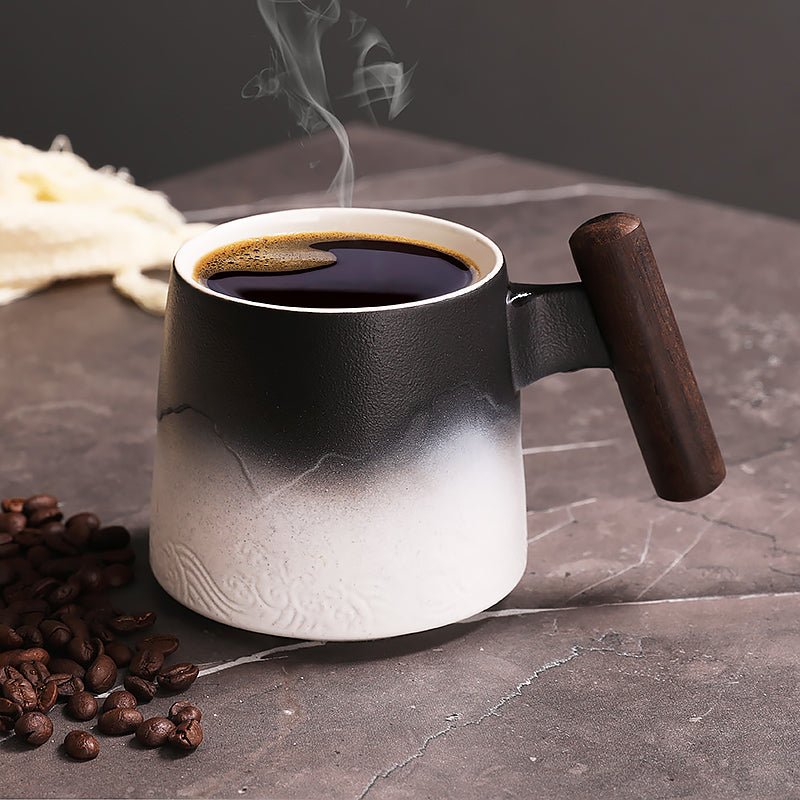
Giant Tea Mug: What to Check Before You Buy
A giant tea mug can save refills, but only if the handle, balance, material, and care instructions fit real daily use. We break down what matters before you buy.
Read more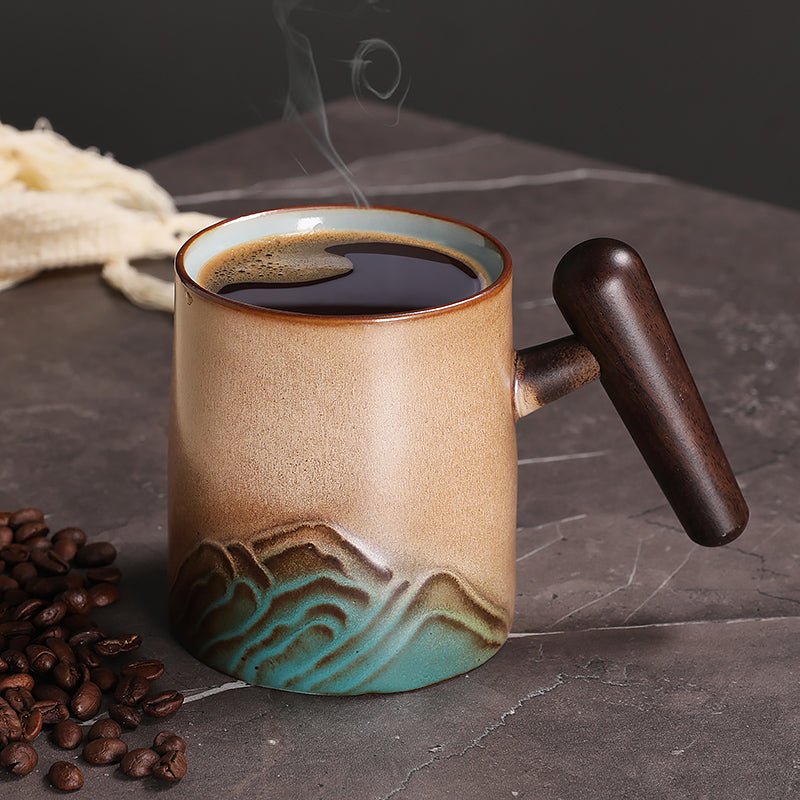
Large Mug of Coffee Buying Guide for Daily Use
A large mug of coffee is useful only if it fits your hand, your cabinet, and the way you actually drink. We break down size, material, care, and the trade-offs that matter before you buy.
Read more
Los kommentaar
This site is protected by hCaptcha and the hCaptcha Privacy Policy and Terms of Service apply.