
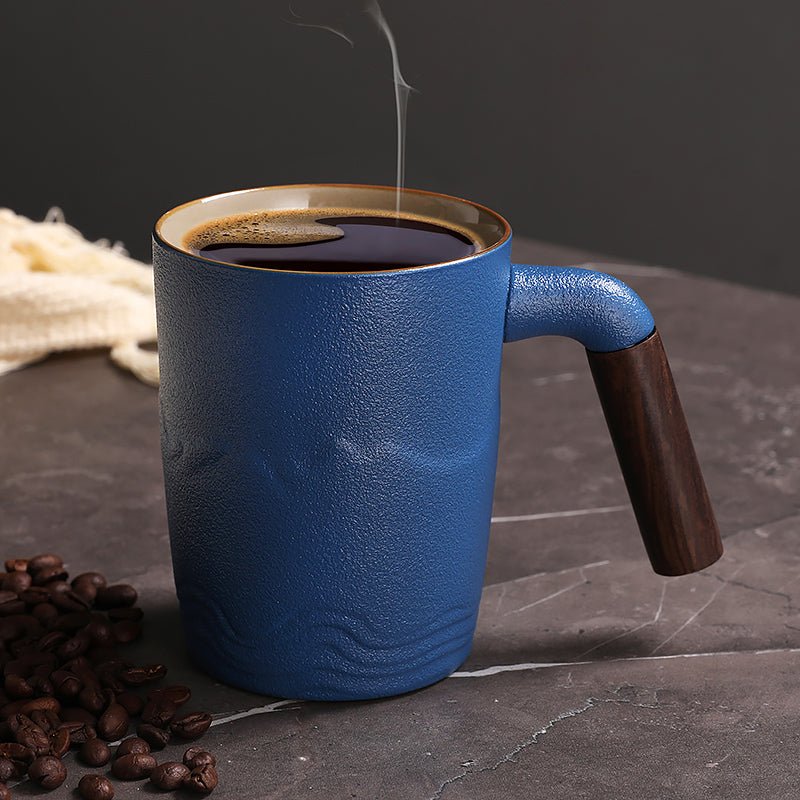
Kintsugi Coffee Mug Buying Guide: What to Check Before You Buy
Reading time: about 9 minutes
A kintsugi-style mug is usually the piece people pick up first and keep turning in their hands. The crack-line look catches the eye fast, but the real question is simpler: does it feel good to drink from, and will it hold up on a normal kitchen shelf, office desk, and dishwasher cycle?
We see that trade-off all the time in our store. Some buyers want a mug that feels like a gift. Others want a daily driver with enough visual character to make morning coffee feel less routine. A good kintsugi coffee mug should do both, but not every mug with that look is built the same way.
If you want to browse our broader range first, start with our full collection. If you already know you want a piece with a more artful, giftable feel, the options below are worth a close look: Green Waves Coffee Tea Mug, Mountain Sea II Coffee Tea Mug with Wooden Handle, and The Cloud Coffee Tea Mug Wooden Handle.
What makes a kintsugi coffee mug worth buying?
Real kintsugi is the Japanese repair art that highlights a break instead of hiding it. Most mugs sold as “kintsugi” today are inspired by that look rather than repaired ceramics. That matters, because you are usually shopping for design, not for an actual restoration piece.
For daily use, we look at three things first:
- Surface finish: the gold-line or crack-line detail should be clean, not blotchy or fuzzy.
- Drinkability: the rim should feel smooth and comfortable, especially if you sip coffee black.
- Handle balance: a mug can look beautiful and still feel awkward if the handle is too narrow, too upright, or too thin for a full cup.
That is where a lot of buyer regret starts. People fall for the look, then discover the mug is either too delicate for real use or too decorative for an everyday desk. We try to recommend pieces that are attractive enough for gifting but practical enough to live on the mug rack.
Our rule in the store is simple: if a mug only works as decor, we say so. A kintsugi coffee mug should earn counter space, not just shelf space.
Which materials and finishes should you check first?
The safest way to evaluate a kintsugi coffee mug is to read the product details like a buyer who has had to wash it three times a week. Material, glaze, and handle style affect both feel and durability.
In this category, you will commonly see ceramic bodies, glazed interiors, and decorative exterior finishes. Ceramic is the common choice because it holds heat reasonably well, feels solid in the hand, and usually gives the best canvas for the kintsugi-inspired linework. The trade-off is weight: some ceramic mugs feel reassuringly sturdy, while others can feel heavy once filled.
Watch for these practical details:
| What to check | Why it matters in real use |
|---|---|
| Wall thickness | Thicker walls usually feel sturdier and help the mug hold heat a bit longer, but they can add weight. |
| Glaze consistency | A smooth glaze is easier to clean and less likely to show staining from coffee and tea over time. |
| Handle style | A wooden handle can be more comfortable to grip, but it is not the same as a fully dishwasher-safe ceramic handle. |
| Rim shape | A rounded rim is better for everyday sipping than a sharp or overly thick rim. |
One more practical note: if you plan to use the mug every day in a dishwasher, confirm the care guidance before buying. Decorative finishes and wood accents can change the equation. A mug may be durable for handwashing but still not ideal for repeated dishwasher cycles or microwave use.
Is a kintsugi coffee mug good for daily coffee, or mostly for display?
It can be either. The better pieces do both. But not every mug with a kintsugi look is the right choice for every routine.
If you drink coffee at a desk, the best mug is usually one that is stable, comfortable to hold, and not so wide that it cools too quickly. If you mostly use it for presentation, a more sculptural silhouette can make sense even if it is less practical for long sips.
Here is how we usually break it down for shoppers:
- Pick daily use if you want a mug for morning coffee, tea, or office refills.
- Pick display-first if the mug is mainly for a shelf, gift basket, or occasional guest use.
- Choose a handle style carefully if you drink large pours or tend to cradle the mug while working.
For a more detailed look at sizing before you buy, our guides on 10 oz Coffee Mug: Size, Fit, and What to Check Before You Buy and 12 oz Coffee Mug Buying Guide for Fit, Comfort, and Daily Use are helpful if you are comparing capacity and hand feel. Those size choices matter here too, especially if you want a mug that feels balanced rather than oversized.
Which styles are closest to the kintsugi look without feeling fragile?
Our store carries a few pieces that work well for shoppers who like the calm, art-forward side of kintsugi design without wanting a museum piece.
Green Waves Coffee Tea Mug is a good option if you want something that feels organic and visual without being overly ornate. The wave pattern gives it movement, which pairs well with the repaired-line feel many shoppers associate with kintsugi-inspired ceramics.
Mountain Sea II Coffee Tea Mug with Wooden Handle leans more rustic. The wooden handle changes the experience immediately: it feels warmer in the hand and gives the mug a more handcrafted look. The trade-off is obvious. Wood can be less forgiving than a fully ceramic handle if you want a mug for heavy dishwasher use.
The Cloud Coffee Tea Mug Wooden Handle is the softest-looking of the three. It works well for buyers who want a gentler, quieter tabletop presence. In our experience, this kind of mug is a strong gift pick because it looks intentional on a kitchen counter, not generic.
If you want to compare all available styles side by side, our collection page is the fastest way to see what fits your kitchen, office setup, or gift list.
What are the trade-offs before you buy?
A kintsugi coffee mug is usually chosen for aesthetics first, so the trade-offs should be clear before checkout.
- It may not be the best choice for rough daily handling. If you drop mugs often or stack them tightly in a cabinet, a simpler, thicker mug may be smarter.
- Wood-handled versions need more care. They can feel great, but they are not the easiest option for people who want a fully low-maintenance wash routine.
- Decorative finishes can show wear. If you expect constant dishwasher use, look carefully at the care notes and finish description.
- Artful mugs may not maximize capacity. Some designs prioritize shape and presence over volume, so if you want a larger office mug, compare measurements before buying.
That does not make them poor buys. It just means the best choice depends on how you actually use your mug. A kintsugi coffee mug is often the right pick for a gift, a morning ritual, or a kitchen that values objects with visual character. It is usually not the best pick if you want a purely utilitarian mug that disappears into the background.
How should you care for a kintsugi coffee mug?
Care is where shoppers make or lose value. We have seen beautiful mugs come back looking tired simply because the owner treated them like a workhorse travel mug.
Use these basics:
- Wash promptly after coffee or tea. This helps prevent staining on lighter glaze areas.
- Use a soft sponge. Abrasive scrubbers can dull decorative finishes over time.
- Dry wood accents carefully. If the mug has a wooden handle, avoid leaving moisture sitting in the joint or grain.
- Check microwave and dishwasher guidance first. Decorative or mixed-material mugs can have different limits than all-ceramic mugs.
If you are comparing common cup sizes before buying, our post on 11oz Coffee Mug: Size, Fit, Materials, and What to Check is useful for understanding how capacity affects daily comfort. A mug that looks elegant can still be annoying if it is too small for your normal pour.
For office use, we suggest thinking about spill risk too. A wide, sculptural mug can feel stable on a desk, but if your workspace is crowded with a laptop, notebook, and charger cable, a more compact body is usually easier to live with.
What should gift buyers check before choosing one?
A kintsugi coffee mug is one of those gifts that can feel thoughtful without being overly personal, which is why it works for birthdays, thank-you gifts, and housewarmings. The design signals care. Still, the details matter.
Before you buy, check:
- Handle comfort: does it look comfortable enough for the person’s hand size?
- Care level: will the recipient realistically hand wash it, or do they need something easier?
- Style fit: does the color palette match their kitchen or office?
- Daily use vs decor: are you gifting a mug for routine coffee, or a display piece with occasional use?
If you are not sure which direction to take, the most dependable choice is often a mug with strong visual character but a practical silhouette. That gives the recipient something special without making the gift too fussy to use.
Frequently asked questions
Is a kintsugi coffee mug actually repaired pottery?
Usually, no. Most kintsugi coffee mugs sold online are inspired by the kintsugi look rather than being repaired antiques. That is fine for everyday buying, but it is worth knowing so you understand you are choosing a style, not a restoration piece.
Can I put a kintsugi coffee mug in the dishwasher?
It depends on the mug’s materials and finish. All-ceramic mugs are often easier to wash in a dishwasher, but wood-handled designs should be checked carefully because the handle can change care requirements. If you want the lowest-maintenance option, choose a fully ceramic mug with clear care guidance.
Are kintsugi-style mugs good for hot coffee?
Yes, as long as the mug is made for hot beverages. Ceramic is a common choice because it handles heat well and feels comfortable in the hand. If the mug has a wooden handle, that can also make a hot drink easier to hold for longer stretches.
What size should I choose for everyday use?
For most buyers, a standard everyday size is the safest starting point, especially if the mug will be used for regular coffee or tea. If you want more context on capacity and fit, our size guides for 10 oz, 11 oz, and 12 oz mugs are worth comparing before you buy.
Is a kintsugi coffee mug a good gift?
Yes. It is a strong gift choice when you want something meaningful but not overly personal. The best picks tend to have a clean silhouette, easy-to-like colors, and a handle that feels comfortable rather than decorative only.
If you are ready to compare styles, start with the full collection and then narrow down by handle type, finish, and how much care you want to give the mug after each wash. That is the fastest way to find a kintsugi coffee mug that looks special and still fits your real routine.
Read more
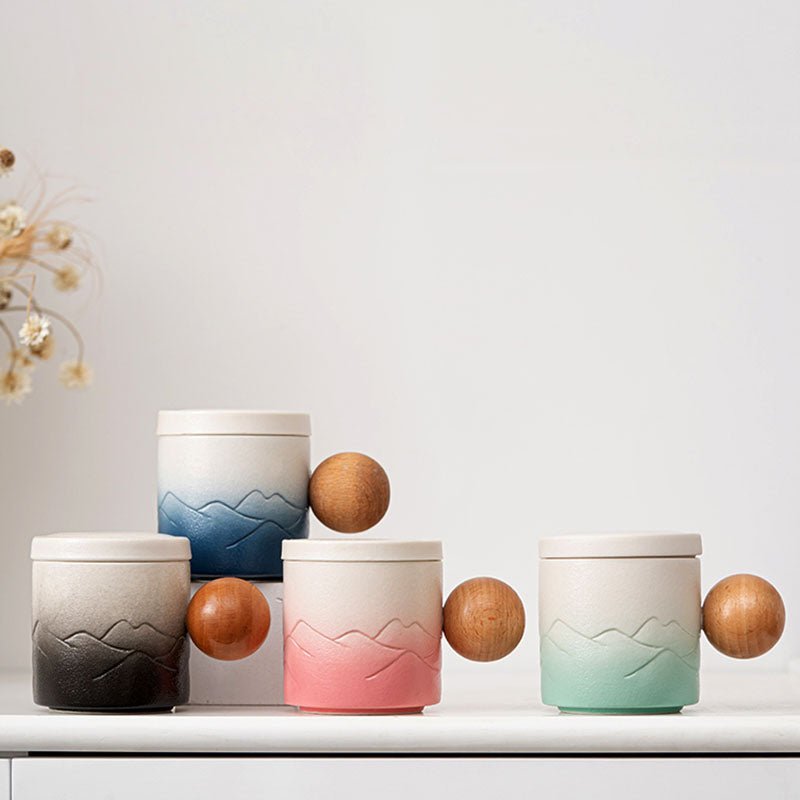
Fox Coffee Mug Buying Guide: Best Shapes, Fit, and Gift Options
A practical guide to choosing a fox coffee mug that feels good in hand, works on a desk or kitchen counter, and makes sense as a gift. We compare shapes, everyday use cases, and a few better-fit al...
Read more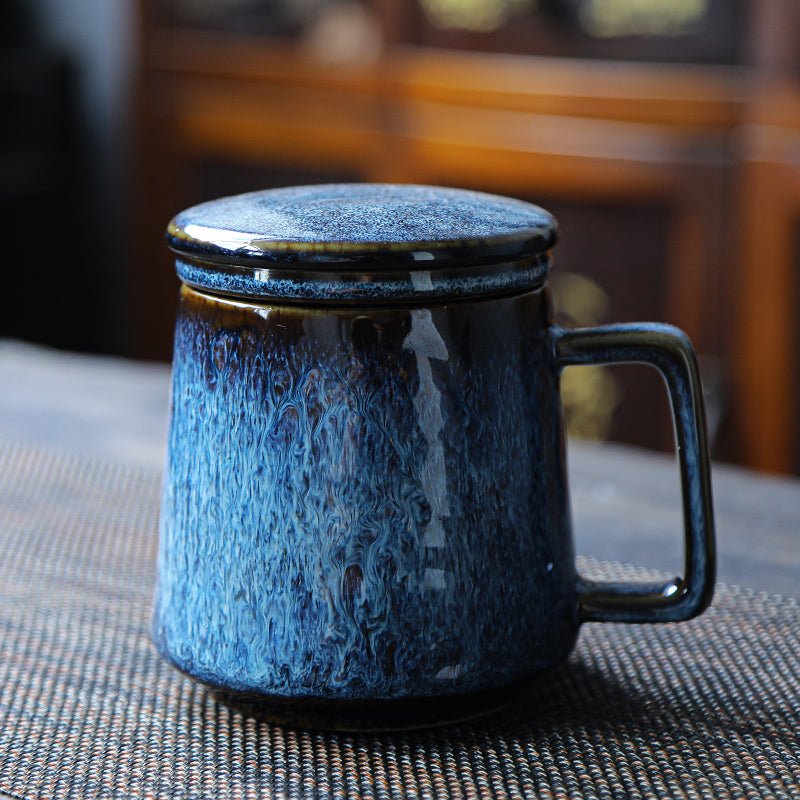
CamelBak Coffee Mug: What to Check Before You Buy
A camelbak coffee mug search usually means the buyer wants fewer spills without giving up a mug that feels good to drink from. This guide compares travel mugs and ceramic alternatives, then points ...
Read more
Los kommentaar
This site is protected by hCaptcha and the hCaptcha Privacy Policy and Terms of Service apply.