
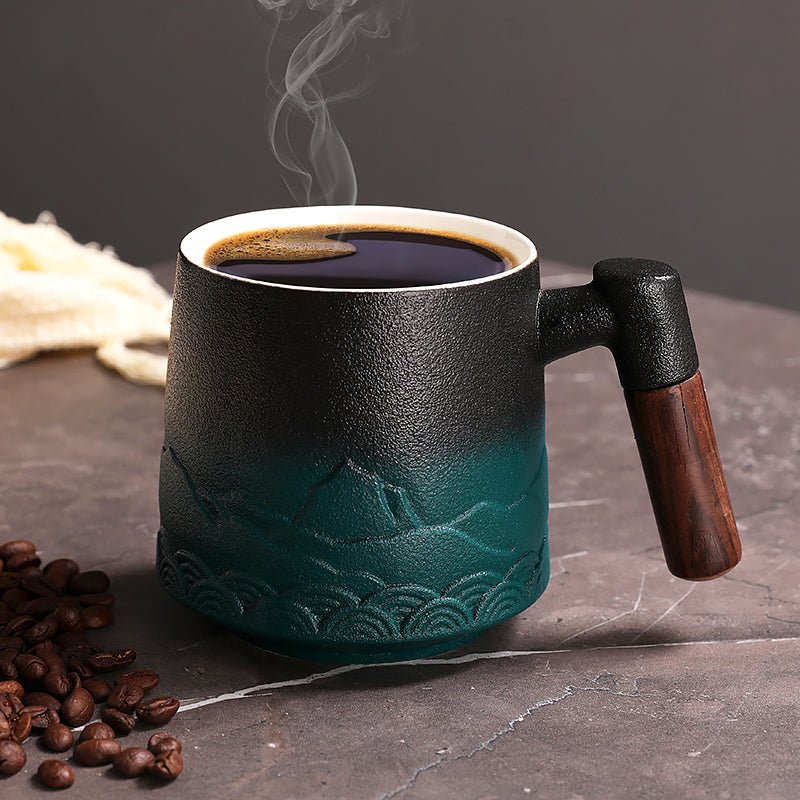
John Wayne Coffee Mug: What to Check Before You Buy
Reading time: about 9 minutes
A John Wayne coffee mug usually gets bought for one of two reasons: the buyer wants a daily coffee cup with a western look, or they want a gift that feels specific instead of generic. We see the same problem at our store all the time. A mug can look right in a photo and still fail at the kitchen counter if the handle is cramped, the print is thin, or the size is off for a regular drip brew.
If you are comparing mugs for a desk, a breakfast table, or a gift box, the details matter more than the headline graphic. We handle this category every day, and the mugs that earn repeat use are the ones that get the basics right: comfortable grip, sensible capacity, durable print, and care instructions that match the buyer's routine.
What should you check before buying a John Wayne coffee mug?
Start with the parts you can feel and use, not just the artwork. A western-themed mug can be a solid daily cup, but only if the body shape and finish are practical for the person who will actually hold it.
- Size: Check whether the mug is closer to 11 oz or 12 oz. That difference sounds small, but it changes how much room you have for coffee, milk, or foam.
- Handle clearance: Make sure the handle gives four fingers enough room without pressing against the hot mug wall.
- Material: Most buyers want ceramic for the kitchen or office. It feels familiar, stays stable on a desk, and is easier to match with other dishware.
- Print durability: Look for a clean graphic with even placement. On lower-quality mugs, the first wear usually shows at the rim, handle edge, or wrap seam.
- Care instructions: If it will be used every day, dishwasher-safe and microwave-safe matter more than novelty packaging.
We also tell shoppers to think about the setting. A mug for a home office can have a slightly heavier feel and still work well. A mug for a shared kitchen needs a straightforward shape that fits under a drip machine and rinses clean without effort.
Is 11 oz or 12 oz the better fit for daily coffee?
This is one of the first size questions we hear, and it is worth slowing down on. If the buyer drinks standard black coffee or a normal drip pour, 11 oz often feels compact and easy to finish before the coffee cools. If they like room for cream, milk, or a fuller pour, 12 oz gives a little more breathing space.
Our size-focused guides break that down in more detail: 11 oz Coffee Mug: What Buyers Should Check Before They Buy and 12 oz Coffee Mug Buying Guide for Fit, Comfort, and Daily Use. If you are choosing a gift and do not know the recipient's habits, the larger option is often the safer choice.
| Size | Best for | Main trade-off |
|---|---|---|
| 11 oz | Black coffee, smaller servings, tighter cabinet storage | Less room for milk, foam, or a generous pour |
| 12 oz | Longer coffee drinks, cream-heavy drinks, gift buyers who want flexibility | Can feel a little larger in the hand and on a crowded desk |
On a shelf, the difference looks modest. In the hand, it changes the feel of the mug fast. A good buying decision here is less about a round number and more about the buyer's actual routine.
Is a John Wayne coffee mug better as a gift or a daily mug?
It can work as either, but not every mug does both well. A gift mug needs a strong visual identity and enough polish to feel intentional when it comes out of the box. A daily mug needs comfort and repeatable performance after dishwashing and ordinary handling.
If you are buying for a fan, the western theme does most of the work. If you are buying for everyday use, the practical details matter more than the theme alone. We have seen plenty of mugs get used for the first week and then pushed to the back of the cabinet because the handle feels awkward or the cup is too small for the person who drinks a full morning coffee.
If you want a ceramic mug that still feels giftable but has a different visual direction, compare the Elk and Moon Coffee Tea Mug, the Koi Fish Coffee Tea Mug, and the The Crane Coffee Tea Mug. Those are better fits if the buyer likes illustrated mugs and wants something that reads as art first, fandom second.
If you want a broader place to compare styles and sizes, our full collection is the fastest way to see what else fits the same use case.
What materials and finish details hold up best?
For this category, ceramic is still the standard because it feels balanced, keeps coffee tasting neutral, and sits well on a kitchen counter or office desk. The details that matter are usually small: wall thickness, glaze quality, print clarity, and how the handle joins the body.
In our experience, these are the failure modes buyers notice first after a few real uses:
- Rim wear: If the lip is rough or uneven, it becomes obvious the first time someone drinks straight black coffee.
- Handle stress points: A handle that looks fine in photos can still feel too narrow or awkward if the opening is shallow.
- Print fade: Decorative graphics can dull over time if the coating is weak or the mug is constantly run through aggressive dish cycles.
- Thermal shock: Pouring boiling water into a cold mug, then rinsing it under very cold water, can be hard on lower-quality ceramic.
We tell buyers to read care language closely. If a listing says dishwasher-safe, that is useful, but the top rack is still the safer habit for any mug with a decorative exterior. If it says microwave-safe, that matters only when there is no metallic accent or foil-style decoration. A mug that needs hand-washing is not a bad mug, but it is a bad choice for someone who wants a grab-and-go desk cup.
This is also where the difference between a display piece and a daily-use mug shows up. A display piece can get away with a fragile finish. A daily mug cannot. If the buyer wants something that will live on a desk, go through regular dishwasher cycles, and still look presentable after a month of use, the finish has to be straightforward and durable.
What should you avoid if you want something practical?
Some mugs look strong but are not the right tool for everyday coffee. A John Wayne coffee mug is not the best fit if the buyer needs an insulated travel cup, a mug that fits in a car holder, or a very large pour for cold brew and milk-heavy drinks.
It is also not ideal if the person is rough on dishware and wants a mug that can be tossed in a bag without concern. For that use, a tumbler or travel mug makes more sense. We would rather say that clearly than pretend every mug works for every routine.
Here is the practical cutoff we use:
- Choose a ceramic coffee mug for home, office, or gift use.
- Choose a travel mug if the buyer drinks in the car or commutes with coffee.
- Choose a larger mug if the recipient adds a lot of milk, sugar, or ice.
- Choose a decorative mug only if the buyer is comfortable treating it as both utility and display.
That trade-off is normal. A better mug is not the fanciest one. It is the one that fits the way the person already drinks coffee.
How do we help buyers narrow it down fast?
If you are still comparing, start with the actual use case. A buyer who wants a western-theme desk mug should look for comfort and daily durability first. A buyer who wants a gift should focus on size, graphic clarity, and whether the design feels like it will land well with the recipient.
We also recommend using the size guides as a shortcut. The title of the mug matters less than how it feels after the first refill, and that is where the comparison guides earn their keep. If you are balancing fit and capacity, the right choice becomes much easier once you compare the mug against real use, not just the product photo.
For a deeper comparison, the checklist in John Wayne Coffee Mug: What Buyers Should Check Before They Buy is a useful starting point before you click purchase.
Frequently asked questions
Is a John Wayne coffee mug good for everyday use?
Yes, if it is a ceramic mug with a comfortable handle and care instructions that match daily washing. The key is not the theme alone, but whether the mug can handle regular kitchen use without feeling awkward or fragile. If the listing is decorative-only or hand-wash-only, it is better as a display piece.
What size should I choose for a John Wayne coffee mug?
For straight drip coffee, 11 oz is a safe everyday size. If the buyer likes more room for milk, cream, or a fuller pour, 12 oz is usually the more forgiving option. If you are unsure, choose the size that fits the person's usual cup rather than the one that looks larger in photos.
Can a decorative coffee mug go in the microwave?
Only if the product listing says microwave-safe and the mug does not have metallic accents. Decorative mugs can vary a lot in their finishes, so do not assume every printed mug is microwave-safe. When in doubt, use a standard ceramic mug with plain decoration and clear care instructions.
What should I look for if I am buying it as a gift?
Look for a clear graphic, a shape that feels stable in the hand, and a size that works for most coffee drinkers. Gift buyers usually do best with a mug that is easy to display and easy to use, not one that depends on a very specific habit. Good packaging helps, but the mug itself still has to feel solid.
What if I want a western-style mug but not a John Wayne design?
Then compare similar ceramic mugs by shape, size, and print style before you decide. Our full collection is the quickest way to browse other options and see whether a different design fits the recipient better. That is often the smarter move if the buyer wants the feel of the theme without a specific name on the mug.
If you are deciding today, compare the 11 oz and 12 oz size guides, check the care instructions, and then browse our full collection to pick the mug that fits the way you actually drink coffee.
Read more
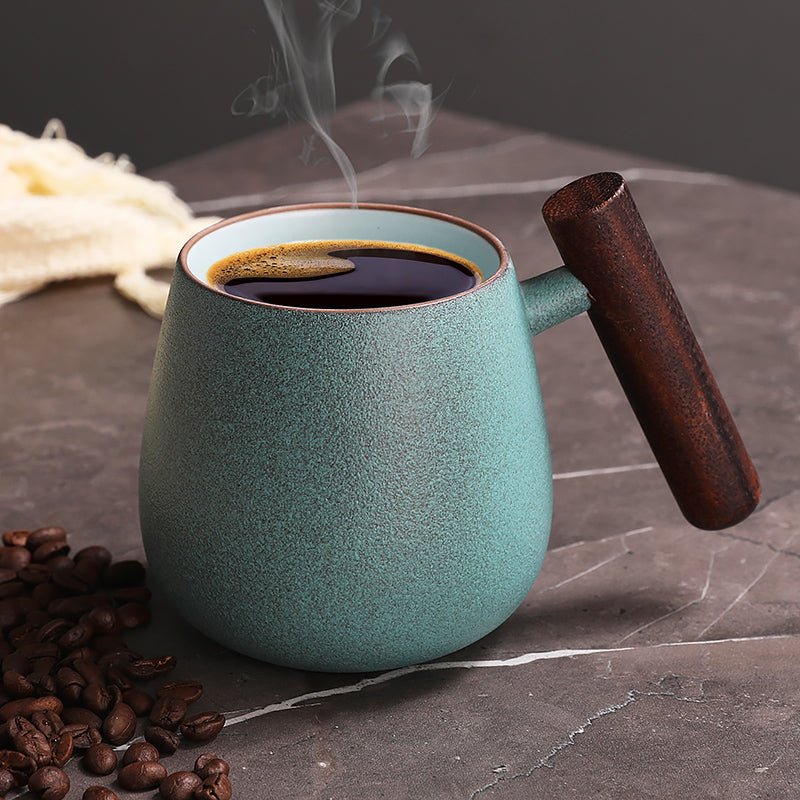
HydroJug Coffee Mug: What to Check Before You Buy
A practical buyer’s guide to the hydrojug coffee mug, covering fit, size, lid use, and what matters if you actually drink from it at a desk or on the go. We also point to mugs that make more sense ...
Read more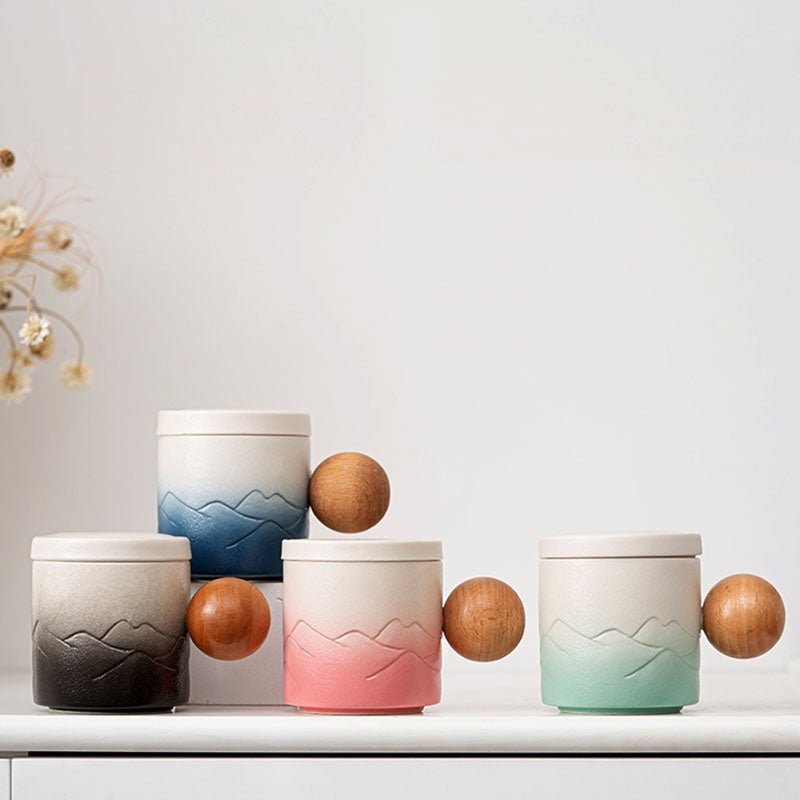
Ohio State Coffee Mug Buying Guide for Size, Fit, and Daily Use
A practical guide for comparing an Ohio State coffee mug before you buy. We focus on size, handle comfort, finish quality, and which styles actually work for desks, kitchens, and gifts.
Read more
Los kommentaar
This site is protected by hCaptcha and the hCaptcha Privacy Policy and Terms of Service apply.