
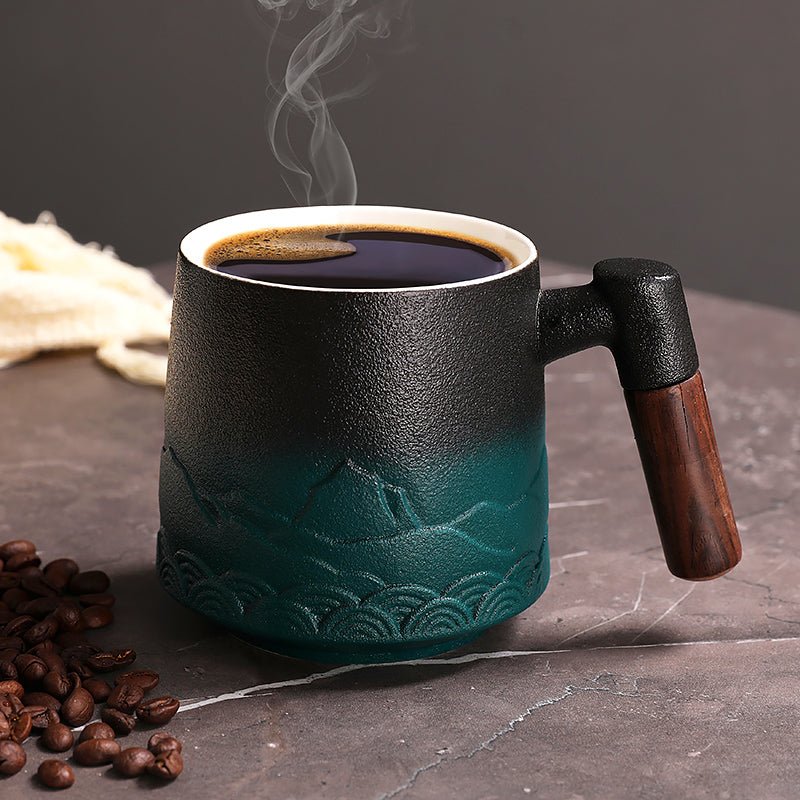
Intazza Coffee Mug & Grub: What Buyers Should Check Before Ordering
Reading time: about 9 minutes
We see this a lot in our store: someone searches for intazza coffee mug & grub, then lands on a page where the product name is unclear and the details are even less clear. That is usually the point where buyers slow down. They want to know if the mug is ceramic or stainless steel, how much it holds, whether it fits a standard coffee machine setup, and if it will survive normal dishwasher use.
This guide is built for that exact moment. If you are comparing options before buying, we will keep it practical and specific. We also keep the focus on the kind of checks that prevent disappointment later — the same checks we use when we evaluate mugs for our own catalog and customer questions. If you want to browse our current mug range directly, start with our products page or compare everything in our full collection.
What does a buyer usually mean by intazza coffee mug & grub?
Most shoppers typing intazza coffee mug & grub are not just looking for a name. They are trying to identify a specific mug listing, a brand-style gift, or a cup that matches a casual coffee setup. In practice, that means the useful questions are the same ones we hear every day: what is the mug made of, how big is it, and how fussy is it to live with?
We handle this category with a simple rule: a good mug should feel stable in the hand, fit the drink you actually make, and be easy to wash after a normal day. That sounds basic, but plenty of mugs fail one of those points. Some look nice online and feel too light or too thin in person. Others hold more liquid than expected and become awkward under an espresso machine or on a crowded office desk.
If your search started with a brand or phrase you saw somewhere else, the safest next move is to compare the real product details instead of relying on the name alone. For shoppers who want a broader buying checklist, our article on Best Coffee Mug: What Actually Matters for Daily Use covers the core features we think matter most.
What size and capacity should you check first?
Size is usually the first place buyers get caught out. A mug can look standard in photos and still turn out too tall for a pod machine or too wide for a car cup holder. We recommend checking the stated capacity, the rim diameter, and the height before you buy.
Here is how we think about common mug sizes in real use:
- 10 to 12 oz: better for espresso drinks, smaller pours, or people who do not want their coffee cooling off too slowly.
- 14 to 16 oz: the most forgiving everyday size for drip coffee, tea, and desk use.
- 20 oz and above: useful for long work sessions or large pours, but heavier and sometimes awkward for small hands or shallow machine clearance.
We go deeper on larger formats in 20 oz Coffee Mug: What to Check Before You Buy and Big Coffee Cups: What to Check Before You Buy a Large Mug. Those guides are useful if you are deciding between an all-day mug and something more compact.
One real-world detail people miss: the usable fill line is usually lower than the brim. A mug listed as 16 oz may comfortably hold less once you leave room for milk, foam, or a stir. That matters if you actually drink from it at a desk and not just in a product photo.
Which materials make the most sense for daily coffee use?
For most shoppers, the real choice is between ceramic, porcelain, glass, and insulated metal. Each has a different feel on the counter and a different tolerance for daily wear.
| Material | What it feels like in use | Where it works well | Trade-off |
|---|---|---|---|
| Ceramic | Solid, familiar, good heat retention | Home kitchens, office desks, gift sets | Can chip if knocked against a sink or plate rack |
| Porcelain | Smoother, often lighter than stoneware | Branded gifts, cleaner tabletop look | Can feel delicate if the walls are thin |
| Glass | Good for visible layering and specialty drinks | Lattes, iced coffee, presentation-focused use | Shows fingerprints and can feel less forgiving |
| Insulated metal | Durable and practical for travel | Commutes, outdoor use, long hot-hold times | Less of a classic mug feel; some buyers dislike the taste perception |
In our experience, ceramic is still the easiest choice for most home buyers because it balances feel, cleaning, and price expectations without getting too technical. That said, ceramic is not the best pick if you are rough on dishes or you want something that can bounce around in a bag. For that, a travel tumbler usually makes more sense.
If you are comparing against a travel format rather than a standard mug, our guide to Best Travel Coffee Mug: What to Check Before You Buy is the right next read.
What details separate a decent mug from one that disappoints?
A mug can look fine in photos and still be annoying to use every morning. We pay attention to the details that usually show up only after a few dishwasher cycles or a week on a desk.
1. Rim thickness
A thinner rim usually feels better for sipping. A very thick rim can make coffee feel hotter on the lips, and some buyers find it clunky. On the other hand, ultra-thin rims can chip more easily if the mug is handled carelessly.
2. Handle shape and clearance
Check that two or three fingers fit comfortably through the handle without squeezing. A handle that looks stylish but is too narrow becomes irritating fast, especially if you drink multiple cups a day. We have seen customers return mugs for this exact reason.
3. Base stability
A mug should sit flat without wobbling. Small defects in the foot ring or a slightly uneven base can make a mug feel cheap even when the print or glaze looks good.
4. Glaze and finish
Glossy finishes are easy to wipe down, while matte finishes can show utensil marks more easily. Dark glazes can hide stains better, but they may also reveal chips more sharply at the edge. None of these are deal-breakers. They are trade-offs.
For shoppers who care about everyday performance more than novelty, our article Best Mug to Drink Coffee: What Actually Works Every Day is a good companion piece.
How should you care for the mug so it lasts?
Care is one of the easiest things to overlook, and one of the main reasons a mug ages badly. If the product listing says dishwasher safe, that usually means the base mug is fine on the top or regular cycle, but printed graphics, metallic accents, or delicate glazing may still need gentler handling. We always tell buyers to check the product-specific care notes instead of assuming all mugs behave the same.
From a practical standpoint, here is the routine we recommend for most standard ceramic mugs:
- Rinse soon after use so coffee oils do not sit and stain.
- Use a soft sponge for the inside if the mug has a printed design.
- Avoid sudden temperature shocks, like pouring boiling liquid into a cold mug straight from the cabinet.
- Do not stack heavy mugs on top of one another if the glaze edge is thin or decorative.
There are also limits. A decorative mug is not the best choice for someone who microwaves coffee several times a day and leaves the cup in a crowded sink. If that sounds like your routine, a simpler, thicker-walled mug is the safer buy.
Is intazza coffee mug & grub a good gift choice?
It can be, but only if the presentation and the use case line up. A mug gift works best when the recipient actually drinks coffee at home or at work, and when the mug size suits their habit. A large 20 oz mug is great for a desk drinker who wants one refill instead of two. It is less useful for someone who likes a small cappuccino or uses an espresso machine with limited clearance.
We see the best gift results when the packaging feels intentional and the mug itself is easy to live with. That means a stable base, a comfortable handle, and a design that does not depend on a trend the recipient may not care about six months later. If you are comparing gift-style mugs against more novelty-forward options, our posts on Bad Dragon Coffee Mug Meaning: What Buyers Should Know and Bad Dragon Coffee Mug: What to Check Before You Buy show how much the intended audience changes the buying decision.
We have found that the mug most likely to get used every day is not the flashiest one. It is the one that clears the dishwasher, fits the hand, and does not need babying on the counter.
What should you compare before adding one to cart?
If you are close to buying, slow down for one final pass. This is the checklist we use in our store when we compare mugs side by side.
- Capacity: Does the stated size match the amount of coffee you actually drink?
- Dimensions: Will it fit your machine, cabinet, or desk setup?
- Material: Ceramic for everyday home use, insulated metal for travel, glass for presentation.
- Handle: Comfortable grip, enough finger clearance, no awkward angles.
- Care: Dishwasher safe? Microwave safe? Any printed or metallic parts that need extra caution?
- Finish: Glossy, matte, or textured — and how will that age with normal washing?
If you want to compare the full set of options we currently carry, the cleanest place to start is our products page. If you prefer to browse everything in one place first, use our full collection and narrow from there.
Frequently asked questions
Is intazza coffee mug & grub a standard ceramic mug?
That depends on the exact listing you are looking at. Before buying, check the material field, capacity, and care notes rather than assuming the name tells you everything. A standard ceramic mug is the most common choice for everyday coffee, but it is not the only version shoppers search for under that phrase.
Will a 16 oz mug fit under most coffee machines?
Not always. The mug may hold 16 oz, but the height and handle shape can still be too large for some pod machines or espresso setups. Always compare the mug height and mouth width with your machine clearance before ordering.
Can I put a printed coffee mug in the dishwasher?
Sometimes yes, but not automatically. Printed mugs, metallic accents, and matte specialty finishes often need gentler care than plain glazed ceramic. If the listing does not clearly say dishwasher safe, treat it as hand-wash preferred until you confirm.
What is the best mug size for office use?
For most desks, 14 to 16 oz is the most practical range. It gives enough room for coffee with milk without becoming too heavy or taking up too much desk space. If you drink slowly over long meetings, a larger mug may work better, but it will be bulkier to handle.
What should I buy instead if I want travel use, not a home mug?
Choose a travel coffee mug or insulated tumbler instead of a standard ceramic mug. Travel use needs a lid, better spill control, and a body that can handle movement in a bag or car. A regular mug is better for the kitchen, desk, or dining table, not commuting.
If you are ready to compare options, start with the mug size and care checklist above, then browse our full collection or jump straight to our products page to match the mug to your daily routine.
Read more
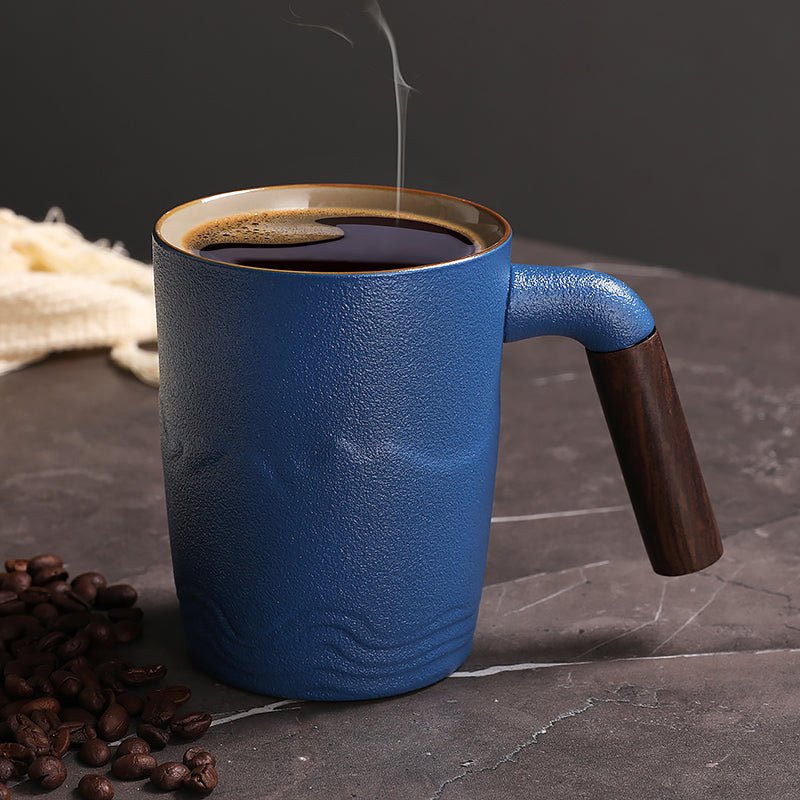
Fellow Coffee Mug: What Buyers Should Check Before Ordering
A practical buyer’s guide to choosing a fellow coffee mug, with the details that matter on a kitchen counter, office desk, or gift order. We cover size, materials, lid fit, heat retention, and wher...
Read more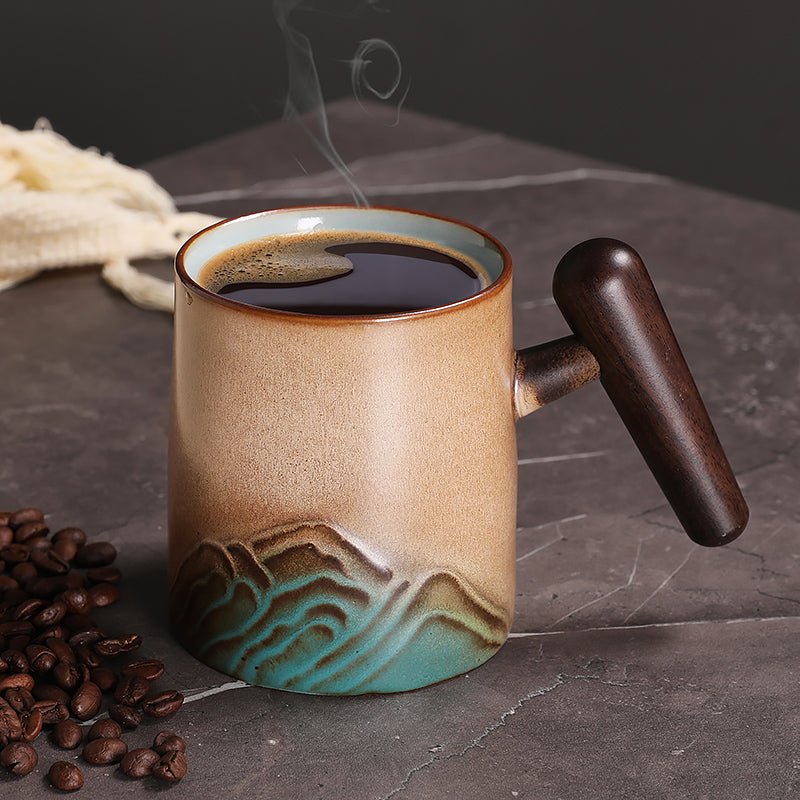
Coffee Mug Tree: What to Check Before You Buy
A coffee mug tree should solve counter clutter, protect mug handles, and make your everyday cups easy to grab. Here’s what to check so you buy one that fits your mugs, space, and cleaning routine.
Read more
Los kommentaar
This site is protected by hCaptcha and the hCaptcha Privacy Policy and Terms of Service apply.