
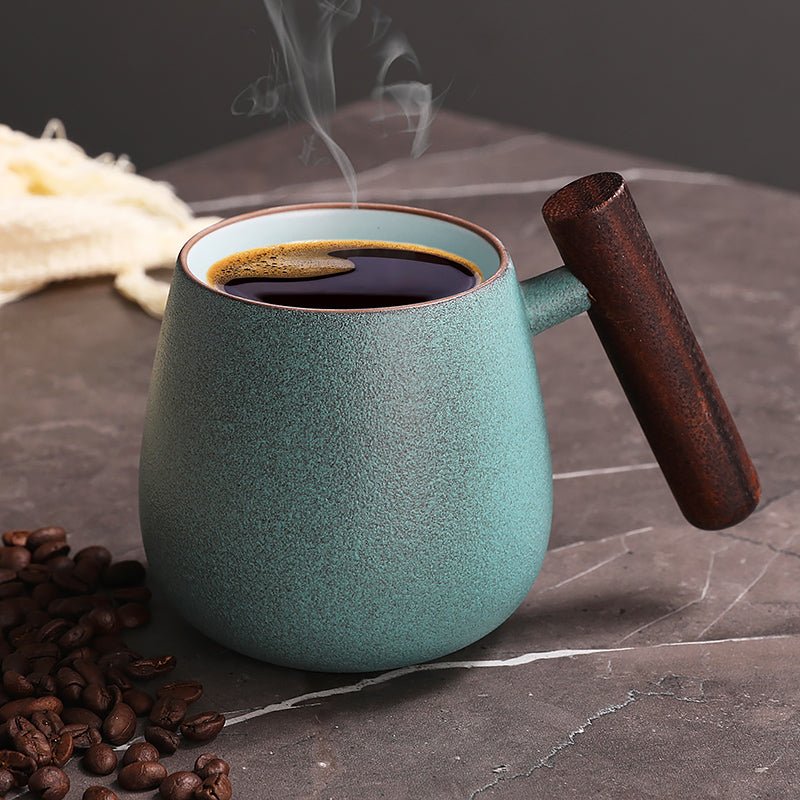
How Many Oz in a Coffee Mug? A Practical Size Guide
Reading time: about 9 minutes
How many oz in a coffee mug, really?
A mug on the counter can look generous until you pour the coffee and realize the useful space runs out faster than you expected. That is the part shoppers feel in real life: the ounce number on the page is not always the same as the amount you actually want to drink without spilling, crowding the foam, or overfilling the rim.
In our store, we see the same pattern over and over. Buyers compare a small 8 oz cup to a large 16 oz mug and assume the bigger one is automatically better. It is not. A coffee mug is usually sold by brimful capacity, but the comfortable pour is often a little less because you need room for crema, milk, cream, or just a safe margin for carrying it across a kitchen or office desk.
If you want a broader side-by-side view, our related guides How Many Oz Is a Coffee Mug? Common Sizes and Real-World Fit and How Many Oz in a Coffee Mug? Common Sizes and What Fits Best cover the same sizing question from slightly different angles.
For shoppers who prefer to compare actual products, the clean, everyday feel of our Mountain Sea Coffee Tea Mug is a good example of the kind of mug people reach for at a desk, at the sink, or during a slow morning pour. If you want to browse more styles, start with our all mugs collection and compare shape before you compare capacity.
Which mug sizes do most buyers end up using?
There is no single standard coffee mug size, but a few ranges show up again and again in real kitchens. The most common everyday choices are 8 oz, 10 oz, 12 oz, 14 oz, and 16 oz. The right one depends on how you drink coffee, how much room you want for milk, and whether you prefer a mug that stays hot longer or one that feels generous in the hand.
| Common size | What it usually feels like | Best for | Main trade-off |
|---|---|---|---|
| 8 oz | Compact and quick to finish | Espresso-based drinks, tea, smaller pours | Not much room for cream or foam |
| 10 oz | Small-to-medium daily mug | Black coffee, flat whites, smaller home brews | Can feel tight if you like a lot of milk |
| 12 oz | Balanced everyday size | Most drip coffee, tea, mixed milk drinks | Not as roomy as people expect once you add creamer |
| 14 oz | Noticeably larger without being oversized | Longer sipping sessions, hot chocolate, bigger pours | Heavier when full and more likely to feel bulky |
| 16 oz | Large, desk-friendly mug | Latte-style drinks, refill-averse coffee drinkers | Can cool down faster if the drink is a small pour |
A helpful way to think about it is this: smaller mugs are better at keeping a drink concentrated and hot, while larger mugs are better when you want room to mix, sip, or linger. If you mostly drink one cup and move on, 10 to 12 oz is usually the sweet spot. If you like a lot of milk or want a mug that doubles as a desk companion, 14 to 16 oz makes more sense.
How do shape and fill line change the real capacity?
The ounce number tells you the brimful capacity, not necessarily the amount that feels usable. A straight-sided ceramic mug with thick walls can hold the same ounces as a wider bowl-shaped mug, but it will drink very differently. The wide mug exposes more surface area, so coffee cools faster. The thicker mug usually feels sturdier in the hand, but it also takes up more visual space and may leave less internal room than the label suggests.
That is why two mugs that both say 12 oz can feel nothing alike on a kitchen counter. One may have a narrower opening and a deeper body, which helps it hold heat. Another may be broad and shallow, which is nice for latte art or a large foam cap but not ideal if you want coffee to stay hot during a long meeting.
Handle design matters too. A comfortable handle should let two fingers slide through without squeezing. If the handle is too small, the mug feels cramped even when the capacity is right. If it is too large, the mug can feel awkward and front-heavy, especially when full.
We see the same trade-off with decoration and finish. A glossy glazed ceramic mug usually wipes down easily and handles everyday use well, but printed surfaces can show wear at the handle and rim if they are washed repeatedly on a hot dishwasher cycle. Matte finishes can look sharp on a shelf, though they may show coffee marks sooner than a high-gloss exterior.
For buyers comparing style-first mugs, the Planet Coffee Tea Mug and Spittoon Coffee Tea Mug are useful references because they show how different silhouettes change the feel of the same basic category. The design matters almost as much as the ounce number.
What size works best for different drinks?
The best mug size depends on what you actually pour into it. A lot of shoppers buy too large, then discover their black coffee gets lukewarm before they finish it. Others buy too small and end up with a mug that cannot handle milk, foam, or a second splash of cream.
- Black coffee: 8 to 10 oz usually feels right if you like a stronger cup and want it hot from first sip to last.
- Drip coffee with cream: 10 to 12 oz gives you a little breathing room without turning the mug into a bowl.
- Cappuccino or flat white: 8 to 12 oz is usually the most natural fit because the drink is not meant to be huge.
- Latte or hot chocolate: 12 to 16 oz works better if you want space for milk, foam, and a more generous pour.
- Office desk mug: 14 to 16 oz makes sense if you sip slowly and do not want to refill every half hour.
There is also a point where a mug is simply the wrong tool. If you drink straight espresso, a regular coffee mug is too large and the drink will feel lost. If you want a mug for very small servings, choose a demitasse or espresso cup instead. And if you are shopping for someone who drinks coffee black, a giant 16 oz mug is often more than they need.
What should you check before you buy?
We ask shoppers to look beyond the ounce number because the details change how the mug lives on a real counter, in a dishwasher, and in a cabinet. These are the things worth checking before checkout:
- Capacity method: Find out whether the size is measured to the rim or to a comfortable fill line. Those are not the same.
- Material: Most everyday coffee mugs are ceramic, but the thickness and finish vary. Thicker ceramic usually feels sturdier and can hold heat a bit longer.
- Handle clearance: A mug that looks good in a photo may still be annoying if the handle only fits one finger or pinches when full.
- Care instructions: If a mug is dishwasher-safe and microwave-safe, that is a real convenience for daily use. If it has metallic decoration or a specialty finish, treat it more carefully.
- Storage fit: Bigger mugs need taller cabinet space and more shelf room. That matters if you already keep a crowded row of cups near the coffee maker.
There are a few common failure points we watch for in this category. Rims chip when mugs are stacked carelessly. Handles can crack if a mug gets knocked against a sink edge. Glaze crazing can show up over time on heavily used ceramic pieces, especially if they move between hot and cold water quickly. None of that means a mug is fragile by default, but it is why shape and finish matter as much as capacity.
If you want a more practical size breakdown before choosing, our blog article How Many Oz Is a Regular Coffee Mug? A Practical Buyer Guide is a useful companion read.
How do you choose the right mug size for your routine?
The best answer depends on how you use the mug, not just what you drink. A good mug for a gift box is not always the same mug you want next to a pour-over setup. A good office mug is not always the same as a weekend mug. We see this difference constantly when buyers compare items from our store.
- Choose 8 to 10 oz if you want a fast coffee, keep your drink hot, or prefer smaller servings.
- Choose 12 oz if you want the safest all-around size for coffee, tea, and daily use.
- Choose 14 to 16 oz if you pour large drinks, add milk, or want a mug that feels substantial on a desk.
For most shoppers, 12 oz is the most forgiving middle ground. It works for black coffee, it still leaves room for cream, and it does not dominate the shelf the way a very large mug can. If you know you drink slowly, or you habitually top off your mug with extra milk, move up a size. If you usually want a hot drink that is finished before it cools, move down.
One more practical point: larger mugs are not automatically better for gifting. A heavy 16 oz mug can look generous, but it may be more than the recipient wants if they mostly drink tea or smaller cups of coffee. A well-proportioned 10 or 12 oz mug usually fits more routines without feeling like a special-purpose item.
Frequently asked questions
Is a 12 oz coffee mug enough for a full cup of coffee?
For most people, yes. A 12 oz mug is enough for a normal serving of drip coffee with some room left at the top, which helps with carrying and mixing in milk or cream. If you like very large pours or a lot of foam, you may prefer a 14 or 16 oz mug instead.
Why does my 14 oz mug not look much bigger than a 12 oz mug?
Shape changes perception more than people expect. A mug with a wider opening can look fuller and shallower, while a taller mug can hide extra capacity inside the walls. The number on the bottom or product page matters more than the first impression at a glance.
Should I buy a 10 oz or 16 oz mug for iced coffee?
For iced coffee, a larger mug usually works better because ice takes up space before the liquid even goes in. A 16 oz mug gives you more room to pour without crowding the ice, while a 10 oz mug can feel cramped very quickly. If you add milk or cold foam, the larger option is usually the safer pick.
What mug size is best for coffee with milk or creamer?
Most buyers are comfortable with 12 to 14 oz because it leaves space for the milk without making the mug feel oversized. If you only add a small splash, 10 oz may still work. If you like a latte-style drink or a larger coffee-and-milk mix, move up to 16 oz.
Does a thicker mug hold heat better?
Usually, yes, a thicker ceramic mug tends to feel more insulating than a very thin one. That said, the opening size matters too: a wide mug loses heat faster than a narrow one even if the walls are thick. If heat retention is your priority, look at both wall thickness and shape.
If you are narrowing down a purchase, start with the size that matches your real pour, then compare the silhouette and handle comfort. Our all mugs collection is the quickest place to compare styles side by side, and the right choice is usually the mug that fits your routine first and your cabinet second.
Read more
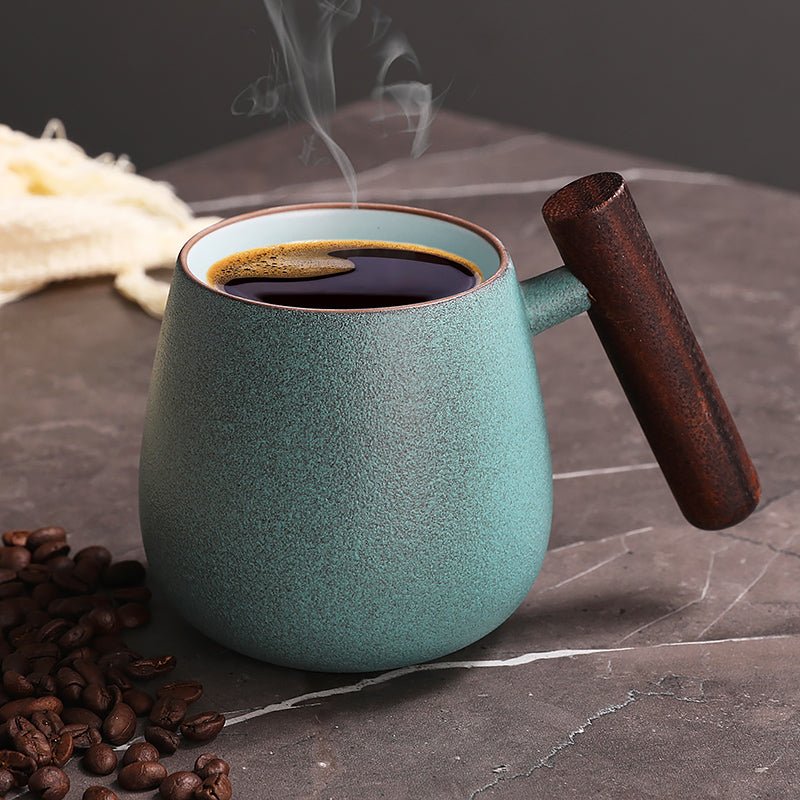
Double Wall Coffee Mugs: What Buyers Should Check Before Ordering
Double wall coffee mugs can stay cooler to the touch, reduce condensation, and look cleaner on a desk, but the details matter. We break down what to check, what to skip, and which styles fit daily ...
Read more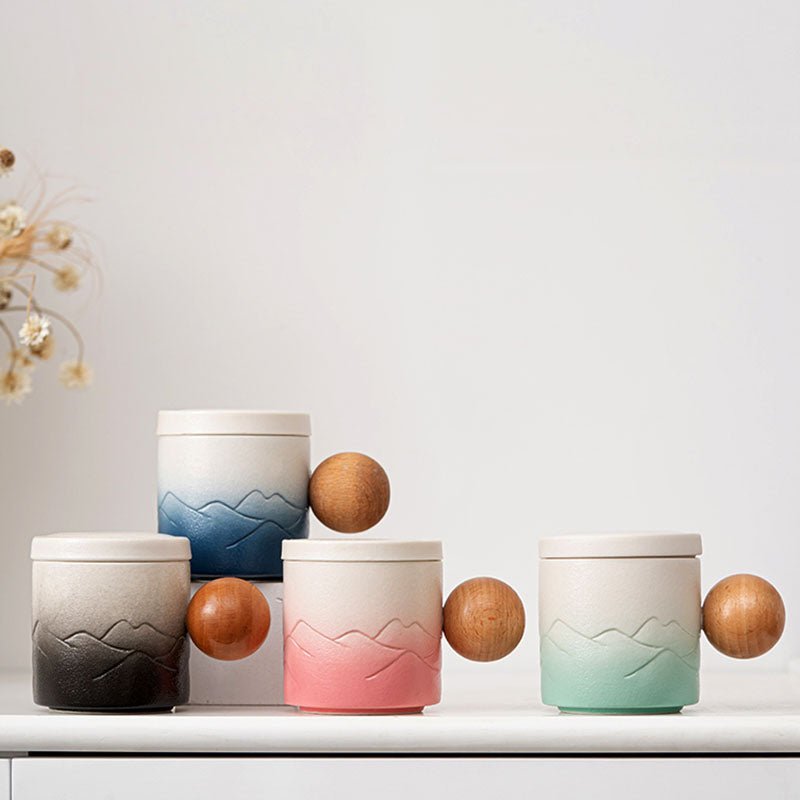
Mug & Cup Coffee Buying Guide for Daily Use and Gifting
Compare mug & cup coffee options by shape, capacity feel, comfort, and care. We cover the trade-offs we see most often in real kitchens, desks, and gift orders.
Read more
Los kommentaar
This site is protected by hCaptcha and the hCaptcha Privacy Policy and Terms of Service apply.