
Hobby Lobby Coffee Mugs: What to Check Before You Buy
Reading time: about 9 minutes
Hobby Lobby coffee mugs look simple until you try to use one every morning. A handle that seems fine in a photo can pinch your knuckles, a pretty glaze can hide a wobbly base, and a mug that looks generous can still leave the coffee too close to the rim.
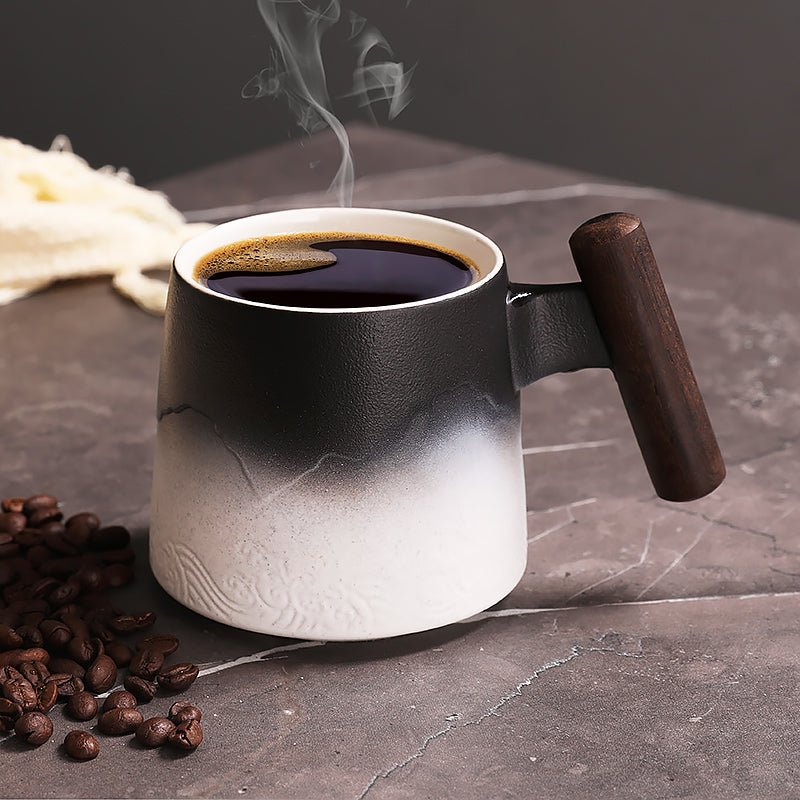
In our store, we see the same mistake again and again: shoppers choose a mug by print first and comfort second. If you want a taller profile, our Landscape Tall Coffee Tea Mug is a useful reference. If you prefer a classic shape, the Round Coffee Tea Mug is the cleaner everyday choice. You can also browse our all collection to compare the full range before you decide.
The right comparison is not about chasing the prettiest design. It is about how the mug feels at the sink, on a desk, and after a few dishwasher cycles. That is the practical way to judge hobby lobby coffee mugs and any similar ceramic mug you are considering.
What should you check first on a mug?
Start with the parts that affect daily use, not just shelf appeal. In our experience, the first week of ownership tells you more than the product photo ever will.
- Rim finish: Run a finger around the lip. A smooth rim feels better to drink from, while a rough edge or tiny chip is usually the first sign of handling damage.
- Handle clearance: Make sure three fingers fit without scraping the body of the mug. A handle that is too tight gets annoying fast, especially with hot tea.
- Base stability: Set it on a flat table. If it rocks, it will keep doing that on your desk, counter, or nightstand.
- Glaze consistency: Look for pinholes, dull patches, or uneven coverage near the foot ring and inside the cup. Those are common quality issues in ceramic mugs.
- Weight balance: A mug that feels top-heavy is harder to carry when full, even if the capacity looks right on paper.
Those checks matter whether you are buying for your own kitchen or for a gift unboxing. We inspect the same details when we bring new mugs into our store because those are the parts customers notice after the first coffee, not the first glance.
Which mug shape works better for everyday use?
Shape changes how a mug behaves on a counter, under a machine, and in your hand. The differences are small on paper and obvious in daily use.
| Shape | Best for | Trade-off |
|---|---|---|
| Tall mug | Desk use, narrower shelf space, people who like a more vertical silhouette | Can feel less stable if the base is small and may be less comfortable for some hands |
| Round mug | Everyday coffee, stirring, and a more classic hand feel | Takes up a little more surface area on the shelf |
| Illustrated mug | Gifting, cabin shelves, and buyers who care as much about the image as the shape | Less neutral for office use if you want a plain look |
The Elk and Moon Coffee Tea Mug is a good example of a mug that does more than hold coffee. It reads as a display piece as well as a drinkware piece, which is great if you want a gift with personality. It is not the right pick if you want something plain for a shared office kitchen.
If you want a straight everyday comparison, round mugs usually win on comfort, while tall mugs often win on footprint. That is why shape should be the first filter before you compare prints, colors, or seasonal artwork.
What size makes sense for coffee, tea, and desk refills?
Size is where shoppers make the biggest misread. A mug that looks roomy in a product photo may actually sit right at your usual pour level once you add coffee, milk, or tea leaves.
If your routine is a standard morning cup, our 12 oz coffee mugs: how to choose the right mug for daily use guide explains the compact end of the range. If you prefer a larger pour or you keep the mug on your desk for long stretches, 16 oz coffee mugs: how to choose the right mug for daily use covers the bigger end of the spectrum.
For quick comparison, use this rule set:
- Choose a smaller mug if you want a tight, balanced cup that does not crowd a drip machine or a small shelf.
- Choose a mid-size mug if you refill once and want a little breathing room above the drink line.
- Choose a larger mug if you sip slowly at a desk and do not want to get up for a second pour as often.
We do not recommend sizing up just because a larger mug looks more useful. Bigger is not automatically better. A mug that is too large can cool faster, feel clunky in the hand, and take up more cabinet space than you want.
If you want a deeper size breakdown, our 12 oz coffee mugs: what to check before you buy article goes into the comfort side of small-format mugs, including fit and daily handling.
What material and finish details matter most?
Most mugs in this category are ceramic, and ceramic has a very specific set of strengths and limits. It feels solid in the hand, it usually looks good on a kitchen shelf, and it is easy to match with other tableware. It is not the right choice if you need something shatter-resistant, travel-proof, or built for frequent drops.
Here is what we check before recommending a ceramic mug to a shopper:
- Interior glaze: A smooth interior is easier to rinse clean after coffee oils or tea staining. Dark stains on the inside can also hide buildup, which is fine for look but not always great for maintenance.
- Foot ring: An unfinished bottom can leave scratch marks on wood tables if the mug gets dragged instead of lifted.
- Handle join: This is where hairline cracks and weak spots can show up over time, especially if the mug is repeatedly filled with hot liquid and then washed.
- Surface texture: A glossy finish is easy to wipe down. A matte finish can look more refined but may show fingerprints or wear differently over time.
Real-world use exposes the weak spots. Dishwasher cycles, sink stacking, and a mug bumping against a kettle spout are where chips usually start. If you plan to use a mug every weekday, those details matter more than the seasonal artwork.
How do our mugs compare if you want an alternative?
If you are comparing hobby lobby coffee mugs with another option, it helps to look at the mug as a tool, not just a gift item. Our lineup is built around the common use cases we see from shoppers: everyday coffee, tea at the desk, and a mug that looks good enough to leave out.
- Landscape Tall Coffee Tea Mug: Best when you want a taller silhouette and a mug that does not feel overly wide on a crowded counter.
- Round Coffee Tea Mug: Best for buyers who want the most traditional mug feel, especially for repeat daily use.
- Elk and Moon Coffee Tea Mug: Best as a gift, a cabin-style accent, or a mug that adds visual character to the shelf.
That lineup also shows the trade-off clearly. A decorative mug can be more fun to give, but a simpler mug is usually easier to use every day. If you are buying for an office desk, a shared kitchen, or a person who likes plain dishware, the safer choice is usually the round or tall silhouette rather than a heavily illustrated one.
What are the common mistakes people make with ceramic mugs?
The biggest mistakes are predictable, which is good news. They are easy to avoid once you know what to look for.
- Buying by art only: A mug can have a nice graphic and still be awkward to hold.
- Ignoring cabinet height: Tall mugs are great until they do not fit under the shelf or in the mug rack you already use.
- Choosing a size that sounds practical but feels heavy: Larger mugs can become cumbersome when filled, especially for people with smaller hands.
- Skipping a finish check: Tiny glaze defects, rough rims, and uneven bases are minor in a photo and obvious in daily use.
We also advise against treating a mug like it has to do every job. If you want something for the car, the job is different. A ceramic mug is not the best pick for commuting, backpack use, or any setting where impact resistance matters more than style.
That is the honest limit of hobby lobby coffee mugs and most ceramic mugs in this category. They are good for the table, desk, and shelf. They are not ideal for travel or rough handling.
Frequently asked questions
Are hobby lobby coffee mugs good for everyday use?
They can be, if the mug has a comfortable handle, a flat base, and a smooth rim. Everyday use is less about the artwork and more about how the mug feels after repeated washing, stacking, and pouring. If you need a mug that will live on a desk or kitchen counter, compare the shape and finish first.
What size coffee mug should I choose for a daily cup?
Choose the size that matches the way you drink, not the size that looks biggest online. A smaller mug works well for a standard cup, while a larger mug suits slow sipping and refills at a desk. If you are between sizes, lean toward the one that leaves a little room above your typical pour line.
What should I inspect when a ceramic mug arrives?
Check the rim, handle join, and base right away. Look for chips, hairline cracks, pinholes in the glaze, or a mug that rocks on a flat surface. Those are the issues that tend to cause daily irritation or shorten the mug's useful life.
Is a tall mug better than a round mug?
Neither shape wins in every situation. Tall mugs are useful when you want a narrower footprint, while round mugs usually feel more classic and easier to stir. If the mug is for a shared office or a gift, the round shape is often the safer choice.
Are decorative mugs a good gift?
Yes, if the design matches the person's taste and the mug feels comfortable in hand. Decorative mugs work best when the recipient likes to display drinkware or use it as part of a cozy kitchen setup. If you are unsure about style, a simpler round mug is usually the more flexible gift.
If you want the fastest way to narrow your choice, compare the tall, round, and illustrated options against three things: cabinet space, hand comfort, and your usual pour size. Then open our all collection and pick the mug that fits how you actually drink coffee, not just how it looks on the screen.
Read more
Red Coffee Mug Buying Guide: Styles, Sizes, and Best Picks
Compare red coffee mug styles, sizes, and finishes from a seller’s point of view, including what works on a desk, in a dishwasher, and as a gift.
Read more
Giant Coffee Mugs: How to Choose the Right One for Daily Use
A practical buying guide for giant coffee mugs that compares shape, comfort, and real daily use. Use it to choose a mug that fits your desk, cabinet, and routine without guessing.
Read more
Los kommentaar
This site is protected by hCaptcha and the hCaptcha Privacy Policy and Terms of Service apply.