
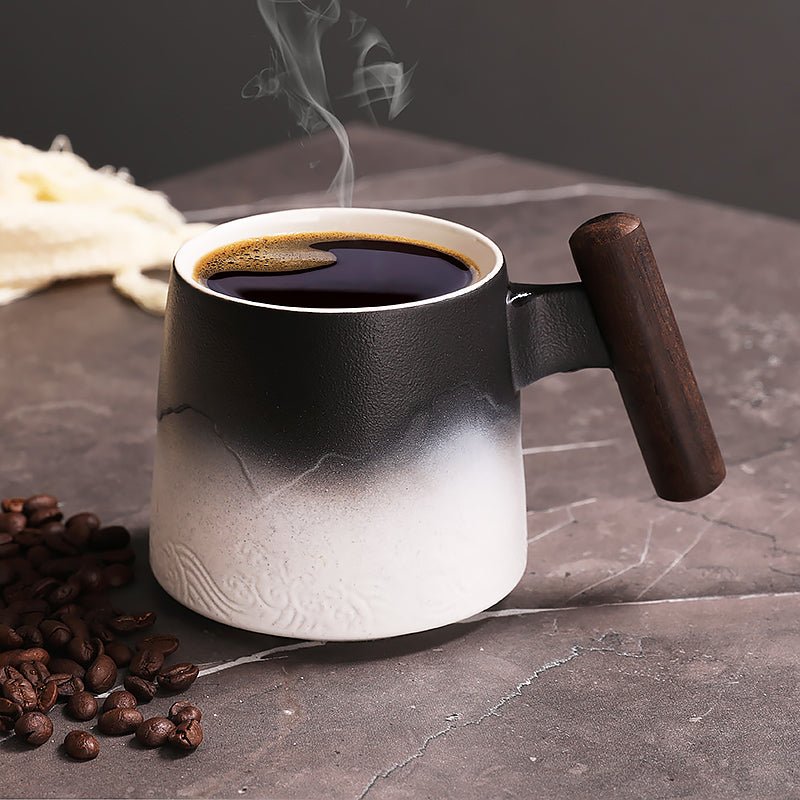
Handmade Pottery Coffee Mugs: What Buyers Should Check Before Ordering
Reading time: about 10 minutes
A mug that looks beautiful in the listing can still feel wrong at the kitchen sink. The rim may be too thick, the handle may pinch two fingers instead of three, or the glaze may show every coffee stain after a week of use.
That is why we treat handmade pottery coffee mugs as a buying decision, not just a style choice. In our store, we look at the details shoppers actually notice after unboxing: weight in the hand, balance on a desk, how the glaze behaves after dishwasher cycles, and whether the cup is sized for a real pour of coffee or just a styled photo.
If you want to browse current options while you read, start with our products page or the full collection. For a broader buying framework, our guides on Handmade Coffee Mugs: How to Choose the Right One for Daily Use and Pottery Coffee Mugs: What Buyers Should Check Before Ordering are useful companions to this article.
What makes handmade pottery coffee mugs different from mass-produced mugs?
The short answer is the human part. A handmade pottery mug usually has small variations in wall thickness, rim shape, glaze pooling, and foot ring finish. Those differences are not flaws by default. They are part of what gives the mug its feel and character.
What shoppers should watch for is whether the variation still supports daily use. A hand-thrown mug can be slightly thicker at the base for stability and a little thinner at the rim for a more comfortable sip. A factory mug may look perfectly identical, but it can also feel generic, light in a way that does not hold heat as long, or have a handle that was designed around production speed rather than hand comfort.
In our experience, buyers usually choose handmade pottery coffee mugs for one of three reasons:
- They want a mug with visible texture and a more tactile feel than smooth ceramic stock shapes.
- They want a piece that makes morning coffee feel less disposable and more intentional.
- They want a gift that feels personal instead of mass-produced.
There is a trade-off. Handmade mugs are usually not the best pick if you want perfectly matched sets, ultra-light cups, or very thin lips like a formal teacup. They also vary more from piece to piece, which is part of the appeal but can frustrate shoppers who expect strict uniformity.
Which materials and finishes hold up best for daily use?
For most everyday coffee drinkers, stoneware is the most practical starting point. It tends to feel solid, resists chips better than many softer bodies, and usually gives good heat retention. Some handmade mugs use earthenware for a warmer, more rustic look, but earthenware can be more porous if the glaze or firing is not right. Porcelain is a different lane altogether: lighter, often more refined, but usually less earthy in feel.
The glaze matters just as much as the clay body. A glossy glaze is usually easier to wipe clean and can be better for people who use their mug every day at a desk or in a kitchen with a lot of traffic. A matte glaze can look beautiful and feel modern, but it may show metallic marks or coffee oils more easily. Unfinished or partially unglazed areas can add grip and style, though they may also pick up stains faster if they sit in damp conditions.
Here is the practical version of what we check before we recommend a mug:
| Feature | What it changes | What to check |
|---|---|---|
| Stoneware body | Weight, heat retention, durability | Look for even firing and a stable base |
| Glaze finish | Cleaning, stain resistance, visual texture | Check for pinholes, crawling, or rough spots |
| Rim thickness | Comfort while drinking | A thinner, smooth rim usually feels better for daily coffee |
| Handle shape | Grip comfort and balance | Make sure two or three fingers fit without forcing your hand |
Common defect modes are worth naming plainly. Look for hairline cracks, glaze drips that leave a sharp edge, a mug that wobbles on the table, or a handle that feels underattached. Those issues do not belong on a mug meant for regular use.
For more on the checks that matter before ordering, the related guide on pottery coffee mugs goes deeper into finish, fit, and practical red flags.
What size and shape should you choose for home, office, or gifting?
Size changes the whole experience. A mug that is perfect for drip coffee at a kitchen counter may feel oversized for espresso-based drinks, and a small cup can be ideal for a precise morning pour but frustrating if you refill often.
If you are comparing by capacity, our size guides on 8 Ounce Coffee Mugs: What Buyers Should Check Before Ordering, 12 oz Coffee Mugs: What to Check Before You Buy, 16 oz Coffee Mugs: What to Check Before You Buy, and 20 Ounce Coffee Mugs: What Buyers Should Check Before Ordering are worth a look.
As a practical rule:
- 8 oz works well for shorter drinks, small pours, and people who prefer a compact mug on a desk.
- 12 oz is a common daily-use size for drip coffee, pour-over, or a smaller latte.
- 16 oz suits larger morning servings and people who do not want to refill quickly.
- 20 oz is better for big drinks, long work sessions, or shoppers who want one mug to cover everything.
The shape matters as much as the number. A tall, narrow mug holds heat differently than a wide, bowl-like mug. A wider opening can cool faster but can feel better for aroma. A narrower opening keeps the drink warmer longer and usually reduces splash when carrying it from the counter to the desk.
For office use, we usually suggest a stable base, a comfortable handle, and a glaze that cleans easily in a shared sink or dishwasher. For gifting, the mug should have enough character to feel special without being too quirky for everyday use. If the recipient prefers a lighter, more uniform cup, a different style may suit them better than a rustic handmade form.
How do you check quality before you order online?
Online photos can hide the details that matter. We look at product pages the way a customer will use the mug: on a countertop, under bright kitchen light, and after a normal wash cycle.
- Check the rim. The sip line should look smooth and even. A rough rim can make a mug feel unfinished even if the rest of the piece is beautiful.
- Check the handle clearance. There should be enough space for a comfortable grip, especially if the mug is on the heavier side.
- Check the foot ring. A clean, stable bottom helps the mug sit flat and reduces wobble on tables and trays.
- Check glaze consistency. Slight variation is normal in handmade work, but obvious pinholes, sharp drips, or bare spots in the drinking area are concerns.
- Check care instructions. If the maker says hand wash only, do not assume it will love daily dishwasher use.
We also pay attention to what the mug is not ideal for. A heavily textured exterior may be lovely in the hand but can be harder to keep spotless. A dark matte glaze can hide some marks better than a pale glaze, but it may also show streaking if the detergent is harsh. A very sculptural mug looks great on a shelf and may be less comfortable for long workdays.
If you are comparing options across our store, the collection is the fastest way to scan styles, while our products page helps you narrow down the exact mug shape and finish you want.
Are handmade pottery coffee mugs good gifts?
Yes, with the right buyer in mind. A handmade mug works well as a gift because it feels chosen rather than generic. People notice the texture, the glaze variation, and the fact that it does not look like every other mug in the cabinet.
They are especially strong for:
- Housewarming gifts
- Office thank-yous
- Birthdays for coffee drinkers who care about objects with character
- Holiday gifts when you want something useful, not decorative clutter
There are limitations. If the person wants matching kitchenware or does not like heavier mugs, handmade pottery may not be the best fit. Some recipients also prefer a very standard shape that fits a cup warmer, a car holder, or a crowded office shelf. In those cases, a simpler ceramic design may be the better buy.
One thing we have learned from shipping and gift orders is that presentation matters. A mug with a sturdy box, clear care notes, and a visible handmade finish feels complete when it is opened at a desk or kitchen table. That is where these mugs do best: in real daily life, not just on a styled shelf.
How should you care for handmade pottery coffee mugs so they last?
Care is straightforward, but you need to respect the limits of the clay and glaze. A mug that is technically durable can still chip if it is slammed into a sink or moved from a hot drink to a cold rinse too quickly.
- Wash gently. Use a soft sponge or cloth unless the maker specifically says otherwise.
- Avoid thermal shock. Do not move a very hot mug into very cold water right away.
- Dry fully. Let it dry on a rack before stacking with other dishes.
- Watch the base. An unglazed foot ring can pick up surface marks if it sits wet for long periods.
- Follow the maker’s notes. Microwave and dishwasher safety depend on the clay body, glaze, and any decorative finish.
If you want a mug for a dishwasher-heavy routine, choose a simple form with a durable glaze and a stable handle. If you want a shelf piece first and a daily mug second, you can choose a more delicate finish, but accept the extra care it needs. That trade-off is normal, and pretending otherwise is where buyers get disappointed.
For shoppers who want a mug that balances beauty with practical use, our current handmade pottery coffee mugs are easiest to compare in the full collection. From there, size guides like our 12 oz and 16 oz articles help narrow the fit.
Frequently asked questions
Are handmade pottery coffee mugs microwave safe?
Sometimes, but not always. Microwave safety depends on the clay body, glaze, and whether the mug has metallic decoration or special finishes. Check the product details before using it in the microwave, and avoid assuming all handmade pottery behaves the same way.
Do handmade pottery coffee mugs stain easily?
They can, especially if the glaze is matte, light-colored, or slightly textured. Coffee and tea oils build up over time if the mug is left unwashed, so rinse it promptly and use a non-abrasive sponge. A glossy glaze usually makes cleanup easier than a matte finish.
What size handmade pottery mug is best for daily coffee?
For most people, 12 oz or 16 oz is the most practical daily range. 12 oz works well for standard drip coffee and smaller pours, while 16 oz suits bigger drinks or people who do not want to refill often. If you prefer shorter drinks, 8 oz can be a better fit.
Why do handmade pottery mugs feel heavier than regular mugs?
Many handmade mugs are made from stoneware with thicker walls and a more substantial base. That adds stability and helps retain heat, but it also means the mug may feel heavier in the hand. If you want a lighter mug, look for slimmer wall profiles or a different clay body.
What should I avoid if I want a mug for office use?
Avoid mugs with very wide bases, delicate sculptural handles, or finishes that need constant hand washing. Office mugs do better with a stable foot, comfortable grip, and a glaze that cleans easily after repeated dishwasher cycles or shared-sink use. For a desk mug, function should come before display.
If you are ready to compare real options, start with the features that matter most: size, handle comfort, glaze finish, and care instructions. Then narrow by our products page or browse the full collection alongside the 8 oz, 12 oz, 16 oz, and 20 oz sizing guides so you can pick the mug that matches the way you actually drink coffee.
More from our blog
Read more
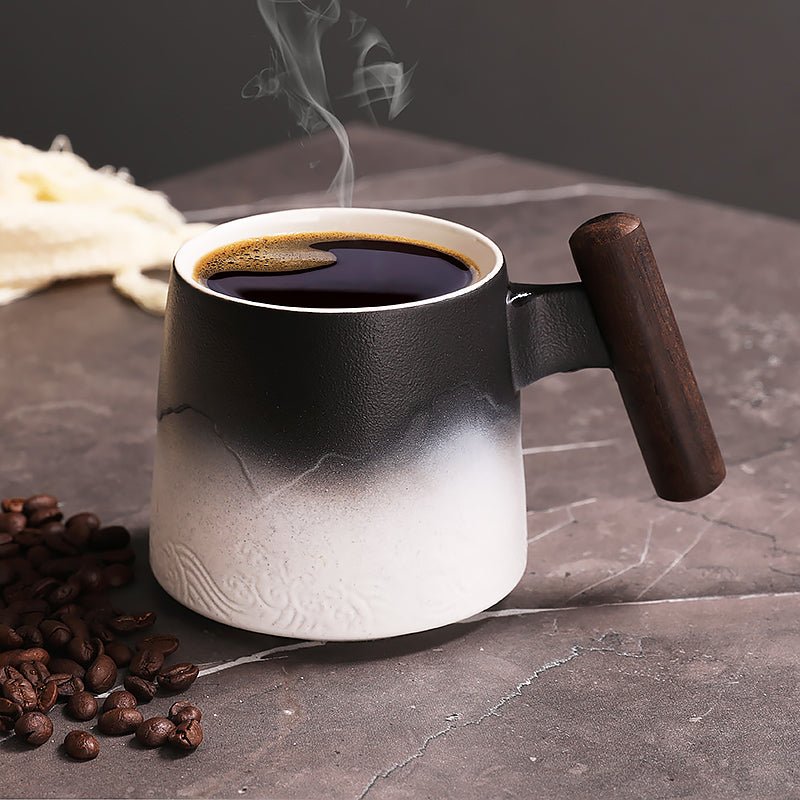
Durable Coffee Mugs: What to Check Before You Buy
Durable coffee mugs are about more than a thick wall. We break down the materials, rim shape, handle feel, and care details that separate a mug that lasts from one that chips early.
Read more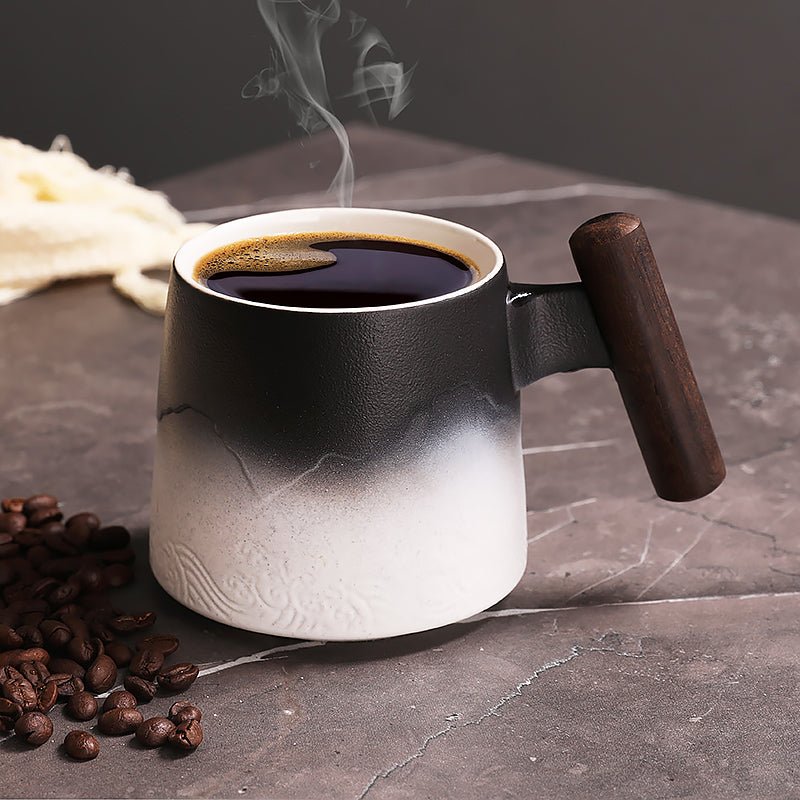
Hilarious Coffee Mugs: How to Choose One That Actually Gets Used
Hilarious coffee mugs are better gifts when the joke fits the drinker and the mug still feels solid in hand. We break down sizes, materials, care, and the trade-offs before you buy.
Read more
Los kommentaar
This site is protected by hCaptcha and the hCaptcha Privacy Policy and Terms of Service apply.