
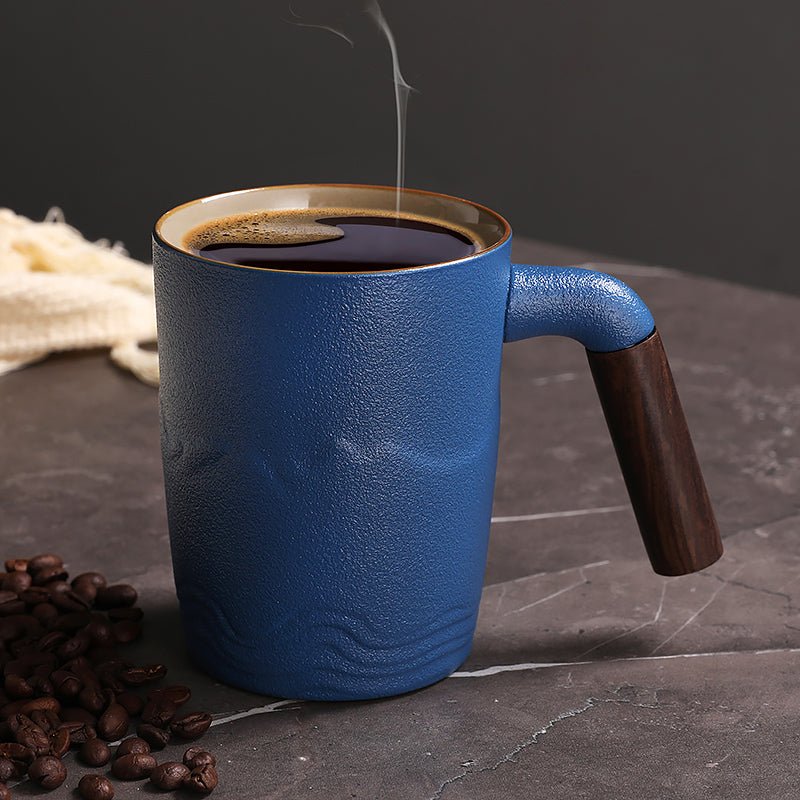
Handmade Ceramic Coffee Mugs: What Buyers Should Check First
Reading time: about 9 minutes
A mug that looks beautiful on a shelf can still feel wrong at 7 a.m. if the handle pinches your fingers, the rim feels too thick, or the cup gets hot enough to make you keep shifting it from hand to hand. That is the real test for handmade ceramic coffee mugs: not just how they photograph, but how they behave on a kitchen counter, at an office desk, and after a few dishwasher cycles.
We handle this category with that everyday use in mind. In our store, the best mugs are the ones that balance shape, comfort, and finish without pretending to be something they are not. If you want a quick place to compare styles, start with our full collection, then look closely at a few specific shapes like the Pleated Coffee Tea Cup, the Flow Coffee Tea Mug, and the Mountain Sea Coffee Tea Mug.
What actually changes when a mug is handmade?
Handmade ceramic coffee mugs usually have small differences you can feel before you ever notice them visually. The wall thickness may vary slightly, the rim may feel a little softer than a machine-made cup, and the glaze can settle differently around curves or ridges. That is not a flaw by default. It is part of the category, and it is why buyers often choose handmade pieces for the tactile experience as much as the look.
For daily use, those differences matter in practical ways:
- Weight: A heavier mug feels grounded, but it can be tiring if you sip all morning or carry it between kitchen and desk.
- Rim shape: A thinner rim usually feels more refined, while a thicker rim can feel sturdy and better at holding heat.
- Handle size: A narrow handle may look elegant, but if you use two fingers or larger hands, it can be the first thing you dislike.
- Glaze finish: A glossy glaze is easy to wipe clean, while a matte or textured finish can hide fingerprints and offer more grip.
Handmade does not automatically mean fragile, but it does mean you should care more about the details before buying. A mug that suits espresso or small pour-over servings will not always suit a long latte or a mug of tea you want to keep on the desk for an hour.
Which shape is best for your coffee routine?
Shape is the first decision we would make. The same ceramic body can feel completely different depending on whether the sides are straight, rounded, pleated, or sculpted. The right choice depends on how you actually drink coffee.
| Shape style | What it feels like | Best for | Trade-off |
|---|---|---|---|
| Pleated or fluted | Textured, stable, decorative | Gift buyers, tea drinkers, people who like visible detail | Ridges can catch residue if you do not rinse promptly |
| Soft curved | Comfortable in hand, easy to sip from | Daily coffee, desk use, casual morning routines | Less architectural if you want a statement piece |
| Sculpted or asymmetrical | Distinctive, artisan feel | Buyers who want a conversation piece | May not stack as neatly or fit every mug shelf |
The Pleated Coffee Tea Cup is the kind of mug people choose when they want texture without going overly ornate. The Flow Coffee Tea Mug suits a softer, more relaxed table setting. The Mountain Sea Coffee Tea Mug leans more expressive, which makes it a stronger fit for someone who wants the mug itself to carry some visual character.
If you are comparing these kinds of forms against larger everyday options, our article Ceramic Coffee Mugs 20 oz: Buyer's Guide for Fit, Heat, and Care is useful for judging size and comfort before you decide.
What details should you check before you buy handmade ceramic coffee mugs?
Three things tell you most of what you need to know: the rim, the handle, and the finish. Photos help, but close reading matters more.
- Check the rim. A rounded rim usually feels more comfortable for everyday sipping. If the edge looks sharp in photos, assume it may feel sharper in use.
- Check the handle clearance. There should be enough space for at least two fingers without squeezing. Tight handles are one of the most common reasons people stop reaching for a mug.
- Check the glaze coverage. A good glaze should look consistent where the hand touches most often, especially around the lip and handle join. Small variation is normal in handmade work, but pooling, pinholes, or rough spots are worth noticing.
- Check the base. A flat, finished base is less likely to scratch a table. If the foot ring is rough, use a coaster.
We also tell customers to think about where the mug will live. An office desk mug benefits from a stable base and a comfortable handle. A kitchen mug can be a little more decorative. A gift mug should look good in the box and feel good immediately in the hand, because that first unboxing shapes the impression.
Our experience is that buyers are happiest when they choose the mug they will actually reach for on busy days, not just the one that looks most impressive in product photos.
How do these mugs hold up in real daily use?
For most buyers, the real question is not whether the mug is pretty. It is whether it fits into a routine without asking for special treatment. Handmade ceramic coffee mugs are usually best for people who are comfortable with normal ceramic care: washing gently, avoiding sudden temperature shocks, and treating the piece like a well-made kitchen item rather than a disposable vessel.
In practical terms, that means:
- Rinse soon after use if you drink dark coffee or tea often, especially on textured surfaces.
- Do not move a very hot mug directly into cold water, since abrupt temperature change can stress ceramic.
- Store it where the handle is not constantly knocked by other cups or plates.
- Use a soft sponge if the glaze is glossy and you want to preserve the finish.
They are not the best choice if you want an ultra-light travel mug, a metal tumbler, or a cup that can take rough handling in a packed work bag. Handmade ceramic belongs more naturally on a counter, shelf, or desk than in a commuter routine.
For buyers who are also considering mugs with added features, our guide Ceramic Coffee Mugs with Lids: What to Check Before You Buy is worth reading before you decide whether you need a lid or just a well-shaped open mug.
Which mug should you choose if you are buying for yourself or as a gift?
We usually narrow this category by use case instead of style alone. That keeps the choice grounded in reality.
- For a daily coffee drinker: Pick a mug with a comfortable handle, a stable base, and a shape that feels balanced in the hand.
- For a tea drinker: Choose a mug that feels pleasant to cradle and does not overheat too quickly at the rim.
- For a gift: Look for a distinctive silhouette and a finish that reads well immediately when opened.
- For a small kitchen: Go with one mug that earns its space, not five that are only visually interesting.
If you are buying for someone who cares about design, the Mountain Sea Coffee Tea Mug is the most statement-driven of the three. If you want a softer everyday feel, the Flow Coffee Tea Mug is easier to imagine on a breakfast table. If your priority is a mug with a more structured look, the Pleated Coffee Tea Cup gives you that without losing the handmade feel.
For shoppers comparing looks across the broader site, the full collection is the fastest way to see which shapes and finishes are currently available side by side.
What should you know about care, chips, and glaze wear?
Good ceramic can last a long time, but it is not invincible. The most common wear points are the rim, the handle connection, and the base edge. Those are the areas that get bumped, stacked, or scrubbed most often.
Here is the practical care approach we recommend:
- Wash with warm water and a mild detergent after use, especially if the mug has ridges or a textured exterior.
- Avoid harsh abrasives that can dull the glaze over time.
- Dry it fully before stacking with other ceramics, since repeated contact in a wet stack can leave marks.
- Inspect the base occasionally for small chips, especially if you move mugs around a lot on stone counters.
Handmade pieces may show slight glaze movement, tiny specks, or variation from one mug to another. That is normal and usually part of the appeal. What is not ideal is rough edges where the lip meets your mouth, sharp unglazed spots in the wrong place, or uneven wobble on a flat surface. Those are not features. They are quality concerns.
If you are specifically evaluating ceramic mugs for daily use, our article Ceramic Coffee Mugs: How to Choose the Right One for Daily Use adds a useful framework for comparing comfort, size, and handling before you buy.
Frequently asked questions
Are handmade ceramic coffee mugs dishwasher safe?
Some are, but you should always check the product details for the specific mug. Even when a mug is dishwasher safe, hand washing usually helps preserve the glaze and reduces the chance of chips from contact with other items.
What size handmade ceramic coffee mug is best for everyday coffee?
For most people, a medium-sized mug works best because it is comfortable to hold and does not cool down too quickly. If you drink larger pours or want room for milk, choose a bigger mug; if you drink espresso-based drinks, a smaller cup may feel more natural.
Do handmade ceramic mugs keep coffee hot longer?
They hold heat reasonably well, but ceramic is not the same as an insulated tumbler. A thicker wall can help retain warmth a bit longer than a very thin one, yet the shape of the mug and whether it has a lid matter too.
Are handmade ceramic coffee mugs good for the office?
Yes, if you want a stable, pleasant desk mug and do not need portability. They are less suitable if you are moving between meetings, commuting, or need a spill-proof lid.
What imperfections are normal in handmade ceramic mugs?
Small glaze variations, slight differences in shape, and minor surface texture changes are normal in handmade work. You should not expect factory-level uniformity, but you should still expect a mug that feels finished, balanced, and comfortable to drink from.
If you want to compare options quickly, start with the shape that matches your routine, then check handle comfort and glaze finish before choosing. For a tighter shortlist, browse the full collection, then compare the Pleated Coffee Tea Cup, Flow Coffee Tea Mug, and Mountain Sea Coffee Tea Mug against the checklist above: handle fit, rim comfort, base stability, and the kind of daily use you actually have.
Read more
Stranger Things Coffee Mug Buying Guide: What to Check Before You Buy
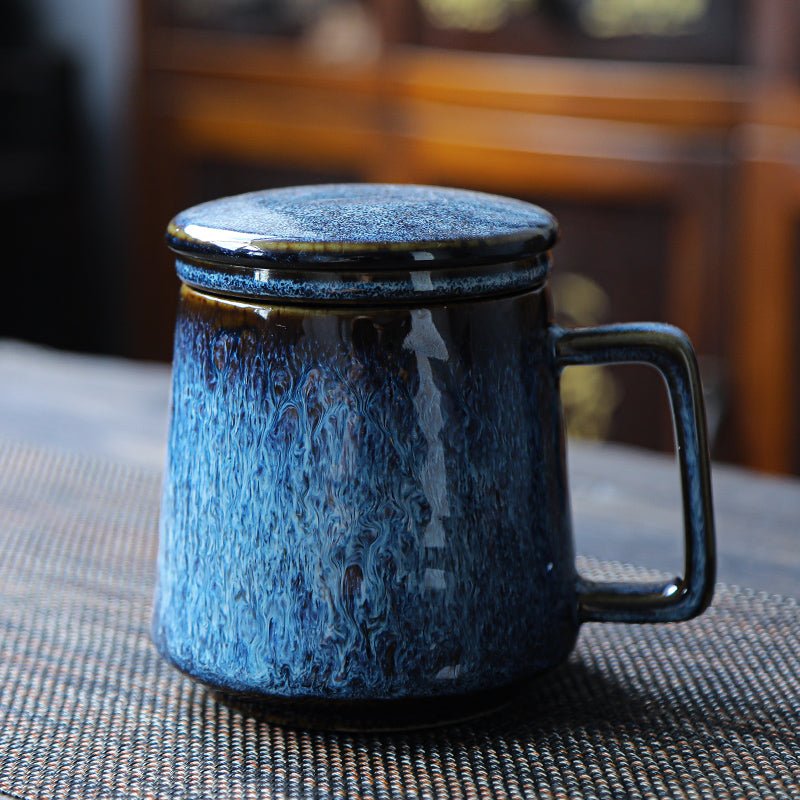
A Stranger Things coffee mug should look good on a desk and still work for daily coffee. Here’s how we compare shape, size, care, and the trade-offs before you buy.
Read more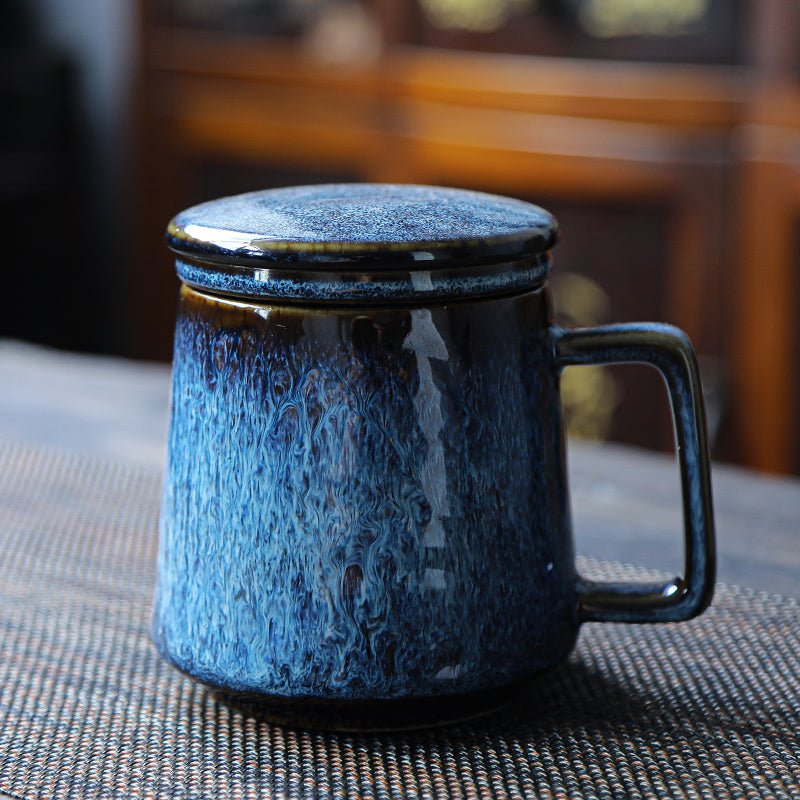
Coffee Mugs with Sunflowers: How to Choose a Shape, Size, and Finish
Coffee mugs with sunflowers can feel cheerful or crowded depending on the shape, finish, and size. We break down what works for daily coffee, gifting, and display so you can pick a mug that actuall...
Read more
Los kommentaar
This site is protected by hCaptcha and the hCaptcha Privacy Policy and Terms of Service apply.