
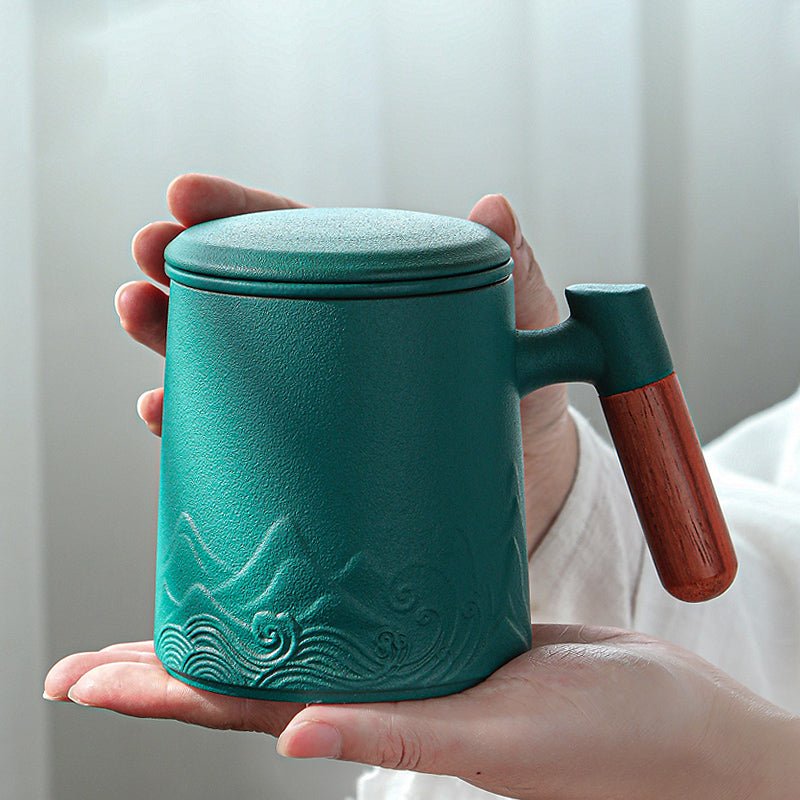
Green Coffee Mug Buying Guide: Sizes, Materials, and Best Uses
Reading time: about 10 minutes
A green coffee mug looks simple on a product page, but the difference between a keeper and a return shows up fast at the kitchen counter. A mug that sits flat, feels balanced in the hand, and pours without crowding your face is one you keep reaching for. A mug with a rough rim, a handle that pinches, or a base that rocks on the desk starts bothering you on day one.
If you already know you want one, start with our Green Waves Coffee Tea Mug. If you are still comparing styles or want to browse other options, our full collection is the fastest way to see what else fits your routine. We handle mugs for real daily use, so we pay attention to the small details that decide whether a mug stays in rotation.
What should you expect from a green coffee mug?
Green is not one look. A soft sage finish feels quiet and blends into a kitchen shelf. A deeper forest tone feels more grounded and shows less visual wear. A bright or glossy green reads more energetic, but it can also highlight fingerprints, water spots, and tiny glaze marks more clearly than a matte finish.
In our experience, buyers usually want one of two things: a mug that disappears into the routine, or a mug that adds a little color without looking loud. A green coffee mug can do both, but the finish matters as much as the shade. A smooth glossy glaze is easier to wipe clean after a desk day. A matte glaze can feel more tactile, but it may show rub marks sooner if you stack mugs tightly or keep them in a crowded cabinet.
We check the same few details every time: rim finish, handle clearance, base stability, and glaze consistency. Those are the things that separate a mug you use daily from one that just looks good in photos.
If you are buying for yourself, the question is not just "Do I like the color?" It is also "Will this still feel good after a week of hot coffee, a rinse cycle, and being moved around a busy counter?" That is the real test.
Which size fits your routine best?
A lot of buyers start with color and then regret the size. If you are comparing the common capacities, our guides to the 10 oz Coffee Mug: Size, Fit, and What to Check Before You Buy, 11 oz Coffee Mug: Size, Fit, and What to Check Before You Buy, and 12 Ounce Coffee Mug Buying Guide for Daily Use and Better Fit are useful reference points. The main difference is not just how much liquid fits inside. It is how the mug feels in your hand, how quickly the drink cools, and how much room you have for milk, foam, or tea.
| Size | Best for | Main trade-off |
|---|---|---|
| 10 oz | Smaller coffee pours, tea, compact desks, and people who want a lighter mug | Less room for milk, cream, or extra foam |
| 11 oz | Everyday drip coffee and the most common all-around use case | Not as roomy as a larger mug for milk-heavy drinks |
| 12 oz | Larger morning pours, lattes, and buyers who want more headroom | Heavier in the hand and a little slower to finish while hot |
There is no single best choice. A 10 oz mug can feel neat and controlled, especially for tea or a short coffee break. A 12 oz mug is easier to live with if you tend to add milk or want the mug to hold a fuller pour. The 11 oz size is the middle ground most shoppers end up with because it fits standard daily use without feeling oversized.
One practical point we always mention: a larger mug is not automatically better if you usually drink your coffee slowly. More volume means a bigger heat reservoir, but it also means more liquid sitting there while you work. If you sip over an hour at a desk, a mid-size mug can be the better buy.
What materials and finishes hold up best?
Most green coffee mugs fall into a ceramic or stoneware lane, and for daily use that is often the safest bet. Ceramic tends to feel familiar, stable, and easy to clean. Stoneware usually feels a bit heavier and more substantial, which some people like because it keeps the mug planted on a desk or kitchen table. Porcelain usually looks a little finer and lighter, but some buyers find thin-walled mugs too delicate for everyday handling.
We are careful not to oversell any one material. A heavier mug is not automatically better, and a lighter mug is not automatically fragile. What matters is how the rim, handle, and base are finished. A mug can be made from a solid material and still be annoying if the lip feels sharp or the handle is too narrow for two fingers.
Finish matters too:
- Gloss glaze is easier to wipe down after coffee drips, but it can show water spots more clearly if your sink water runs hard.
- Matte glaze gives a softer look and feels more understated, but it may show scuffs sooner if it rubs against other dishes.
- Speckled or variegated glaze can be forgiving visually, which is useful if you want the mug to keep looking good in a busy kitchen.
If a listing says the mug is dishwasher safe or microwave safe, that is useful. If it does not say so, do not assume it is. We would rather see a shopper hand-wash a mug they love than push it through a cycle it was not meant to handle. That is especially true for decorated pieces, metallic accents, or mugs with specialty glaze effects.
What should you inspect before you buy one online?
Online photos can hide the things that matter most in daily use. That is why we look at a mug almost the same way we would when we unpack it in the back room. The shape is one part of the decision. The details finish the job.
| Check | What good looks like | Why it matters |
|---|---|---|
| Handle clearance | Enough space for a comfortable two-finger grip without knuckles hitting the body | Makes the mug easier to carry when full and hot |
| Rim finish | Smooth, even lip with no roughness or tiny chips | Affects the drinking feel more than most shoppers expect |
| Base stability | Flat foot ring that sits level on a counter or desk | Reduces wobble and helps avoid rings on surfaces |
| Glaze consistency | Even color with no obvious thin spots, pinholes, or patchy areas | Signals better finish quality and a cleaner look over time |
| Care instructions | Clear guidance on dishwasher, microwave, or hand-wash care | Prevents avoidable wear and disappointment after purchase |
Two common defect modes are worth calling out because they show up more often than buyers expect. First, a mug can have a slightly uneven foot ring that makes it rock instead of sit flat. Second, the glaze can have pinholes or tiny pits that are mostly cosmetic but still make the finish look less refined under bright kitchen light. Neither issue means a mug is unusable, but both are signs to inspect before you commit.
If you are buying a gift, also think about packaging and unboxing. A mug that arrives well protected and looks clean on arrival is much easier to give. For an office desk, check the footprint. Some mugs look modest in photos but take up more room than expected next to a keyboard, notebook, and laptop charger.
Is a green mug a good gift or office mug?
Yes, but only if the style matches the setting. Green is a smart middle ground for gifts because it feels more personal than plain white without being hard to place in a kitchen. It works especially well for people who like earthy tones, calm desks, or a mug that does not scream for attention.
For office use, a green coffee mug can be practical because the color hides minor everyday use better than a very pale glaze. That said, a dark or glossy mug can show hard-water spots if it goes through a rough dishwasher cycle, and a very large mug may crowd a small desk. If the person drinks slowly and takes calls between sips, a smaller or mid-size mug is often the better choice.
There are also cases where a green mug is not the best answer. If someone wants a full matching dinnerware set, a single accent mug can feel out of place. If they prefer ultra-light cups for espresso or short drinks, a heavy stoneware mug may feel like too much material in the hand. In those cases, a different finish or size is the better call.
If you want context beyond green, our size guides for the 10 oz, 11 oz, and 12 oz formats make it easier to match the mug to a specific routine. They are especially useful if you are trying to decide between a compact desk mug and a mug that works for fuller morning pours.
How do you care for a green coffee mug so it keeps its finish?
Care is usually simple, but simple does not mean careless. The safest routine is to follow the listing instructions first. If the mug is dishwasher safe, place it where it will not knock into heavier pans or metal utensils. If it is hand-wash only, use a soft sponge rather than an abrasive pad so the glaze stays clean and the color keeps its depth.
For daily users, the main mistakes are easy to avoid:
- Do not move the mug from a very hot setting directly into cold water unless the care instructions specifically allow it.
- Do not scrape the rim with a metal spoon or stack it under heavier dishes without a divider if the finish is delicate.
- Do not leave tea or coffee sitting in the mug for days, because stains are easier to prevent than remove.
A little maintenance goes a long way. Even a sturdy mug benefits from a quick rinse after use, especially if you drink black tea or darker roasts. That keeps the interior cleaner and makes the mug look better on the counter or shelf.
Frequently asked questions
Is a green coffee mug good for everyday use?
Yes, if the size and finish match how you actually drink. A mid-size mug with a comfortable handle and a stable base is usually the safest everyday pick. We would choose a simple, easy-to-clean finish for daily use rather than a decorative one that needs extra care.
What size green coffee mug is best for coffee with milk?
An 11 oz or 12 oz mug is usually easier for milk-based drinks because it leaves room for foam and cream without feeling full to the rim. If you like larger lattes or a generous pour, 12 oz is the more forgiving choice. If you prefer smaller drinks, 10 oz can still work, but it will feel tighter.
Are green coffee mugs hard to keep clean?
Not usually. A glossy glaze is generally easy to wipe down, while matte finishes can need a little more care to stay looking even. The bigger factor is how often you rinse the mug after use and whether the care instructions allow dishwasher cleaning.
Is ceramic better than porcelain for a green coffee mug?
For most buyers, ceramic or stoneware is the more practical everyday choice because it tends to feel sturdy and balanced. Porcelain can look refined and lighter in the hand, but some people find it less substantial for daily coffee. The best choice depends on whether you want a more casual workhorse mug or a lighter, more delicate feel.
What should I avoid if I want a mug that lasts?
Avoid vague listings that do not say much about care, finish, or capacity. If the handle looks narrow, the base looks uneven, or the glaze looks patchy in the product photos, those are worth checking before you buy. A mug that is right for your routine will usually look clean, balanced, and straightforward rather than overly complicated.
What should you compare before you place the order?
Before you buy, narrow it down with a simple checklist. That keeps the choice practical and prevents the common mistake of buying by color alone.
- Pick the capacity first: 10 oz for smaller pours, 11 oz for everyday use, or 12 oz if you want more room.
- Check the material and finish: ceramic, stoneware, or porcelain, plus gloss or matte.
- Look at the handle and base: comfortable grip, flat sit, no wobble.
- Confirm the care instructions: dishwasher safe, microwave safe, or hand wash only.
- Decide whether you want one mug or a few pieces that match your kitchen or office setup.
If you want a direct place to start, our Green Waves Coffee Tea Mug is the single-product path, and our full collection is the better option if you want to compare styles before choosing. For a deeper sizing check, the linked 10 oz, 11 oz, and 12 oz guides above are the fastest way to match the mug to your daily routine.
Read more
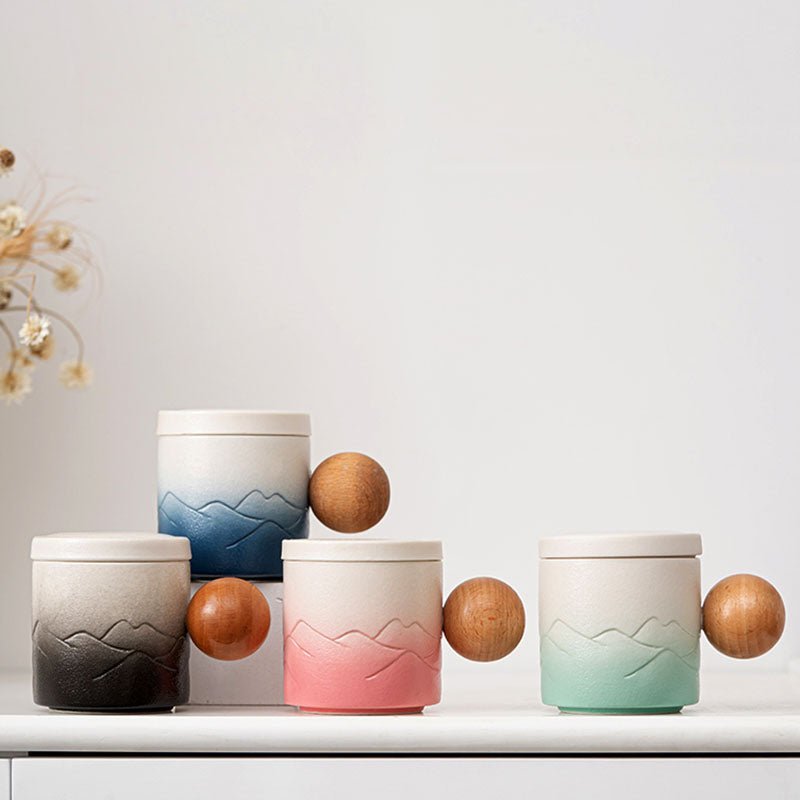
Big Tea Mug Buying Guide for Daily Comfort and Use
A practical guide to choosing a big tea mug that feels good in the hand, fits your desk, and holds up to daily washing. We cover size, shape, care, and the trade-offs that matter before you buy.
Read more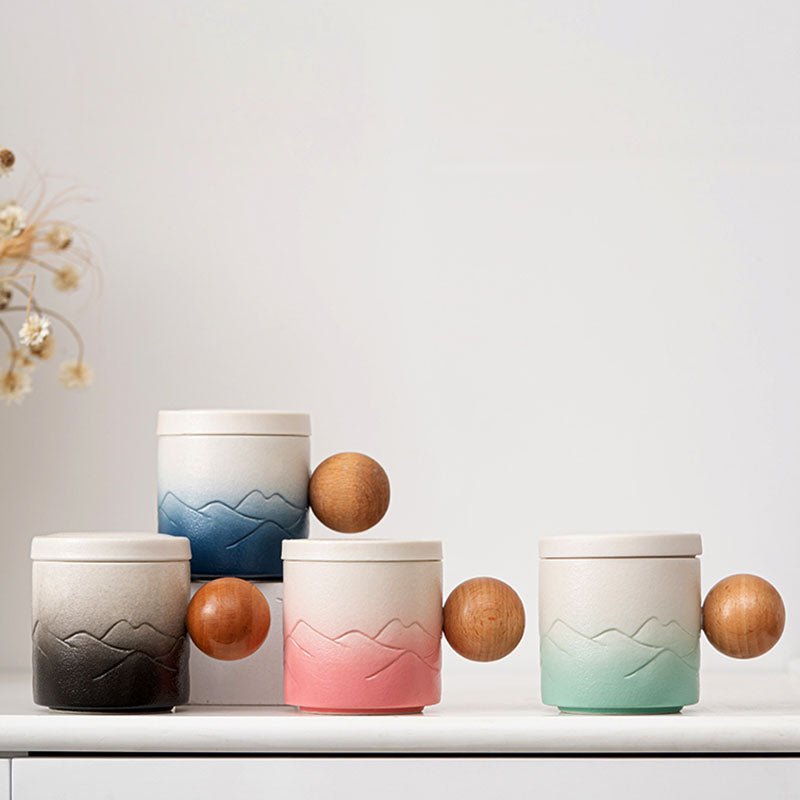
Golf Coffee Mug Buying Guide for Gifts, Desks, and Daily Use
A golf coffee mug should feel good in the hand, hold the right amount of coffee, and still look presentable after repeat use. This guide covers the checks that matter before you buy, plus which sty...
Read more
Los kommentaar
This site is protected by hCaptcha and the hCaptcha Privacy Policy and Terms of Service apply.