
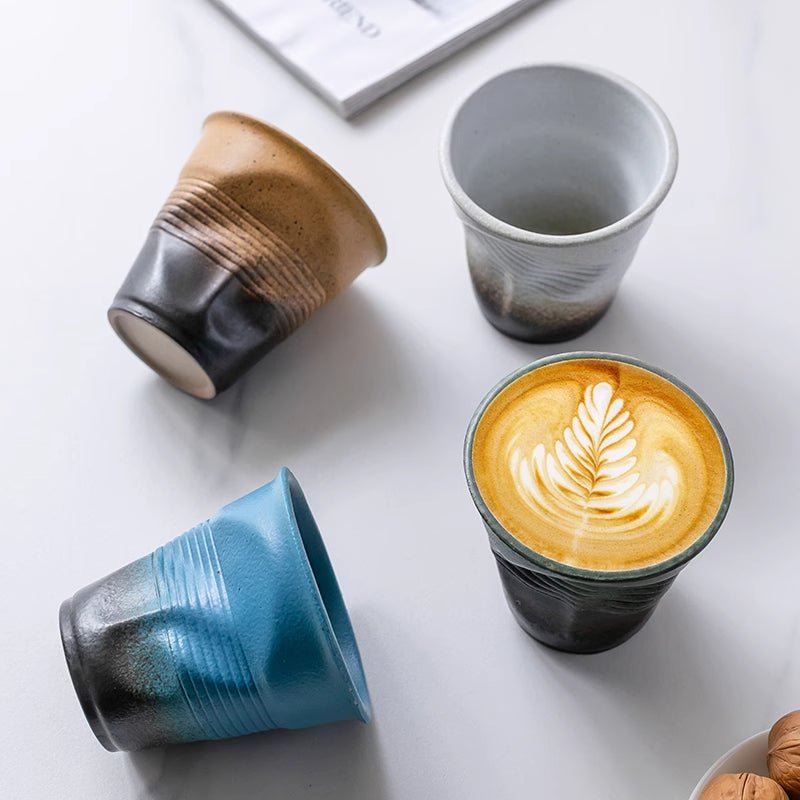
Fancy Tea Cups: How to Choose a Beautiful Set That Still Works Daily
Reading time: about 9 minutes
We see the same pattern in our store again and again: shoppers want fancy tea cups that look polished on a kitchen counter, but they still need to feel steady in the hand during a weekday refill. The cups that stay in rotation are usually the ones that balance style with a flat base, a comfortable handle, and a finish that does not turn into a cleanup project after one tea session.
If you are comparing options, start with the pieces we keep in our full collection, then narrow by the kind of daily use you actually have in mind. For a cleaner everyday profile, the Planet Coffee Tea Mug gives you a relaxed shape that works well at a desk. The Rhombus Coffee Tea Mug leans more geometric and decorative. If you want something that reads as a gift the moment it is opened, the Handbag Coffee Tea Mug is the most obviously statement-making option.
For a broader buying checklist, our guide to Fancy Tea Cups: What to Look For Before You Buy is a useful companion.
What actually makes a tea cup feel fancy?
Fancy is not just about gold trim or a decorative shape. In real use, a cup feels premium when the proportions make sense, the rim is smooth, and the piece sits evenly on the table without rocking. That is what your hand notices first, even before the design gets any credit.
In practice, we look for a few details that separate a display piece from something you will actually reach for:
- A stable base that sits flat on a counter or saucer.
- A rim that feels even against the lips, with no rough spots or glaze buildup.
- A handle with enough clearance for fingers, especially if you drink tea while working or reading.
- A finish that suits your routine, whether that is glossy and easy to wipe or matte and more decorative.
- Decoration that stays away from high-wear areas such as the handle edge and cup rim.
The cups that look beautiful in photos but disappoint in person usually have one of three issues: a wobbly foot ring, a handle that is too small for adult fingers, or a body shape that looks elegant but feels awkward once it is full of hot liquid. That is why we tell shoppers not to buy fancy tea cups only for the surface design. The shape matters just as much.
If you want a category-level overview of style and build, our article on Fancy Cups: What to Buy for Daily Use, Gifting, and Display lines up well with this decision.
Which materials and finishes hold up best?
Most fancy tea cups fall into the ceramic family, but the specific feel changes a lot depending on the body and finish. Porcelain tends to feel lighter and more refined. Stoneware usually feels a little heavier and more grounded in the hand. Both can work well, but they serve different buyers.
Here is the practical version we use when helping customers compare them:
| Material or finish | What it does well | What to watch for |
|---|---|---|
| Porcelain | Feels refined, often has a thinner rim, good for formal settings | Can chip if the rim is very thin or the cup gets knocked in a sink |
| Stoneware | Usually feels sturdy, comfortable for everyday tea, less delicate in the hand | Can be heavier and less ideal if you want a very light cup |
| Glossy glaze | Wipes clean more easily and usually looks bright under kitchen light | Fingerprints and water spots can show, especially on darker colors |
| Matte or textured finish | Looks modern and can feel more tactile | Tea stains and residue may be more visible if the cup is not rinsed promptly |
There is also a care angle that buyers overlook. If a cup has metallic trim, hand-painted accents, or an unusual decorative surface, we treat it as hand-wash first unless the product page clearly says otherwise. The same goes for microwave use. If the listing does not confirm it, assume the safer path is to avoid heat testing or repeated dishwasher cycles.
That sounds cautious because it is. We would rather have a cup keep its finish than have a pretty accent wear off after a few hot washes. Common defect modes on lower-quality pieces are easy to spot once you know where to look: uneven glaze at the rim, pinholes in the surface, paint wear around the handle seam, and a base that does not sit perfectly level.
Which shape is easiest to live with every day?
Shape changes the experience more than most shoppers expect. A tea cup with a wider mouth lets aroma open up sooner, while a narrower top holds heat a little longer. A rounded body feels relaxed and casual, while a sharper geometry reads as more decorative and modern.
If you drink tea at a desk, for example, you usually want a shape that is easy to lift with one hand and easy to set down without looking. That is where the Planet Coffee Tea Mug makes sense: it feels less formal, less fussy, and easier to keep on a work surface. The Rhombus Coffee Tea Mug suits buyers who want a more architectural look. It has more visual edge, which is useful if the cup is part of the decor as much as part of the routine.
For size and volume questions, our guide to Large Cups for Tea: How to Choose the Right Size and Shape is worth reading before you order. A larger cup is not automatically better. If the cup is too big for your usual pour, the tea can cool before you finish it. If it is too small, you will keep refilling it and lose the calm part of the experience.
Here is how we compare shapes in real use:
- Rounded profiles suit everyday sipping, office desks, and people who like a softer look.
- Angular profiles suit modern shelves, minimalist kitchens, and buyers who want the cup to feel like an object, not just a vessel.
- Novelty shapes suit gifting and display first, daily tea second.
The trade-off is simple. The more sculptural the cup, the more likely it is to be awkward in tight cabinets, harder to stack, or less forgiving in a busy sink. That does not make it a bad buy. It just means you should buy it for the right reason.
Which fancy tea cups work best for gifts, offices, and display?
We usually separate buyers into three groups. Some want a cup they will use every morning. Some want a gift that looks special out of the box. Others want a decorative piece that earns a place on a shelf or sideboard. Fancy tea cups can serve all three, but rarely with equal strength.
If you are buying for a gift, the biggest advantage is instant visual impact. That is where the Handbag Coffee Tea Mug stands out. It is the most distinct of the three styles here, which makes it memorable for an unboxing moment. The downside is that novelty shapes are not always the easiest to store, stack, or wash quickly. If the recipient prefers a simple cup they can throw into a routine without thinking, a less sculptural style may be the safer pick.
For office use, we usually recommend a cup with:
- A stable base that sits well beside a keyboard or notebook.
- A finish that does not show every fingerprint after one meeting.
- A shape that is easy to grip without overheating the fingers.
For display use, you can afford to be more expressive. A more unusual profile can look excellent in a cabinet or on a tray, especially if the rest of the room is restrained. Just do not buy a display-first cup and then expect it to behave like a plain breakfast mug.
If your purchase is meant to cover gifting and daily use at the same time, our store experience says to lean toward the middle ground: distinctive enough to feel special, but simple enough that the person does not hesitate to use it. That is the sweet spot most buyers are actually after, even if they start by asking for something fancy.
What should you check on the product page before you buy?
We check the same details on every listing because those details predict whether a cup will be loved or left in a cabinet. Photos matter, but the small practical notes matter more.
- Confirm the material so you know whether you are buying porcelain, stoneware, or another ceramic body.
- Look for care guidance on hand washing, dishwasher use, and microwave use.
- Examine the handle and base in the photos if possible; those are the first places comfort issues show up.
- Decide what the cup is for: daily tea, guest service, gifting, or display.
- Compare the silhouette with other options in the collection so you do not buy a style that looks good alone but clashes with the rest of your kitchen.
We also recommend thinking about how the cup will actually enter your routine. A cup that needs extra care after every wash is fine if you are buying it as a display piece. It is not fine if you expect it to survive a rushed weekday sink cleanup without attention. That is the difference between a pretty purchase and a useful one.
Frequently asked questions
Are fancy tea cups practical for daily use?
Yes, if the shape and finish are sensible. A fancy cup can be fully practical when it has a flat base, a comfortable handle, and a surface that is easy to clean. The ones that cause regret are usually decorative first and functional second.
What material is best for fancy tea cups?
Porcelain is a strong choice if you want a lighter, more refined feel. Stoneware is a good fit if you prefer something sturdier in the hand. The best option depends on whether you want a formal table look or a more durable everyday cup.
Are novelty-shaped tea cups good for hot tea?
They can be, but they are usually better for gifting or display than for the most convenient daily use. The main thing to check is whether the shape still gives you a stable base and a comfortable hold when the cup is full. If it does not, keep it as a statement piece rather than a weekday staple.
Should I choose a larger cup if I drink tea all day?
Usually yes, but only if the size fits your pour. A larger cup can make fewer refills necessary, but an oversized cup can also cool too fast if you only drink a small amount at a time. Match the volume to your habit, not just to the look.
How do I keep fancy tea cups looking good?
Use the care method the product page recommends, and do not assume every decorative cup can handle the dishwasher or microwave. Rinse tea stains promptly, avoid abrasive scrubbers, and store delicate pieces where rims and handles will not knock against each other. That prevents the most common wear issues we see.
What should you compare next?
If you want a quick buying shortcut, compare these four things side by side: shape, material, care instructions, and the job the cup needs to do. Then decide whether you want something understated for daily tea, something more sculptural for gifting, or something that lives mainly on display.
- Start with the full collection if you want to compare styles in one place.
- Open the product pages for the Planet Coffee Tea Mug, Rhombus Coffee Tea Mug, and Handbag Coffee Tea Mug to see which shape fits your routine.
- If you still want help choosing, go back to the buying checklist in our article on Fancy Tea Cups: What to Look For Before You Buy.
That is the safest way to buy fancy tea cups without ending up with a piece that looks good in photos and awkward on your counter.
Read more
Mineral Crystal Coffee Mug: What to Check Before You Buy
A mineral crystal coffee mug can look great on a desk or breakfast table, but the details matter more than the finish. This guide covers size, glaze, handle feel, and care so you can choose a mug t...
Read more
Snowman Coffee Mug Buying Guide: Materials, Sizes, and Gift Fit
A practical guide to choosing a snowman coffee mug that fits real use: size, material, care, and which styles work best as seasonal gifts.
Read more
Los kommentaar
This site is protected by hCaptcha and the hCaptcha Privacy Policy and Terms of Service apply.