
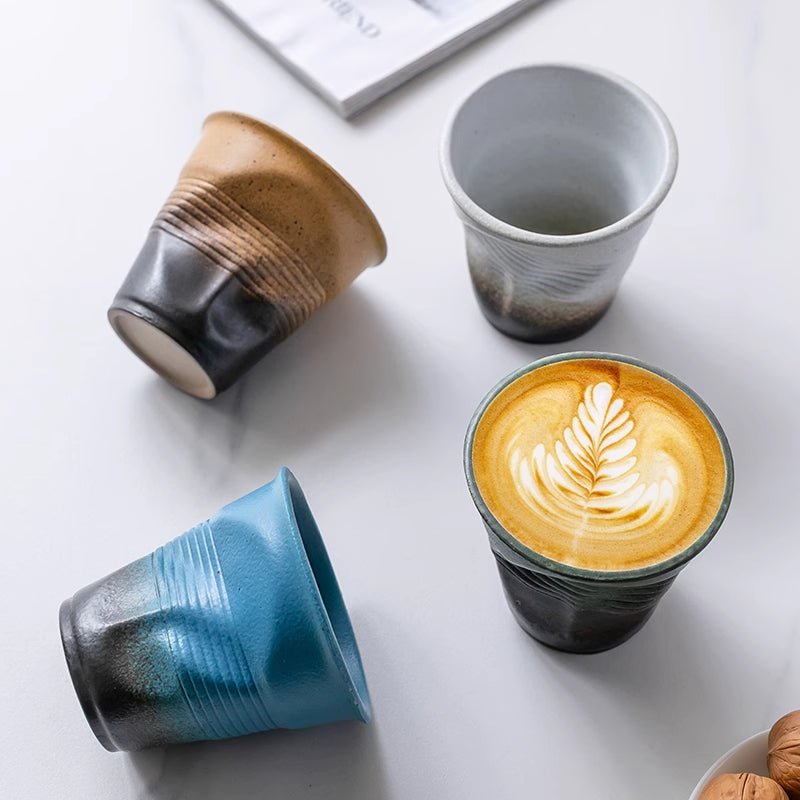
Fancy Coffee Cups: How to Choose One That Still Works Daily
Reading time: about 9 minutes
The fastest way to spot a disappointing mug is on a busy morning: the handle pinches your fingers, the rim feels rough, or the cup looks beautiful until it meets a dishwasher cycle. We see that pattern a lot in our store. Fancy coffee cups only feel worth buying when the finish, balance, and size all make sense in real use.
If you are comparing options, start with the full range in our collection of all mugs and cups. If you want a straightforward everyday shape first, the Morning Night Coffee Tea Mug is a practical place to begin because it suits coffee and tea without feeling overly specialized.
What makes fancy coffee cups worth buying instead of just pretty?
A cup earns the word “fancy” when it does more than sit on a shelf. It should feel pleasant in the hand, pour cleanly without drips around the lip, and keep its visual appeal after regular washing. In our experience, shoppers are happiest when the cup looks elevated but still behaves like a daily kitchen item.
We usually look at three things before we recommend any cup to a customer:
- Rim comfort: a smooth, even lip matters more than most people expect. A slightly rough or uneven rim is noticeable every single day.
- Handle clearance: a handle should leave enough room for a comfortable two- or three-finger grip. Too tight, and the cup feels awkward when full.
- Base stability: the foot ring or bottom should sit flat. A cup that wobbles on a counter is irritating and can feel cheap even if the design is beautiful.
That is why we often point buyers to our buying guide, Fancy Coffee Cups: What to Check Before You Buy. It covers the practical details that are easy to miss when you are focused on the pattern or shape.
Fancy coffee cups are also not the same thing as fragile display pieces. If you want something only for a cabinet shelf, that is a valid choice. If you want something for a desk, a breakfast table, and repeated washing, the finish and construction matter far more than a decorative silhouette alone.
Which shape fits your drink routine best?
The right mug shape depends on what you actually pour into it. A cup that feels perfect for black coffee can be too large for espresso, and a wide tea cup can feel clumsy if you like a quick drip coffee refill. We try to match the cup to the habit, not the other way around.
| Cup | Best for | Why shoppers choose it | Trade-off |
|---|---|---|---|
| Morning Night Coffee Tea Mug | Daily coffee, tea, and mixed use | Flexible enough for a kitchen, office desk, or gift box | Not the most dramatic choice if you want a sculptural statement piece |
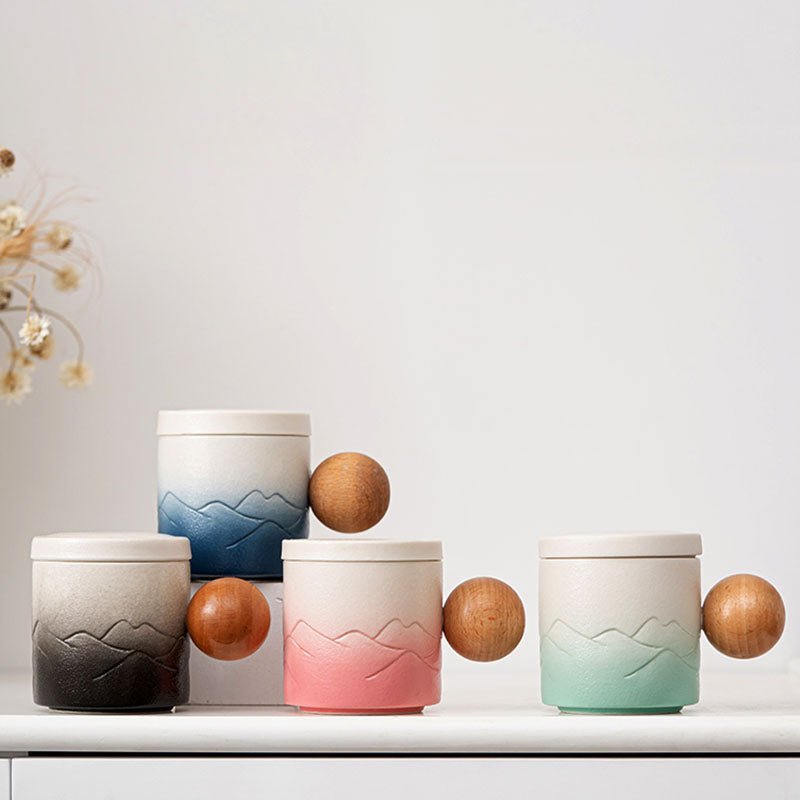
| Mountain Coffee Tea Mug | Buyers who want a more visual, nature-inspired look | Feels more decorative without losing daily utility | Less minimal, so it may not suit a very plain table setup |
| Great Mountain Coffee Tea Mug | Gift giving and display-friendly kitchens | Good choice if you want a stronger design presence | Not ideal if you prefer the quietest, simplest silhouette |
If you want to compare those options in context, browse the product pages directly and decide based on the cup you reach for most often. That is usually better than choosing by looks alone.
One practical rule we use: smaller cups suit stronger drinks; larger cups suit longer pours. If you drink espresso or a short flat white, a very large cup can make the drink feel lost and cool too quickly. If you drink drip coffee or tea over a long stretch, a compact cup can leave you refilling sooner than you want.
What should you check in the material and finish?
Material is where fancy coffee cups either feel good for years or start showing problems early. Ceramic is the broad category, but within that you will still see differences in weight, glaze quality, wall thickness, and edge finish. Porcelain tends to feel lighter and more refined; stoneware usually feels a bit denser and more grounded in the hand.
We inspect for the same common defect modes buyers should watch for at home:
- Glaze pinholes: tiny surface dots that can interrupt the finish.
- Crazing: fine crack lines in the glaze. Sometimes intentional in style, sometimes a durability concern.
- Uneven rims: the mouth of the cup should feel smooth all the way around.
- Rough foot rings: a sharp bottom edge can scratch a table or feel unfinished.
- Handle joins: where the handle meets the body should look clean and sturdy, not lumpy or stressed.
Care matters as much as finish. If a mug is dishwasher-safe, it still needs a glaze that holds up to repeated wash cycles without dulling quickly. If you prefer hand washing, you have more flexibility with delicate surfaces, but you also need to accept the extra maintenance. Fancy coffee cups that rely on fragile decoration are not the best choice for a shared office kitchen or a home with a very busy sink.
For a more visual buying checklist, our article Beautiful Coffee Cups for Daily Use and Gifting is a useful companion piece. It is especially helpful if your purchase has to work for both presentation and daily routine.
How do you tell if a cup will feel good on your desk or in your hand?
This is where many buyers get burned. A cup can look elegant online and still be awkward in real use. A mug that is too tall can feel top-heavy on a cluttered desk. A mug that is too wide can be harder to hold if you wrap your whole hand around it. A very thin cup may feel refined, but it can also transfer heat faster than you want.
Our team pays attention to a few simple checks when we handle cups in the store:
- Balance: set it on a flat counter. It should not rock.
- Grip: slide your fingers through the handle. You should not need to force your knuckles.
- Heat feel: a well-made cup should feel comfortable enough to carry after a normal pour, not like you are rushing it to the table.
- Desk footprint: make sure the base leaves room for a spoon, laptop, notebook, or mouse pad if that is where you drink.
This is also where style trade-offs become obvious. A large decorative mug can be great for slow mornings, but it may be a poor choice for an espresso machine station or a crowded office desk. A simple, well-proportioned cup often wins because it disappears into the routine instead of demanding attention.
If you want to compare what makes a cup genuinely worth buying beyond the photo, see Coffee Cups Cool: What Makes a Mug Worth Buying. It is a good check before you choose a design just because it photographed well.
Which fancy coffee cups are best for gifting?
Gift shopping changes the equation. A mug for yourself can be highly specific. A gift needs to feel thoughtful, but it also needs to be usable by someone whose kitchen setup you do not know. That means we look for designs that are distinctive without being fussy.
For gifting, we usually recommend this order of priorities:
- Neutral usability: coffee and tea both fit the cup comfortably.
- Easy care: the recipient should not need special handling unless the design clearly calls for it.
- Clear visual identity: the cup should look special when opened, photographed, or placed on a desk.
- Low regret: avoid shapes that are too niche unless you know the person’s routine very well.
The Mountain Coffee Tea Mug and Great Mountain Coffee Tea Mug are better picks if the gift needs a stronger visual moment. The Morning Night Coffee Tea Mug is the safer all-around option if you want something that feels calm, useful, and easy to place in almost any kitchen.
For shoppers comparing giftability and everyday use together, our article Beautiful Coffee Cups for Daily Use and Gifting goes deeper into that balance. It is especially relevant if you are buying for a coworker, host, or someone who is picky about clutter.
What are fancy coffee cups not good for?
Fancy coffee cups are not the right answer for every drink or every household. That sounds obvious, but it saves buyers a lot of frustration. We would not recommend choosing a decorative mug as your main travel cup, because an open ceramic cup is not meant for a bag, a car holder, or commuting.
They are also not the best fit for:
- Travel use: if you need a sealed lid, insulation, and spill protection, buy a travel mug instead.
- High-volume office refill stations: if the cup lives around other people’s dishes, choose something durable and easy to identify.
- Very small espresso rituals: oversized fancy mugs can overwhelm shorter drinks.
- Rough handling: if the cup will be stacked, shoved into tight cabinets, or washed in a sink full of metal tools, choose a simpler, sturdier design.
That trade-off matters. Fancy coffee cups are usually about the experience of the drink as much as the drink itself. If your priority is insulation, portability, or maximum durability, a different category is the better purchase. If your priority is a better-looking morning at the kitchen counter, the right mug can make sense immediately.
Frequently asked questions
What size fancy coffee cup is best for daily use?
Most daily-use buyers are happiest in the 12 to 14 oz range for drip coffee and tea. Smaller 8 to 10 oz cups work better for espresso-based drinks or people who want a shorter pour. Bigger mugs are useful if you refill less often, but they can feel oversized for concentrated drinks.
Are fancy coffee cups safe for the dishwasher?
Many ceramic cups are dishwasher-friendly, but not all finishes age the same way. Repeated washing can dull delicate decoration or expose glaze problems if the cup was poorly made. If a mug has special detailing, hand washing is the safer choice unless the maker clearly says otherwise.
What should I inspect when the mug arrives?
Check the rim, handle, and base first. The rim should feel smooth, the handle should not wobble or feel sharp, and the base should sit flat on a table. Also look closely for glaze pinholes, rough spots, and any crack lines in the finish.
Are fancy coffee cups a good gift?
Yes, if you choose a shape that works for both coffee and tea and is easy to live with. The best gift cups look distinctive but not fragile, and they should not require special care just to be practical. If the person is picky about function, choose a safer everyday shape rather than a very sculptural one.
Should I buy a decorative cup or a plain one?
If the cup will live on a shelf or be used occasionally, decorative makes sense. If it will sit on a desk, go through the dishwasher, and get used every day, a simpler shape usually ages better. We generally recommend choosing the more practical option unless the design is the main reason you want it.
If you want the shortest path to a good purchase, use this checklist: pick the drink size first, check the rim and handle, decide how much care you want to give it, then compare the available styles in our collection of all mugs and cups. That is the most reliable way to buy fancy coffee cups that still work in a real kitchen.
Read more
Interesting Coffee Mugs for Everyday Use and Gifting
We compare interesting coffee mugs that add character without getting in the way of a real morning routine. See which styles fit a desk, a kitchen shelf, or a gift that needs to feel more considered.
Read more
Beautiful Coffee Mugs for Everyday Use: How to Choose
We break down what makes beautiful coffee mugs worth buying for daily use, from handle comfort and glaze quality to size and shape. You’ll also see which styles fit a desk, a gift, or a slower morn...
Read more
Los kommentaar
This site is protected by hCaptcha and the hCaptcha Privacy Policy and Terms of Service apply.