
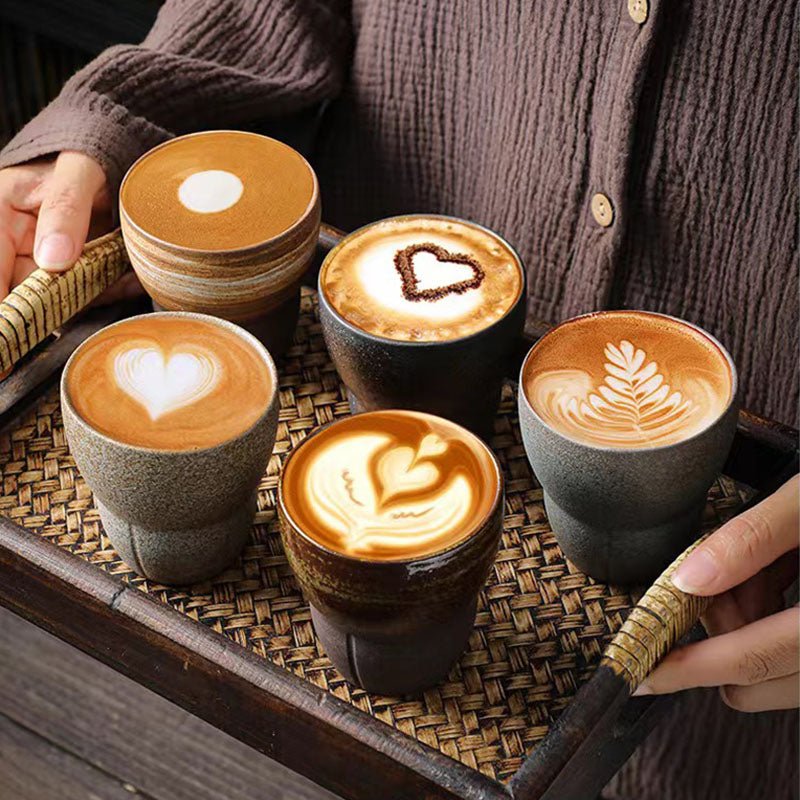
Espresso Coffee Mugs: How to Choose the Right Size, Shape, and Material
Reading time: about 9 minutes
A shot of espresso loses heat fast. Set it in the wrong cup, and the first sip is already flatter than it should be. We see that problem a lot: buyers want espresso coffee mugs that feel comfortable, hold heat well, and still fit under a machine or on a crowded office counter.
At CoffeifyMug, we handle a lot of mug comparisons for shoppers who are trying to get the details right before they buy. Some want a straight espresso cup for daily shots. Others want a small mug that can also handle a macchiato or a short cappuccino. The best choice depends on size, wall thickness, material, and how you plan to wash and store it. If you want to browse what we carry while you read, start with our product page or take a broader look through the full collection.
What makes espresso coffee mugs different from regular coffee mugs?
Espresso coffee mugs are built for a smaller serving and a shorter drinking window. A standard 12 oz or 16 oz mug can work for drip coffee, but it is often too large for a true espresso shot. The drink spreads out, cools faster, and the proportions feel off. A better espresso mug usually has a capacity closer to 2 to 6 oz, though some buyers prefer a slightly larger cup for double shots or milk-based drinks.
We usually tell shoppers to check three things first:
- Capacity: Enough for a single or double shot without looking empty or overflowing.
- Rim shape: A rounded lip feels better on the mouth than a thick, squared edge.
- Wall thickness: Thicker walls help retain heat, but they also make the cup feel heavier.
That trade-off matters. A very tiny espresso cup looks authentic, but it may not suit someone who adds a splash of milk or prefers a larger serving. If that sounds like you, our breakdown of 8 ounce coffee mugs is a useful bridge between true espresso sizing and everyday small mugs.
Which size should you buy for espresso shots?
Size is the first decision we help shoppers make because it affects everything else. A cup that is too large makes a single shot look lost. One that is too small can splash when poured from a machine or a moka pot.
| Use case | Practical size range | What usually works best |
|---|---|---|
| Single espresso | 2 to 4 oz | Small ceramic or porcelain cup with a narrow opening |
| Double espresso | 4 to 6 oz | Sturdier mug with a bit of extra room |
| Espresso with milk | 5 to 8 oz | Small mug or demitasse-style cup with a handle |
| Gift use | 4 to 8 oz | Versatile cup that still feels special on a tray |
For shoppers comparing everyday mug sizes, our guides on 12 oz coffee mugs and 16 oz coffee mugs show how much size changes the drinking experience. Those larger mugs are great for longer pours, but they are usually overkill for espresso unless you are making a layered drink or want one cup that does more than one job.
In practice, we find that buyers who use a home espresso machine usually end up happiest with a cup that is just large enough for a double shot and crema. It looks intentional on the saucer and gives you a little breathing room for pour control.
Which materials are best for espresso coffee mugs?
Material changes how hot the drink stays, how the cup feels in the hand, and how much wear it can take in the dishwasher. The most common options are ceramic, porcelain, stoneware, and double-walled glass. Each one has a place, and each one has a drawback.
Ceramic and stoneware
Ceramic is the workhorse option. It usually feels solid, handles everyday use well, and is easy to match with other kitchen pieces. Stoneware tends to feel a little heavier and more rustic. That can be a plus if you want a mug with more presence, but it can also make a tiny espresso cup feel bulkier than expected.
Porcelain
Porcelain is the clean, refined choice. It often has thinner walls and a smoother finish, which is why it is common in café-style espresso service. The trade-off is that very thin porcelain can feel delicate if you are rough on dishware or stack cups tightly in a cabinet.
Glass
Double-walled glass is popular with shoppers who like to see the crema layer. It also keeps hands cooler on the outside. The downside is practical: glass can show fingerprints, and some buyers do not like the more fragile feel, especially around a busy sink or office break area.
Our experience is that ceramic and porcelain are the safest everyday bets for espresso coffee mugs. Glass is better when presentation matters. Stoneware is best if you want a heavier, more tactile cup and do not mind the extra weight.
What details should you check before you buy?
Small mugs can still be badly designed. We see a few defect patterns and usability issues over and over, and they are worth checking before you order.
- Look at the handle size. A tiny cup with a cramped handle is annoying fast, especially if you have larger fingers or tend to drink your coffee quickly.
- Check the base. A flat, stable base matters on a café tray, an office desk, or a narrow kitchen shelf. Wobbly cups are frustrating and easier to knock over.
- Inspect the glaze or finish. Uneven glaze can feel rough at the rim, and overly glossy surfaces may show smudges more clearly.
- Confirm dishwasher and microwave care. If a mug is hand-wash only, that should be a deliberate choice, not a surprise after purchase.
- Think about stacking. Some espresso mugs nest neatly. Others take up more cabinet space because of handle shape or thicker walls.
These details sound small, but they are the difference between a cup that gets used every day and one that gets pushed to the back of the shelf.
We like espresso coffee mugs that feel balanced in the hand, not just photogenic on a shelf. If a cup is attractive but awkward to wash, hard to stack, or too thin to hold heat, most buyers stop reaching for it.
Are espresso coffee mugs good for everyday use?
Sometimes yes. Sometimes no. That depends on your coffee routine.
If you drink straight espresso, a small mug is ideal. If you rotate between espresso, cortados, and small milk drinks, a slightly larger espresso cup can be more practical. A cup in the 5 to 8 oz range often gives you the most flexibility without losing the compact feel.
That said, espresso coffee mugs are not the best pick if you want one cup for long desk sessions, cold brew, or large pour-over servings. For those needs, a larger format works better. If you are comparing bigger options for your daily brew, see our 20 ounce coffee mugs guide or our buyer’s guide to large capacity coffee mugs. Those pieces are useful if you want one mug that stays with you through a long morning.
For office use, smaller cups can be excellent because they fit under compact espresso machines and do not take over the break room. For gifting, they also work well when paired with a bag of beans, a scoop, or a small plate. The limitation is simple: they are not the right cup for someone who drinks a full mug of coffee at once.
How should you care for espresso coffee mugs so they last?
Most espresso coffee mugs are easy to maintain, but care depends on the finish and construction. Our store sees the longest-lasting pieces when shoppers avoid thermal shock and use normal, not aggressive, cleaning habits.
- Let hot cups cool before rinsing. Rapid temperature changes can stress ceramic and glass.
- Use a soft sponge for decorated surfaces. Harsh scrubbers can dull printed graphics or glossy glaze.
- Check for dishwasher guidance. Dishwasher-safe mugs are convenient, but hand washing may still help preserve color and finish longer.
- Avoid stacking rough-rimmed pieces tightly. That can lead to tiny chips on the lip or base over time.
If a mug is microwave-safe, that is handy for warming a cup before pulling a shot. Still, not every material or finish should go in the microwave. If that matters to you, confirm it before buying rather than assuming every espresso mug behaves the same.
What kind of buyer should choose a small mug instead of a traditional espresso cup?
A small mug makes more sense than a traditional demitasse-style cup for buyers who want flexibility. We usually recommend that route for people who drink espresso with a little milk, prefer a more relaxed handle, or want a cup that feels less formal on the table.
Traditional espresso cups are better for purists and café-style presentation. Small mugs are better for daily use, gifting, and homes where the cup needs to pull double duty. If you are the kind of shopper who wants one piece that can handle a shot, a ristretto, or a short macchiato without feeling overly delicate, a small mug is often the better buy.
Our general advice is straightforward: choose the smallest size that still fits your real routine. Anything bigger than necessary starts to work against the drink.
Frequently asked questions
What size are espresso coffee mugs supposed to be?
Most espresso coffee mugs fall somewhere around 2 to 6 oz. A single shot usually fits well in the smaller end of that range, while a double shot or a milk-forward espresso drink often needs a little more room. If you prefer flexibility, a 5 to 8 oz cup can be easier to live with.
Are espresso coffee mugs dishwasher safe?
Many are, but not all. Ceramic and porcelain are often dishwasher-friendly, while printed finishes, metallic accents, or some glass designs may need gentler care. Always check the care notes for the specific mug before you order.
Can I use espresso coffee mugs for other drinks?
Yes, but they are best for small servings. They work well for espresso, macchiatos, cortados, and tasting portions of hot chocolate or tea. They are not the right choice for long drinks or full mugs of drip coffee.
What is better for espresso, ceramic or glass?
Ceramic is usually the more practical everyday choice because it feels sturdy and keeps heat reasonably well. Glass is better if you care most about seeing the crema and watching the drink layer. If you want the cup to survive busy kitchen use, ceramic usually has the edge.
Do espresso coffee mugs need handles?
Handles are helpful, especially if the cup is hot or the walls are thick. Some handleless espresso cups look elegant, but they are less forgiving in daily use. If comfort matters more than presentation, choose a handled mug.
If you are ready to compare options, start with the sizes you actually use most and check the material, care instructions, and handle shape before adding anything to cart. Then browse our full collection to find an espresso mug that fits your routine, not just your shelf.
More from our blog
Read more
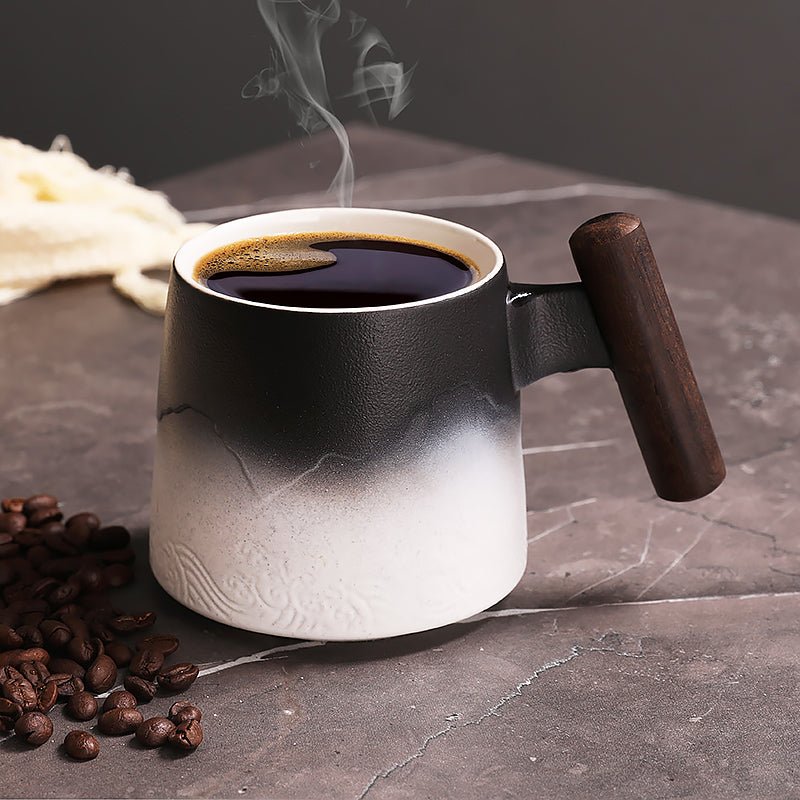
Transparent Glass Coffee Mugs: What Buyers Should Check Before Ordering
Transparent glass coffee mugs show off the drink, but the right one should also feel balanced in the hand and hold up to daily washing. Here’s what we check in our store before we recommend a style.
Read more
Kiss My Whole Ass Coffee Mug: What Buyers Should Check Before Ordering
A practical buyer’s guide to choosing a kiss my whole ass coffee mug for gifting, daily use, or a desk statement piece. We cover size, material, care, and the trade-offs that matter before you buy.
Read more
Los kommentaar
This site is protected by hCaptcha and the hCaptcha Privacy Policy and Terms of Service apply.