
Espresso Coffee Mug Sets for Daily Shots, Gifts, and Small Kitchens
Reading time: about 9 minutes
A shot of espresso looks wrong in a cup that is too wide, too tall, or awkward to hold. On our counter, we check the same things buyers notice at home: does the cup sit flat, does the handle leave enough room for two fingers, and does the shape keep the drink looking like espresso instead of a half-finished latte?
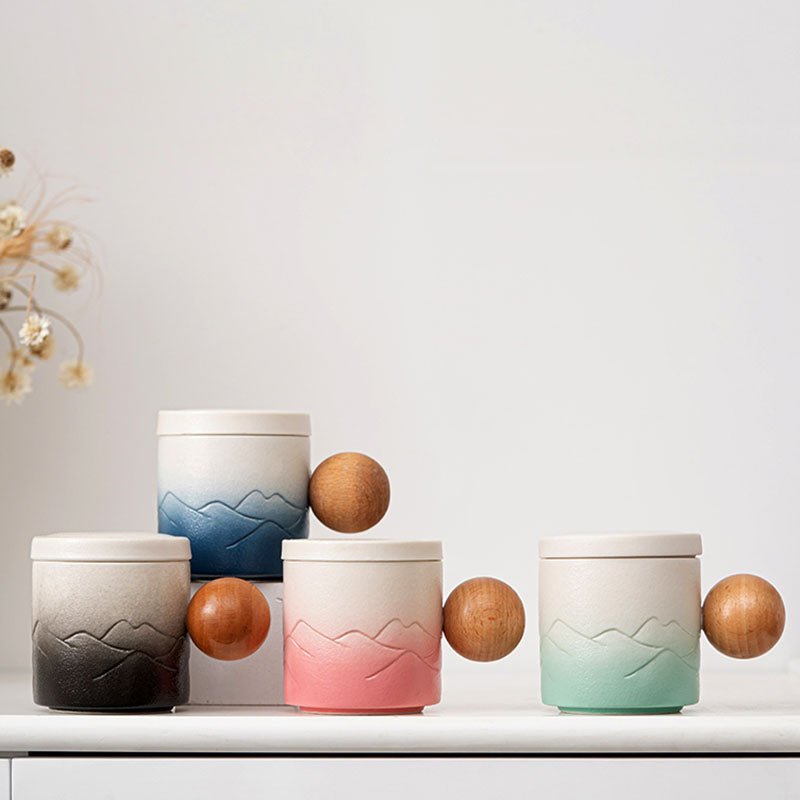
If you are comparing espresso coffee mug sets for daily use, start with our current collection, then compare the shape and feel of the Retro Coffee Tea Cup, the Ball Handled Coffee Tea Mug, and the Pleated Coffee Tea Cup. In our store, these are the kinds of pieces people buy when they want something that works on a kitchen counter, an office desk, or in a gift box without feeling oversized.
What should a real espresso set do on the counter?
A good espresso set has a narrow job. It should fit a single shot or a short double without making the drink look lost, and it should be easy to carry from machine to table without finger gymnastics. We see the best buyers focus less on decoration and more on the parts that affect daily use.
The most practical espresso cups usually sit in the 2 to 4 oz range for straight espresso. If the drinker likes a short lungo or adds a little milk, a slightly larger cup can make sense. A cup that is too large does not ruin the coffee, but it changes the experience: crema spreads thinner, the drink cools faster, and the presentation feels less precise.
Here is what we look for before we recommend a set:
- Stable base: the cup should not wobble on a flat saucer or countertop.
- Handle clearance: a real grip matters more than a cute silhouette. If two fingers cannot pass through comfortably, the cup becomes annoying fast.
- Rim feel: a smooth, even rim is easier on the lips and usually feels more refined than a thick or uneven edge.
- Glaze consistency: watch for pinholes, rough spots, or visible drips under the glaze. Those are the details that make a set feel cheap even when the shape is good.
If you want a broader buying framework before comparing shapes, our guide on how to choose the right set goes deeper into fit, capacity, and presentation. It pairs well with the product pages because it helps you separate what looks nice in a photo from what actually works at the machine.
Which shape fits straight espresso, lungo, or milk drinks?
Shape changes how the drink lands on the table. A straighter cup usually reads more traditional and keeps the espresso visually compact. A wider or more decorative profile can be better if you want the set to double as a serving cup for tea, tiny desserts, or a small milk drink.
| Style | Best for | What buyers usually notice | Trade-off |
|---|---|---|---|
| Retro Coffee Tea Cup | Classic espresso service, shelf display, simple kitchens | Clean lines and an easy, familiar look | Less visual drama than a textured or sculptural cup |
| Ball Handled Coffee Tea Mug | Gift sets, desk use, buyers who want a more distinctive handle | Handle detail feels different in the hand and stands out in a set | Not the most minimal option if you want a plain cafe look |
| Pleated Coffee Tea Cup | Display shelves, vintage-inspired kitchens, small servings with visual texture | Surface detail adds character and makes the set feel more finished | Fluted or pleated surfaces can take a little more care when washing and drying |
The shape question matters most if you pull espresso every day. A straight, simple cup is easier to stack, faster to wash, and less likely to catch a fingerprint on a busy counter. A more decorative cup can be the right answer for gifting or for a kitchen where the cups live on open shelves and need to look good all day.
If you are pairing cups with a larger mug set for daily use, our article on coffee mug sets for daily use helps explain where an espresso set fits and where it does not. That distinction matters because many buyers want one set for both morning shots and afternoon coffee, but the best cup size for each job is rarely the same.
How do our three cup styles compare in real use?
We handle a lot of sets that look similar online but behave differently on the counter. The practical differences are usually not dramatic, but they matter. One cup feels steadier in the hand. Another is easier to gift because it has more visual character. Another simply slips into a smaller cabinet better.
Here is the short version we give customers who want espresso coffee mug sets without overthinking it:
- Choose the Retro Coffee Tea Cup if you want the most straightforward everyday look and you care about easy matching with other tableware.
- Choose the Ball Handled Coffee Tea Mug if the handle design matters to you and you want the set to feel a little more distinctive when opened as a gift.
- Choose the Pleated Coffee Tea Cup if you want texture and a more decorative silhouette without going all the way into novelty territory.
There is a trade-off in every direction. Cleaner shapes are easier to store and usually easier to keep looking uniform. More detailed cups stand out in photos and gift boxes, but they can demand more attention when stacked or dried by hand. If your kitchen already feels crowded, the simplest shape is often the smarter buy.
We also tell buyers to think about the machine they are pairing with the cups. On a compact espresso machine or a crowded office counter, the right cup is one that can sit under a spout without forcing you to angle it awkwardly. If the set will live beside a grinder, tamper, and milk pitcher, a smaller profile usually saves frustration.
What matters for daily care and durability?
Real-world durability is not about one dramatic drop. It is about the small routine problems: cups getting bumped into a sink divider, stacked too tightly in a cabinet, or run through wash cycles that are harsher than expected. That is where weaker glaze, thin handles, and uneven bases start to show their flaws.
We recommend checking the care instructions on each product page before buying. If a set is marked for hand washing, treat that as the safe route. If it is dishwasher-safe, leave enough space between pieces so the rims do not knock together. Either way, avoid sudden temperature changes. A hot cup straight from an espresso machine into cold water is one of the fastest ways to stress the surface.
Common issues buyers should watch for with espresso cups include:
- Rim chipping: often caused by tight stacking or contact with metal tools.
- Glaze crazing: fine surface lines that can appear after repeated heat cycling on lower-quality pieces.
- Handle stress: handles that feel solid in photos but thin out where they meet the body.
- Base wobble: a small flaw that becomes obvious every time the cup lands on the saucer.
Those are the reasons we prefer to talk about the set as a working tool, not just decor. A cup can look excellent on a product page and still be annoying if it chips easily, dries badly, or feels unbalanced in the hand. If you want more storage context for cabinets, office shelves, or gift wrapping, our article on coffee mug storage options is useful alongside this guide.
Are these better for gifts, offices, or small kitchens?
Yes, but not all in the same way. Espresso coffee mug sets make strong gifts because they feel intentional without taking up much space in a box. They also work well in offices where people want a small, personal cup rather than a full-size mug that sits cold for half the morning.
For small kitchens, the main win is footprint. A proper espresso cup set takes far less cabinet space than larger drinkware, and a matching set looks cleaner on an open shelf. The downside is obvious: if you mostly drink drip coffee, pour-over, or large lattes, these are the wrong daily cups. A tiny cup is not a substitute for an 8 to 12 oz mug.
That is why buyers often choose an espresso set for one of three reasons:
- Giftability: the set looks finished and deliberate without requiring a large box or complicated wrapping.
- Routine espresso use: the size fits the drink instead of swallowing it.
- Space-saving storage: easier to stack, line up, and keep visible without crowding the cabinet.
If you are still deciding between a display set and something more utilitarian, the right comparison is not just cup style. It is also how you plan to store it, wash it, and serve from it. Our article on coffee mug storage ideas for kitchens, offices, and gift sets is a good companion piece because storage usually decides whether a set gets used every day or left in the back of the cabinet.
For shoppers who want a simple path, we usually suggest starting with the full collection, narrowing by shape, then checking the product page for the details that matter most: size, care, and whether the set matches the way you actually make coffee.
Frequently asked questions
What size should espresso coffee mug sets be for a standard shot?
Most buyers are happiest in the small espresso range, usually around 2 to 4 oz for a single shot or a compact double. That size keeps the drink looking balanced and makes the crema show better. If you often add milk or pull lungo shots, you may want a slightly larger cup.
Are these cups good for daily dishwasher use?
Only if the individual product page says they are dishwasher-safe. We always advise following the listed care instructions, because the risk is not just cleaning, it is long-term wear from heat, crowding, and contact with other dishes. If a cup is not labeled for the dishwasher, hand washing is the safer choice.
Do espresso cups work for tea or dessert servings too?
They can, especially for small tea pours, tasting portions, or a few spoonfuls of dessert. That said, they are not a replacement for a regular mug or a dessert bowl. If your main goal is everyday tea or larger drinks, a bigger cup set will be more practical.
What should I check before buying a set online?
Check the cup capacity, handle clearance, care instructions, and whether the shape stacks well in your cabinet. Also look at the rim and base in the photos if they are shown clearly. Those small details matter more than a polished product description.
Which of your styles is easiest to gift?
The most giftable set is usually the one that looks finished from every angle and feels balanced in the hand. For many buyers, that means choosing the style that matches the recipient's kitchen rather than the most decorative option. If they like clean lines, the Retro Coffee Tea Cup is the safest starting point.
If you want to narrow your choice quickly, compare the three product pages above, then decide based on one question: will this set be used for daily espresso, displayed on open shelves, or given as a gift. That answer usually makes the right option obvious.
Read more
Texas Coffee Mug: Size, Style, and Gift Fit
A Texas coffee mug should feel good in the hand, fit the way you actually drink, and still look sharp after real use. This guide compares size, material, design details, and gift fit before you buy.
Read more
Corgi Coffee Mug Buying Guide for Size, Material, and Gift Fit
A corgi coffee mug should be more than cute. We break down the sizes, materials, print details, and gift-fit checks that matter before you buy, plus what works best on a desk, in a kitchen, or in a...
Read more
Los kommentaar
This site is protected by hCaptcha and the hCaptcha Privacy Policy and Terms of Service apply.