
Drawing a Coffee Mug: What to Check Before You Buy
Reading time: about 8 minutes
A mug sketch can hide the one thing that matters most: how it feels in the hand after the first refill, the second refill, and the third time you rinse it at the sink. In our store, we look at drawing a coffee mug as a practical check, not just an art exercise. The outline tells you whether the handle has enough clearance, whether the body will sit safely on a desk, and whether the rim looks easy to drink from.
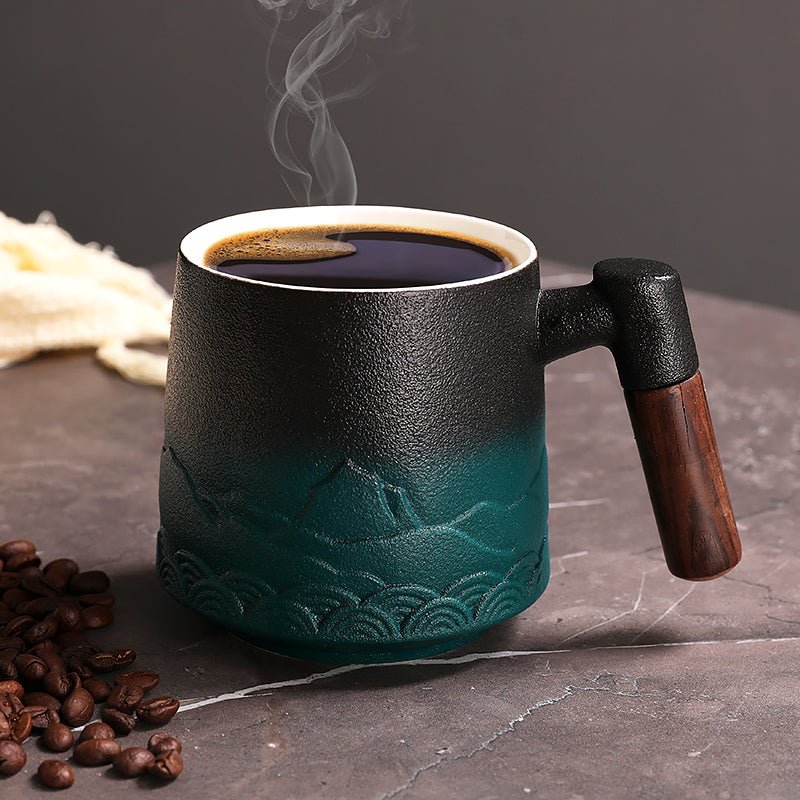
If you want a real product reference while you compare shapes, start with our Green Waves Coffee Tea Mug and then browse our all mugs collection. That gives you a quick way to compare simple everyday silhouettes against more distinctive handle styles before you commit.
What does a mug sketch reveal before you buy?
The drawing matters because it forces you to notice proportions. A mug can look balanced in a product photo and still feel awkward once it is full. We usually start with the rim, body, base, and handle because those four parts decide most of the real-world experience.
When we unbox mugs for our own store checks, the first things we look for are the same things a good sketch should show:
- Handle clearance: If the handle is drawn too close to the cup body, fingers will feel cramped. That matters most for larger hands and for people who drink coffee without a sleeve.
- Rim thickness: A heavy-looking rim often feels clunky at the lips. A clean, even rim usually drinks better and looks better on a shelf.
- Base width: A narrow base can make a mug feel tippy on a crowded desk or beside a laptop.
- Body proportion: Taller mugs can feel elegant, but a wider body is often more stable and easier to clean by hand.
For buyers, the best part of a sketch is that it shows what is missing too. If a drawing ignores handle space, makes the base too small, or leaves the rim uneven, those are not just drawing problems. Those are comfort problems waiting to happen.
Which details in a drawing predict comfort in real use?
Comfort is where pretty art and practical buying separate. A mug can look great in a notebook and still be annoying at a kitchen counter. We see this most often with mugs that have a beautiful profile but poor balance, or a handle that looks stylish but is too thin for a comfortable grip.
| Drawing detail | What it means in hand | What to watch for |
|---|---|---|
| Handle opening | Space for two or three fingers without pinching | A gap that looks decorative but is too tight to grip confidently |
| Rim line | How clean the sip feels | Uneven edges, heavy lip thickness, or a visibly rough finish |
| Foot ring and base | How stable the mug sits on a desk or tray | A narrow foot that makes the mug wobble when filled |
| Body width | How the mug balances in the hand and in the sink | A shape that is hard to wash or too bulky for a small shelf |
Those details matter whether you are buying for home, office, or gifting. A mug that feels right at a desk also tends to survive everyday routines better: quick rinses, dishwasher cycles, crowded cabinets, and the occasional bump against a spoon or kettle. A sketch that shows sensible proportions usually points to a mug that will be easier to live with.
How do different mug styles change the trade-offs?
Not every coffee mug should do the same job. Some are meant to be simple and easy to clean. Others are chosen for grip, presentation, or a more tactile feel. That is why we like comparing a drawing of the mug with the actual use case before we recommend anything.
Here is how we would think about the styles in our store:
- Green Waves Coffee Tea Mug: a sensible choice if you want a straightforward mug for daily coffee or tea, with a shape that should fit naturally into a kitchen routine.
- Mountain Sea II Coffee Tea Mug with Wooden Handle: better if you care about grip and a warmer visual feel on the table, but the wooden handle style is not the best match for someone who wants a microwave-first mug.
- The Cloud Coffee Tea Mug, Wooden Handle: a strong pick for gift boxes, desk display, and people who like a more distinctive silhouette, though it asks for more care than a plain all-ceramic mug.
That trade-off matters. A wooden handle can be comfortable and visually appealing, but it is not the right answer for every buyer. If you want one mug that can move from coffee maker to microwave to dishwasher with minimal thought, a simpler style is usually the safer buy. If you want a mug that feels more considered on a counter or in a gift set, the handle detail becomes part of the appeal.
If you want more help comparing size and fit, our related guides Drawing a Coffee Mug: What Buyers Should Check Before Buying, 10 oz Coffee Mug: Size, Fit, and What to Check Before You Buy, and 11 oz Coffee Mug: Size, Fit, and What to Check Before You Buy cover the sizing questions we hear most often.
What size and shape fit daily coffee best?
Size should match the drink, the hand, and the place you use it. A mug that feels perfect for black coffee might feel too small for a latte with milk. A mug that is comfortable at home might take up too much desk space in an office with a keyboard, notebook, and phone.
We usually think about size in practical terms, not abstract capacity labels:
- Desk coffee: Choose a shape with a stable base and a handle that clears your fingers easily. Spills are more likely around laptops than kitchen tables.
- Home routine: If you refill often, a mug that is easy to grip and easy to rinse matters more than a dramatic silhouette.
- Gift buying: A clean, balanced shape is safer than an overly narrow or oversized mug because it feels familiar to most people.
- Tea and hot chocolate: A wider opening can work better for stirring and for toppings like foam or marshmallows.
In our experience, buyers often choose by appearance first and daily use second. That is where the drawing helps. If the mug looks too tall, too narrow, or too shallow on paper, it will usually feel that way in the kitchen too. The right shape depends on how much room you have in the cabinet, how you pour, and whether the mug spends most of its time at home, at work, or in a gift box.
What should you avoid if you want a mug you will actually use?
A good drawing does not just show what to buy. It also reveals what to skip. Some mug designs look polished online but create problems after the first wash or the first week on a busy counter.
- Handles that are too tight: They look neat in a sketch and feel bad in real life. Finger clearance is not optional.
- Rims with visible wobble: If the lip looks uneven, expect a less comfortable sip and a lower-quality finish.
- Overly narrow bases: These can feel precarious on slick countertops or crowded office desks.
- Decorative elements that complicate care: Wooden handles and mixed-material mugs need more attention than plain ceramic mugs. They are not the best choice if you want a low-effort dishwasher routine.
- Shapes that are hard to dry: Deep, narrow interiors can trap water and make hand-washing more annoying.
We say this plainly because trust matters: not every mug should be sold as a universal solution. A wooden-handle design is not ideal for someone who leaves mugs soaking in the sink. A delicate display mug is not the best fit for an office kitchen where people stack dishes carelessly. Matching the design to the routine is the difference between a mug you enjoy and a mug you avoid.
Frequently asked questions
What is the easiest mug shape to draw accurately?
A simple cylinder with a slight taper is the easiest place to start. It gives you a clear rim ellipse, a stable base, and a handle that is easy to place without crowding the body. If you are comparing real products, simpler shapes also tend to be easier to use every day.
Is a wooden-handle mug good for everyday coffee?
It can be, if you like the feel and are willing to care for it properly. We would not choose a wooden-handle mug for someone who wants the fastest possible cleanup or who uses the microwave often. For some buyers, the grip and look are worth the extra care; for others, plain ceramic is the better fit.
How do I know if a mug will feel comfortable in my hand?
Look at the handle opening, not just the mug body. If the drawing shows enough space for your fingers without pressing them against the cup wall, that is a good sign. A comfortable mug also usually has a balanced base and a rim that does not feel heavy.
What mug size is best for coffee with milk?
A mid-size mug is usually easier for coffee with milk because it leaves room for the liquid and a little extra space for stirring. If you use a smaller mug, it can feel crowded fast. That is why our size guides for 10 oz and 11 oz mugs are useful when you are deciding between a compact daily cup and something a little roomier.
What defects show up first in low-quality mugs?
The first problems are usually uneven rims, wobbly bases, rough glaze near the lip, and handles that feel thin or sharply attached. Those are the things we inspect first because they affect comfort and durability right away. A good drawing often hints at those issues before you ever see the mug in person.
If you are comparing options now, start with our all mugs collection and use a simple checklist: handle clearance, rim finish, base stability, cleaning routine, and whether the style fits your desk, kitchen, or gift plan better than a more decorative mug.
Read more
Tall Coffee Cups: How to Choose the Right Mug for Daily Use
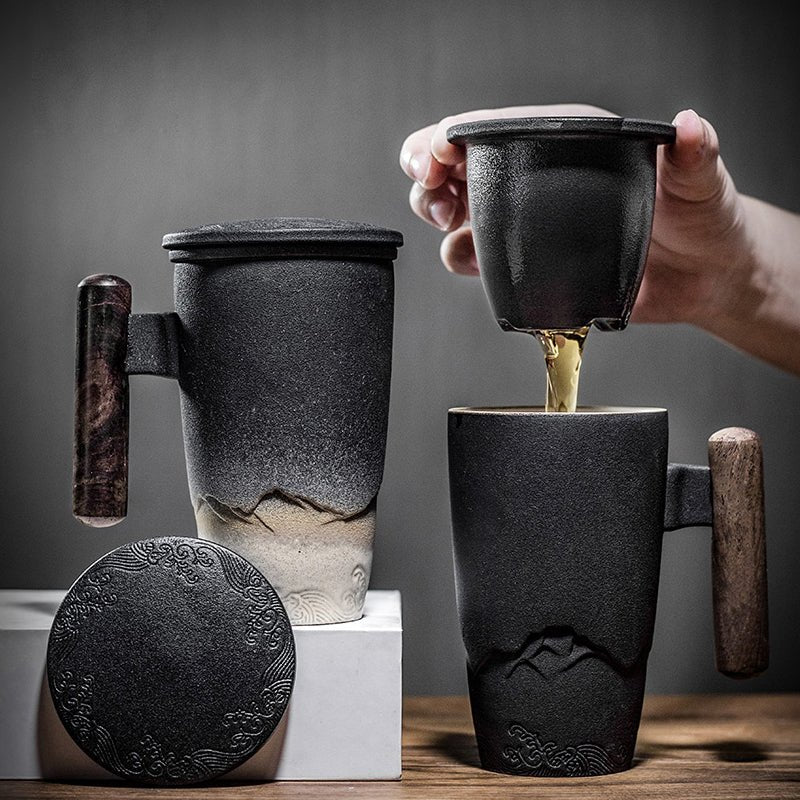
Tall coffee cups are a better fit than standard mugs for long pours, layered drinks, and narrow shelves. We break down shape, finish, and use-case trade-offs so you can choose one that works on an ...
Read more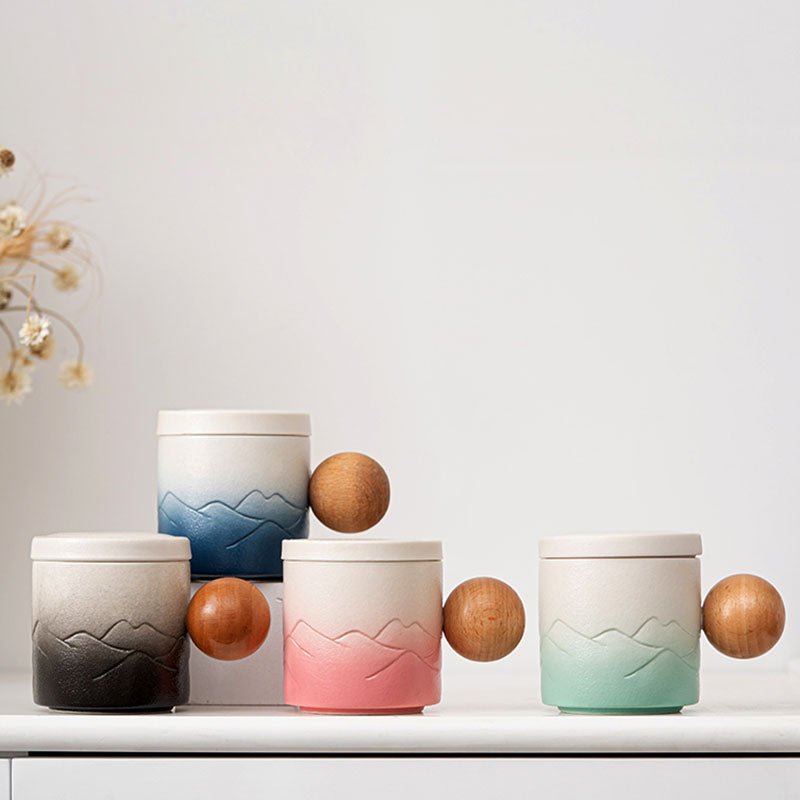
Big Tea Mug Buying Guide: Size, Comfort, and Daily Use
A big tea mug should feel stable, comfortable, and easy to live with, not just large. We break down size, material, handle shape, and the trade-offs that matter before you buy.
Read more
Los kommentaar
This site is protected by hCaptcha and the hCaptcha Privacy Policy and Terms of Service apply.