
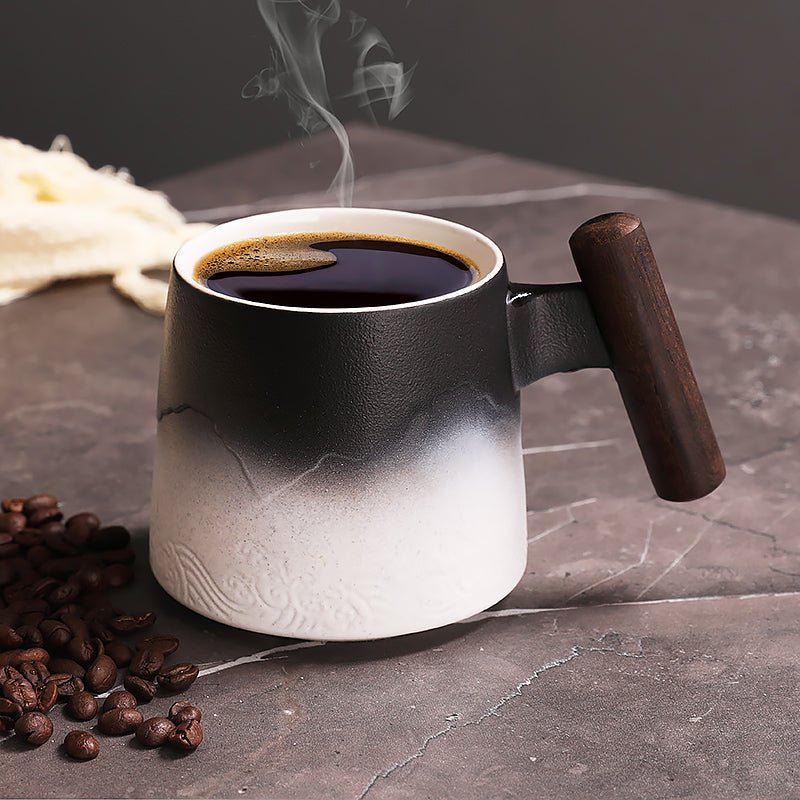
Drawing a Coffee Mug: What Buyers Should Check Before Buying
Reading time: about 9 minutes
A coffee mug with a drawing on it can look right at home on a kitchen shelf, but the real test is whether the artwork still looks sharp after repeat dishwasher cycles and everyday handling. We see the same pattern in our store all the time: shoppers fall for the illustration first, then ask the practical questions after the fact.
This guide focuses on the details that matter before you buy. We are looking at print durability, mug shape, handle comfort, care limits, and the trade-offs that are easy to miss when a mug looks good in photos. If you want a broader buying perspective, our related post on Coffee Mug Drawing: What Buyers Should Check Before Choosing One covers the same category from a slightly different angle.
What should you check first on a drawing coffee mug?
The first thing we check is the surface, not the picture itself. A drawing can be printed beautifully and still fail early if the mug body, glaze, or firing quality is inconsistent.
In our experience, the most useful checks are simple:
- Mug material: Ceramic is the most common choice for printed mugs because it takes decoration well and feels familiar in the hand.
- Surface finish: A smooth, even glaze helps artwork read clearly and makes cleaning easier.
- Print placement: The illustration should sit straight and centered enough that it still looks intentional from both right- and left-hand use.
- Rim and handle finish: A rough rim, pinhole, or uneven handle glaze is a sign to slow down, even if the art looks good.
If you are comparing mug sizes at the same time, our size-focused guides on 10 oz Coffee Mug, 11 oz Coffee Mug, and 12 Ounce Coffee Mug are useful side by side. Size changes how the drawing looks in proportion, especially on taller mugs with more vertical space.
Which details tell you if the artwork will hold up?
Printed art on mugs can fail in a few predictable ways. The linework may fade, colors can look washed out after washing, or the design can chip near the lip if the coating is thin. None of that is obvious in a product photo.
We look for a few practical signs:
- Sharp edges in the design: Clean linework usually photographs and ages better than muddy gradients or overcomplicated fills.
- Consistent ink or decal coverage: Uneven patches can indicate weak transfer quality.
- Good alignment around the curve: A mug is not a flat canvas, so the art should still read clearly where the surface wraps around.
- Protected zones near the rim and handle: Artwork placed too close to the drinking edge or handle tends to wear faster from repeated contact.
There is a trade-off here. A highly detailed drawing can look impressive online, but it is not always the best choice if you plan to use the mug every day at a desk, in an office break room, or through a busy dishwasher. Simpler art often ages better. That is one reason we point shoppers to our broader collection when they want to compare styles instead of buying the first design that catches their eye.
A mug that looks good on day one is easy to find. A mug that still looks clean after a month of real use is the one worth paying attention to.
What size and shape work best for a drawing coffee mug?
Shape changes how the drawing reads. A shorter, wider mug gives the illustration more horizontal breathing room. A taller mug can make the same design feel cramped if the artwork was not laid out for that profile.
For everyday use, the best fit usually comes down to how much coffee you actually pour and how you hold the mug:
- 10 oz: Better for smaller pours, tea drinkers, or people who do not want a heavy mug on a crowded desk.
- 11 oz: A common everyday size that usually feels balanced in the hand.
- 12 oz: Better if you want a little extra capacity without moving into a bulky cup.
- 14 oz to 15 oz: Useful for longer mornings, but the mug can feel too large for smaller hands or narrow machine space.
If you want a deeper sizing comparison, our posts on 14 oz Coffee Mug and 15 oz Coffee Mug break down what changes as the capacity grows. Those larger mugs are useful, but they are not the best fit for every cabinet, cup warmer, or hand size.
How do you tell if a mug is comfortable to use every day?
Comfort matters more than most buyers expect. A mug can have good artwork and still feel awkward if the handle is too tight, the base is too narrow, or the lip is too thick.
We pay attention to the parts people notice only after the mug arrives:
- Handle opening: You should be able to get at least two fingers in comfortably without twisting your wrist.
- Balance: A mug filled near the brim should not feel top-heavy.
- Base stability: A flat, steady base matters on office desks, side tables, and crowded counters.
- Rim feel: A smooth drinking edge is important if you use the mug every day.
This is where store-bought photos can be misleading. A mug can look refined online and still be awkward in person. That is especially true with novelty shapes, oversized handles, or heavily tapered bodies. If the drawing is the reason you want the mug, make sure the form supports the artwork instead of fighting it.
What care instructions should you expect before you buy?
Care instructions tell you a lot about the limits of the mug, even when the listing is brief. If a mug is printed, the safest assumption is that gentle handling will help the artwork last longer.
Here is the practical routine we recommend for most decorated ceramic mugs:
- Wash after use: Do not leave coffee residue to sit, especially on light-colored glaze.
- Use a mild detergent: Harsh scouring pads can dull the finish over time.
- Avoid sudden temperature swings: Very hot liquid into a very cold mug can stress the ceramic.
- Handle with care around the rim and artwork: Chips usually start where mugs are knocked into sinks, racks, or other cups.
Some drawings are more durable than others, but no printed mug is ideal if you want a rough-and-ready workhorse for constant abuse. If your real use case is a break room with heavy turnover, stacked dishwashers, or frequent drops into a sink, a plainer mug with less delicate decoration is often the safer choice.
What kinds of drawing mugs are not a good fit?
We prefer being direct about limitations. A drawing coffee mug is not the best choice for every buyer, even if the design is attractive.
- Not ideal for heavy kitchen abuse: If mugs get tossed into sinks, knocked together, or stacked tightly, the art will take more wear.
- Not ideal for people who want absolute minimal care: A decorated mug usually needs more attention than an undecorated utility mug.
- Not ideal for very small cabinets or cup warmers: Larger formats can be inconvenient in tight spaces.
- Not ideal if you prefer a plain, timeless look: A graphic mug can feel too specific for some offices or gift settings.
That said, these mugs can be a strong fit for home coffee stations, desk setups, and gifts when the buyer wants personality without sacrificing everyday use. We see a lot of shoppers choose them as a middle ground: more expressive than a plain mug, but still practical enough for routine use.
How should you compare options before placing an order?
We recommend comparing mugs the same way we would compare products in our own store. Focus on use first, style second.
| What to compare | Why it matters | What usually works best |
|---|---|---|
| Material | Affects durability and print quality | Ceramic for most everyday coffee use |
| Capacity | Controls feel, weight, and daily fit | 11 oz or 12 oz for most buyers |
| Artwork style | Determines how well the design ages | Clean linework with clear contrast |
| Care needs | Impacts how long the mug stays presentable | Gentle washing and careful handling |
| Handle shape | Affects comfort during repeated use | A handle that fits your fingers without strain |
If you want to compare actual store options instead of making the decision in isolation, start with our products page and match the mug to your use case. We suggest looking for one mug that suits the way you drink coffee most mornings, not the one that only looks best in the thumbnail.
For buyers who want more pre-purchase guidance, our related post Drawing Coffee Mug Buying Guide: What Buyers Should Check expands on the same evaluation process with more shopping-focused detail.
Frequently asked questions
Is a drawing coffee mug dishwasher safe?
Sometimes, but you should not assume it without checking the listing or care guidance. Printed mugs often survive normal washing, but high heat and harsh detergents can wear the artwork faster. If you want the design to last, gentle cycles are the safer choice.
What size drawing coffee mug is best for everyday use?
For most buyers, 11 oz or 12 oz is the most balanced range. Those sizes feel familiar, fit standard coffee servings well, and are less bulky on a desk or shelf than larger mugs. If you drink larger pours, 14 oz or 15 oz can make sense, but they take up more space.
Do illustrated mugs wear out faster than plain mugs?
The mug body does not necessarily wear out faster, but the decoration can show aging sooner. Chips, fading, and surface wear are more noticeable on printed mugs, especially around the rim and handle area. A plain mug hides everyday use better.
What should I look for in the print quality?
Look for clean linework, even color coverage, and artwork that stays readable around the mug’s curve. Blurry edges, off-center placement, or thin spots near the handle are warning signs. Those issues often show up later as the mug gets used.
Is a drawing coffee mug a good gift?
Yes, if the drawing matches the recipient’s style and the mug size makes sense for how they drink coffee. It is a better gift when you know the person uses mugs daily at home or work. If you are unsure, a simpler design is usually safer than a highly specific illustration.
If you are ready to compare options, start with the mug size that fits your routine, then check the artwork quality and care notes against the items in our full collection. That is the fastest way to avoid ending up with a mug that looks right online but feels wrong at the counter.
Read more
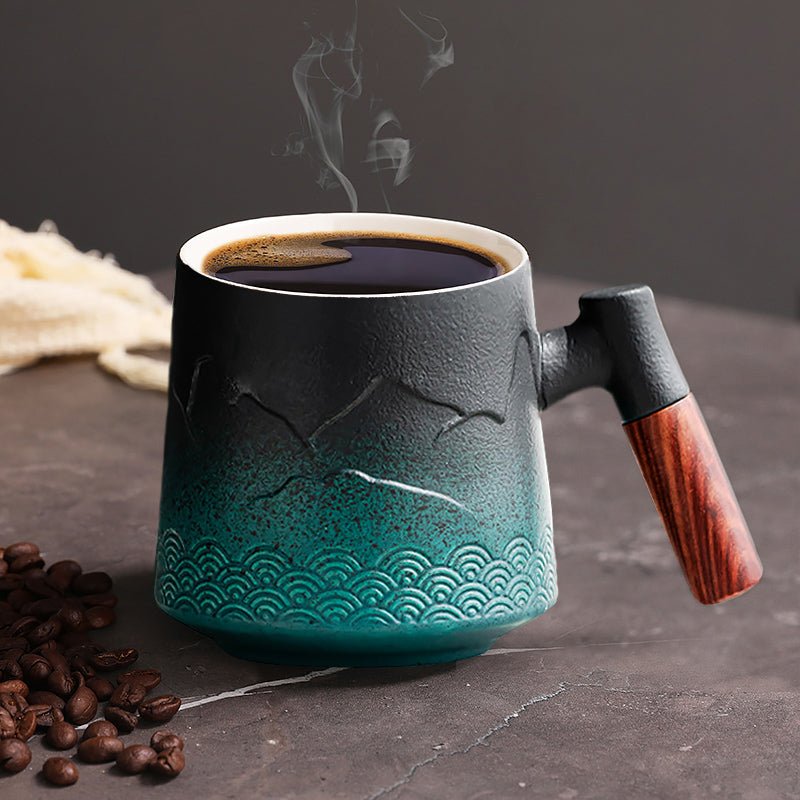
Coffee Mugs with Pictures: What to Check Before You Buy
Coffee mugs with pictures work best when the photo, size, and print placement match the way the mug will actually be used. We break down what to check before buying, plus the trade-offs that matter...
Read more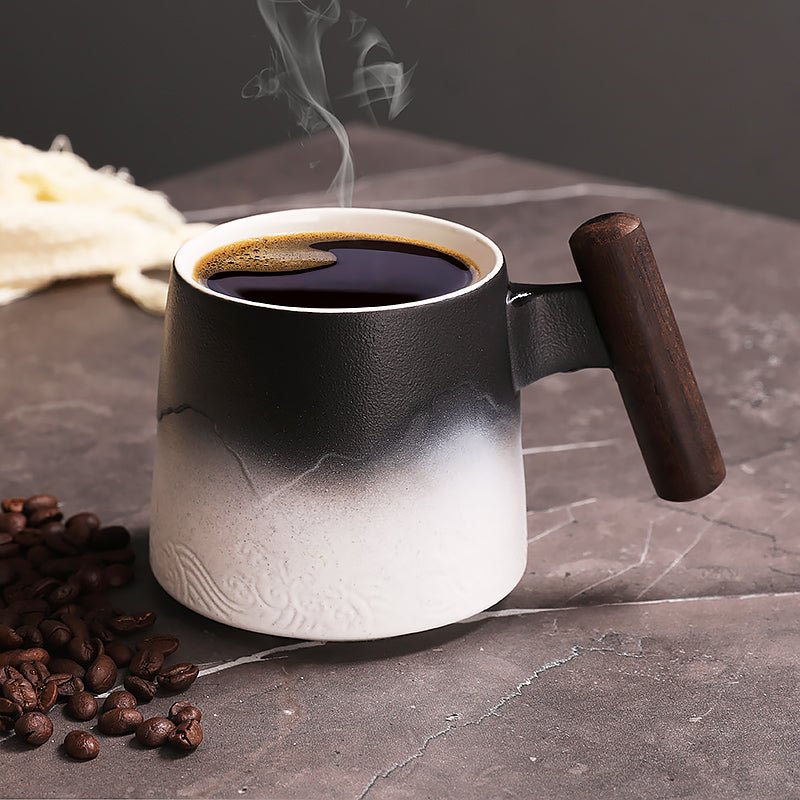
Hanging Coffee Mug Rack: Fit, Materials, and Buying Guide
A hanging coffee mug rack works best when the hook spacing, mounting style, and mug size all line up. We break down what to check before you buy so you can avoid wobble, crowding, and fit mistakes.
Read more
Los kommentaar
This site is protected by hCaptcha and the hCaptcha Privacy Policy and Terms of Service apply.